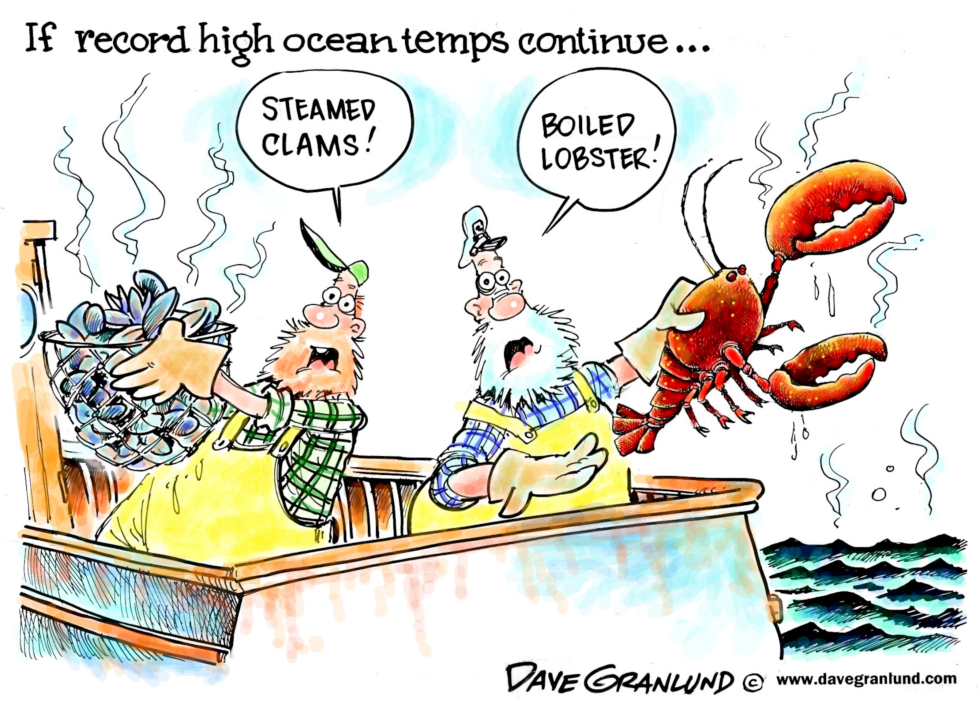
The cartoon depicts two fishermen on a boat reacting with surprise as clams and a lobster appear cooked by the surrounding seawater. Speech bubbles label the catch as steamed clams and boiled lobster. The title references record high ocean temperatures. This visual ties directly to ongoing concerns about marine heatwaves driven by climate change. Such conditions have been documented in recent years along the Northeast coast, affecting lobster and clam populations. The image highlights potential economic strain on fishing communities if trends continue.
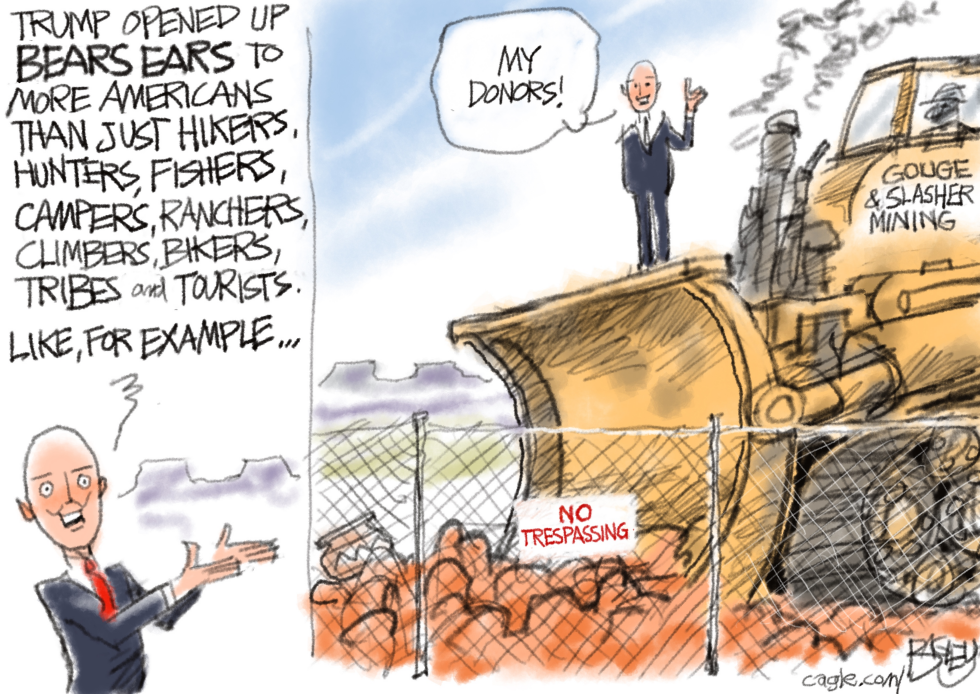
President Trump opened Bears Ears National Monument to expanded mining operations, citing broader public access. The move benefits mining companies and political donors while limiting protections for hikers, tribes and recreational users. The cartoon criticizes the decision as donor-driven favoritism over conservation.
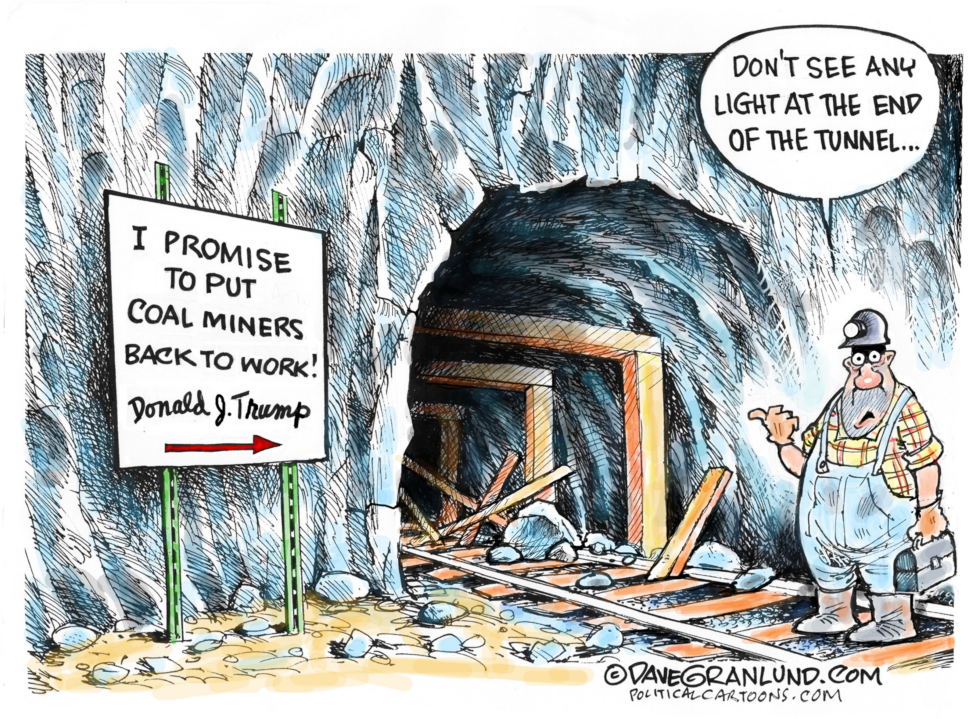
Donald Trump repeatedly pledged during his campaigns and terms to revive coal mining employment by rolling back regulations and boosting domestic production. Those commitments have not translated into sustained job growth for miners amid shifting energy markets and automation. The cartoon underscores the gap between the repeated assurances and the persistent lack of visible progress for workers in the sector.
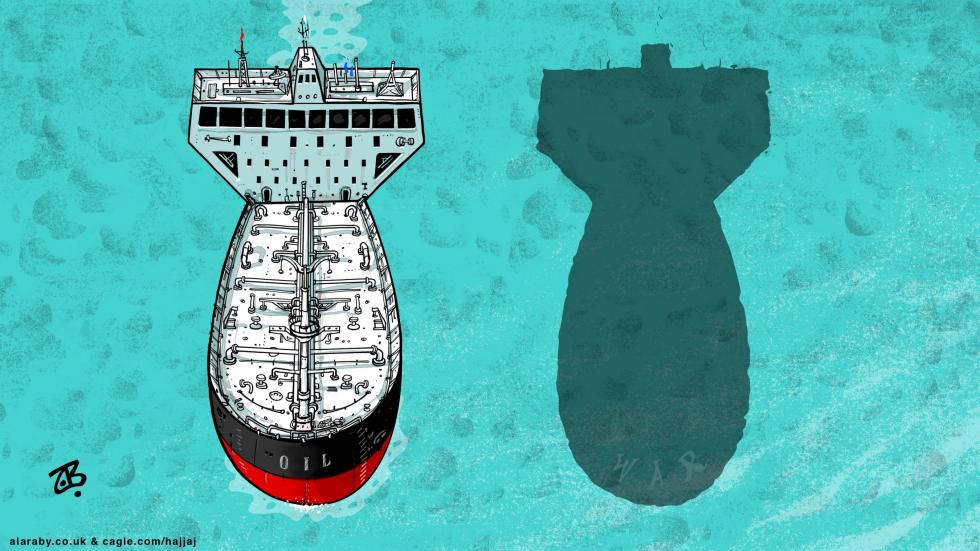
An oil tanker depicted in bomb form with a matching shadow labeled war underscores ongoing links between energy resources and armed conflict. The image responds to persistent tensions in oil-producing regions where shipping routes and resource control intersect with military actions. Such portrayals emphasize how fossil fuel transport remains entangled in geopolitical disputes. The editorial stance critiques the weaponization of energy supplies and the persistent threat of escalation tied to oil interests.
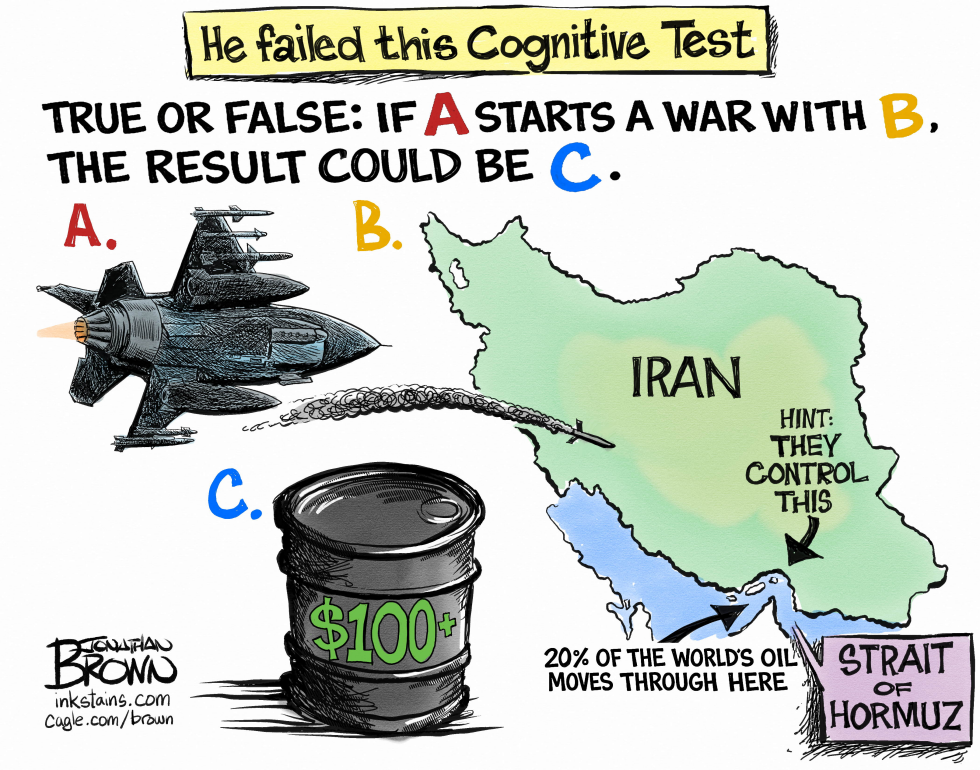
Jonathan Brown's cartoon presents a stark true-or-false cognitive test: if A (a fighter jet) starts a war with B (Iran), the result could be C (an oil barrel marked $100+). The map of Iran includes a hint pointing to the Strait of Hormuz, noting that 20% of the world's oil moves through there, underscoring control over this chokepoint. Tags such as cognitive test, war in Iran, oil prices, Strait of Hormuz, gas prices, and cost of war frame the satire. The artwork warns of economic fallout from conflict, with the jet trailing toward Iran and the oil barrel symbolizing surging costs. This piece captures geopolitical tensions in a simple, visual riddle.
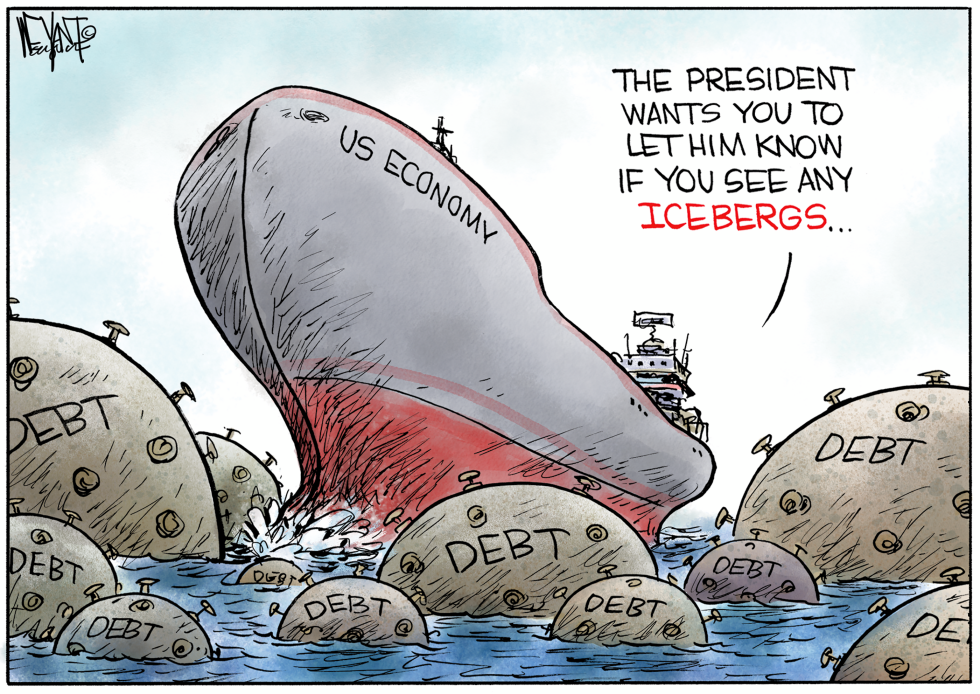
This political cartoon illustrates the US Economy as a massive ship labeled accordingly, dramatically sinking after colliding with numerous icebergs each marked 'DEBT.' A speech bubble from the ship warns to alert the president about icebergs, evoking the Titanic disaster in a clear metaphor for economic peril. Incorporating tags such as economy, debt, budget, inflation, prices, and costs, the image critiques fiscal irresponsibility. The artwork by Christopher Weyant uses simple lines and colors to emphasize the collision's impact, with water splashing and the ship's hull damaged. Such cartoons often highlight how mounting debt threatens stability, drawing parallels to historical maritime tragedies for satirical effect. The composition places the ship at an angle, surrounded by floating debt bergs, underscoring inevitable crisis if warnings go unheeded.
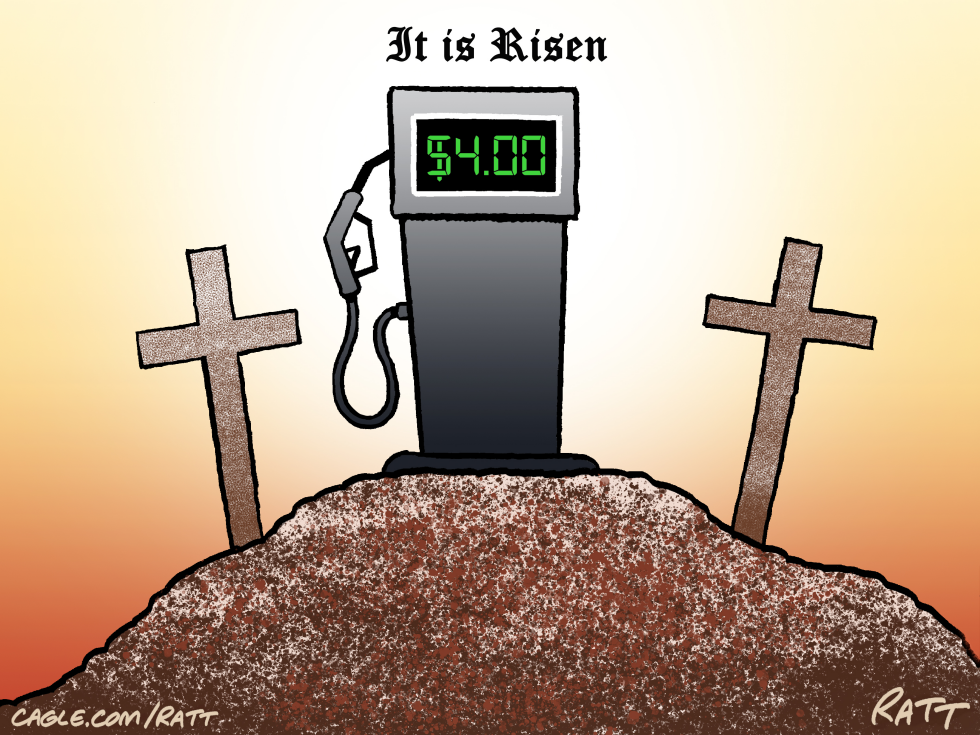
Ratt's cartoon captures Easter in America 2026 with a gas pump standing in for the central cross on a Calvary hill, showing $4.00 on its display and the text 'It is Risen' above, playing on rising gas prices. Tags like Easter, gas prices, oil, Iran war, and Strait of Hormuz suggest a future where geopolitical tensions drive fuel costs skyward. The artwork uses simple lines and a sunset background to evoke the biblical scene, but replaces resurrection with economic pain. This satire highlights how global events, including potential conflicts in the Strait of Hormuz, could lead to exorbitant oil prices by 2026. The dry humor underscores American dependence on foreign oil, making the cartoon timely and shareable amid ongoing energy debates.
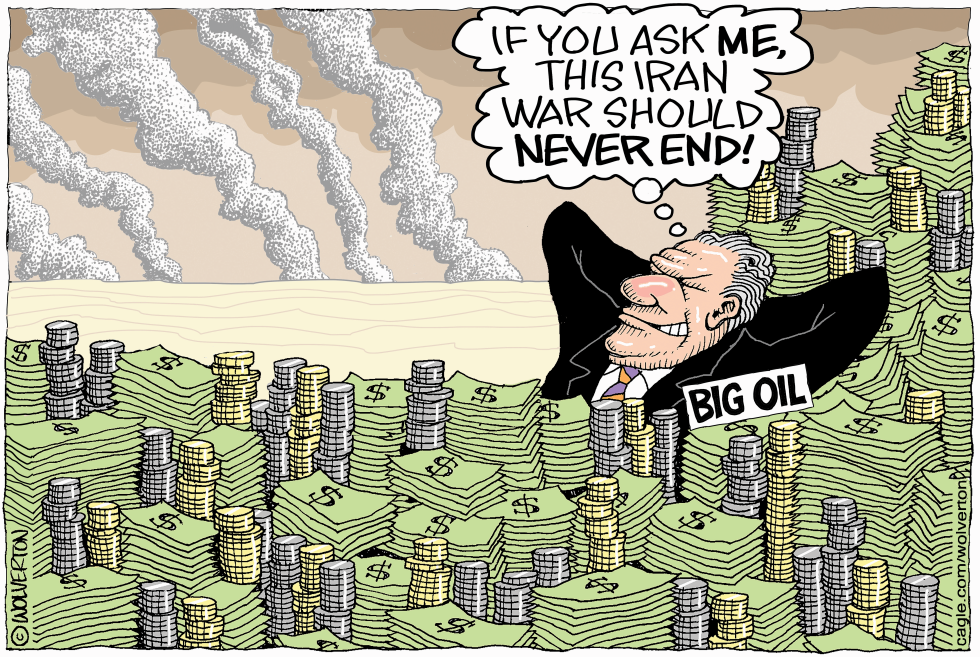
A political cartoon dated March 17, 2026, depicts a Big Oil executive reclining amid stacks of cash and coins. The figure, labeled BIG OIL, thinks that the Iran war should never end. Smoke rises in the background over a landscape of dollar bills. The image responds to ongoing concerns about oil industry gains during Middle East conflicts.
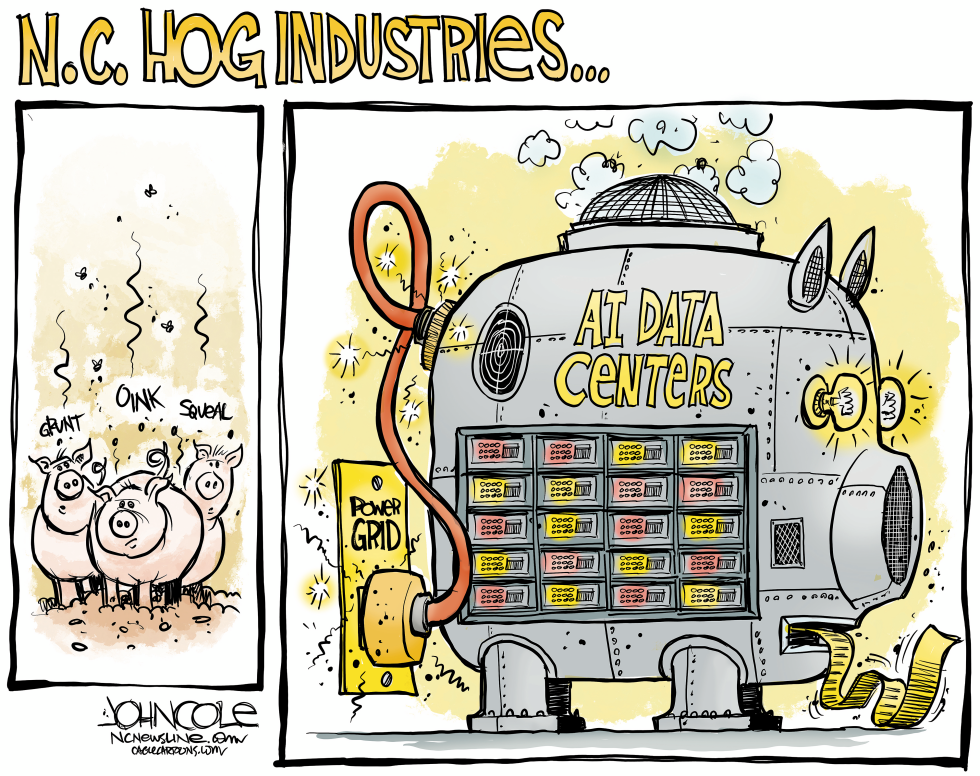
The cartoon depicts North Carolina's traditional hog industry alongside a massive AI data center facility shaped like a hog and plugged directly into the power grid. It highlights how the rapid expansion of data centers for artificial intelligence is creating enormous electricity demands similar to the state's established agricultural sector. The visual draws a parallel between the environmental and infrastructure pressures from both industries.
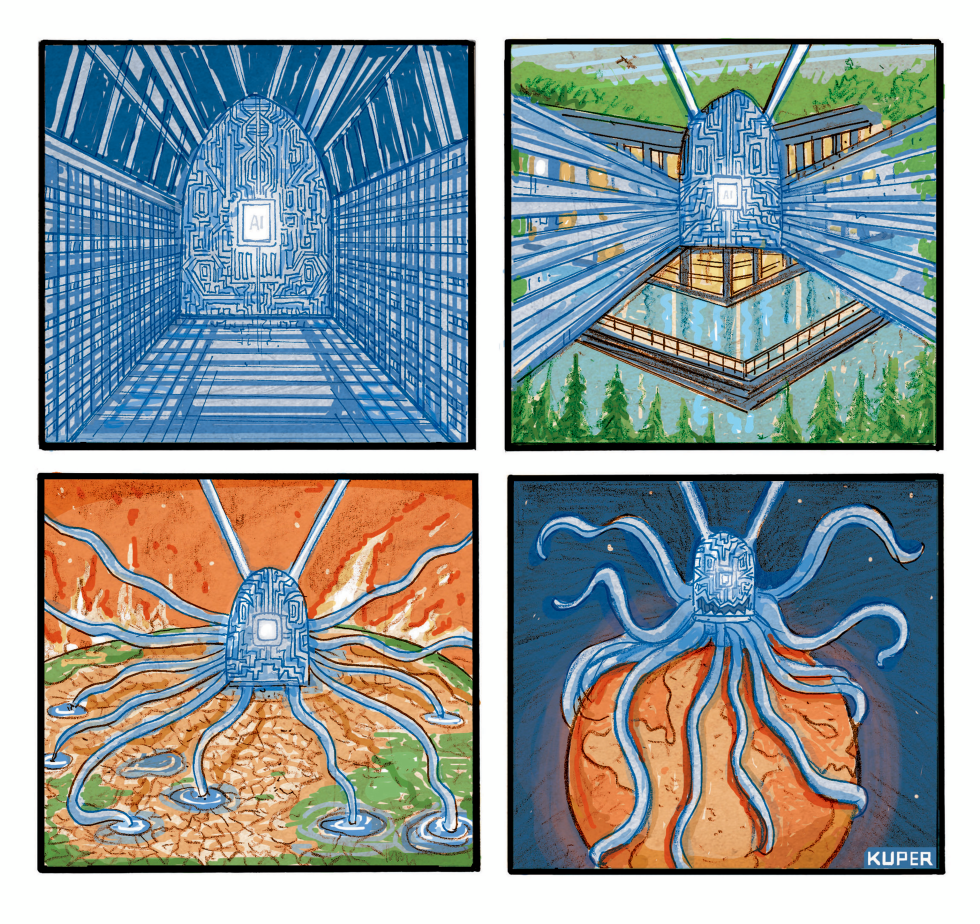
The four-panel image depicts AI as a circuit-patterned entity expanding from server rooms into buildings and then as a multi-armed form drawing water from arid terrain before encircling the globe. It highlights the resource demands of expanding AI operations. The panels progress from indoor facilities to outdoor extraction and global reach. Publication occurs during continued growth in AI training and inference workloads that require substantial cooling and power. Industry reports note rising electricity use by data centers and concerns over water in drought-prone areas. The sequence underscores competition among companies to scale systems without added limits.