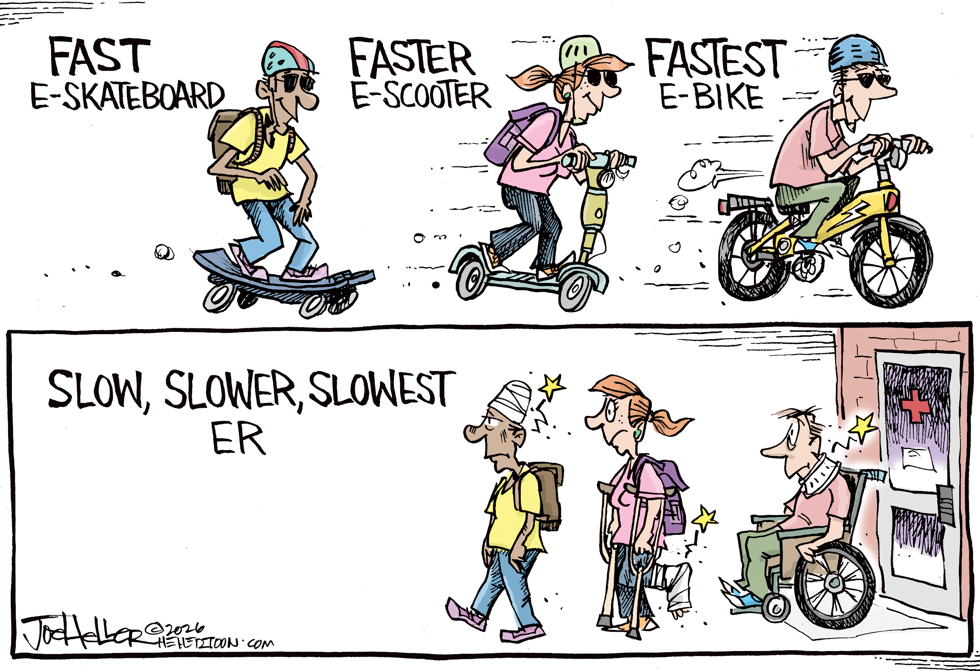
Electric personal mobility devices such as e-skateboards, scooters and bikes have grown rapidly in use, bringing convenience but also a documented rise in crash-related injuries. Data from emergency departments show that higher speeds correlate with more serious trauma, longer recovery times and greater hospital resource demands. The cartoon highlights this speed-to-injury gradient without assigning blame to any single policy or manufacturer. It underscores the public-health trade-off between faster urban transport options and the resulting strain on trauma care systems. Hospitals report treating more fractures, concussions and internal injuries as these devices proliferate. The piece argues that the convenience of speed comes with measurable human costs that warrant attention from safety regulators and city planners.
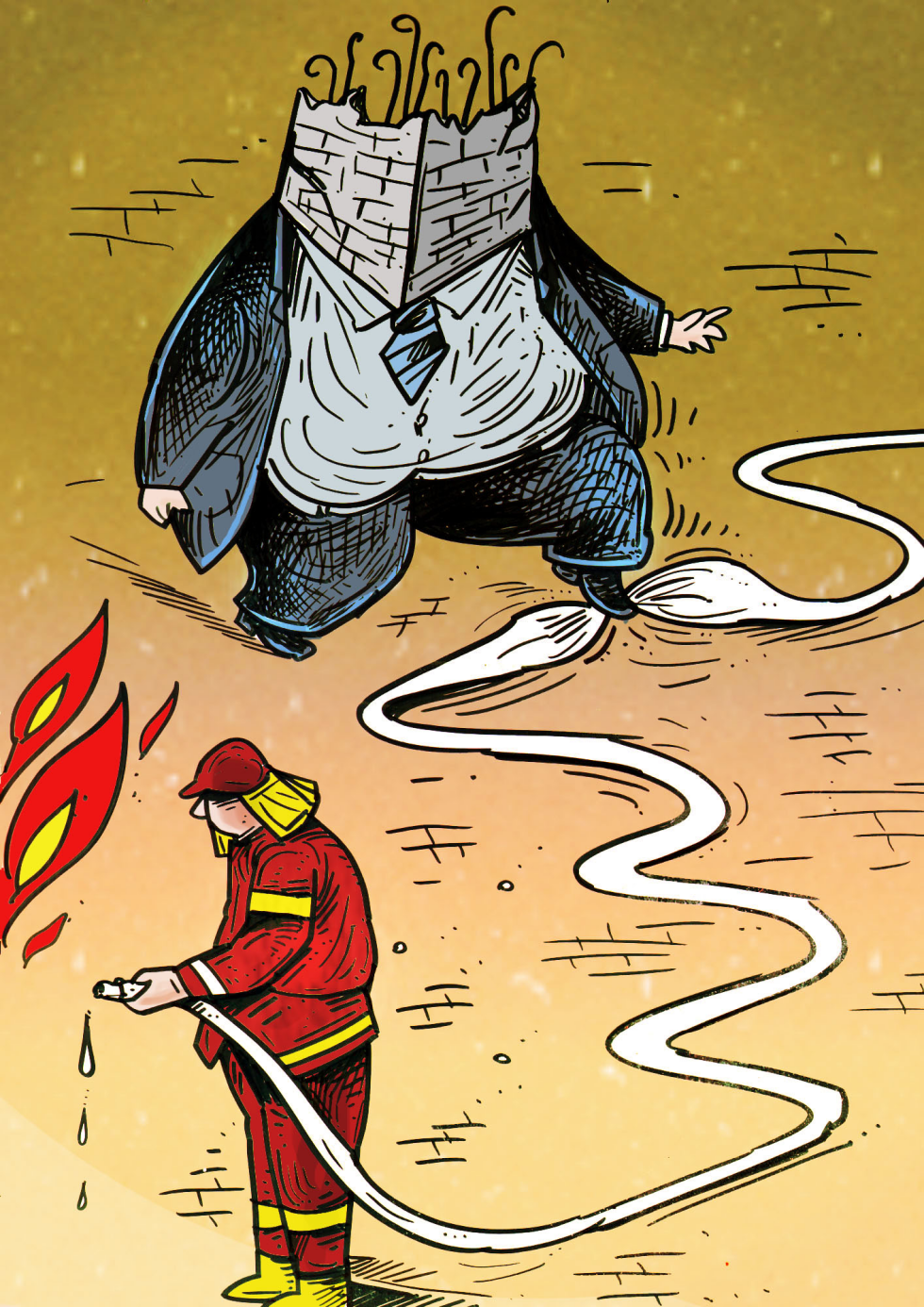
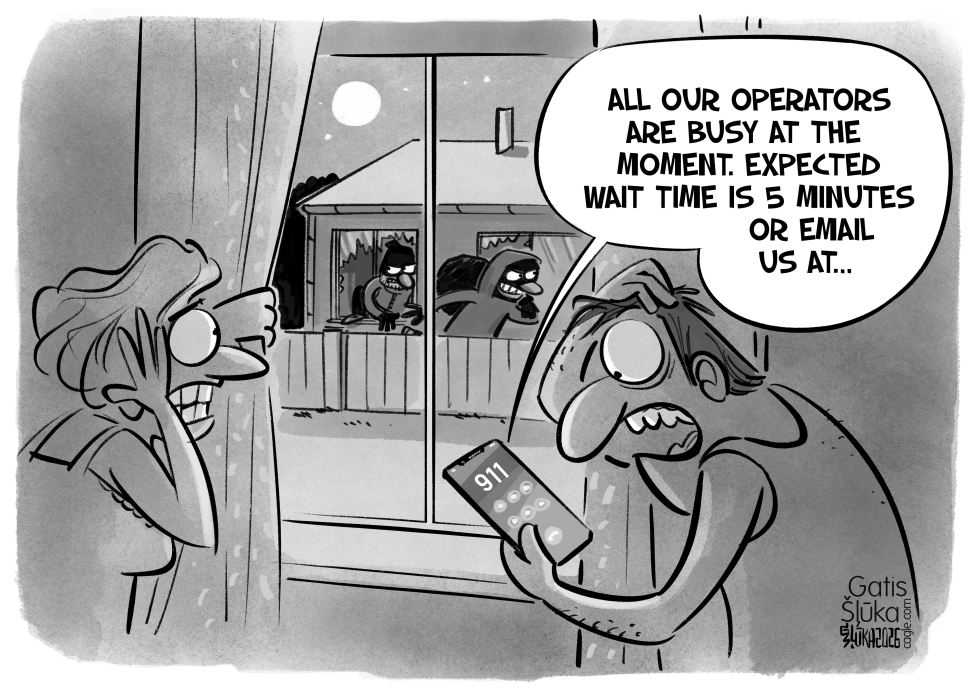
Government bureaucracy continues to slow emergency services through layers of procedure and obstruction. Officials embedded in routine create barriers that delay response times when speed matters most. The cartoon argues that such entrenched processes turn routine oversight into active hindrance during crises.
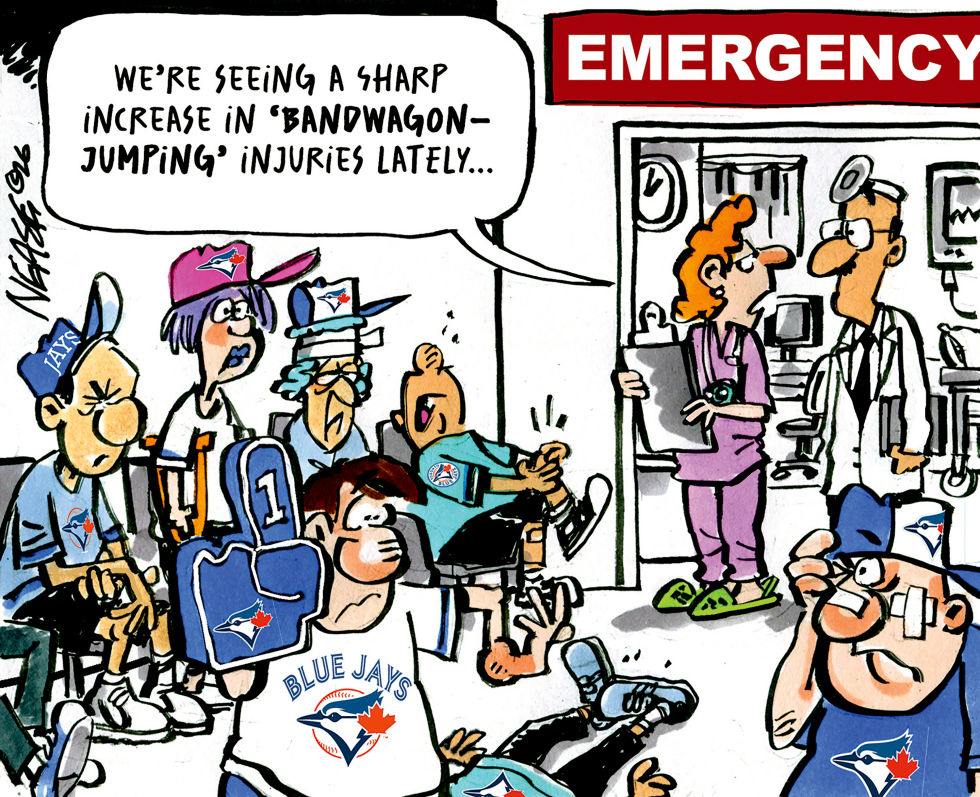
The Toronto Blue Jays' strong 2026 season has triggered a wave of self-proclaimed fans rushing to join the bandwagon. This sudden popularity spike has produced a humorous but pointed wave of reported injuries from overeager jumping. The cartoon uses the emergency room setting to highlight the fleeting nature of such support. It critiques how success attracts insincere followers who abandon teams during leaner times. The piece argues that genuine fandom requires consistency rather than opportunistic enthusiasm during winning streaks.
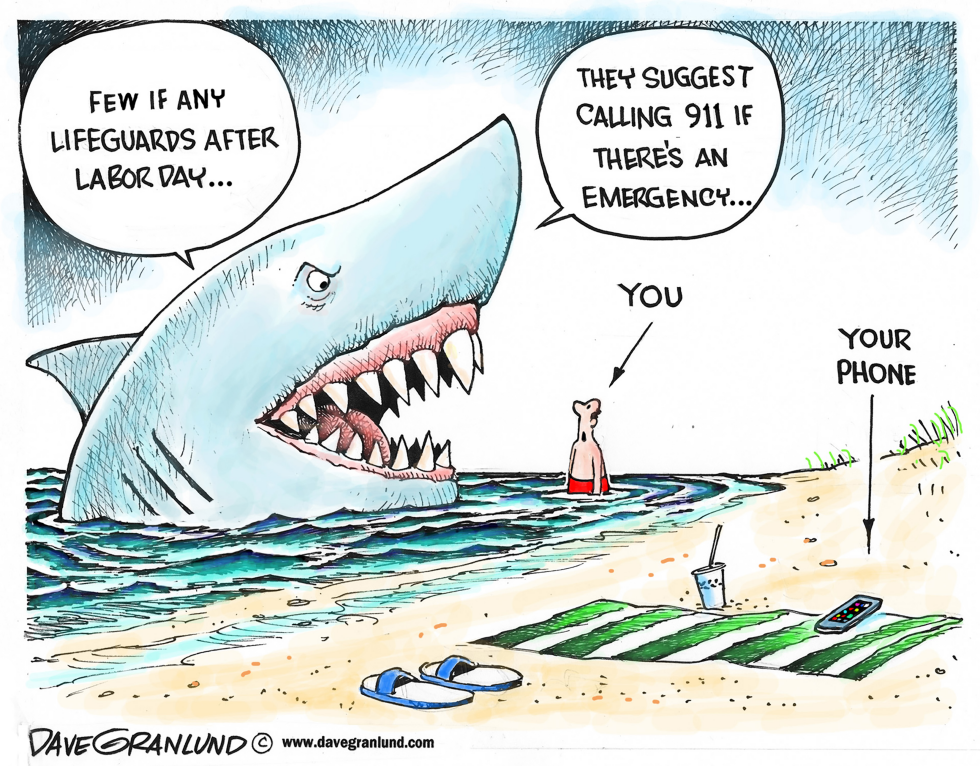
A shark in the water addresses a swimmer standing in the surf about the reduced presence of lifeguards after Labor Day. The shark notes that few if any lifeguards remain on duty following the holiday and suggests calling 911 in case of an emergency. The swimmer stands near a beach towel holding a mobile phone. Labels identify the swimmer and the device. The scene plays on the common end of summer staffing changes at beaches.
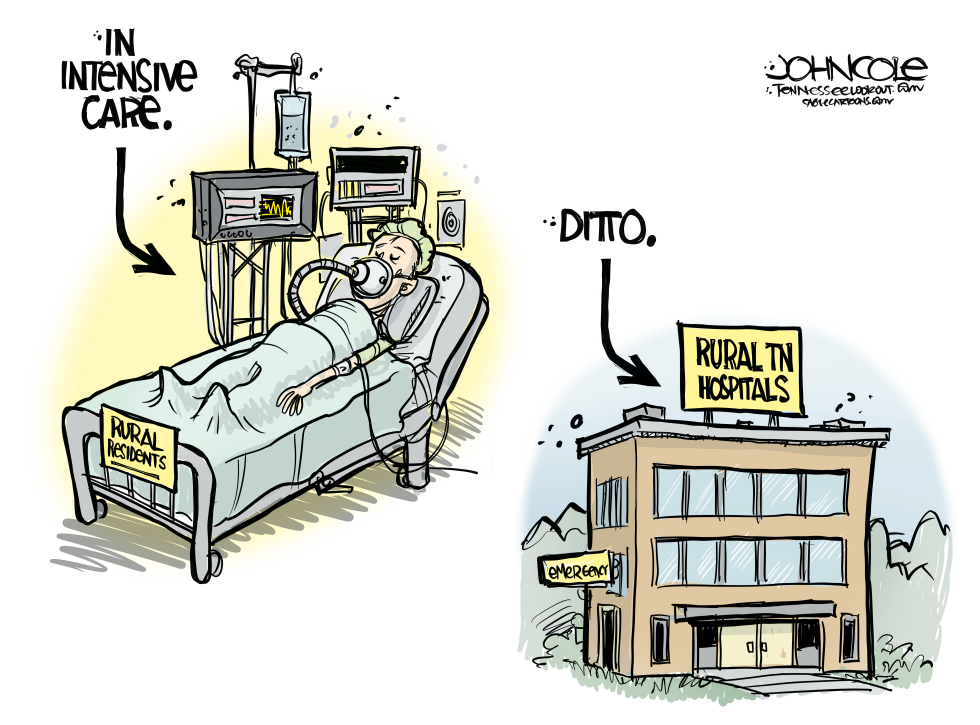
Rural hospitals across Tennessee continue to operate under severe financial pressure, with several facilities at risk of reducing services or closing. The situation affects access to emergency and intensive care for residents in remote areas. The piece argues that the hospitals themselves require urgent intervention to remain viable.
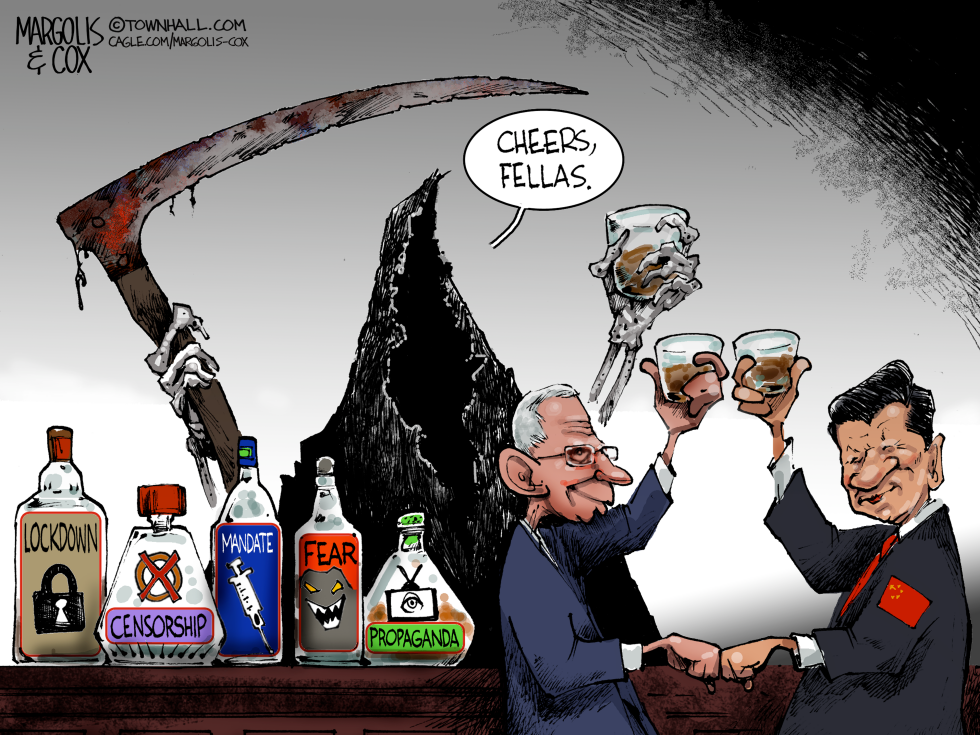
On August 6, 2026, the cartoon responds to lingering debates over COVID-19 policies by depicting former NIAID director Anthony Fauci and Chinese leader Xi Jinping toasting with the Grim Reaper. The image frames pandemic tools as shared instruments of control. The editorial position criticizes both figures for embracing fear-driven measures and information suppression.
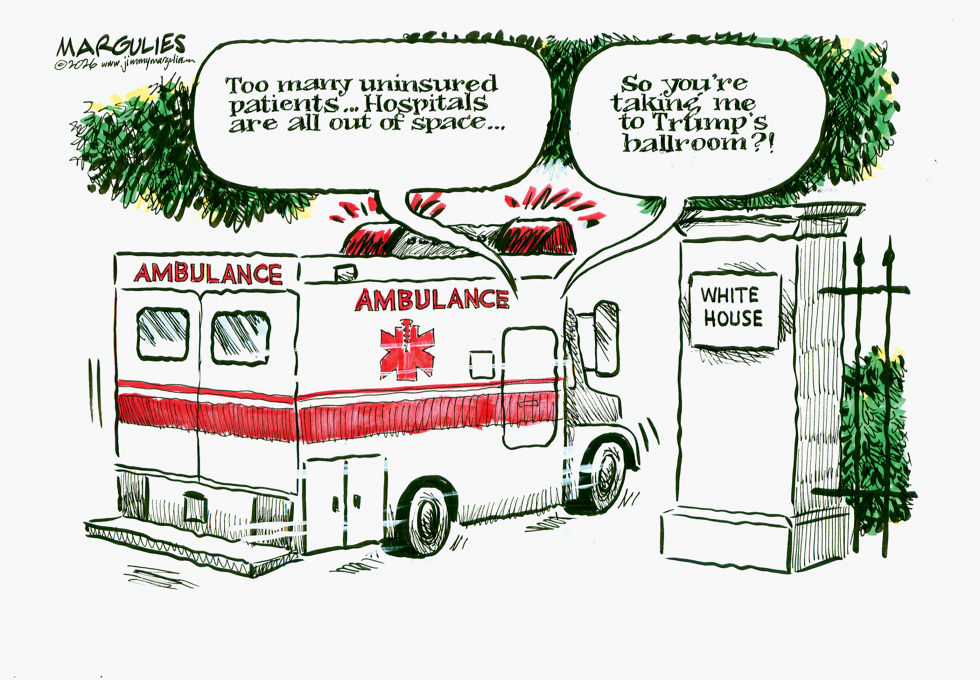
Hospitals across the country report severe overcrowding driven by rising numbers of uninsured patients seeking emergency care. The situation has prompted unusual measures, including the diversion of ambulances. In this context the cartoon depicts an ambulance being directed toward the White House ballroom associated with President Trump. The piece criticizes the administration's handling of the healthcare access problem by highlighting the contrast between medical need and the use of presidential property.
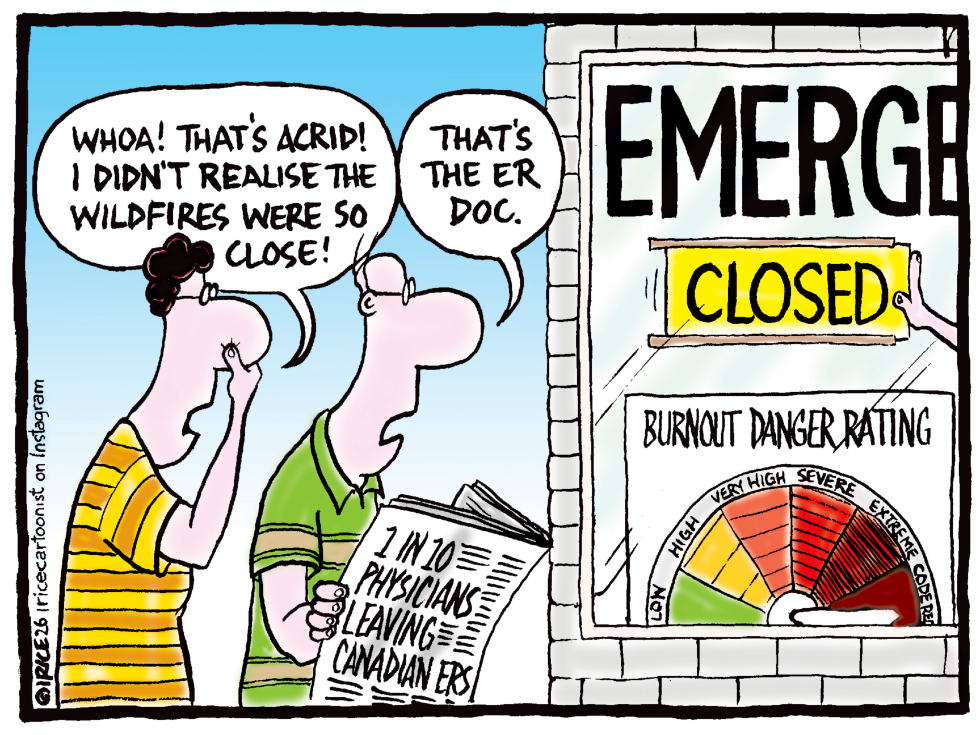
Canadian emergency rooms face mounting closures as one in ten physicians depart amid rising burnout, compounded by wildfire smoke exposure. The staffing crisis leaves communities without timely care during peak summer health threats. The editorial highlights how environmental pressures accelerate an already fragile healthcare system, urging immediate policy intervention to retain medical staff.
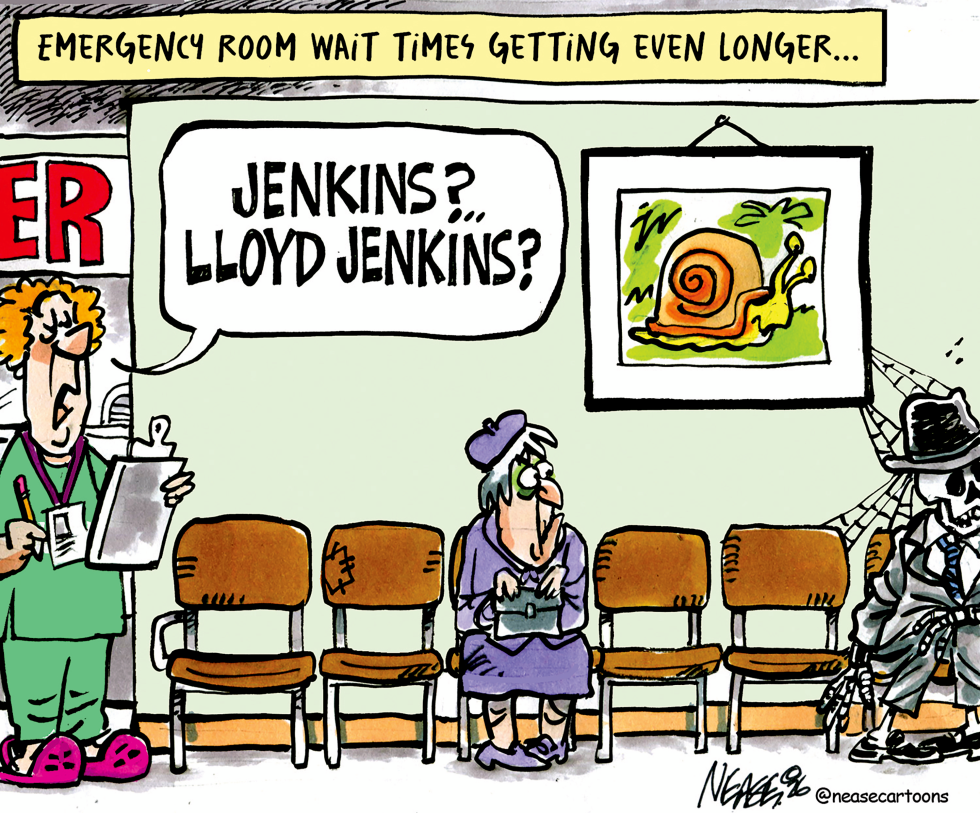
Hospital emergency departments across the country continue to report extended patient wait times driven by staffing shortages and rising demand. The situation has prompted renewed calls for policy interventions to improve throughput and reduce overcrowding. The piece highlights the human cost of these systemic delays through its central visual metaphor.
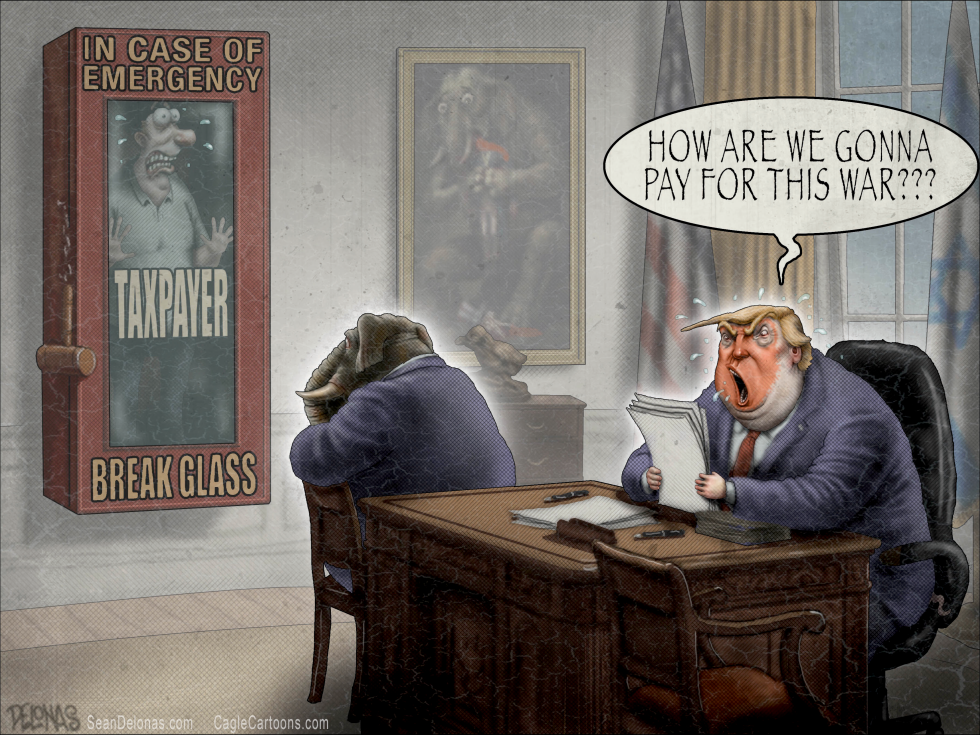
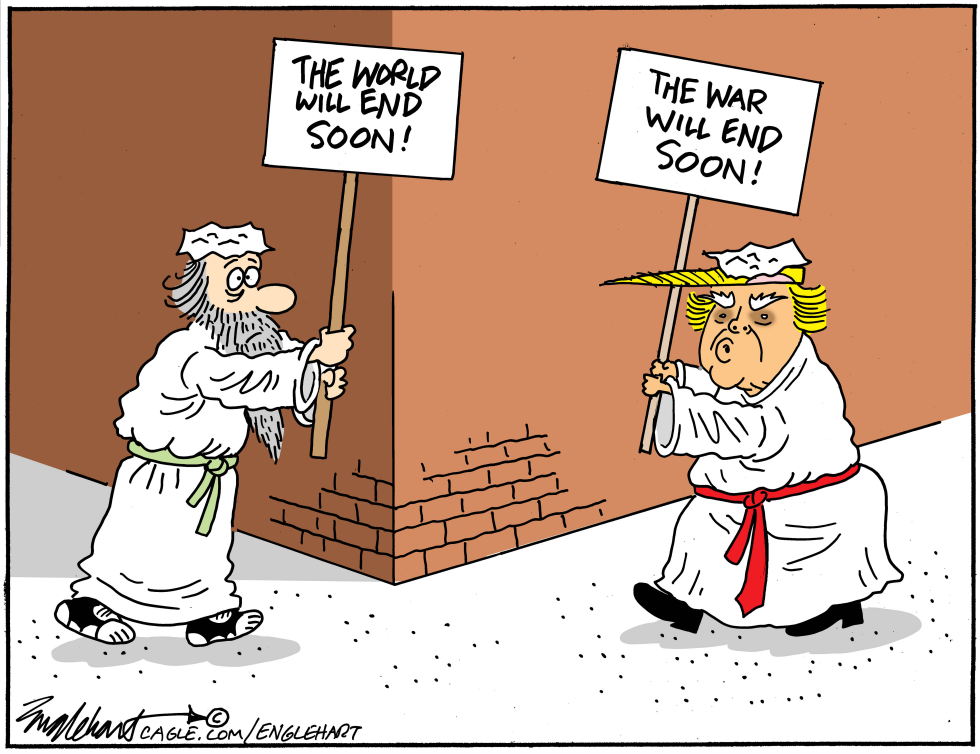
Donald Trump publicly questions the costs of ongoing war funding in mid-2026, highlighting taxpayer burdens during budget debates. The move underscores tensions within Republican circles over defense spending priorities and fiscal responsibility. The piece portrays the concern as an emergency response to mounting expenses.
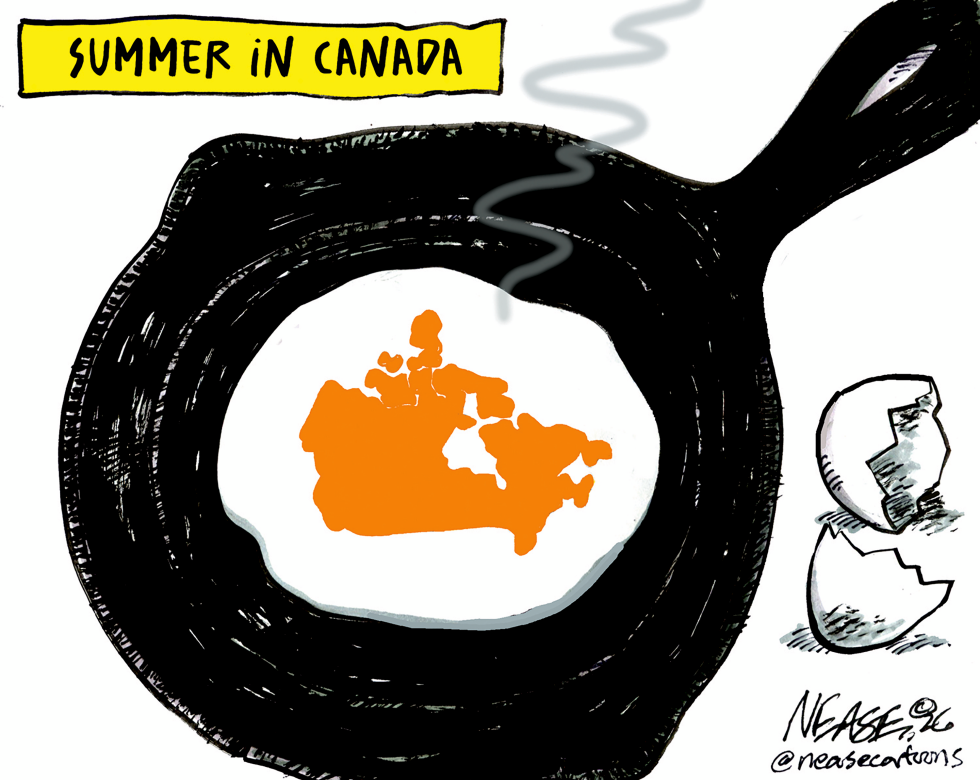
Canada has faced repeated extreme heat and wildfire seasons in recent years. The piece responds to summers that now bring health advisories and air quality warnings rather than mild weather. It renders the country as an egg frying in a skillet.
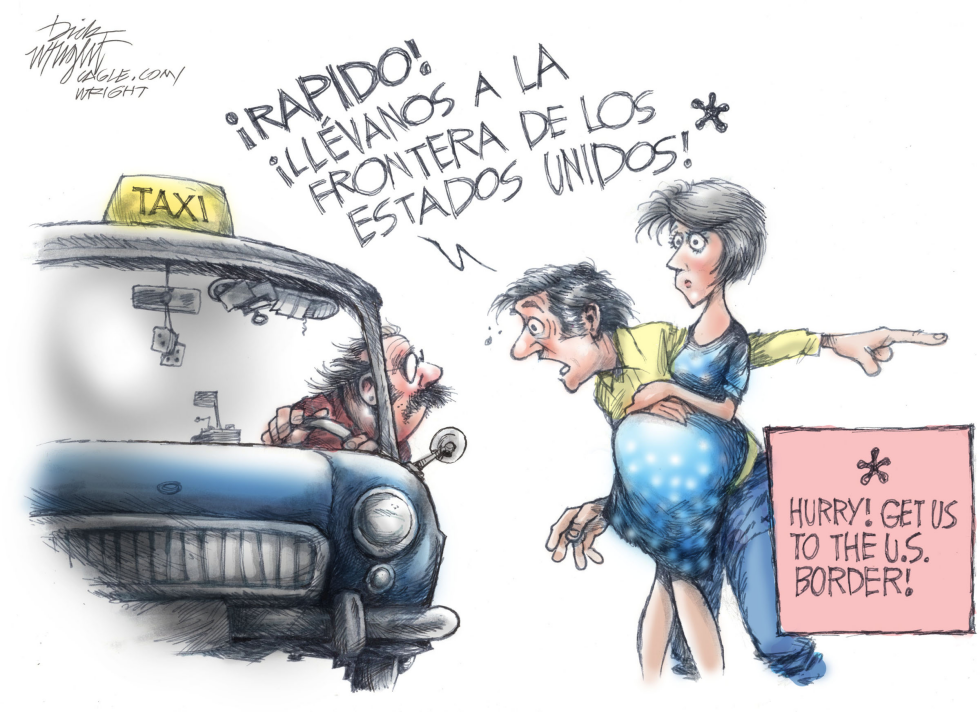
A man carries his pregnant partner toward a waiting taxi while she points urgently toward the US border. The driver leans from the vehicle as Spanish and English text convey a hurried request to reach the frontier. The July 2026 cartoon depicts a common immigration scenario at the southern border where individuals seek quick transport amid enforcement concerns.
On July 1 2026 Bill Day depicts Donald Trump first dismissing Antifa threats in one panel then igniting the Constitution Declaration of Independence and Bill of Rights in another while calling ICE for assistance. The scene shows the president holding a phone and lighter beside a red gas can as flames consume the documents on a table inside a columned hall with an American flag nearby.
A drawing depicts a U.S.-labeled figure in a dramatic pose yawning at a paper announcing an Ebola global emergency. The scene references recent health alerts involving outbreaks in Africa. The image highlights perceived U.S. indifference to the declaration from international health bodies. Publication occurs on June 5, 2026, during ongoing discussions of pandemic preparedness involving agencies like the CDC.