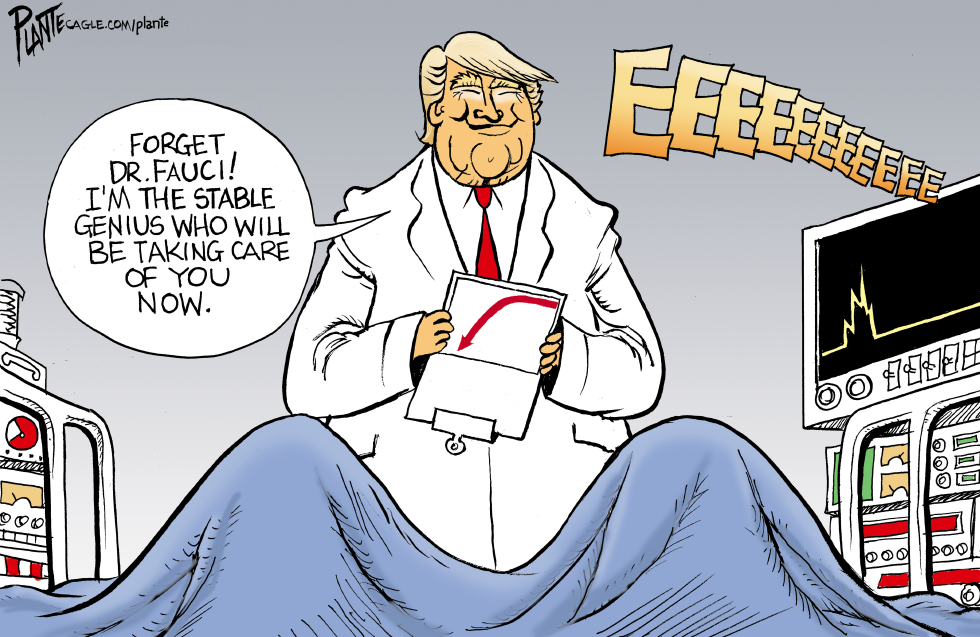
Donald Trump appears in a physician's coat asserting control over patient care and dismissing Dr. Fauci. The depiction occurs amid ongoing debates over federal health policy leadership and executive influence on medical decisions. The piece argues that such assertions risk undermining established expertise in public health administration.
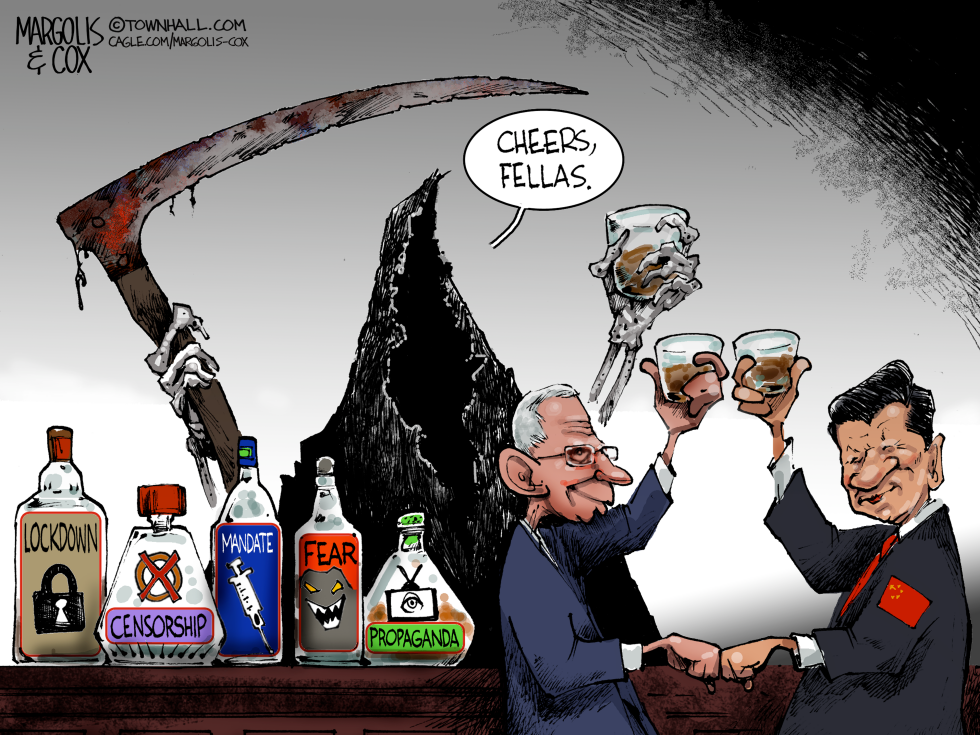
On August 6, 2026, the cartoon responds to lingering debates over COVID-19 policies by depicting former NIAID director Anthony Fauci and Chinese leader Xi Jinping toasting with the Grim Reaper. The image frames pandemic tools as shared instruments of control. The editorial position criticizes both figures for embracing fear-driven measures and information suppression.
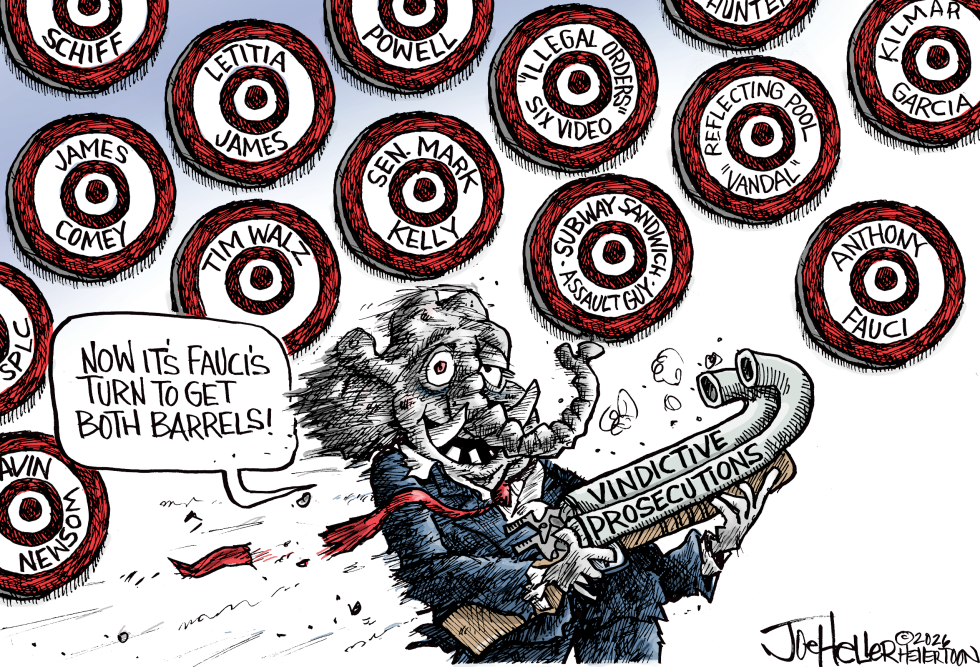
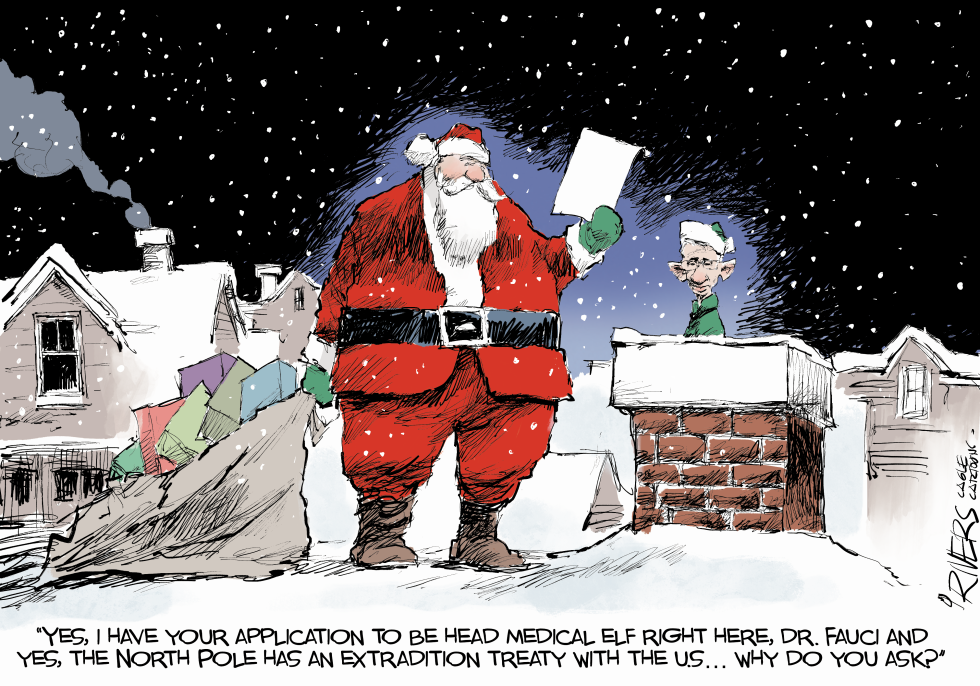
Donald Trump has signaled intent to pursue legal action against Anthony Fauci and other perceived opponents. The move extends a pattern of targeting figures from prior investigations and public disputes. The editorial portrays these actions as personal retribution rather than legitimate accountability.
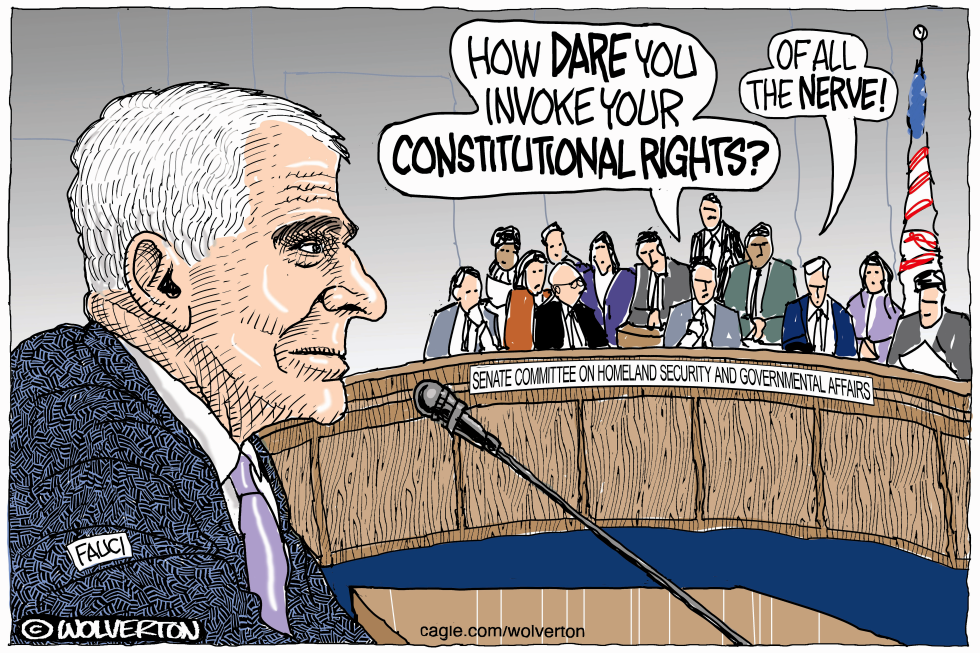
Anthony Fauci appeared before the Senate Committee on Homeland Security and Governmental Affairs on August 6, 2026. Committee members reacted sharply when the witness referenced constitutional protections. The exchange highlights ongoing tensions between congressional oversight and individual rights in high-profile hearings. The piece portrays the senators as overreaching in their response to the rights claim.
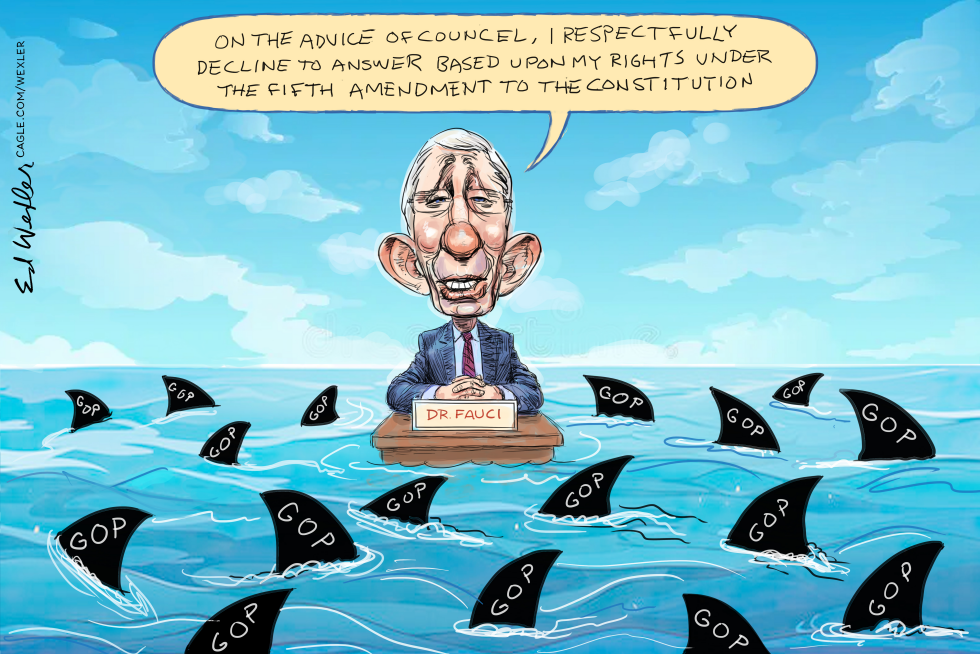
Dr. Anthony Fauci declined to answer questions at a House hearing, invoking his Fifth Amendment protections. The piece responds to Republican-led scrutiny of his role in pandemic-era public health decisions. It depicts the proceeding as a hostile setting rather than a neutral fact-finding exercise.
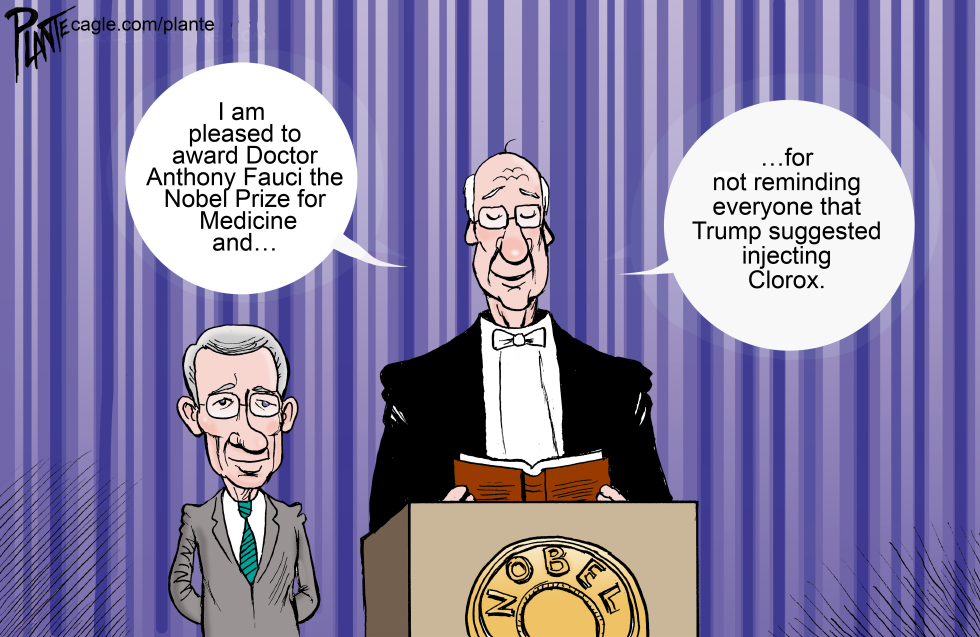
A Nobel Prize presentation for Dr. Anthony Fauci highlights his public health role during the COVID-19 period. The ceremony focuses on his contributions to medicine while avoiding reference to earlier statements from former President Trump about potential treatments. The moment underscores ongoing public debate over pandemic messaging and leadership accountability. The editorial position frames the award as recognition tied to selective memory rather than solely scientific achievement.
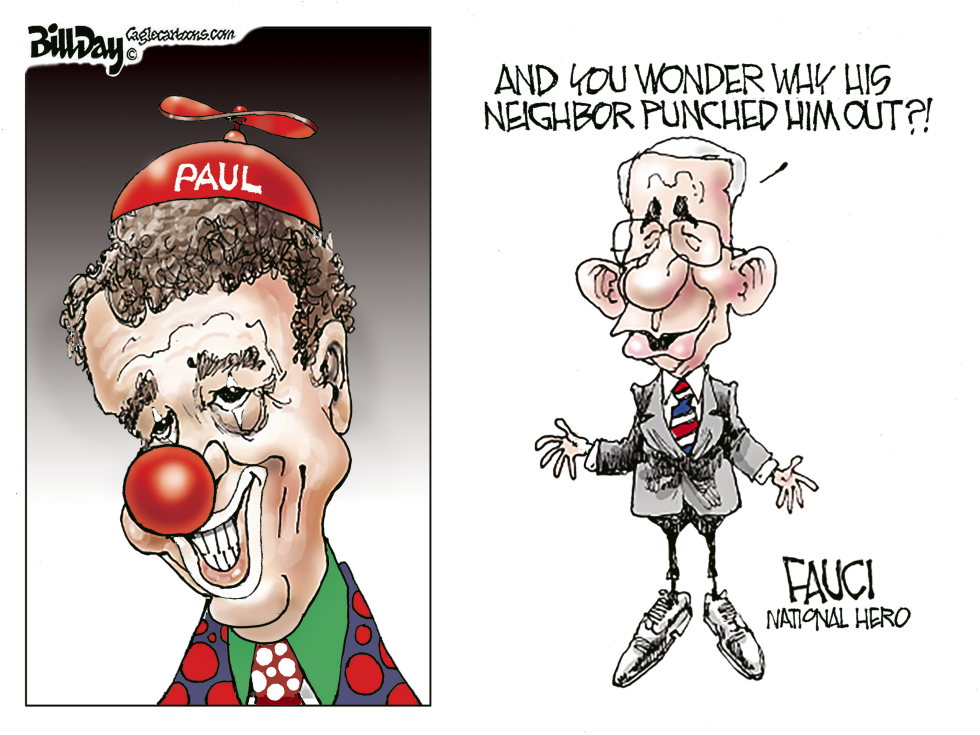
Senator Rand Paul and former NIAID director Anthony Fauci remain focal points in ongoing debates over public health policy and political rhetoric. The piece responds to persistent tensions around Fauci's public role and recent personal incidents involving confrontations. It frames Paul critically while elevating Fauci's standing. The editorial position underscores the contrast to critique attacks on health officials and defend their contributions during national crises.
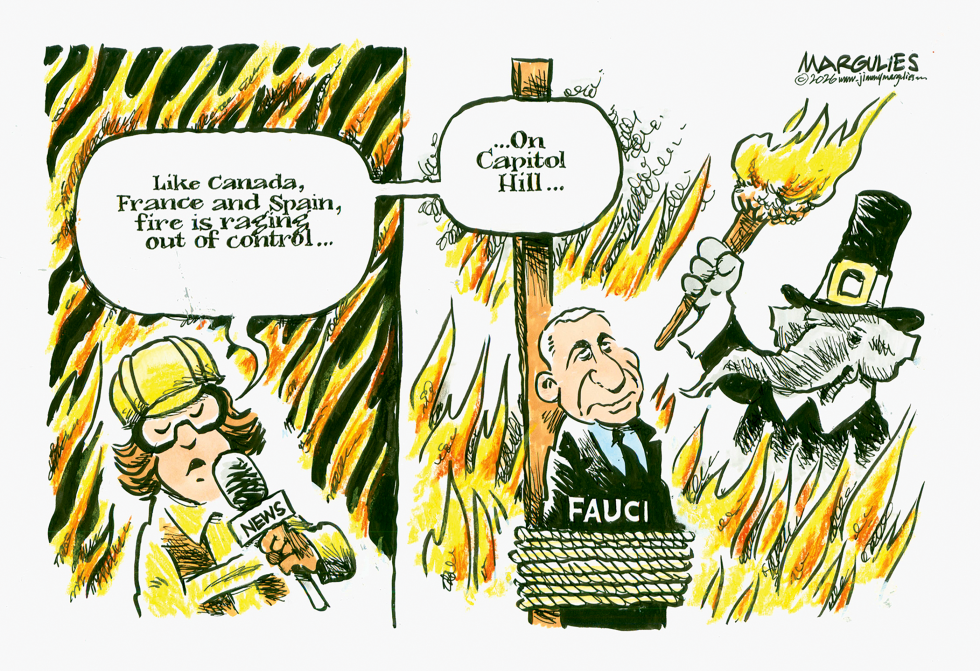
Anthony Fauci encountered renewed congressional pressure on Capitol Hill amid ongoing debates over public health decisions. Critics intensified attacks while supporters viewed the process as excessive. The piece portrays the scrutiny as an attempt to punish Fauci through symbolic means.
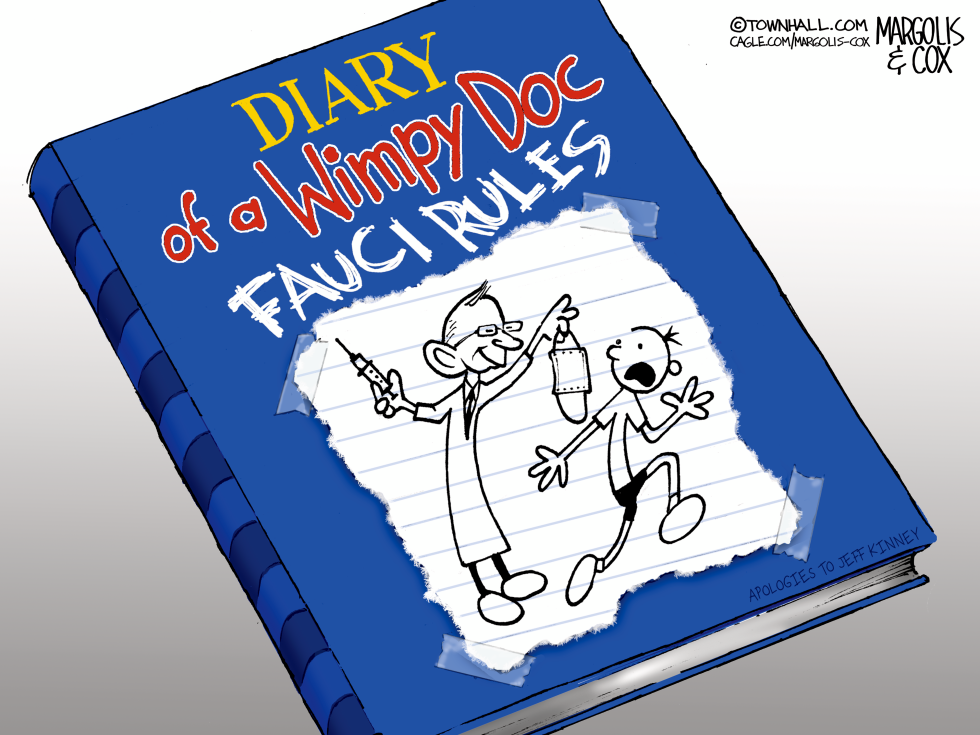
Public debate over vaccine recommendations from health officials continues amid shifting guidance and public skepticism. Anthony Fauci remains a central figure in discussions of pandemic response and mandates. The parody book cover uses the Diary of a Wimpy Kid format to highlight concerns about aggressive vaccine promotion to children. Critics argue such approaches overlook individual choice and long-term trust in institutions. The piece takes the position that Fauci's influence on policy warrants scrutiny through pointed visual commentary.
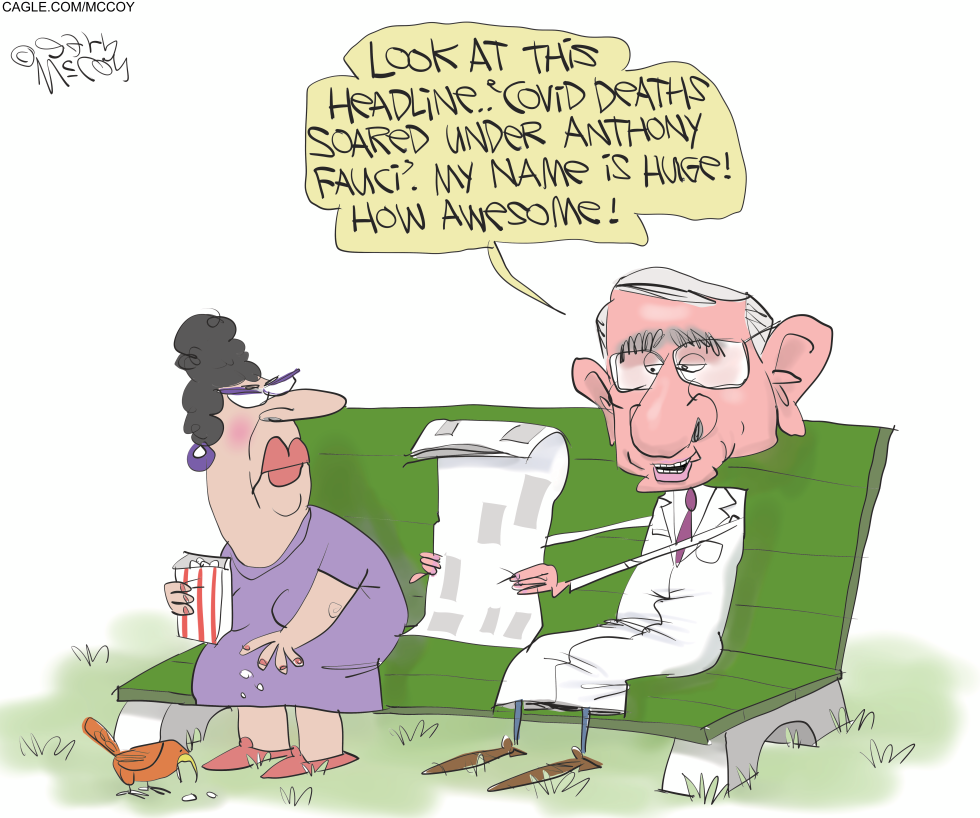
A newspaper headline reports COVID deaths rose under Anthony Fauci. The former health official reacts by celebrating the prominence of his own name in the story. The piece portrays this response as self-absorbed and detached from the human cost of the pandemic.
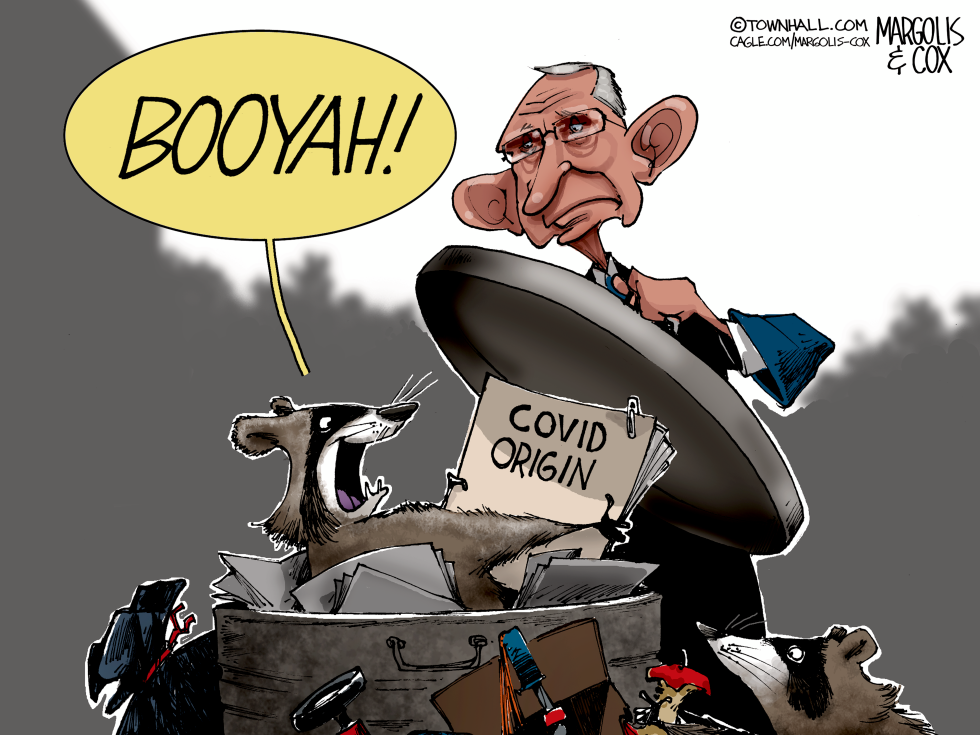
Dr. Anthony Fauci appeared before Congress on matters tied to prior public health leadership. Lawmakers pressed for details on past decisions. The editorial takes the position that such testimony demands full transparency regardless of prior status.