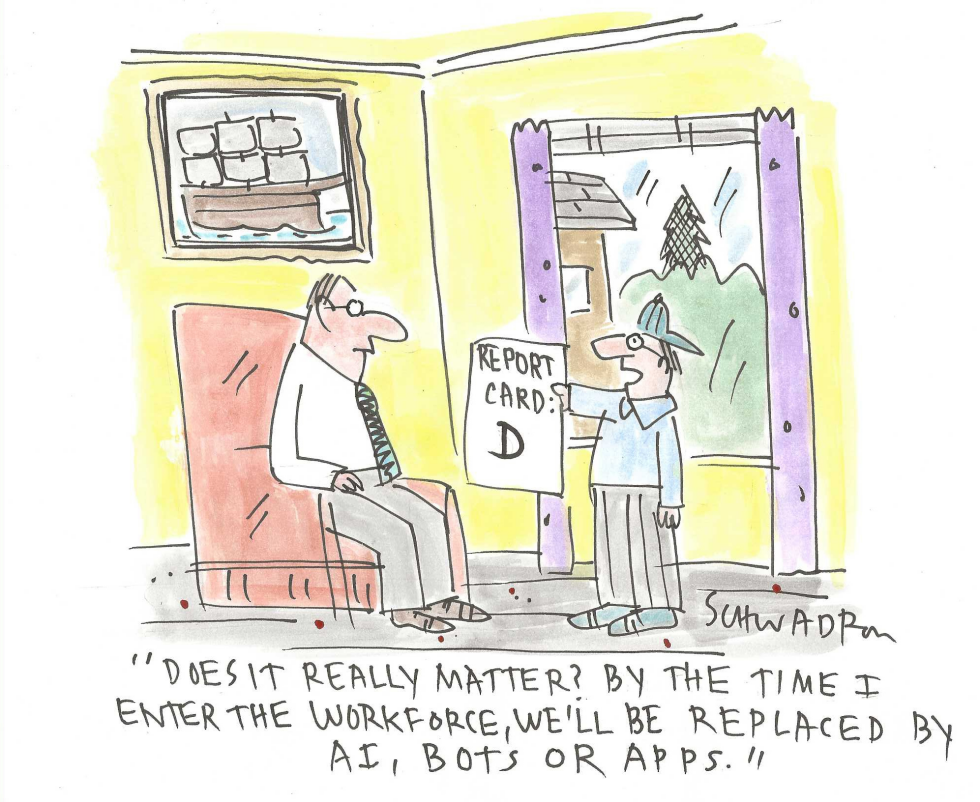
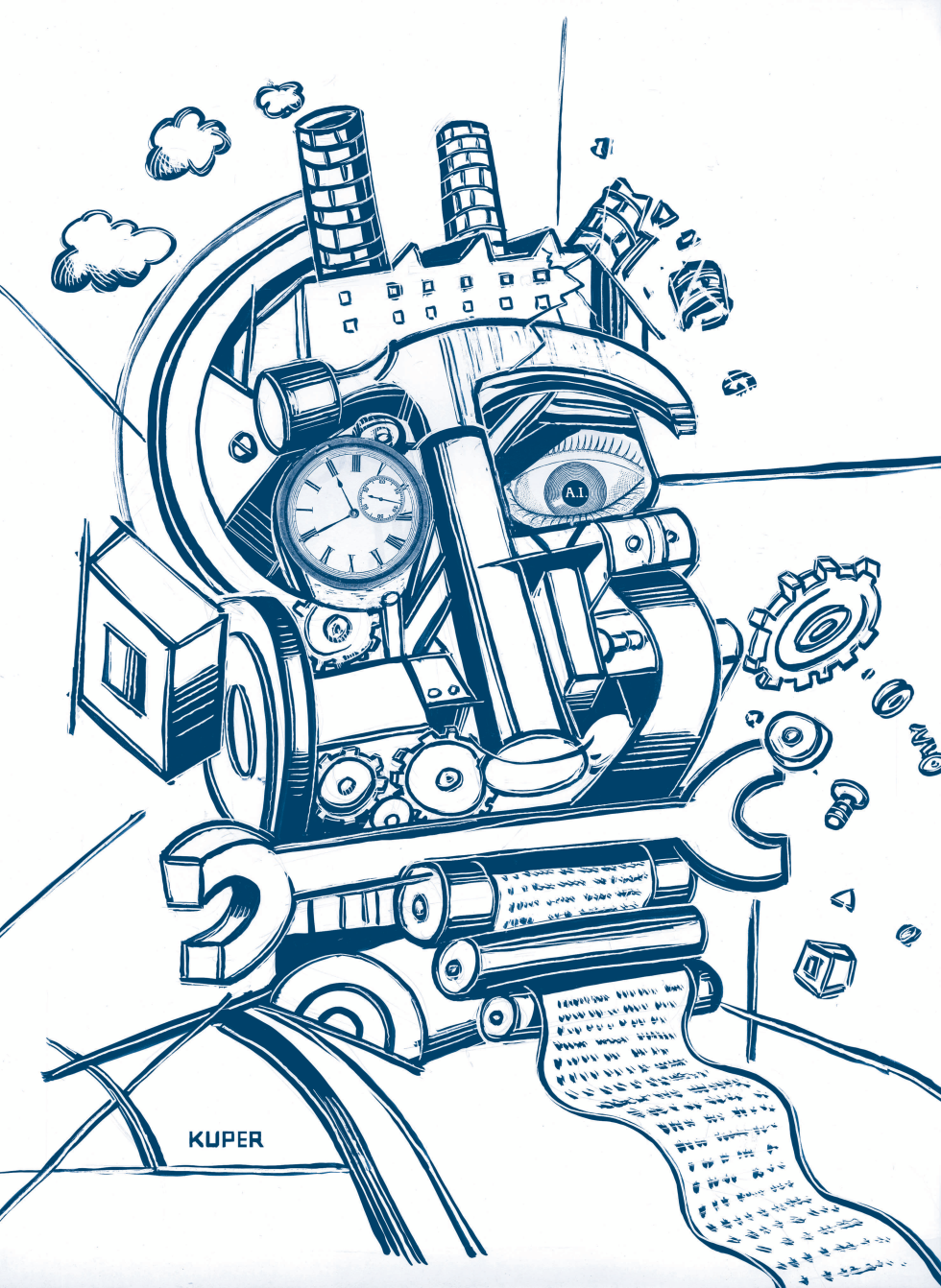
Rising student skepticism about academic effort stems from widespread predictions that AI and automation will eliminate many jobs before today's students graduate. The cartoon responds to this dynamic by showing a student using those forecasts to shrug off a poor grade. It highlights how fears of technological displacement may undermine motivation in schools. The piece suggests such excuses reflect a broader cultural shift where traditional education credentials appear less relevant. The editorial stance questions whether this mindset accelerates the very problems it cites.
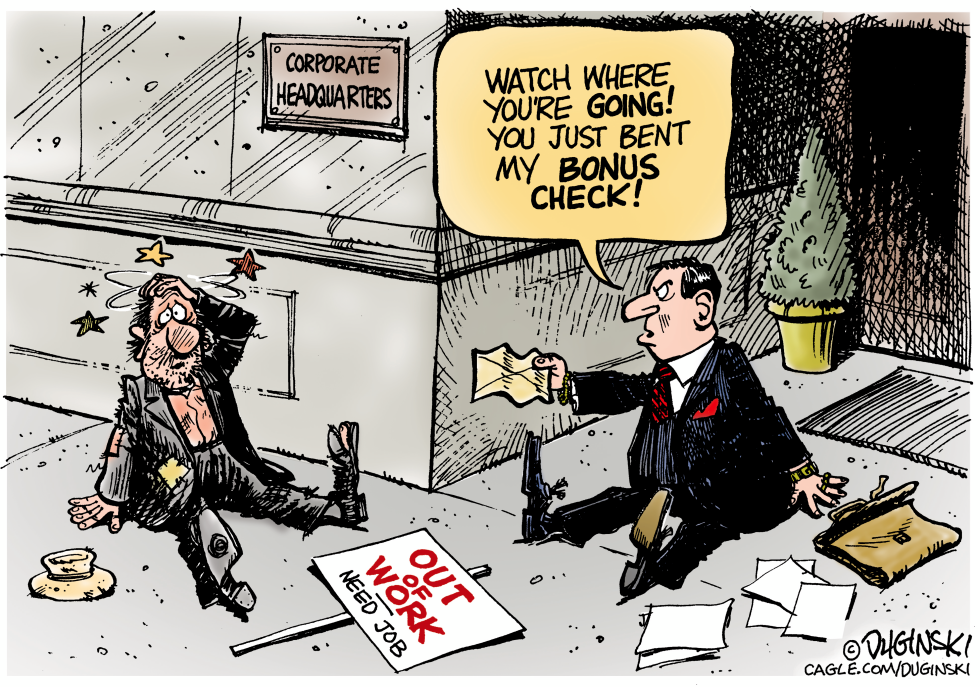
Corporate executives continue to receive large bonuses even as layoffs persist across sectors. The piece responds to ongoing debates over executive compensation packages during periods of workforce reduction. It takes the position that such bonuses appear disconnected from the realities facing displaced employees.
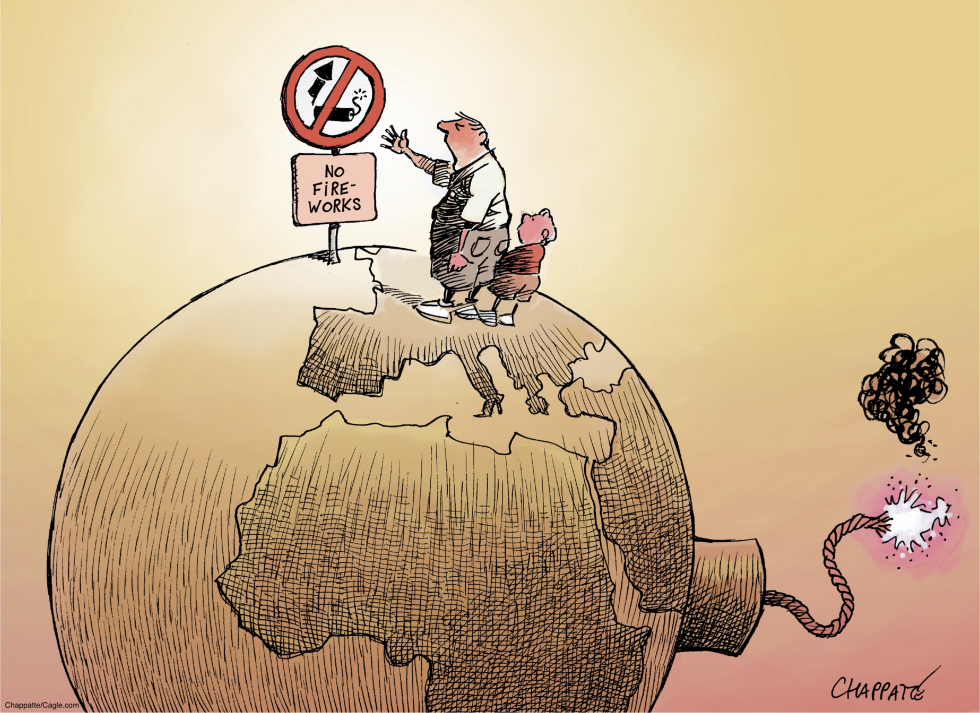
Global leaders continue to dismiss repeated scientific warnings about accelerating climate impacts even as extreme weather events intensify worldwide. The ongoing failure to curb emissions and adopt binding reductions leaves future generations exposed to rising temperatures, sea levels, and resource conflicts. The editorial argues that such willful disregard of clear danger signs amounts to reckless endangerment of the planet itself.
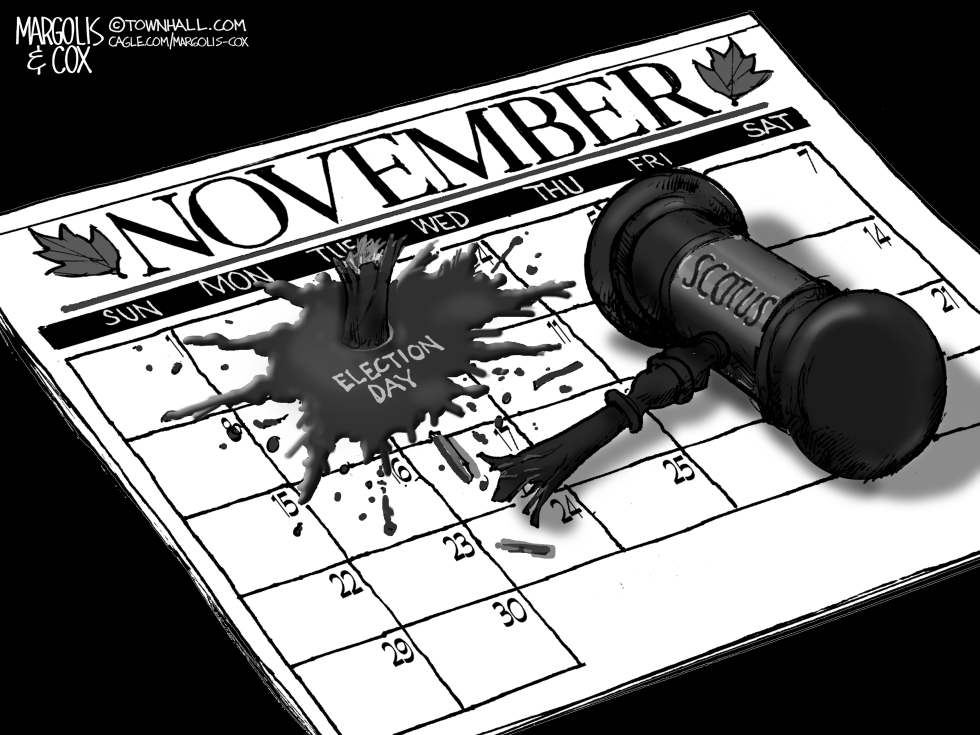
A gavel marked SCOTUS rests on a November calendar page where the Election Day label has been struck amid ink splatter and scattered date fragments. The image shows the gavel positioned over the grid with visible days and dates around the impact area.
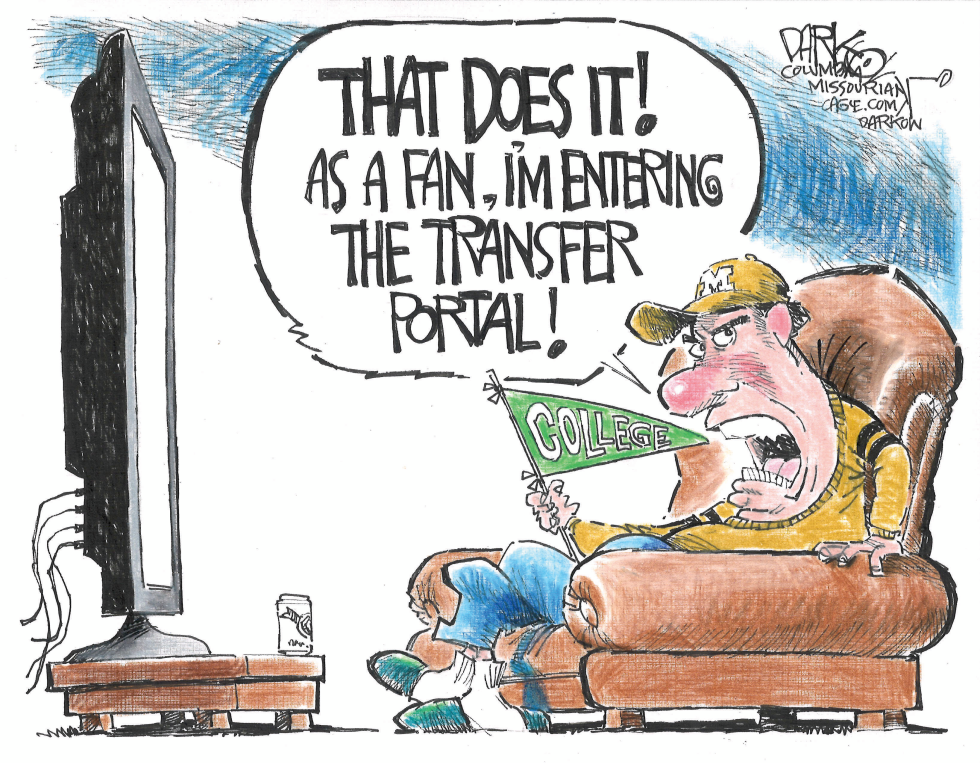
A college sports fan in a recliner erupts in anger at his television and announces he is entering the transfer portal. The scene reflects ongoing frustration with player movement, NIL compensation, and shifting team loyalties in NCAA football and basketball during the 2025 season. The cartoon highlights how these changes affect even dedicated supporters who once valued school allegiance.
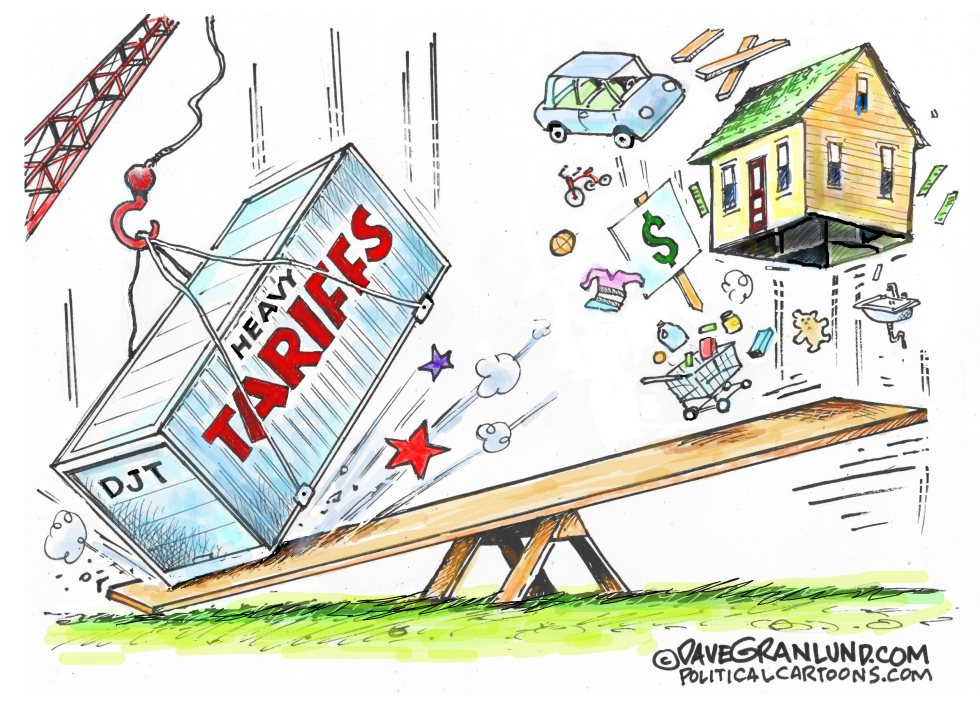
The cartoon depicts a seesaw with a heavy tariffs crate marked DJT on the descending side. Everyday goods including vehicles and homes fly upward on the opposite end. This illustrates how tariffs increase costs for middle income households and farmers in 2025.