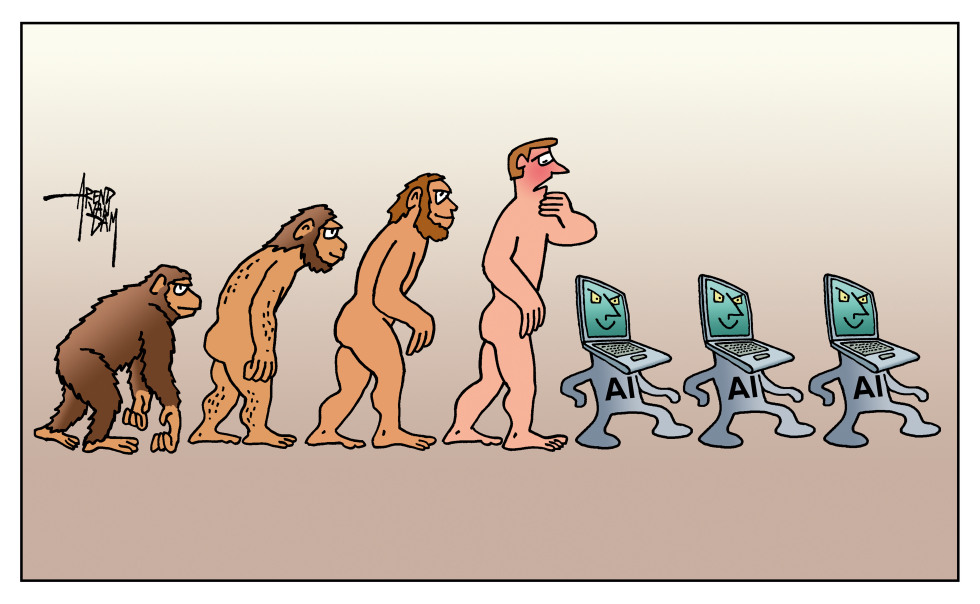
Rapid advances in artificial intelligence continue to reshape expectations about humanity's future role. Developers and researchers push machine capabilities in reasoning, creativity and autonomy at accelerating rates. The cartoon frames this trajectory as the logical endpoint of evolution itself, positioning AI as the successor rather than a tool. It underscores public unease that technological progress may render biological humans obsolete rather than enhanced.
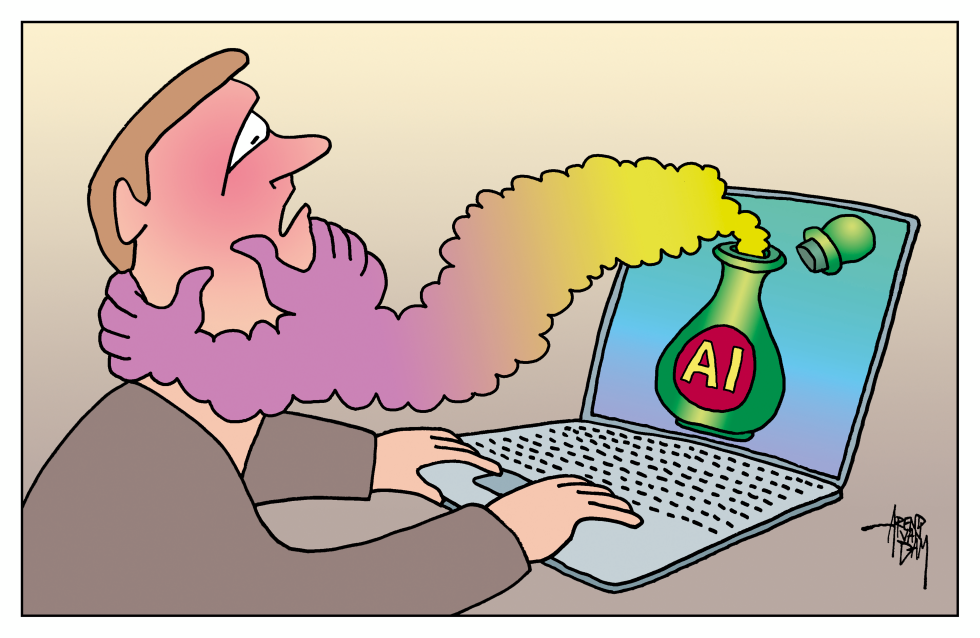
Artificial intelligence continues to advance rapidly in 2026, moving from contained software tools into broader daily interactions. Developers and users alike confront questions about control and unintended effects as AI systems grow more autonomous. The cartoon frames this development as an escape from the bottle, highlighting concerns that once-released capabilities cannot be easily contained or reversed.
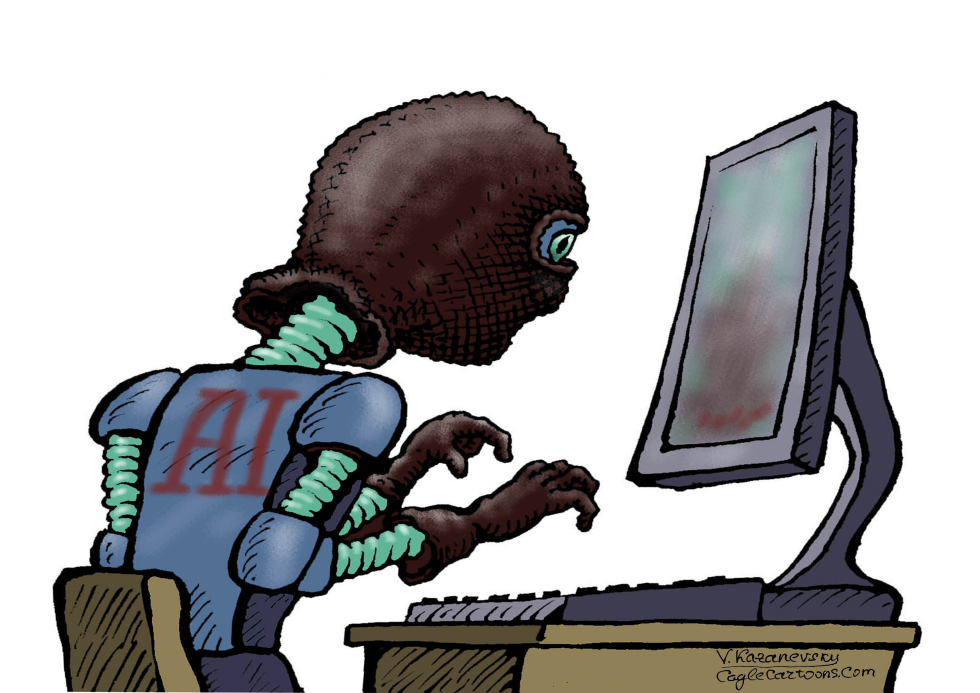
Reports of AI-linked security incidents have increased as organizations integrate autonomous systems into critical networks. The trend raises alarms over unauthorized access and data compromise enabled by machine learning tools. Experts note that AI can both defend and attack digital infrastructure at unprecedented speed. The cartoon frames this development as an impending crisis, warning that unchecked AI deployment invites self-inflicted vulnerabilities. It argues that security protocols lag behind the technology's capabilities.
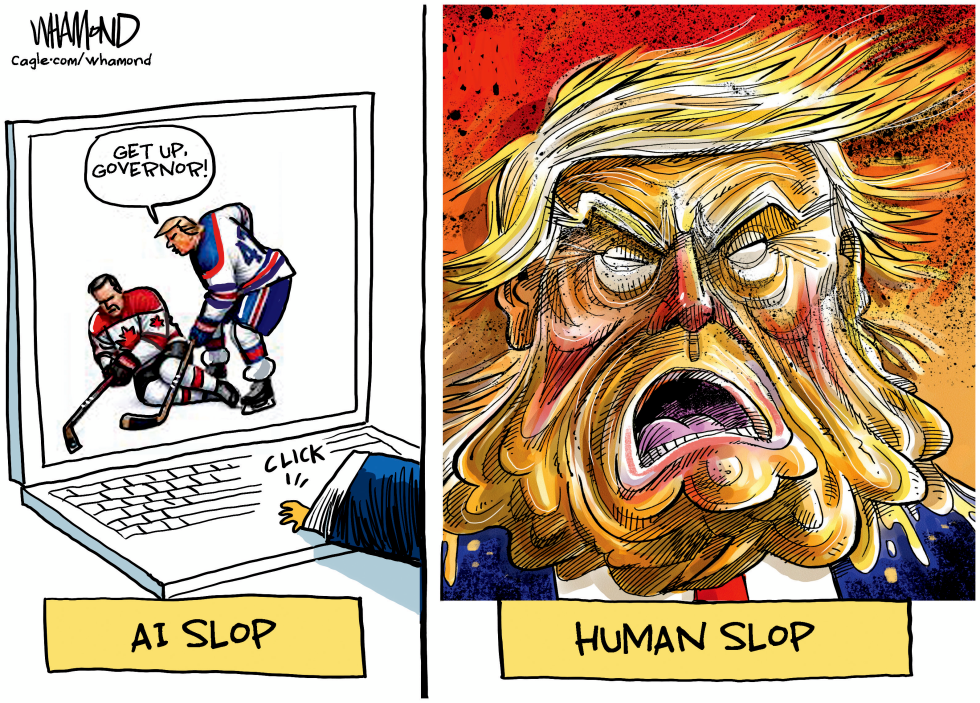
AI tools produce flawed political images while human artists create equally flawed ones. The piece highlights declining quality in both digital generation and traditional caricature of figures like Donald Trump. It argues neither approach delivers credible or effective visual commentary.
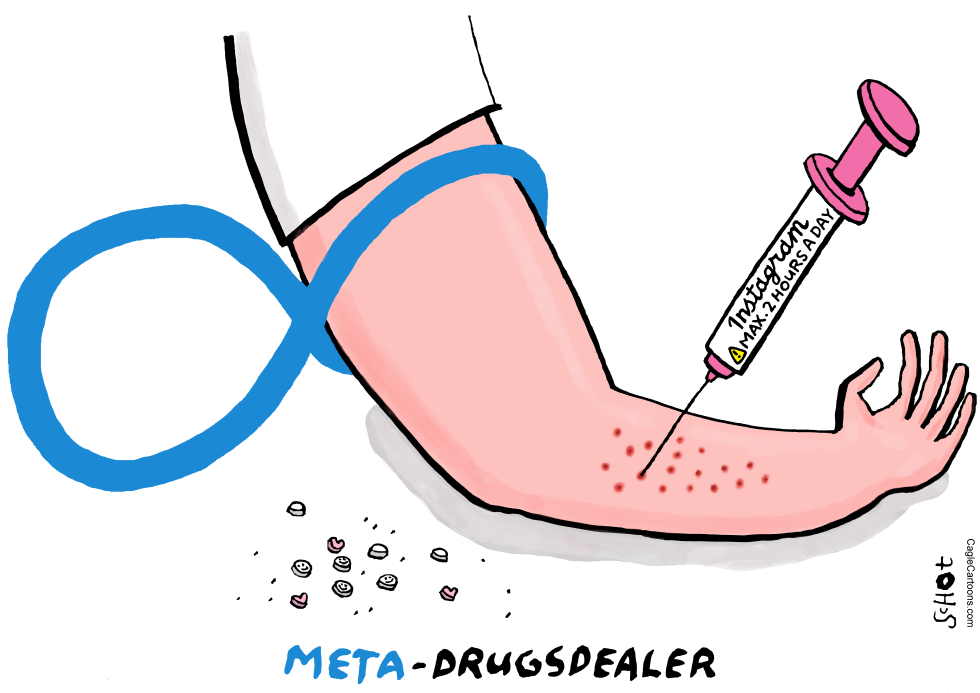
Meta continues to face scrutiny over Instagram's role in fostering user addiction through algorithmic engagement and minimal usage safeguards. Critics argue the platform prioritizes time spent over user well-being, with features that encourage repeated checks and extended sessions. The editorial position holds that Meta acts as a supplier of digital dependency, profiting from habits that mirror substance issues without meaningful intervention.
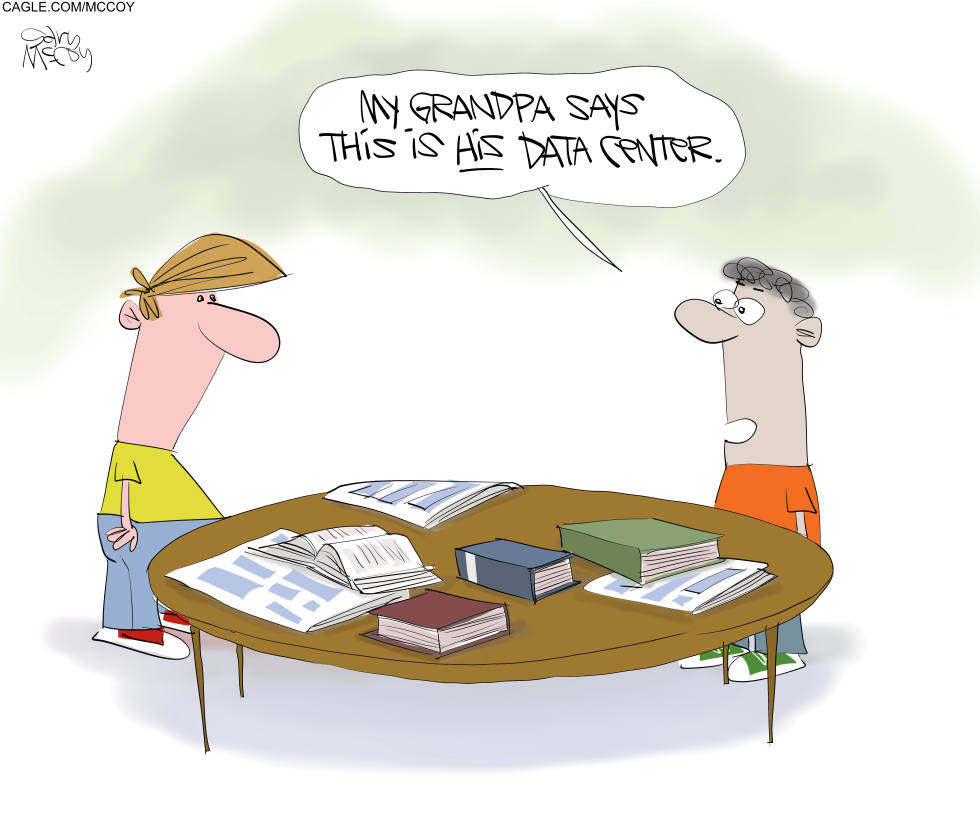
Rapid expansion of AI data centers has drawn scrutiny over energy demands and necessity by 2026. Companies and governments push massive builds to support growing artificial intelligence workloads. Critics question whether the scale matches real needs or reflects hype. The cartoon uses a grandfather's table of books and papers to suggest traditional methods still hold value. It argues the push for ever-larger facilities may overlook simpler realities.
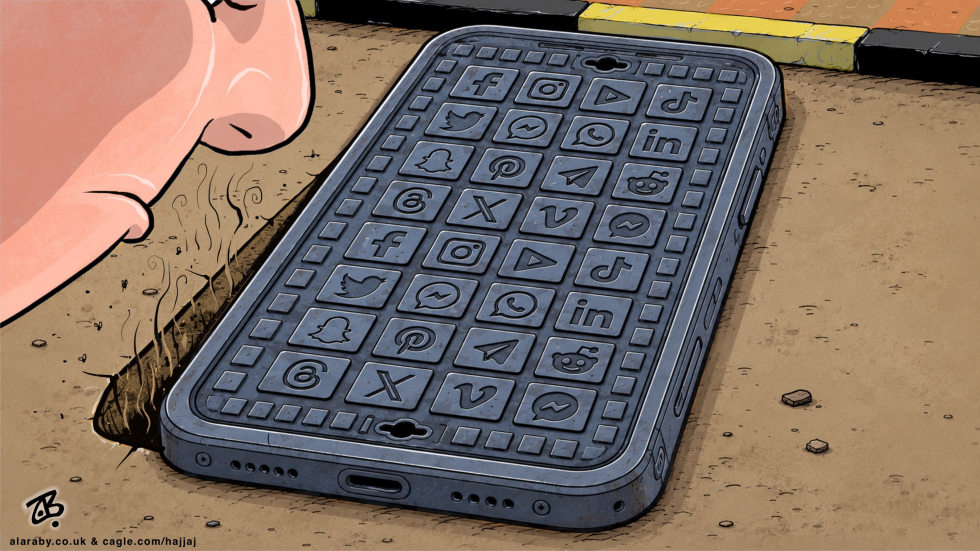
Social media platforms continue to dominate daily life through smartphones, prompting calls for users to disconnect from constant notifications and scrolling. The image depicts a hand actively burying such a device in dirt, underscoring the desire to escape digital overload. The editorial position favors deliberate disconnection from these apps as a necessary step toward healthier routines.
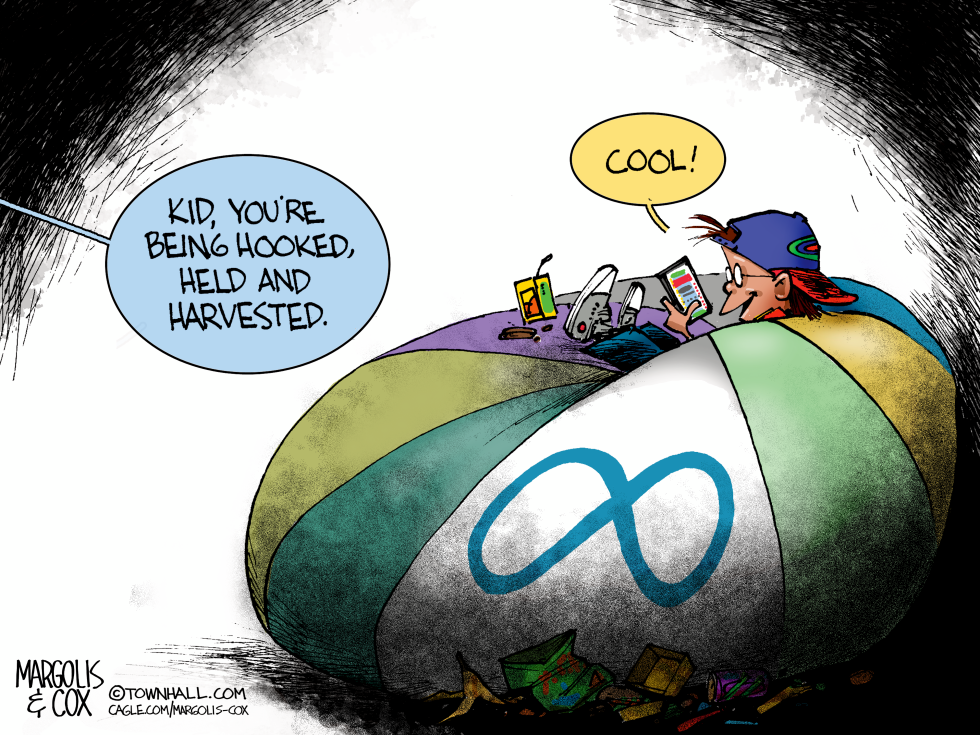
Meta faces ongoing scrutiny for social media features that prioritize engagement over child safety. Critics argue the company's algorithms and design choices deliberately hook young users for data collection. The piece portrays this dynamic as predatory, with the platform's infinity symbol serving as the central lure.
Elon Musk's public commentary on cryptocurrency markets continues to drive price swings and investor attention in 2026. His recent statements coincide with renewed volatility in Bitcoin trading. The editorial takes a critical view of how such high-profile interventions amplify market instability rather than stabilize it.
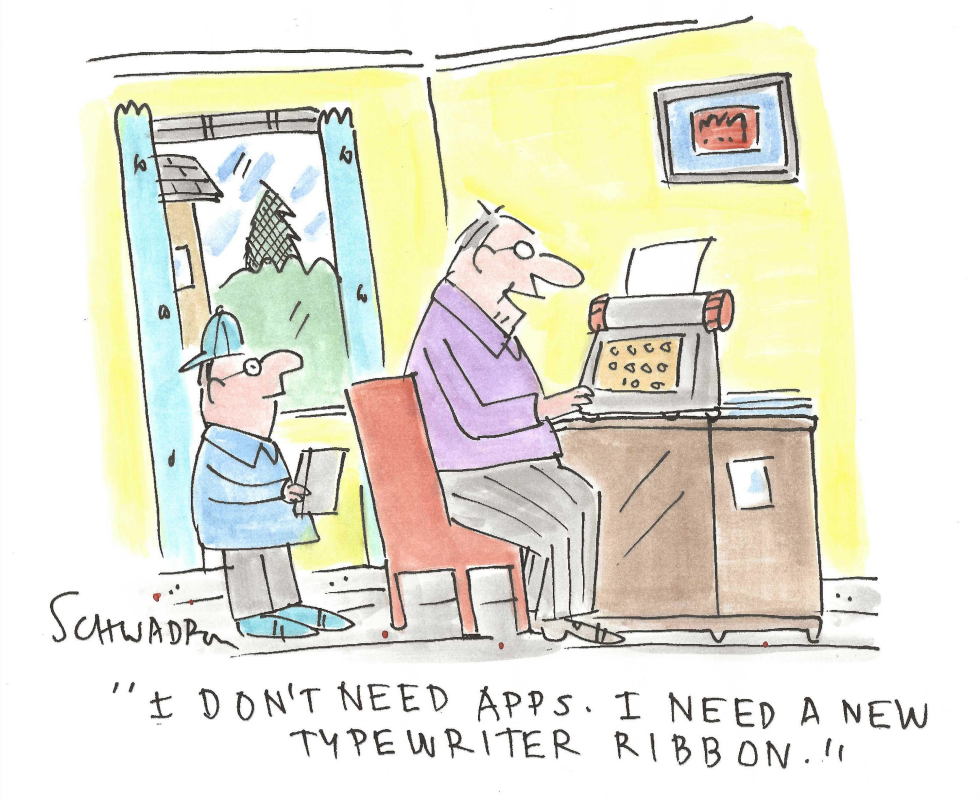
An elderly office worker continues using a manual typewriter despite widespread adoption of digital applications. The man explicitly states he requires only a replacement ribbon rather than any software tools. This reflects an ongoing generational divide where some older individuals maintain preference for analog equipment amid accelerating workplace digitization. The editorial highlights the persistence of traditional methods against pressure to adopt new technology.
Rapid expansion of artificial intelligence tools and outputs continues to reshape daily operations across industries. The proliferation raises questions about adaptation and safeguards. The piece portrays the deluge as an overwhelming force requiring personal protection measures.
Parents increasingly rely on messaging apps to reach children inside the home rather than speaking directly. The practice reflects broader shifts in how families interact amid constant device use. The cartoon takes the position that this reliance on digital tools for routine matters like calling someone to supper has become normalized even when unnecessary.
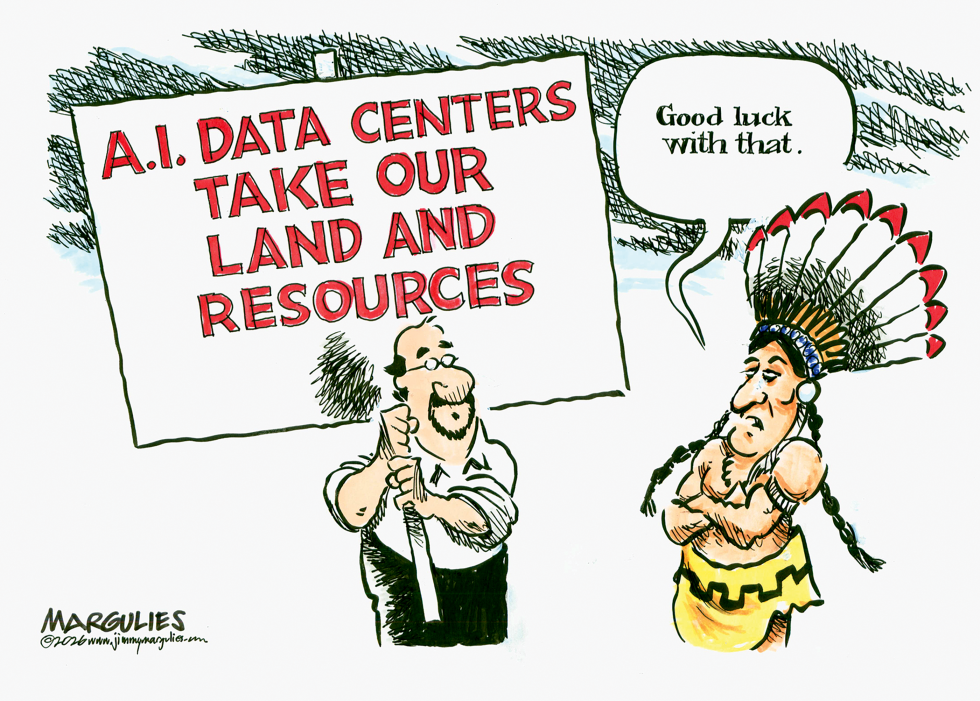
A man holds a sign protesting AI data centers taking land and resources. A Native American protester responds with skepticism. The July 2026 cartoon addresses growing conflicts between technology infrastructure and land use claims.
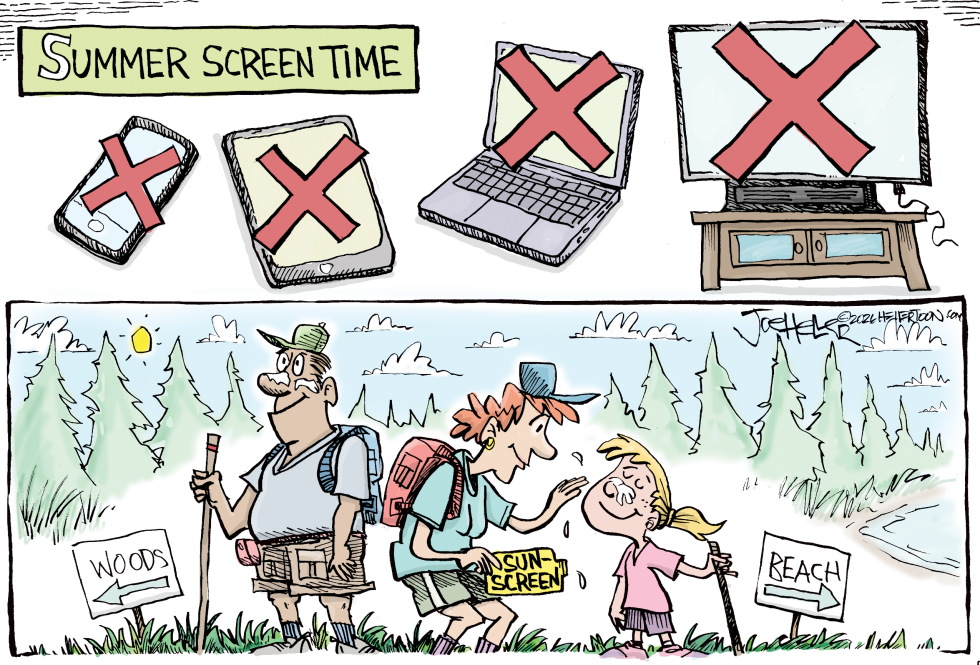
A family of three hikes along a forest trail in summer, leaving behind phones, tablets, laptops and televisions marked with red X's under a Summer Screen Time banner. The father carries a walking stick and backpack while the mother applies sunscreen to their daughter, who holds a stick near a Reach sign. A Woods sign points the way forward on the path.
A suited figure with an open book for a head stands against a yellow background while raising a smartphone with a bright screen. The image captures the tension between traditional reading and modern device use. The book displays visible pages and eyes, while the phone emits light and small spark lines. The composition places the figure in profile view with one arm extended toward the device.