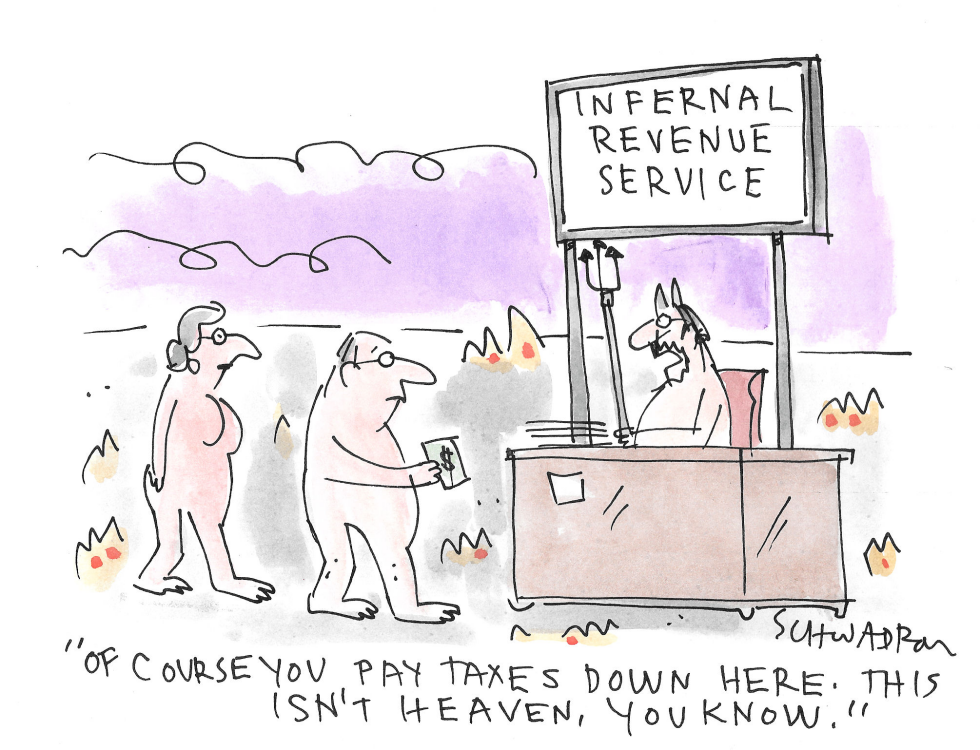
The long-standing adage that only death and taxes are certain receives fresh treatment in a cartoon depicting an IRS outpost operating in hell. No specific policy change or ruling prompted the piece, which instead plays on the enduring public frustration with tax collection as an inescapable force. The editorial stance pokes at bureaucratic persistence, suggesting the tax man follows citizens beyond the grave with the same relentless efficiency seen in life.
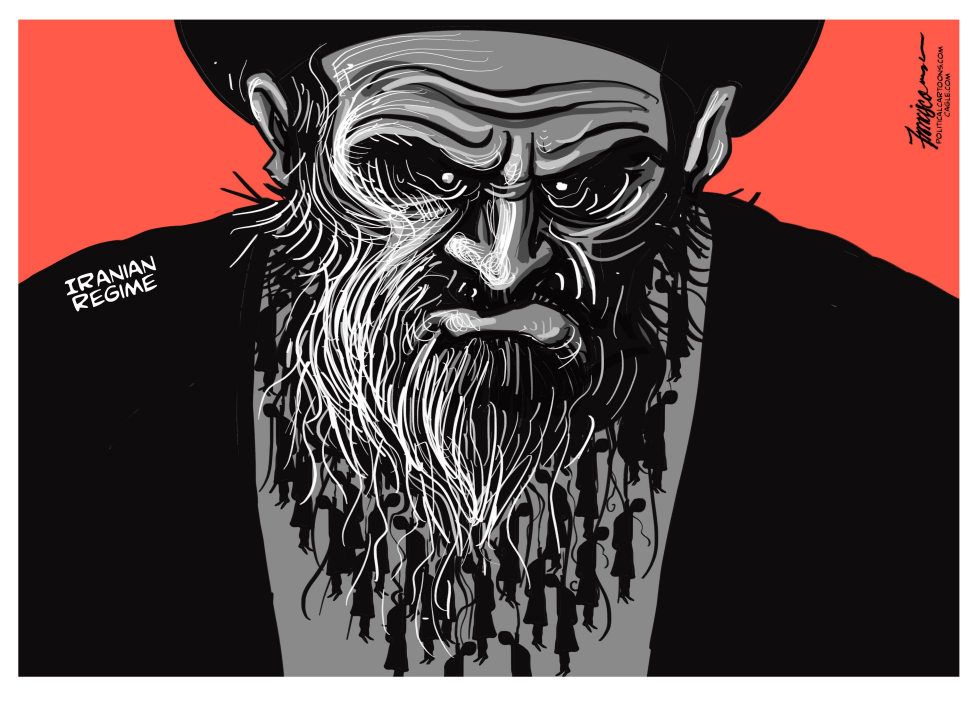
Iran continues to carry out executions at a high rate, targeting protesters, dissidents and minorities under the authority of Supreme Leader Ayatollah Ali Khamenei. The practice has drawn renewed criticism from human rights groups and Western governments concerned about due process and political repression. The cartoon frames the regime itself as the direct agent of these deaths, underscoring the leadership's personal responsibility for the ongoing campaign of hangings.
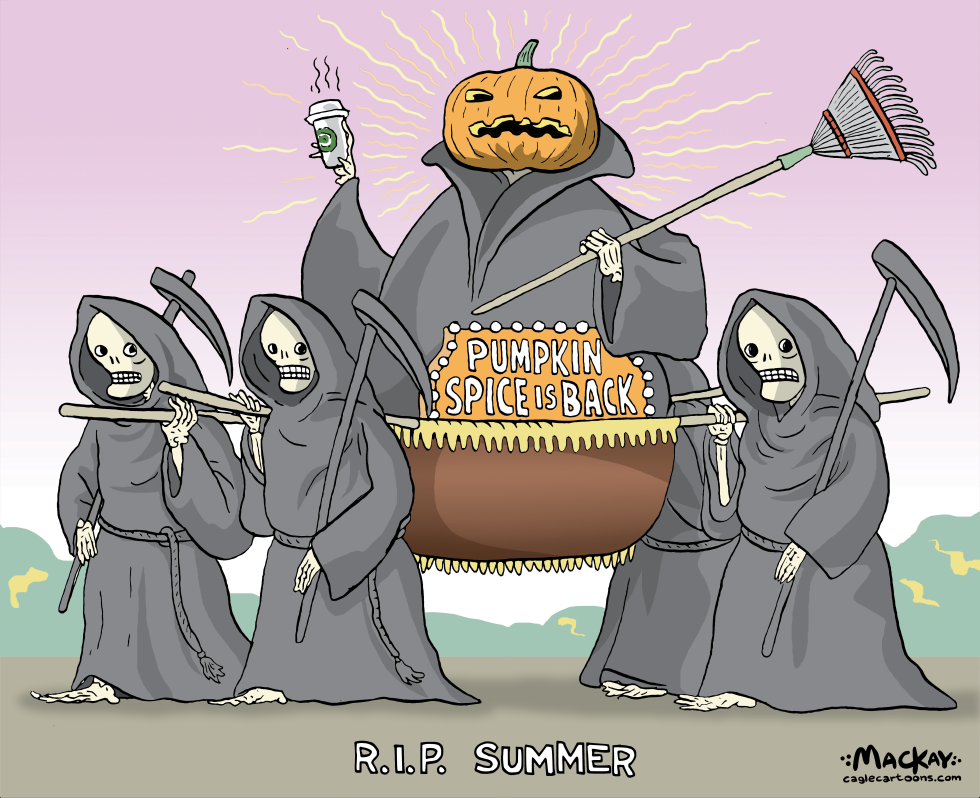
The cartoon shows a large pumpkin-headed figure in a gray robe leading smaller grim reapers who carry a banner reading Pumpkin Spice Is Back. The group marches under a pink sky with the large figure holding a rake and a PSL coffee cup. Text at the bottom reads R.I.P. Summer. Published on September 4 2026 the image marks the annual shift from summer to fall. It uses the grim reaper motif to humorously depict the death of summer and the arrival of pumpkin spice products. The visual plays on the well-known seasonal marketing push for fall flavors in coffee and other goods.
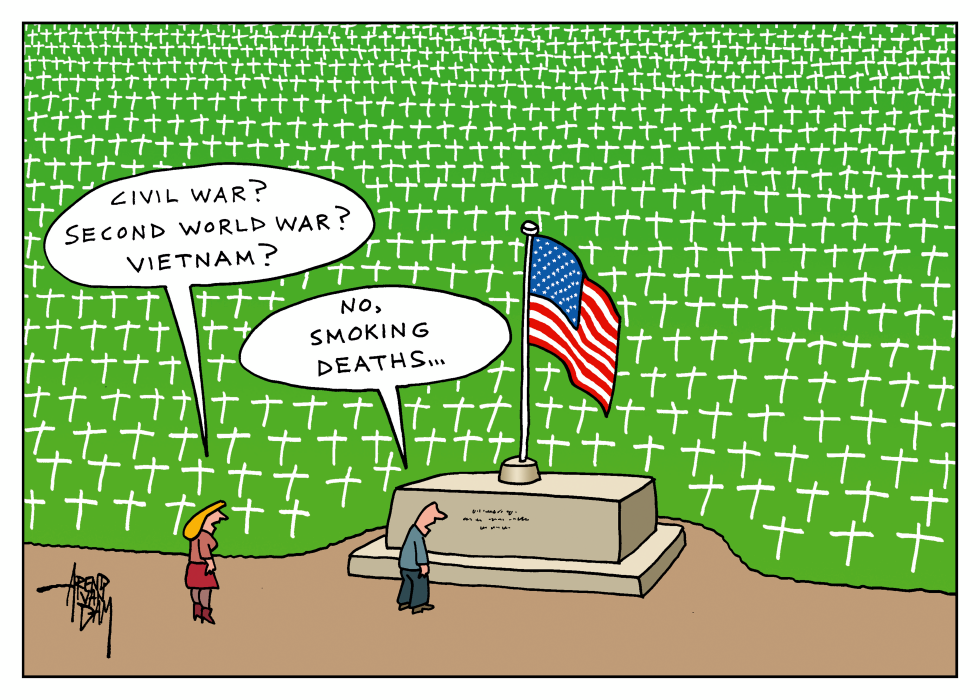
Tobacco-related deaths in the United States continue to surpass combined fatalities from major 20th-century conflicts. The piece uses a veterans cemetery motif to underscore that ongoing public health crisis and argues for greater recognition of smoking as a leading cause of preventable mortality.
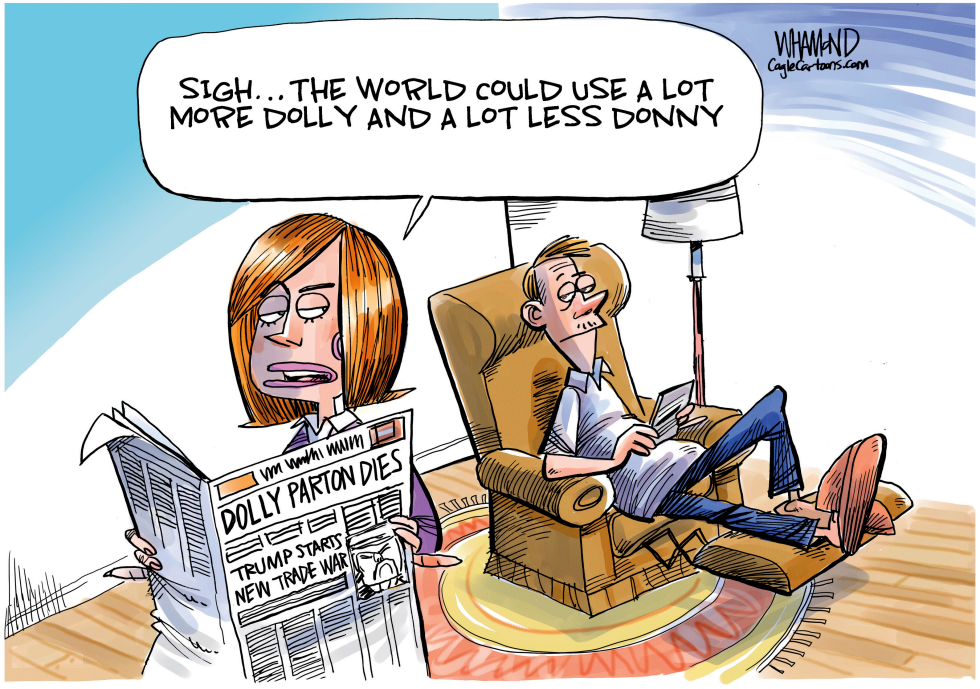
Donald Trump initiated a new trade war, coinciding with the reported death of Dolly Parton. The development drew public reactions contrasting the entertainer's legacy with the president's economic policies. The piece portrays a citizen preferring more of Parton's influence and less of Trump's.
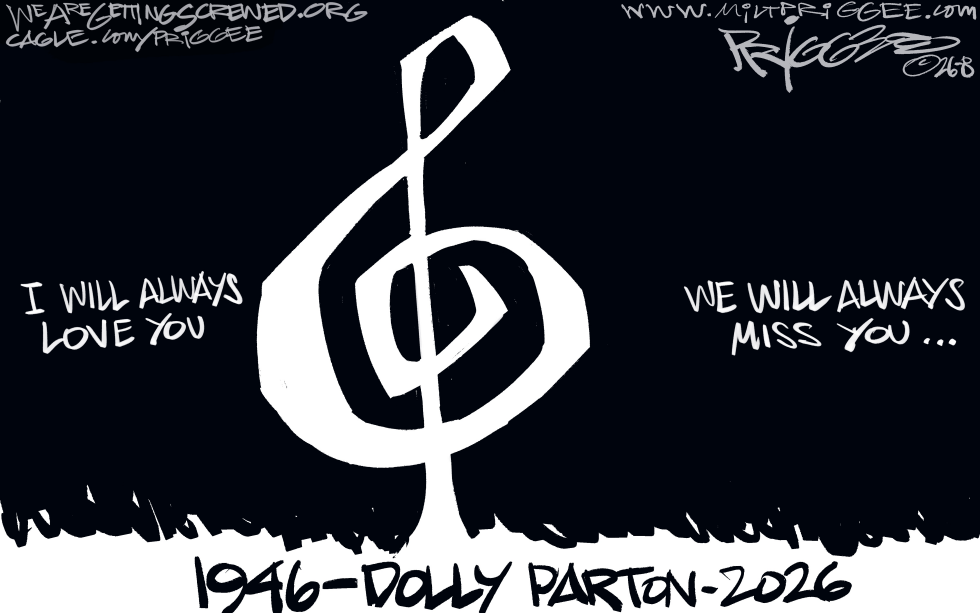
Dolly Parton passed away in 2026 at age 80. Fans and the music industry mourn the loss of a country music icon whose songs reached global audiences. The tribute adapts her signature ballad to mark the occasion. The piece frames her death as the end of an era in American popular music.
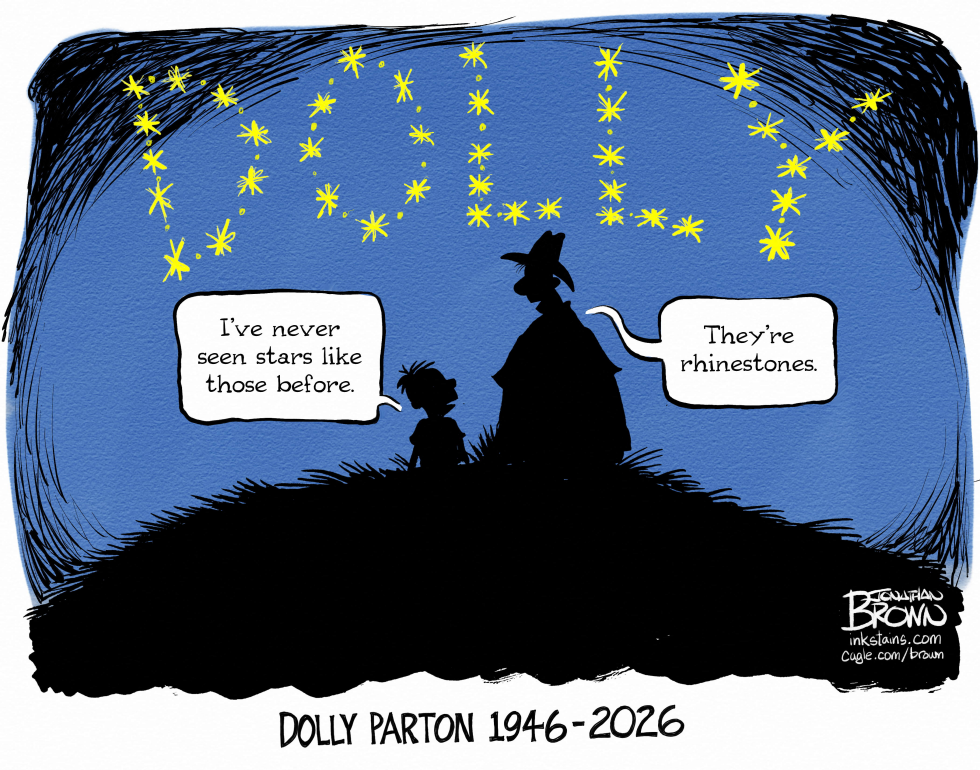
Dolly Parton passed away in 2026 at age 80. Fans and the public mourned the loss of the country music legend known for her rhinestone outfits and charitable work. The tribute highlights her enduring sparkle and cultural impact through a celestial memorial image. The piece positions her legacy as one of warmth, generosity, and unmistakable glamour that continues to shine.
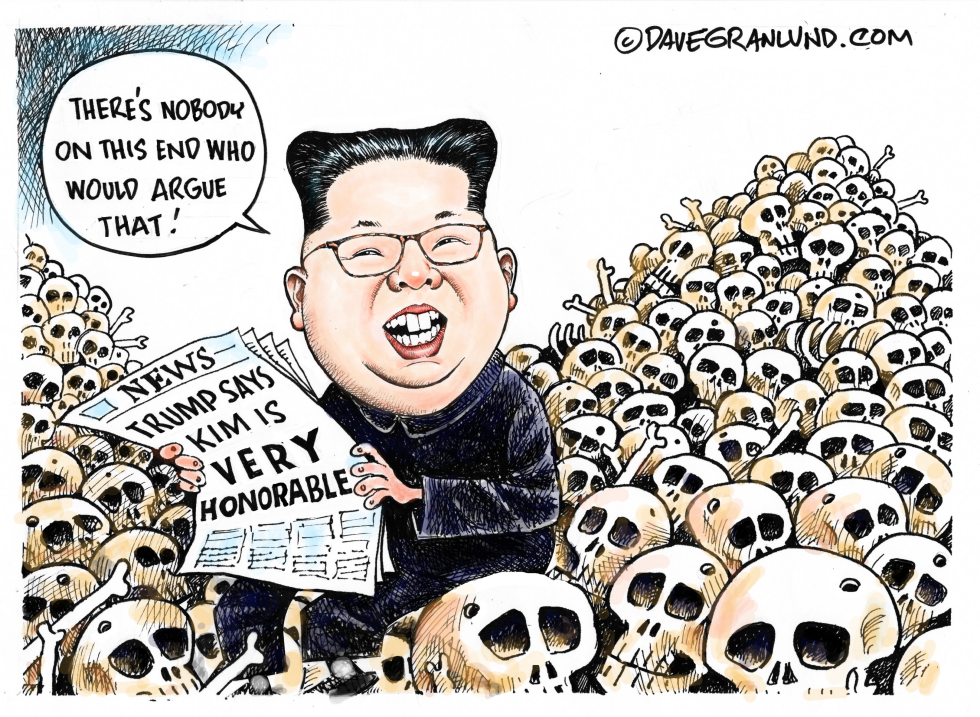
Donald Trump publicly described North Korean leader Kim Jong-un as very honorable. The remark revives questions about U.S. engagement with a regime long accused of severe human rights abuses and internal purges. Critics argue such language undercuts pressure on Pyongyang and signals weakness to allies. Supporters see it as pragmatic diplomacy aimed at reducing nuclear risks. The statement fits a pattern of personal assessments of foreign leaders that have drawn both support and condemnation depending on the political side. The editorial position holds that the praise ignores the human cost inside North Korea and weakens the moral standing of U.S. foreign policy.
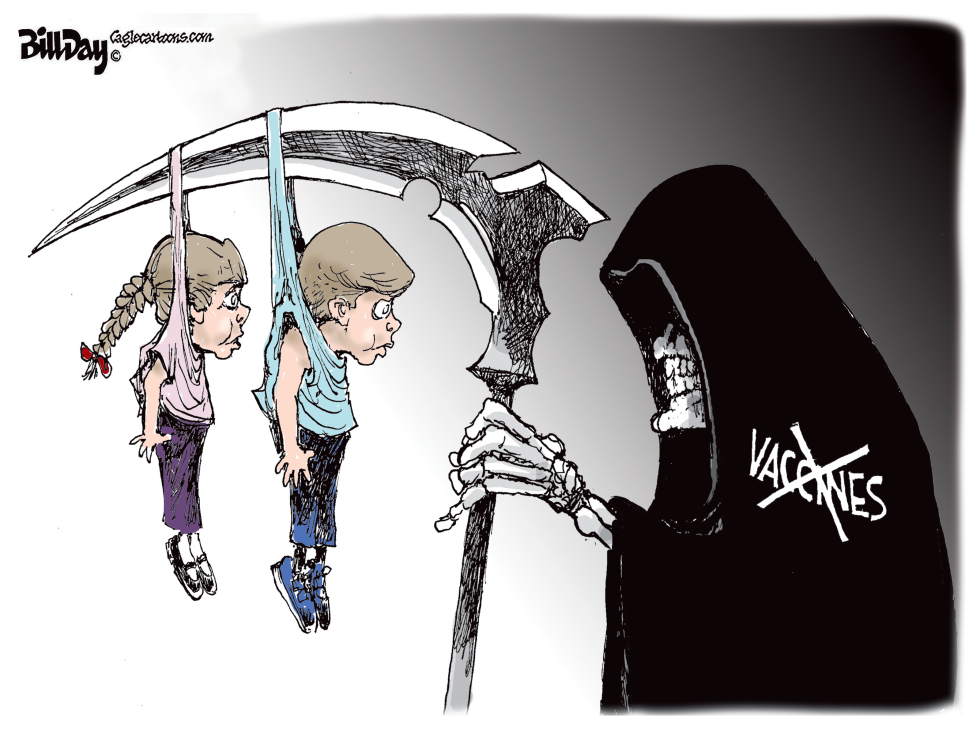
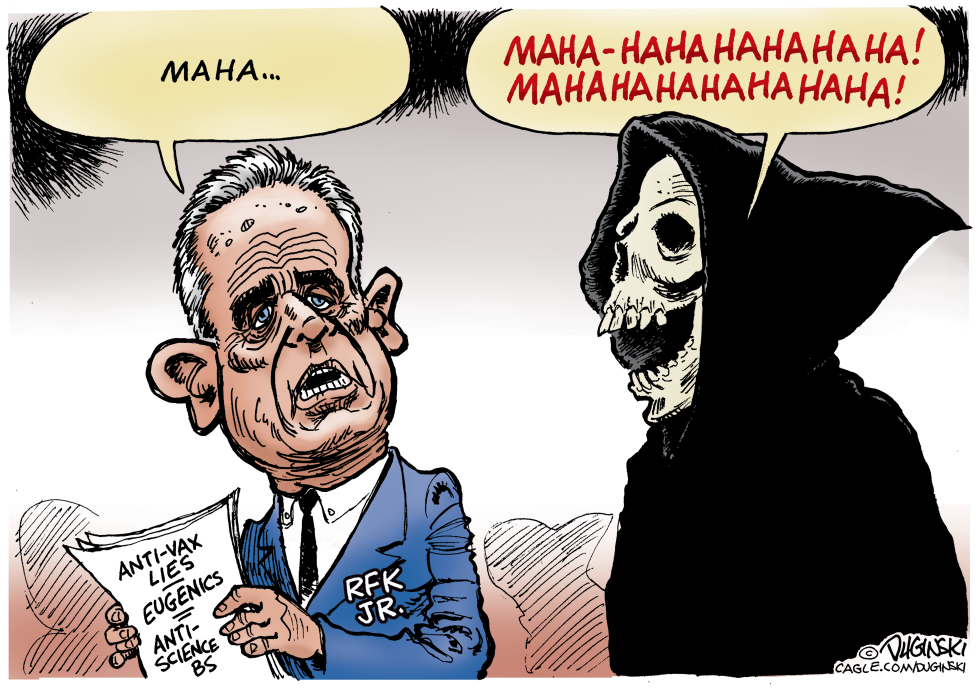
Opposition to routine childhood vaccines continues to surface in public discourse as health officials promote immunization schedules. The debate centers on parental choice versus community protection from preventable diseases. The editorial takes the position that rejecting vaccines endangers children and aligns such views with mortality risks.
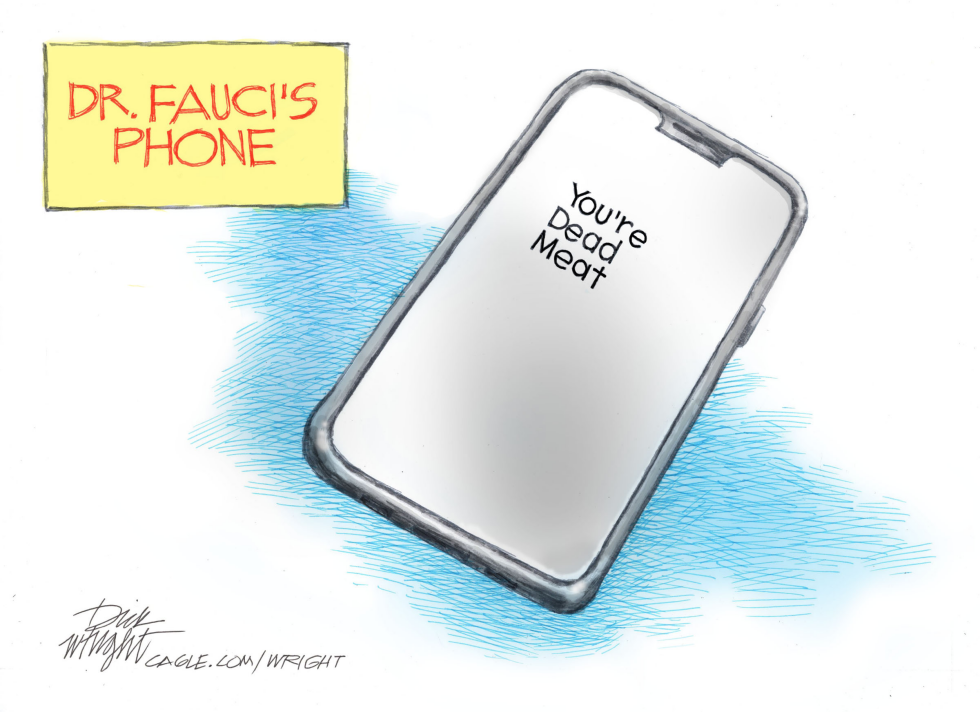
A death threat surfaces on a phone identified as belonging to Dr. Anthony Fauci. The incident underscores persistent security risks faced by high-profile public health figures. Such threats reflect broader tensions over pandemic-era decisions and erode trust in institutions. The piece highlights the personal danger these messages pose and criticizes the climate that encourages them.
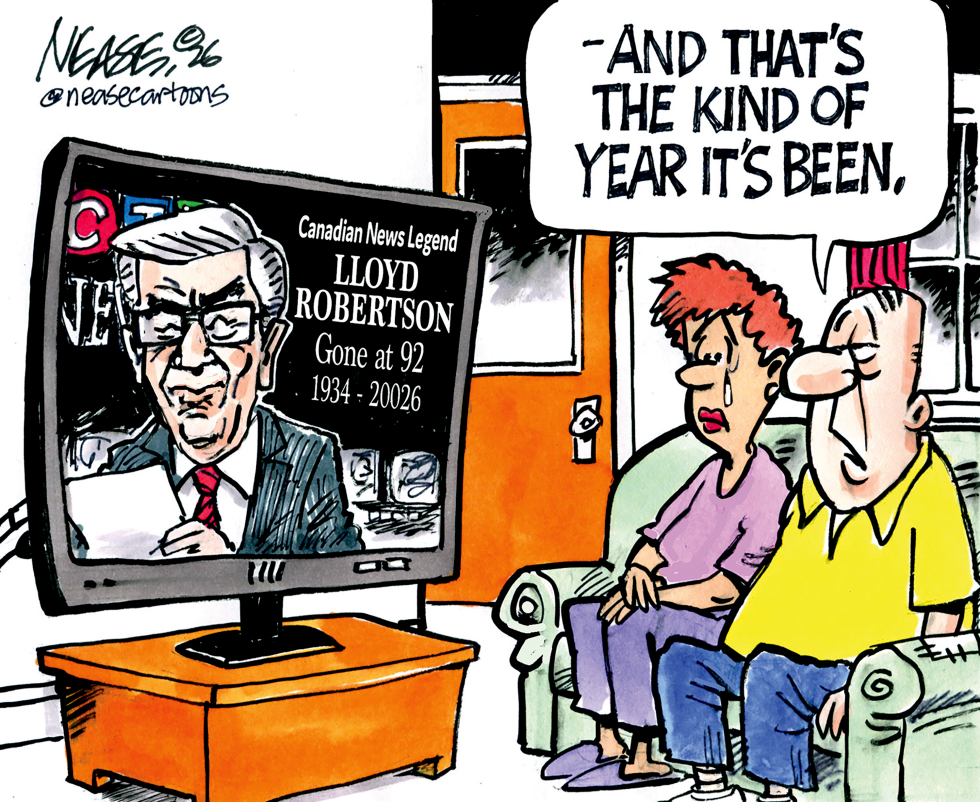
Canadian broadcasting icon Lloyd Robertson died in 2026 at age 92 after a long career as a news anchor. The announcement prompted widespread reflection on a year filled with notable passings and challenges. The editorial takes the position that such losses underscore the cumulative weight of difficult events.
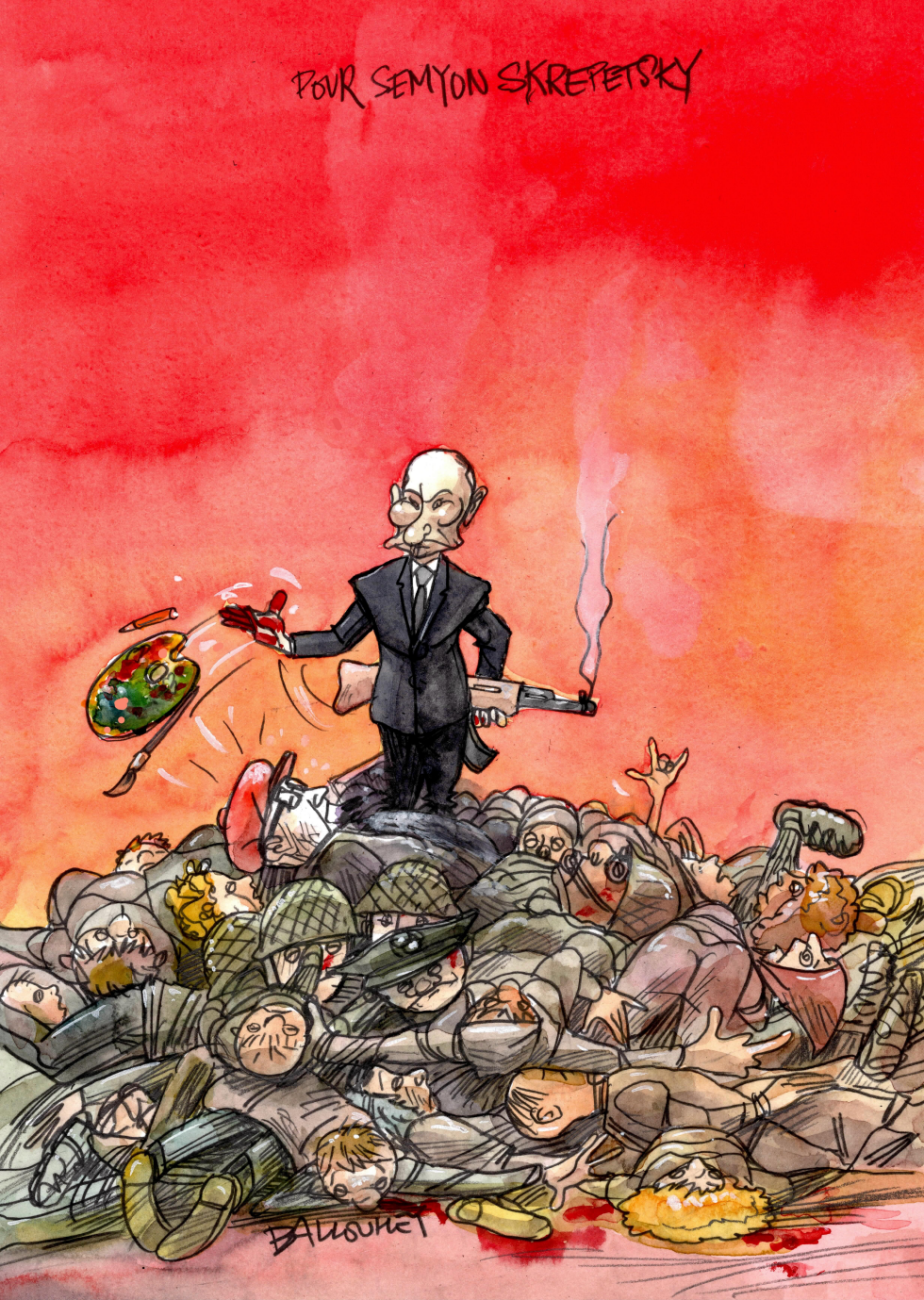
The illustration shows Semyon Skrepetsky standing on a heap of dead soldiers. He grips a rifle in one hand and a painter's palette in the other. Smoke rises from the weapon. The red-orange background suggests conflict. Text above reads 'POUR SEMYON SKREPETSKY'. The scene responds to ongoing military developments involving Russian forces as of the August 2026 publication date. The composition places the central figure above the casualties to emphasize the human cost of the fighting.
Robert F. Kennedy Jr. continues promoting Make America Healthy Again initiatives tied to his anti-vaccine positions in mid-2026. The approach draws criticism for linking public health measures to eugenics concerns and undermining scientific consensus. The editorial takes the position that such rhetoric risks real harm by eroding trust in established medical guidance.
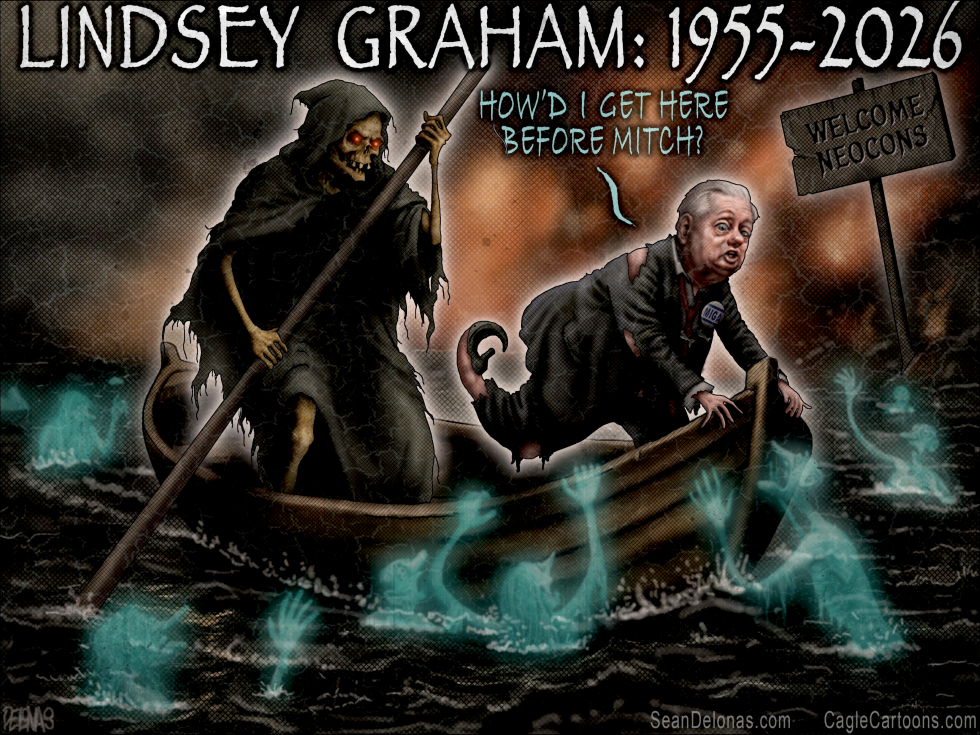
The cartoon responds to the imagined 2026 death of longtime Republican Senator Lindsey Graham. It places him in an afterlife reserved for neoconservatives, where he wonders why he arrived before Senate Minority Leader Mitch McConnell. The piece uses the scenario to comment on the enduring influence and eventual passing of prominent Republican foreign-policy figures.
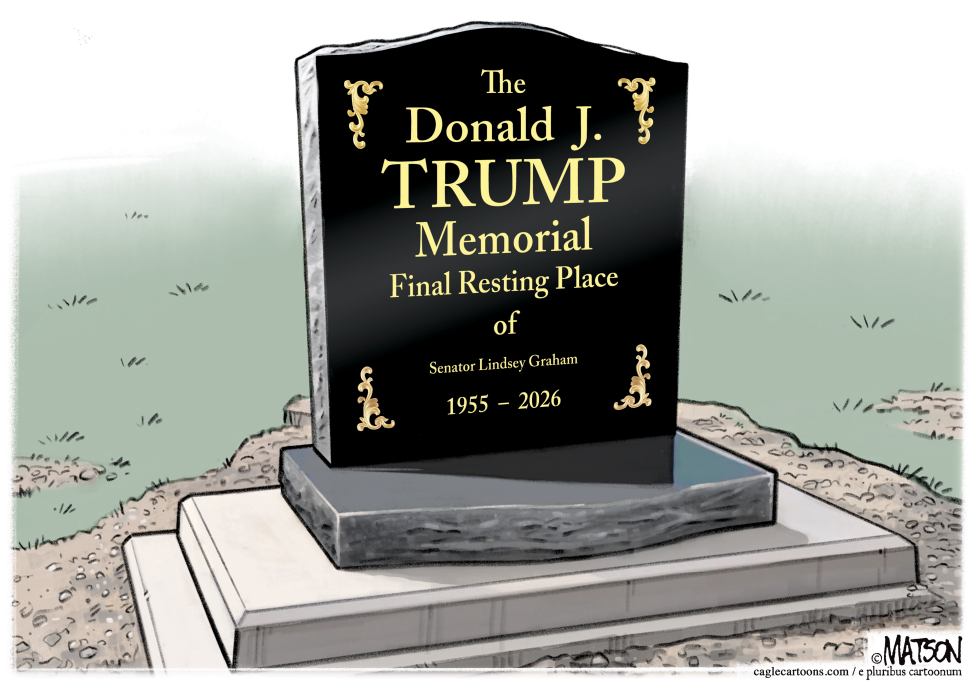
A black granite tombstone stands on a multi-tiered stone base in a barren landscape. Gold lettering identifies the structure as the Donald J. Trump Memorial Final Resting Place of Senator Lindsey Graham, who is listed with dates 1955-2026. The marker features decorative gold scrollwork at the corners.