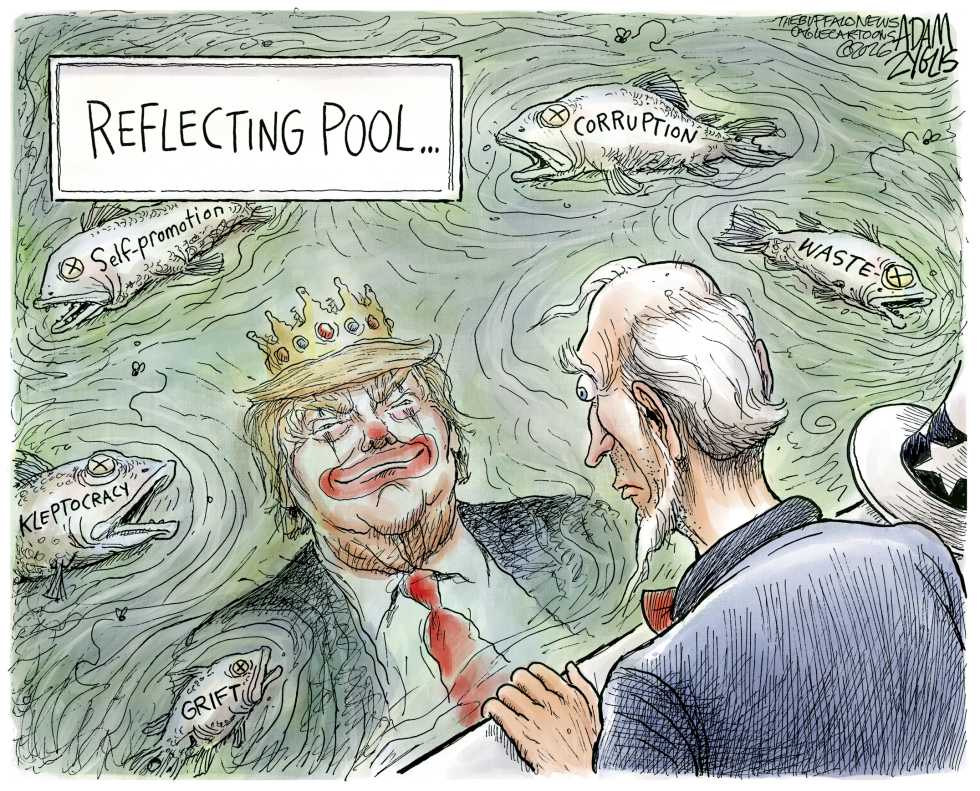
Accusations of kleptocracy and self-dealing have followed Donald Trump through multiple phases of his political career. Critics point to patterns of self-promotion and waste in government dealings. The cartoon frames these issues as dead fish surfacing in a reflecting pool, with Trump depicted wearing a crown and clown makeup while an older observer looks on. The editorial position criticizes Trump as emblematic of corruption and grift.
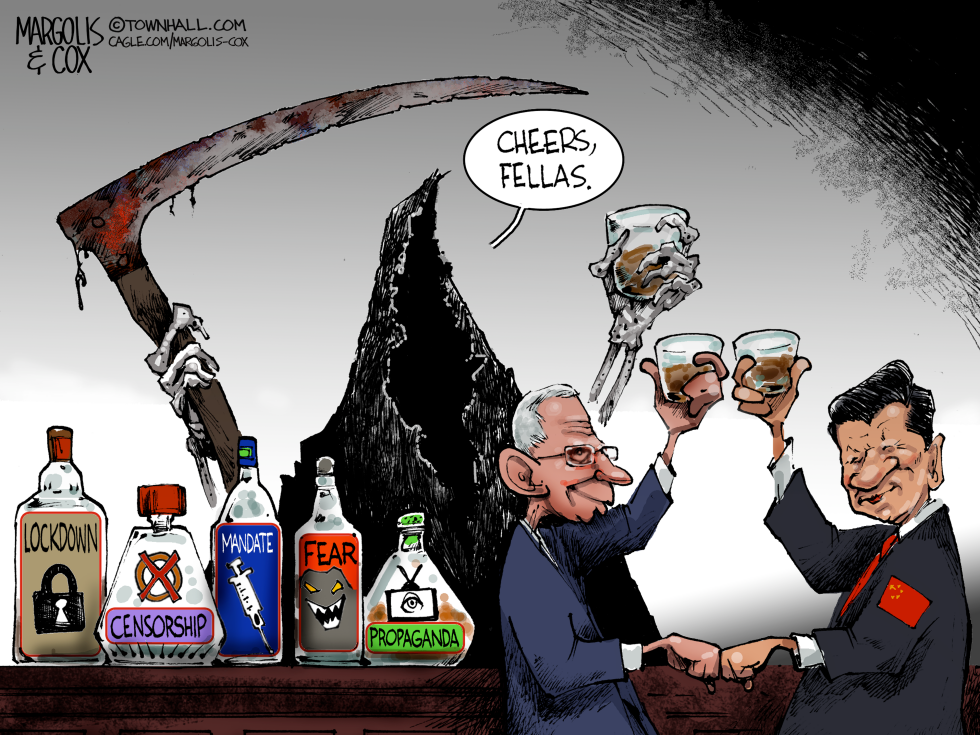
On August 6, 2026, the cartoon responds to lingering debates over COVID-19 policies by depicting former NIAID director Anthony Fauci and Chinese leader Xi Jinping toasting with the Grim Reaper. The image frames pandemic tools as shared instruments of control. The editorial position criticizes both figures for embracing fear-driven measures and information suppression.
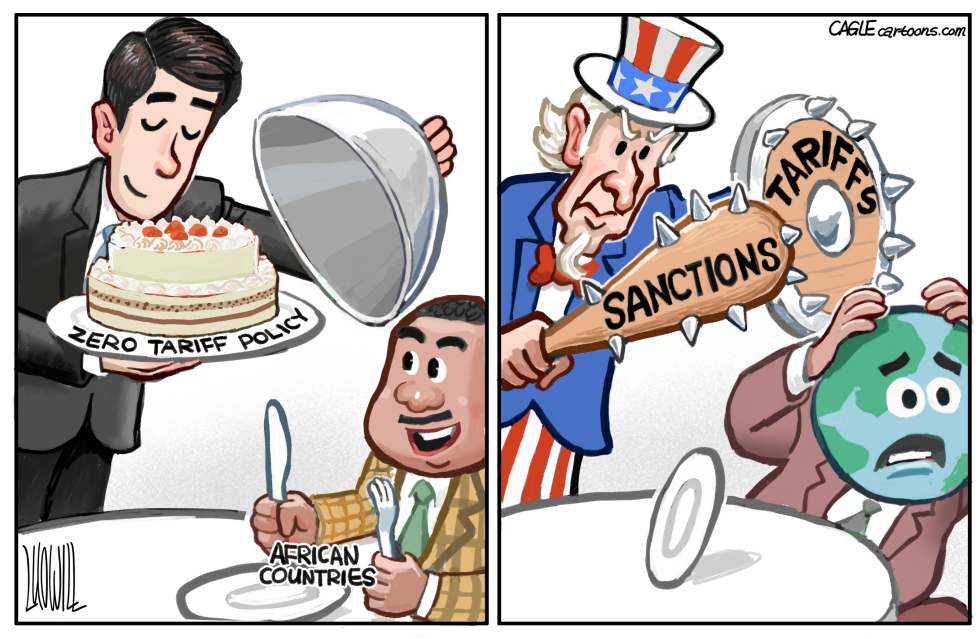
The United States has extended a zero-tariff policy offer to African nations amid ongoing global trade tensions. This move stands in contrast to simultaneous use of tariffs and sanctions against other trading partners. The policy highlights selective economic engagement by Washington. The editorial position criticizes the inconsistency between the overture to Africa and the punitive approach applied more broadly.
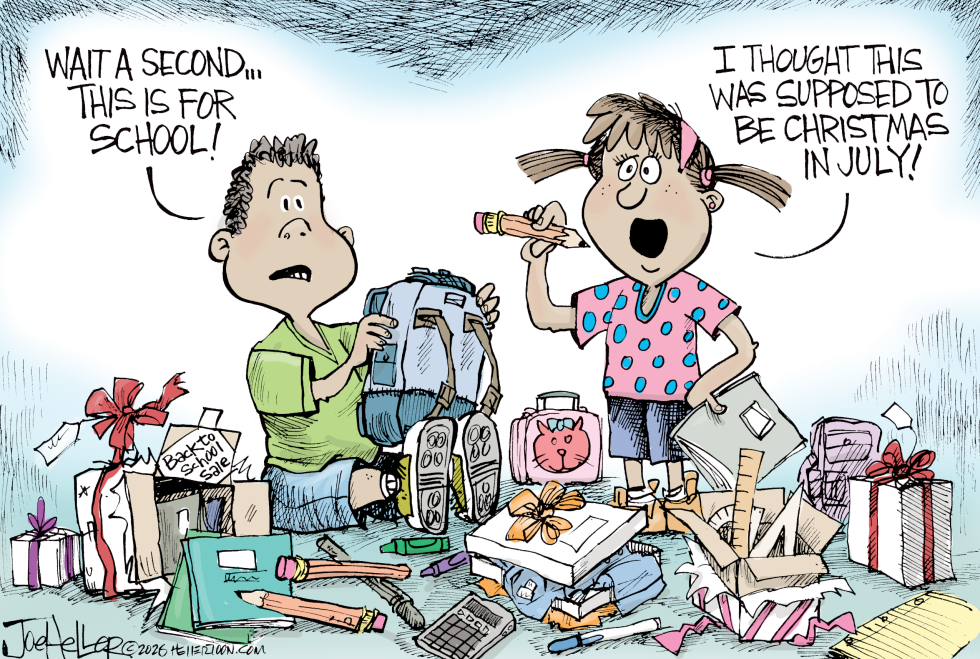
Retailers launched back-to-school promotions in late July, prompting families to stock up on supplies weeks ahead of the academic calendar. The timing overlaps with summer clearance events that mimic holiday marketing tactics. Parents and students face added pressure to buy early amid rising costs for essentials. The piece highlights how commercial calendars compress traditional shopping seasons and shift family routines.
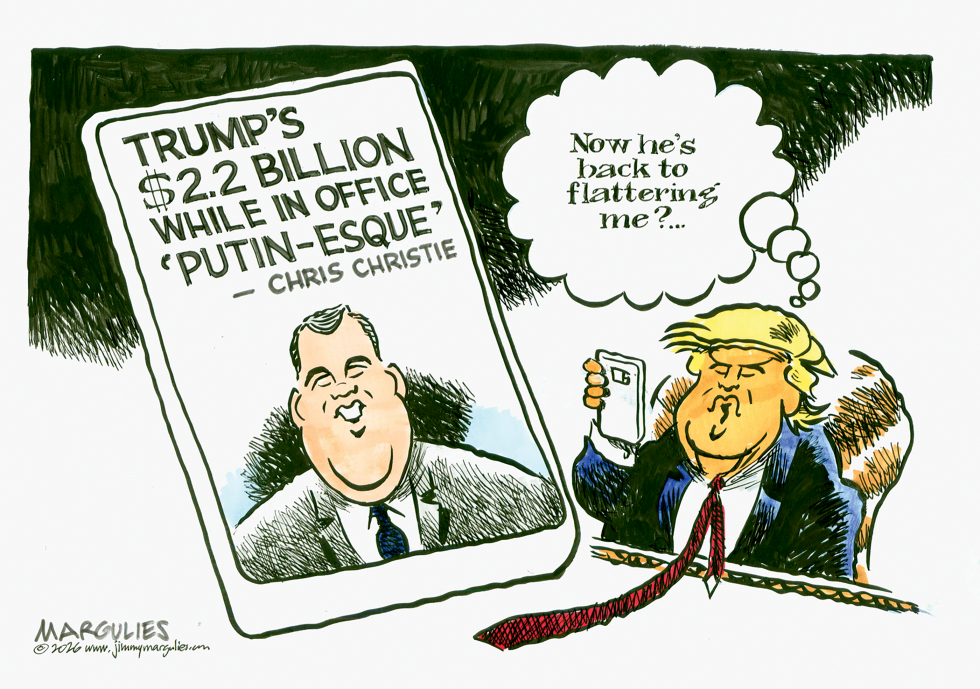
On July 6, 2026, a cartoon depicts Donald Trump examining a phone displaying Chris Christie’s quote labeling his $2.2 billion earnings while in office as Putin-esque. Trump’s thought bubble reveals he interprets the remark as flattery rather than criticism, highlighting an ongoing dynamic between the two figures amid foreign policy references to Russia.
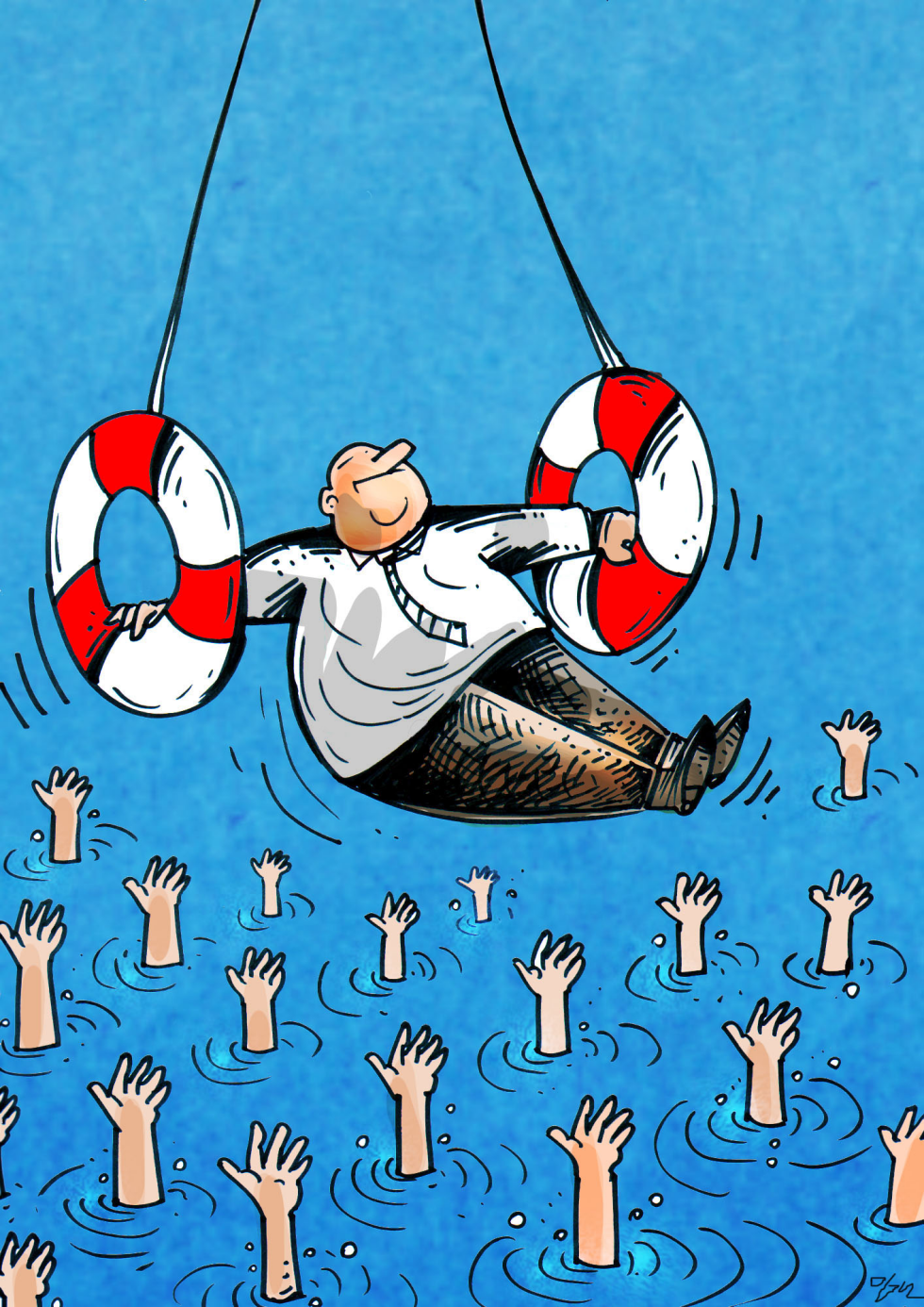
A public figure secures personal safety equipment and extraction amid widespread hardship affecting many others. The situation highlights ongoing tensions around leadership accountability and resource allocation during collective crises. The piece presents the argument that those in positions of authority often prioritize their own escape over collective support.
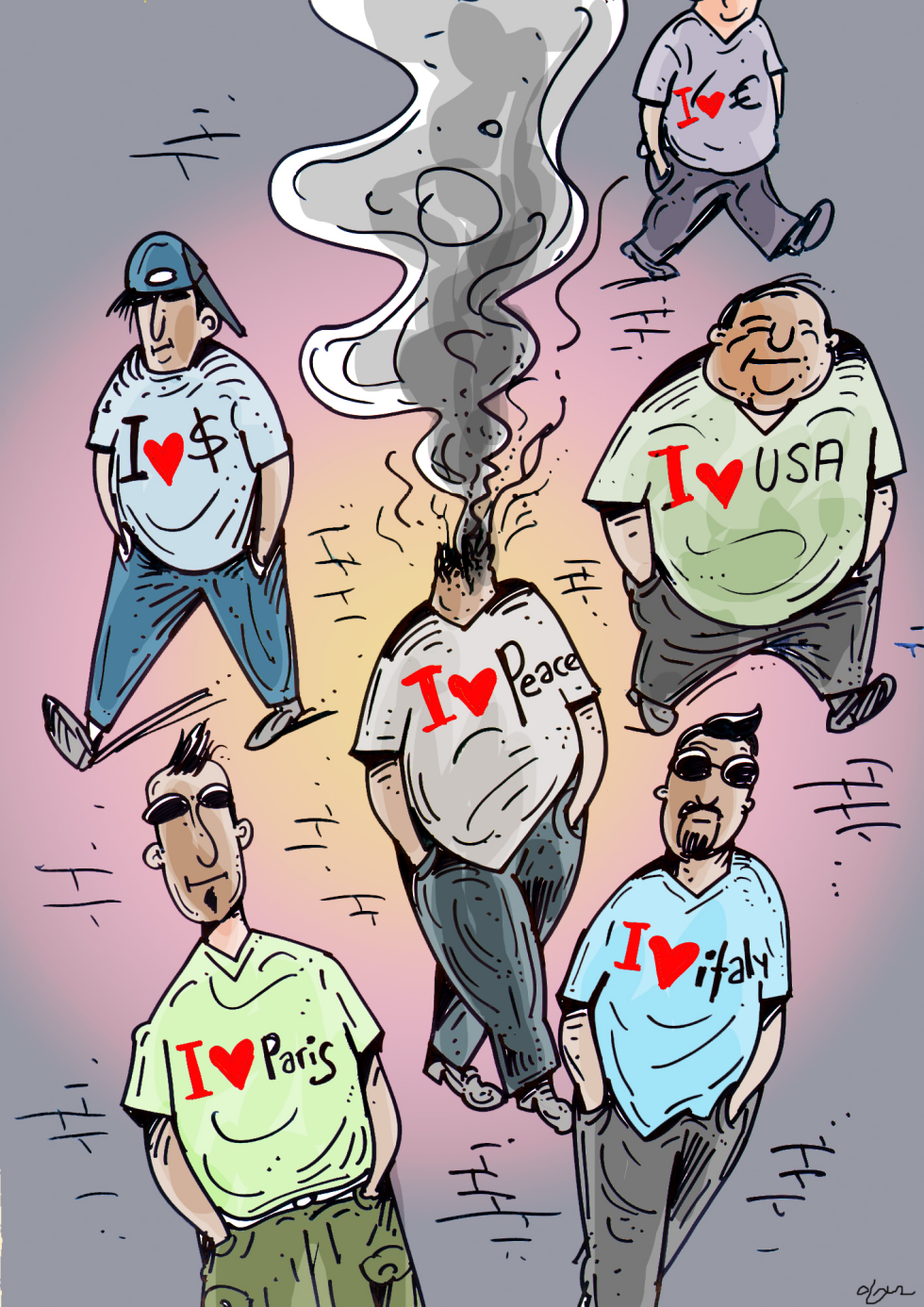
A figure wearing an I love peace shirt shows smoke rising from the head, suggesting hidden danger amid claims of nonviolence. Surrounding individuals display shirts loving money, Paris, the USA, Italy and the euro. The scene highlights contradictions between stated ideals and actions in public discourse around security threats.
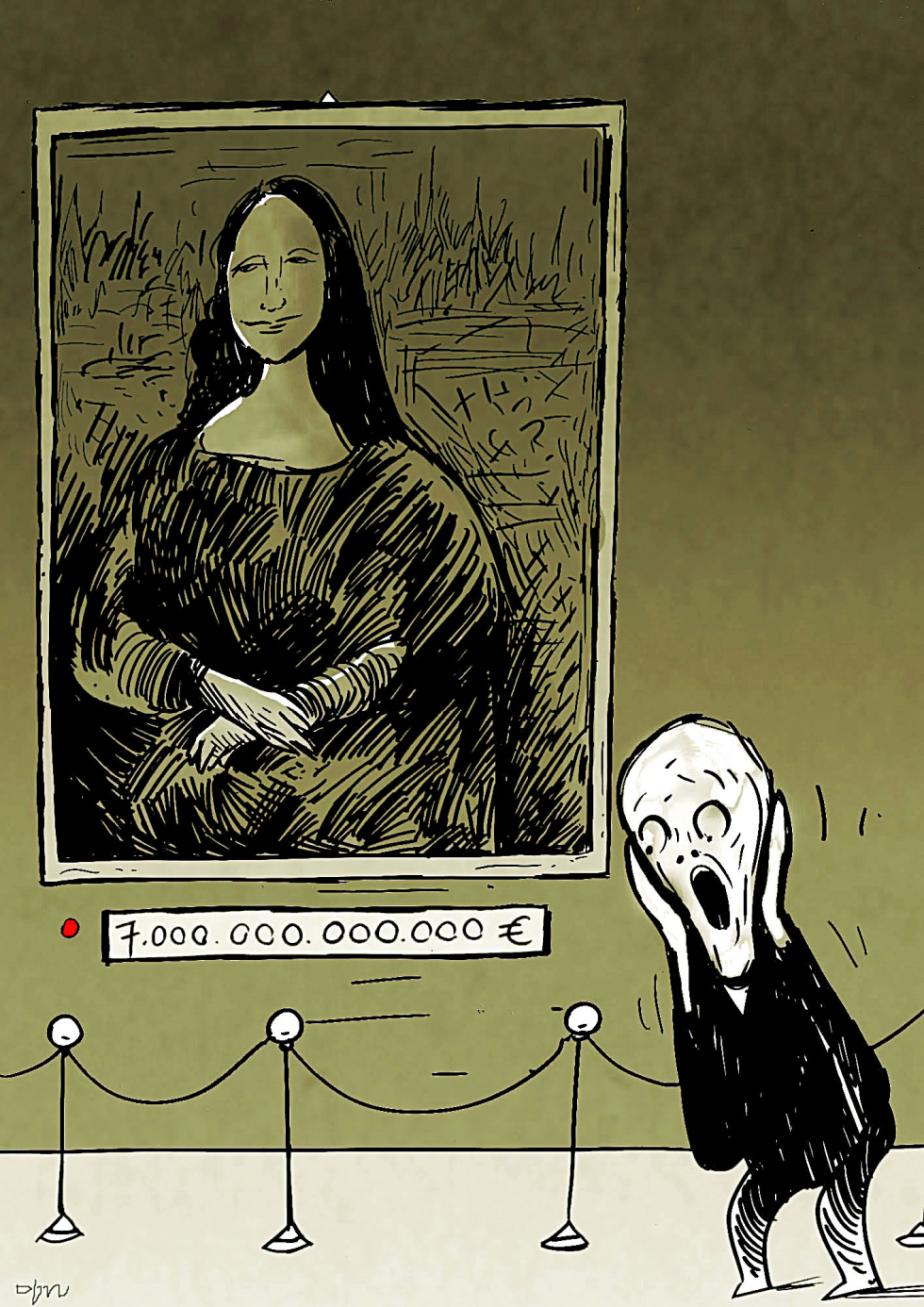
The Mona Lisa receives an eye-popping valuation of seven trillion euros in a museum setting. The figure in the image conveys immediate disbelief at the figure. The piece highlights ongoing debates over astronomical art market prices for cultural treasures.
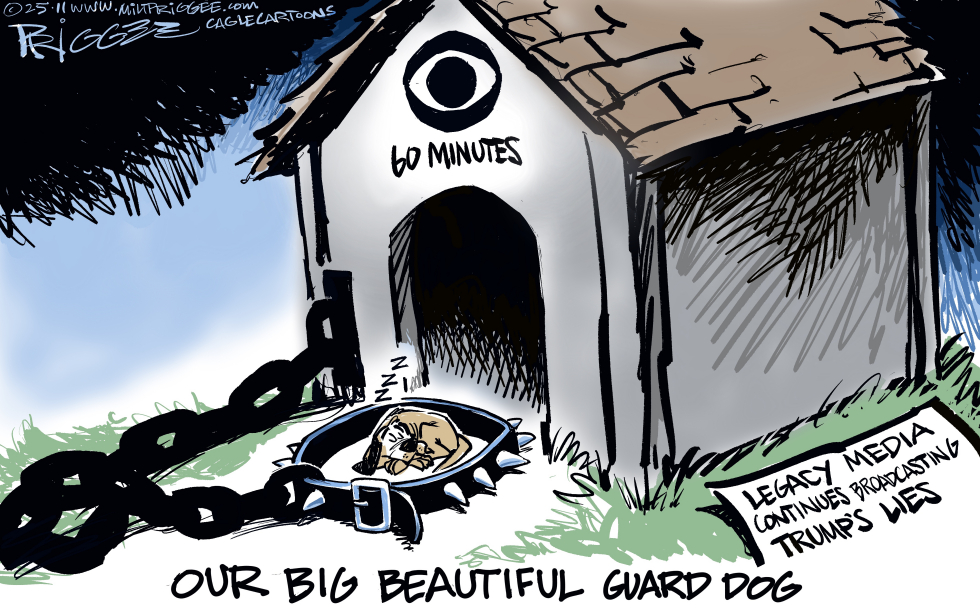
A political cartoon depicts a doghouse marked 60 Minutes with a sleeping dog wearing a spiked collar. A sign states legacy media continues broadcasting Trump's lies. The caption calls it our big beautiful guard dog. The image critiques media coverage of the president on November 8 2025.
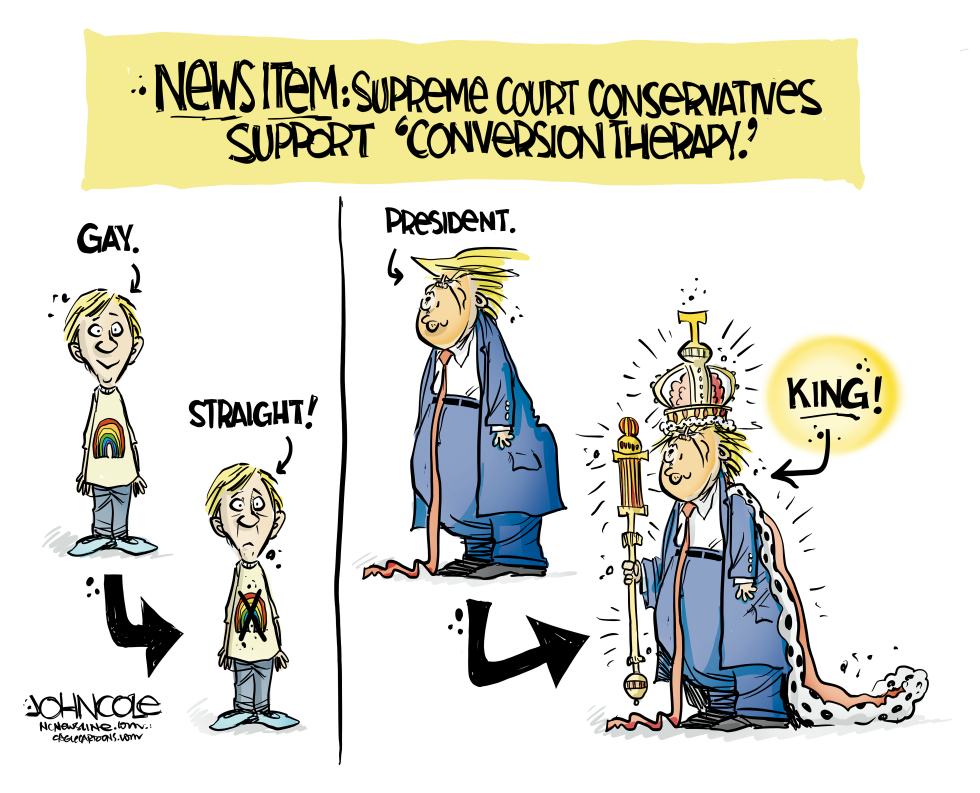
On October 14 2025 John Cole's cartoon depicts Supreme Court conservatives endorsing conversion therapy. The left panel shows a boy labeled gay transformed into straight. The right panel shows a president figure transformed into a robed and crowned king. The visual equates the therapy with an unconstitutional expansion of presidential power. The piece criticizes the court's conservative majority for enabling such shifts.