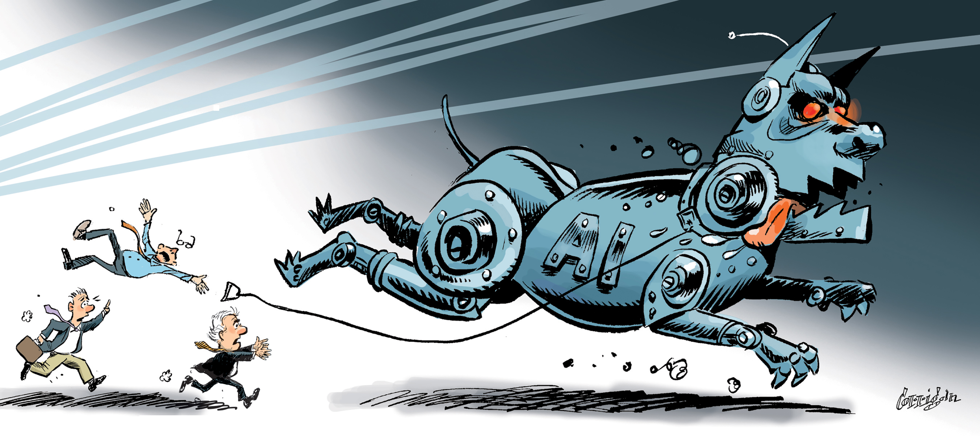
Rapid advances in artificial intelligence continue to reshape industries, prompting fresh warnings from executives about systems that may soon operate beyond direct human control. The cartoon captures this tension by depicting AI as an aggressive mechanical force pulling business figures along. It argues that unchecked development leaves leaders vulnerable rather than empowered.
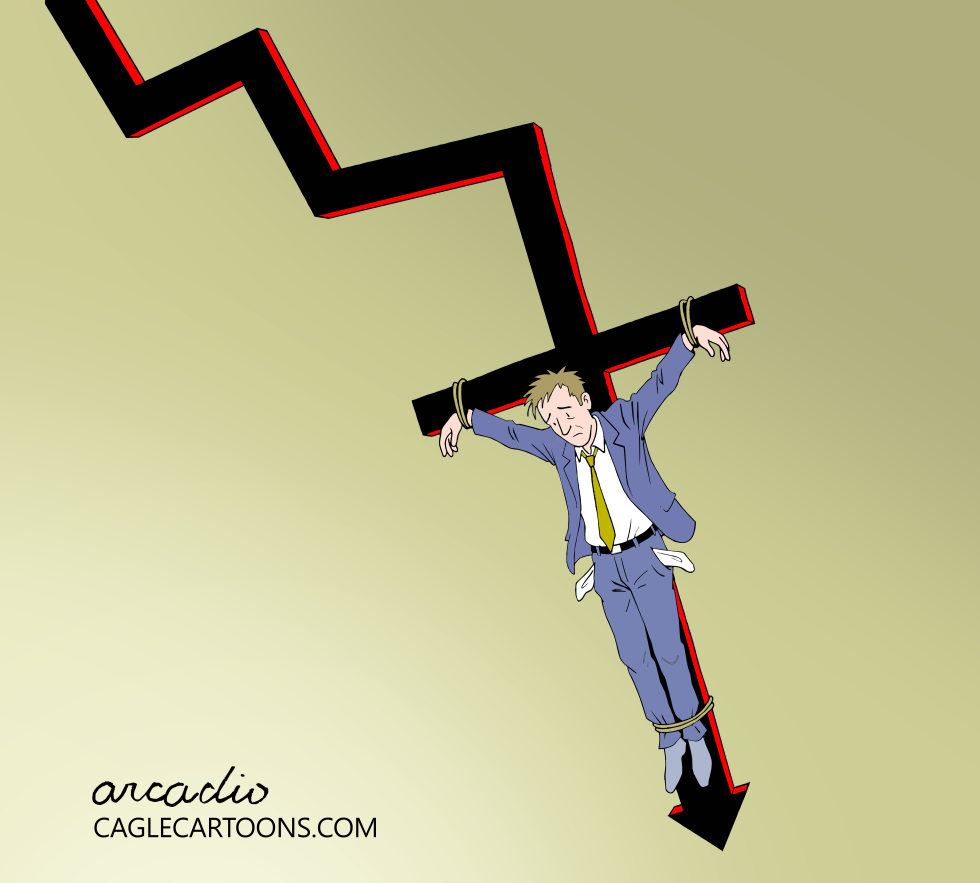
Corporate leaders continue to confront sharp market drops that directly affect company performance and investor confidence. The situation underscores how executives remain closely tied to negative financial trends rather than insulated from them. The piece argues that such binding reflects the reality of accountability in failing markets.
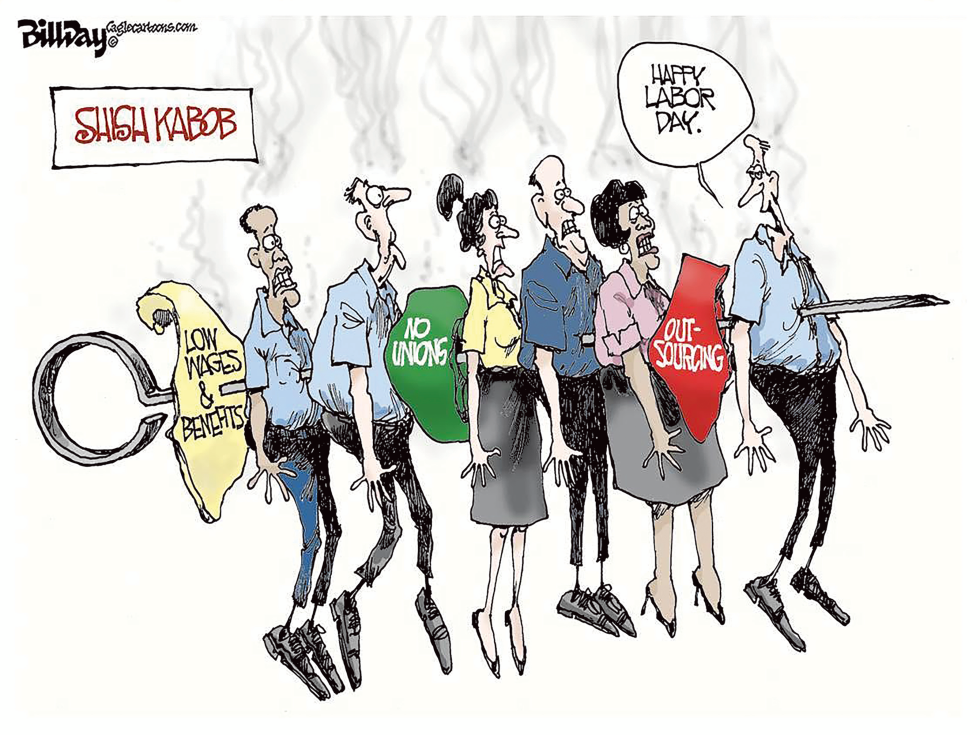
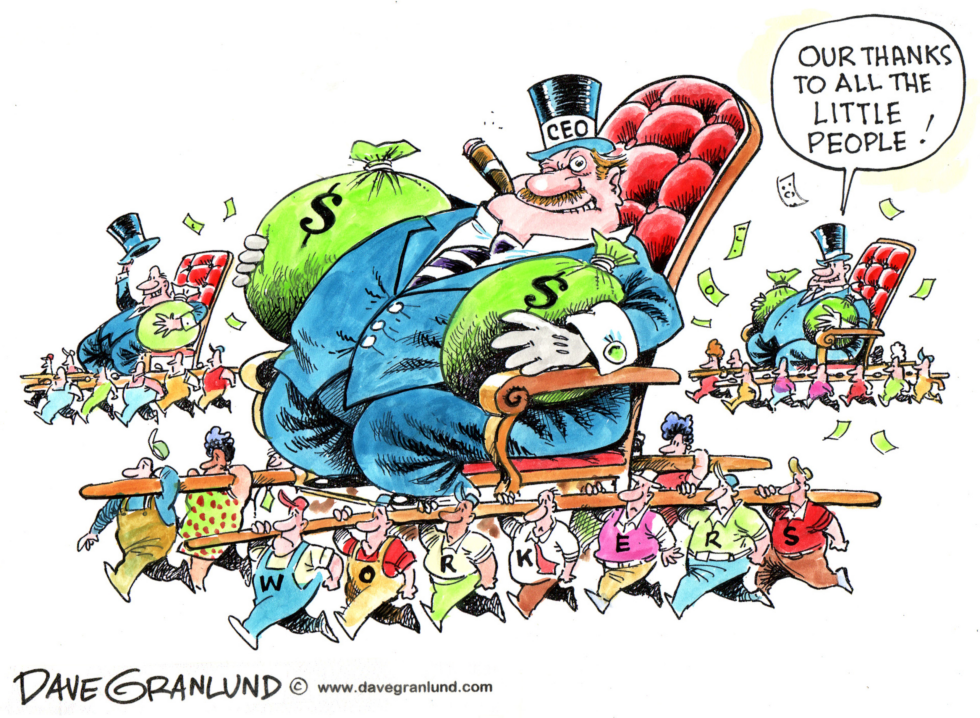
On Labor Day 2026, American workers continue to confront stagnant wages, union suppression, and widespread outsourcing that erode job security and benefits. These pressures persist amid corporate strategies that prioritize cost-cutting over employee welfare. The cartoon argues that such practices turn the holiday into a grim reminder of labor's weakened position rather than a celebration of worker gains.
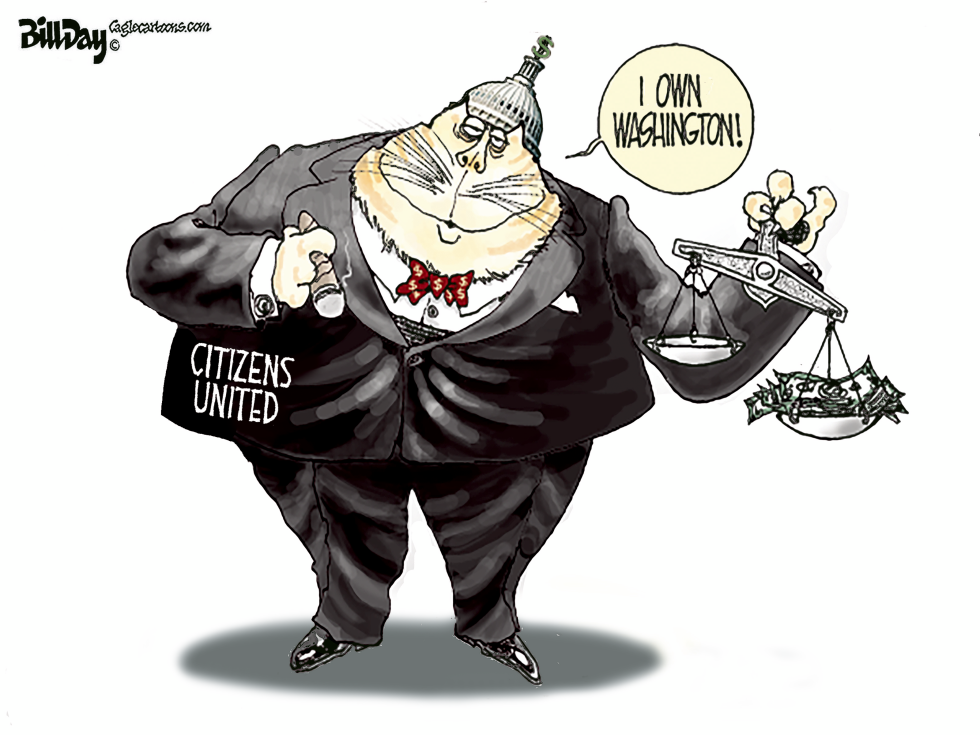
The 2010 Citizens United Supreme Court ruling opened the door to unlimited independent expenditures by corporations and unions in elections. Critics argue the decision amplified the voice of wealthy donors and special interests over average voters. The cartoon responds to the ongoing effects of that precedent by depicting a powerful corporate figure claiming control of the capital. It highlights how the ruling has reshaped campaign finance and public trust in government institutions.
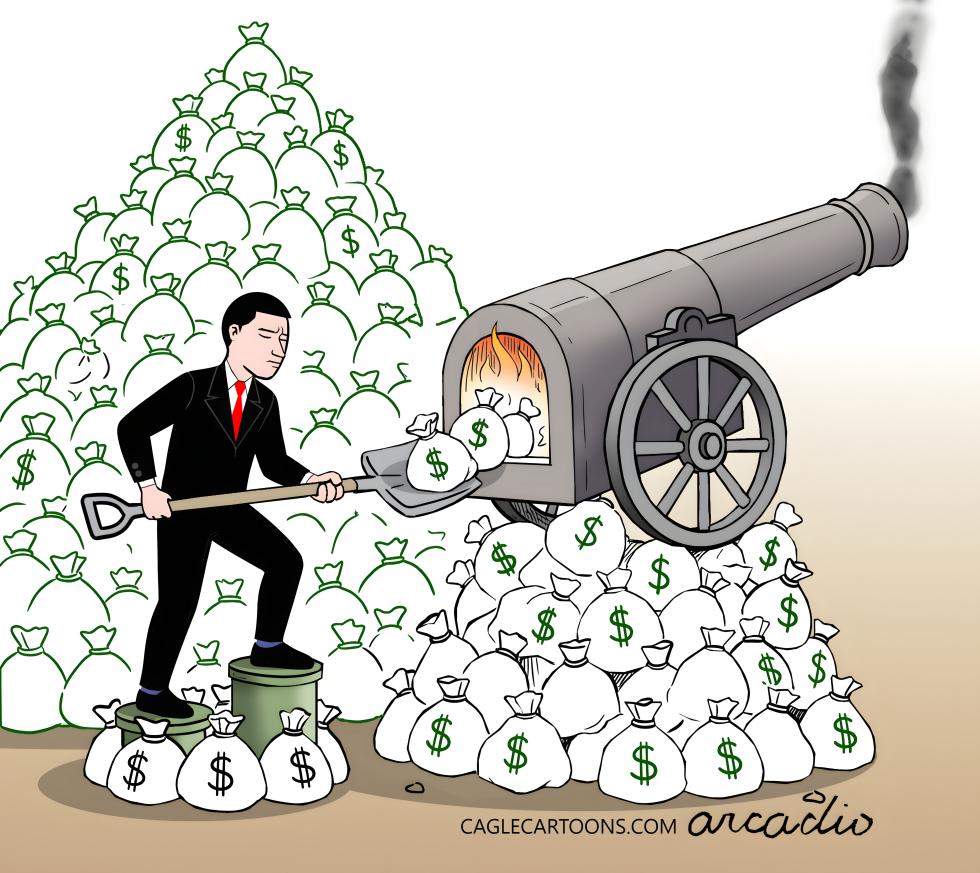
Business leaders continue to allocate large sums toward unproductive or destructive ends, drawing criticism for prioritizing short-term displays over sustainable practices. The pattern reflects ongoing concerns about corporate priorities where substantial resources vanish without clear returns. The piece argues that such spending represents a fundamental misallocation that harms long-term stability.
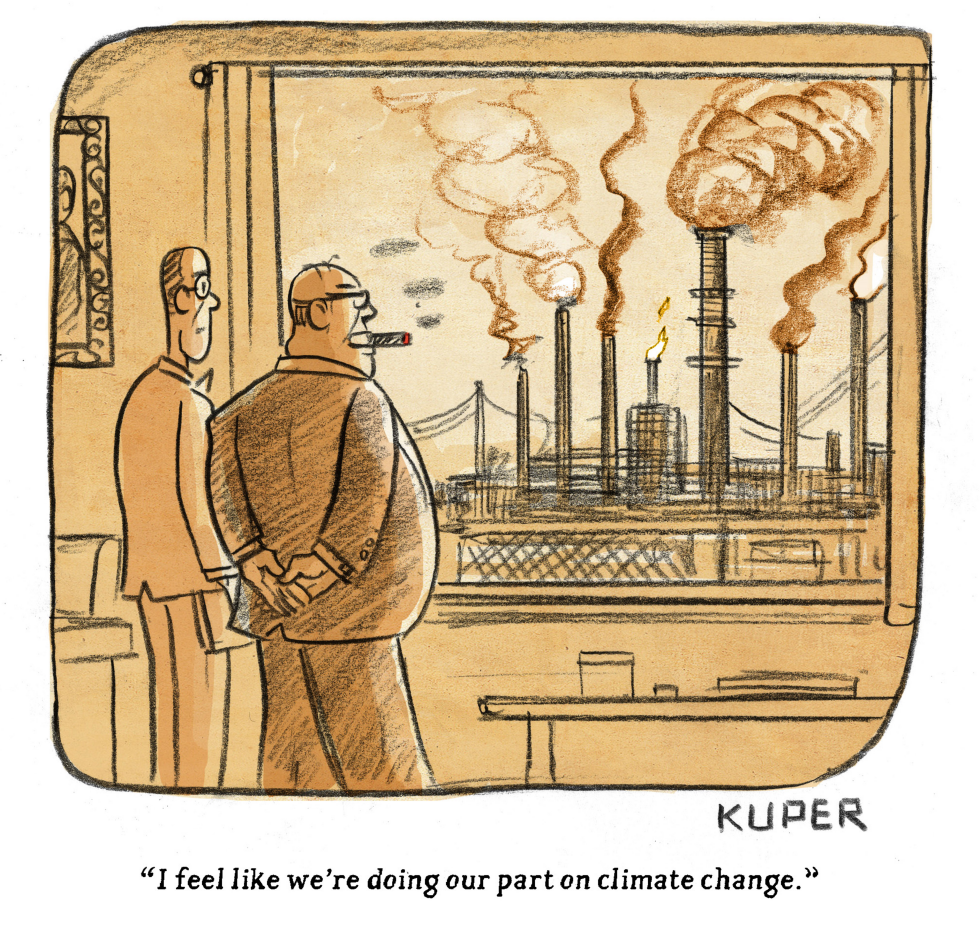
Corporate executives continue to oversee industrial operations that release substantial emissions into the atmosphere. This ongoing pattern occurs as global temperatures rise and regulatory pressures mount on heavy industry. The situation highlights tensions between profit-driven activities and environmental accountability. The piece portrays the executives as detached from the consequences of their facilities. It critiques the tendency among business leaders to minimize their sector's role in climate issues despite clear evidence of ongoing pollution.
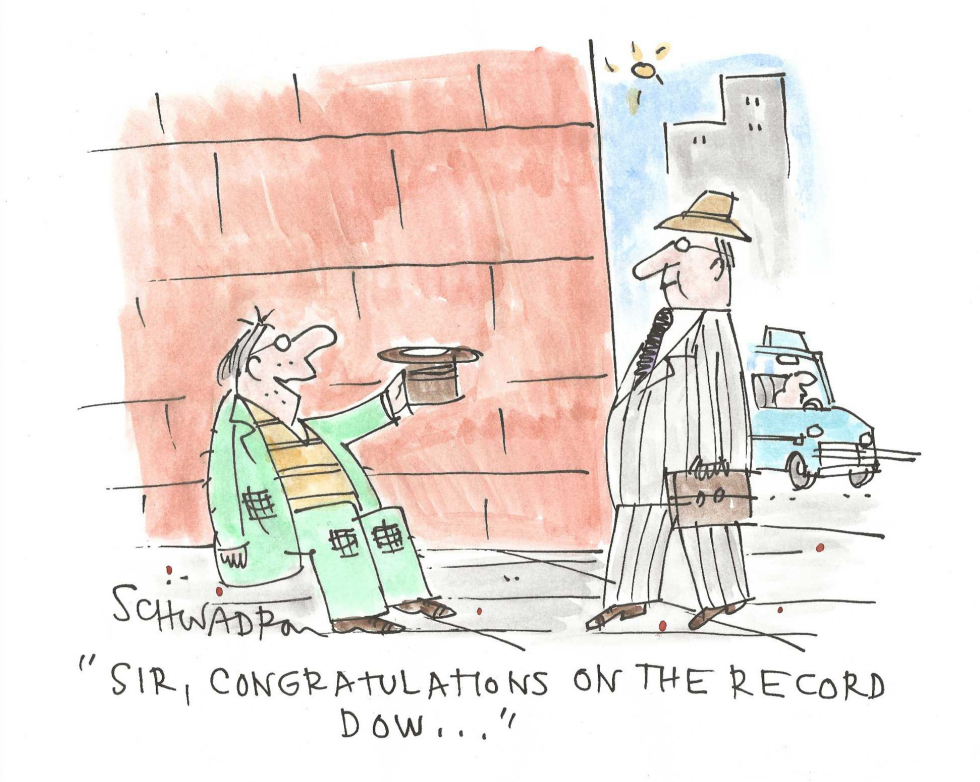
The Dow Jones Industrial Average reached a new record high in late August 2026, reflecting strong corporate earnings and investor confidence. Business leaders celebrated the milestone while many Americans continued to face stagnant wages and rising living costs. The cartoon depicts a beggar offering congratulations to a passing executive, underscoring the disconnect between Wall Street performance and everyday economic reality. This visual argument critiques how market success often benefits a narrow segment of society while leaving others behind.
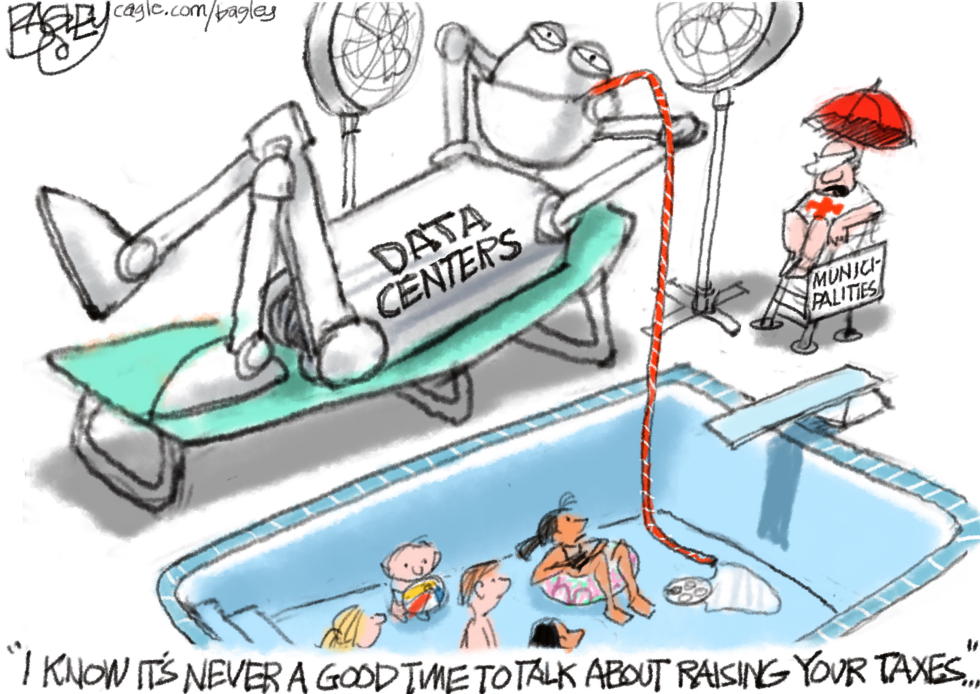
Data centers are expanding rapidly and placing heavy demands on local water and power supplies. Municipalities must decide whether to raise taxes to cover the costs. The piece argues that residents bear the burden while data centers consume resources without contributing enough back.
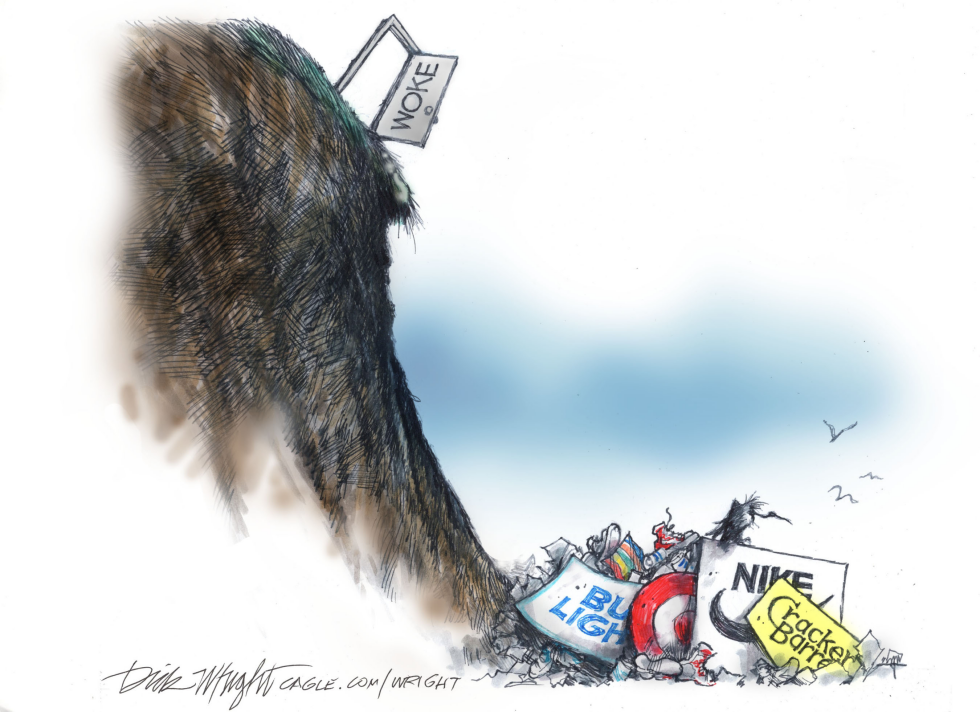
Major consumer brands including Bud Light, Nike and Cracker Barrel have faced sharp sales drops after high-profile progressive marketing campaigns. The pattern shows customers rejecting messaging that prioritizes social causes over product focus. The editorial argues that chasing woke trends creates self-inflicted commercial harm and erodes brand loyalty.
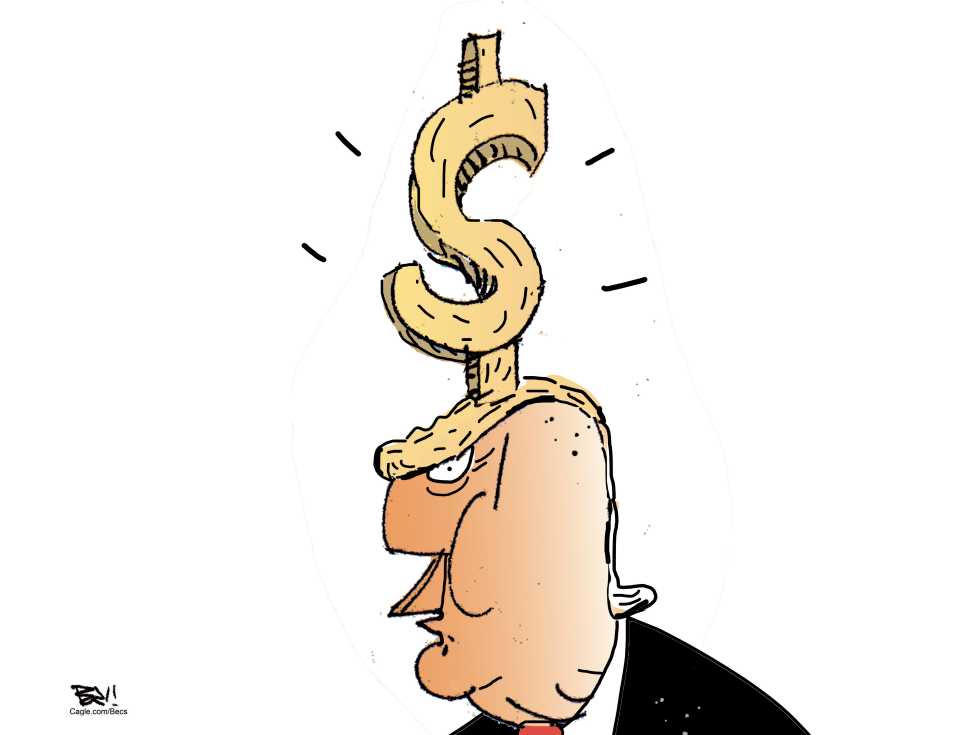
A generic business figure faces ongoing scrutiny over profit motives dominating decision making. Corporate leaders continue to prioritize financial gains amid public concerns about influence and ethics. The piece argues that such fixation distorts priorities and harms broader interests.
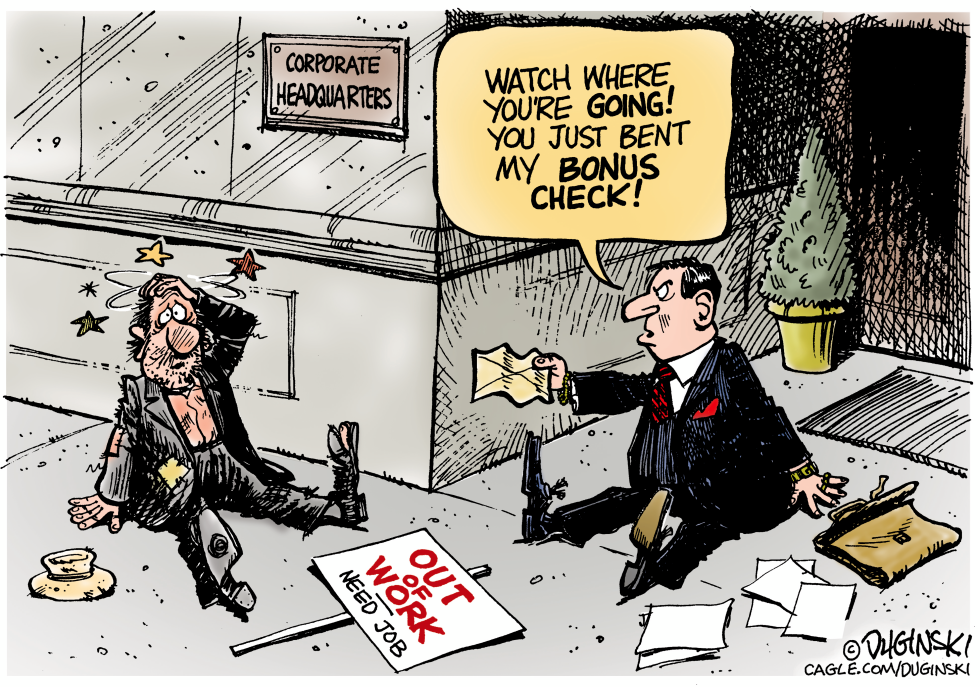
Corporate executives continue to receive large bonuses even as layoffs persist across sectors. The piece responds to ongoing debates over executive compensation packages during periods of workforce reduction. It takes the position that such bonuses appear disconnected from the realities facing displaced employees.
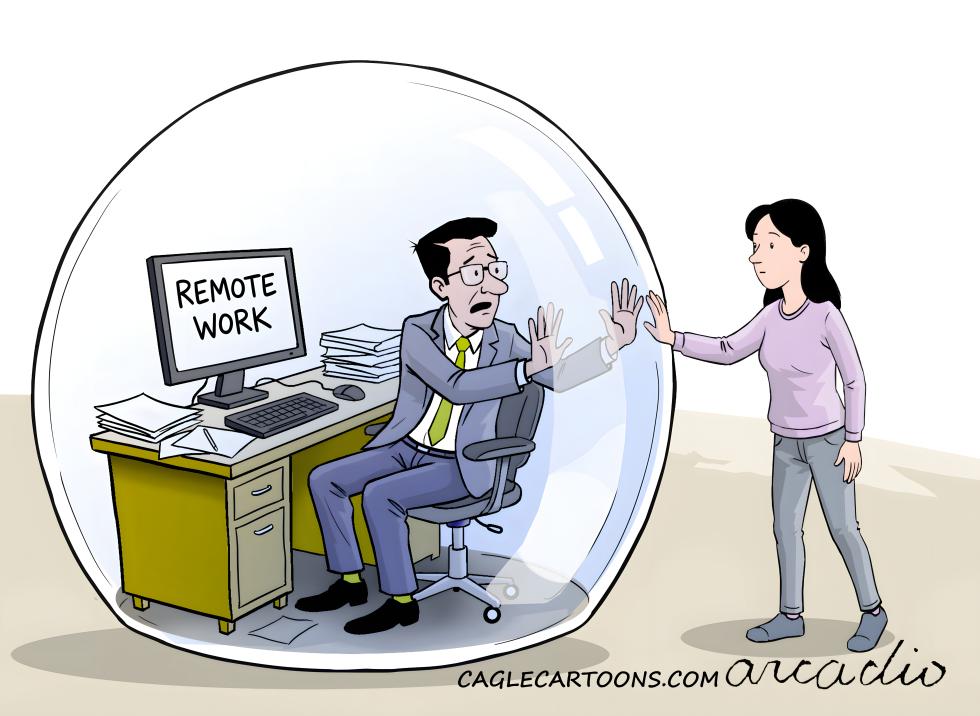
Remote work arrangements have expanded rapidly since the pandemic, allowing employees to perform duties from home but raising concerns about reduced collaboration and social connection in offices. The piece responds to ongoing debates over hybrid schedules and their impact on workplace culture. It takes the position that remote setups create artificial barriers that separate workers from direct human interaction and shared reality.
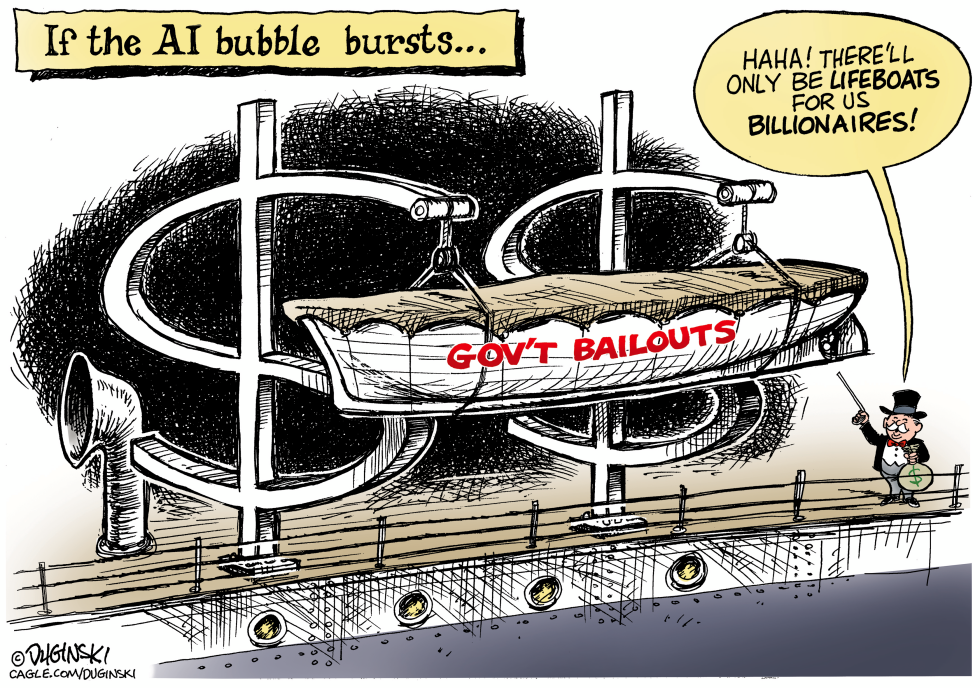
Speculation grows over potential government intervention if the artificial intelligence sector experiences a sharp downturn. Industry leaders and investors face questions about whether public funds would support failing companies. The editorial argues that any such support would primarily protect billionaires rather than address wider economic fallout from overvalued tech assets.
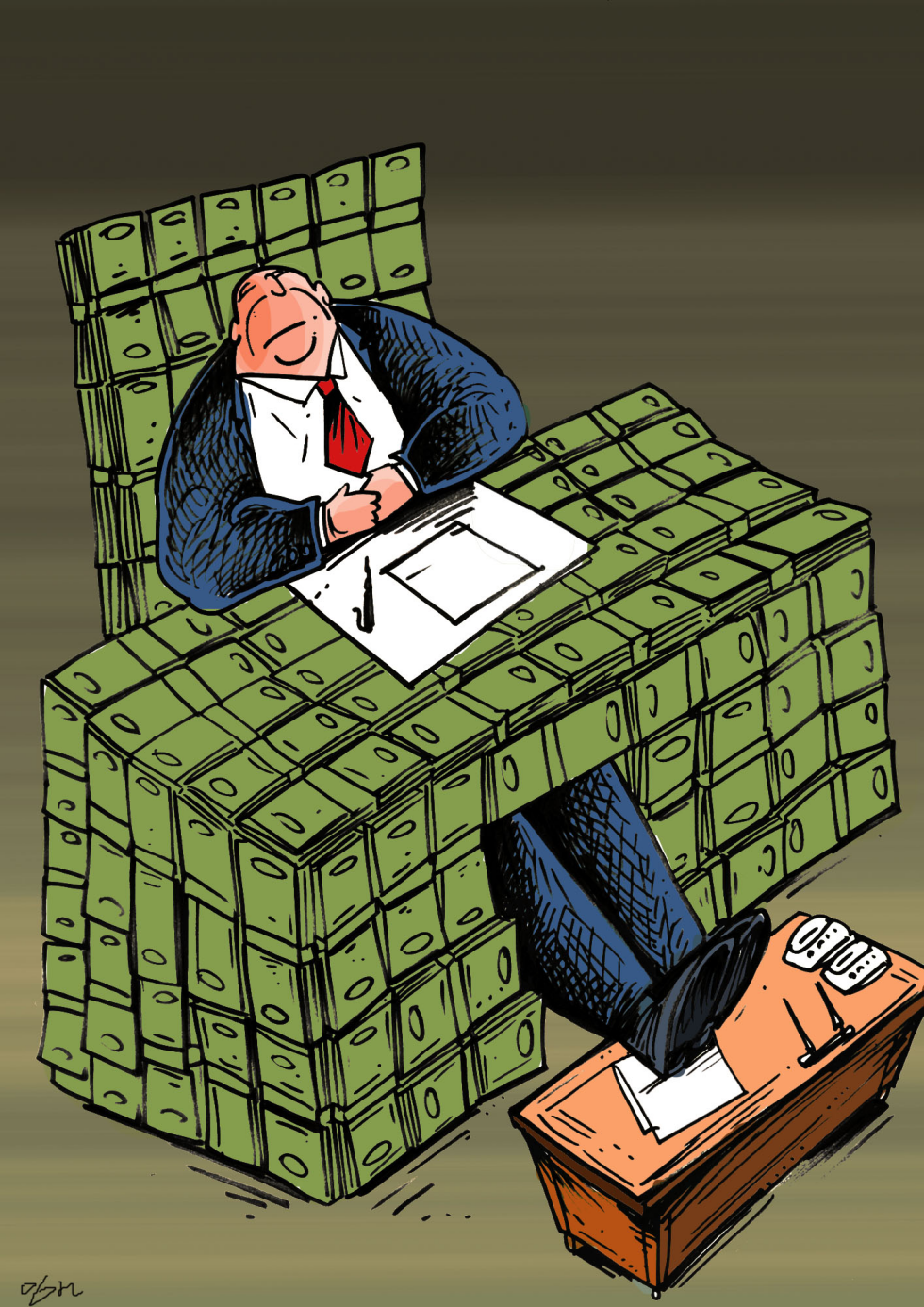
Public officials and business leaders often operate amid substantial financial resources that shape their daily environments and decisions. Recent developments in campaign finance and corporate influence have kept scrutiny on how wealth intersects with governance. The piece portrays an executive fully at ease within a setting constructed entirely from currency, underscoring the normalization of money's central role in positions of authority.