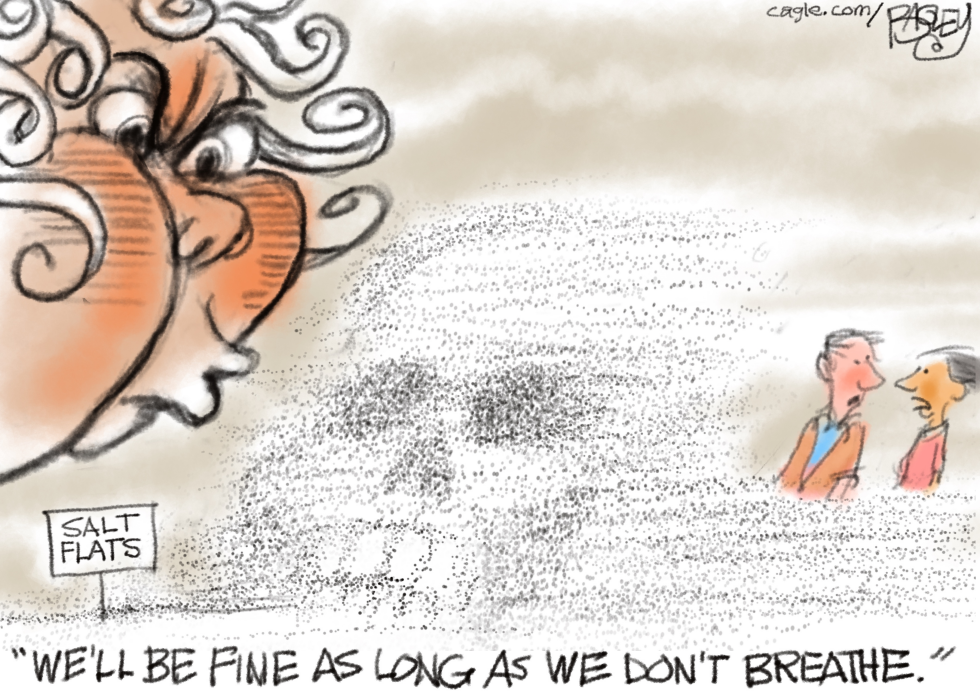
Air quality at the Salt Flats has deteriorated due to persistent dust storms, creating hazardous conditions for nearby residents and visitors. The situation underscores ongoing environmental degradation in the region and the urgent need for mitigation efforts to protect public health.
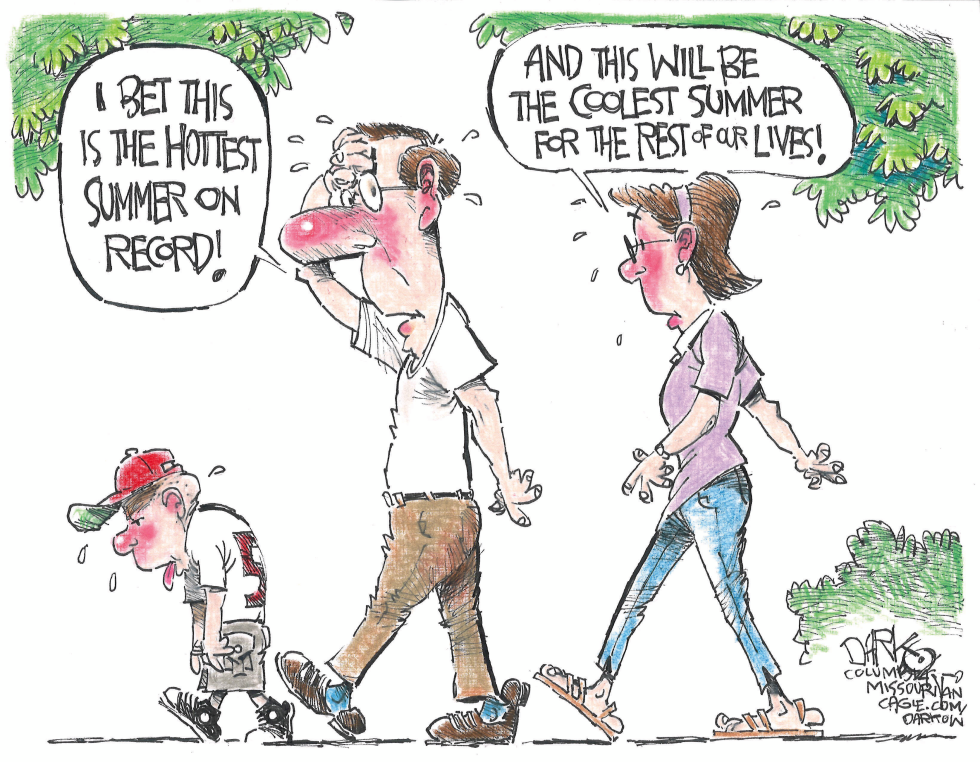
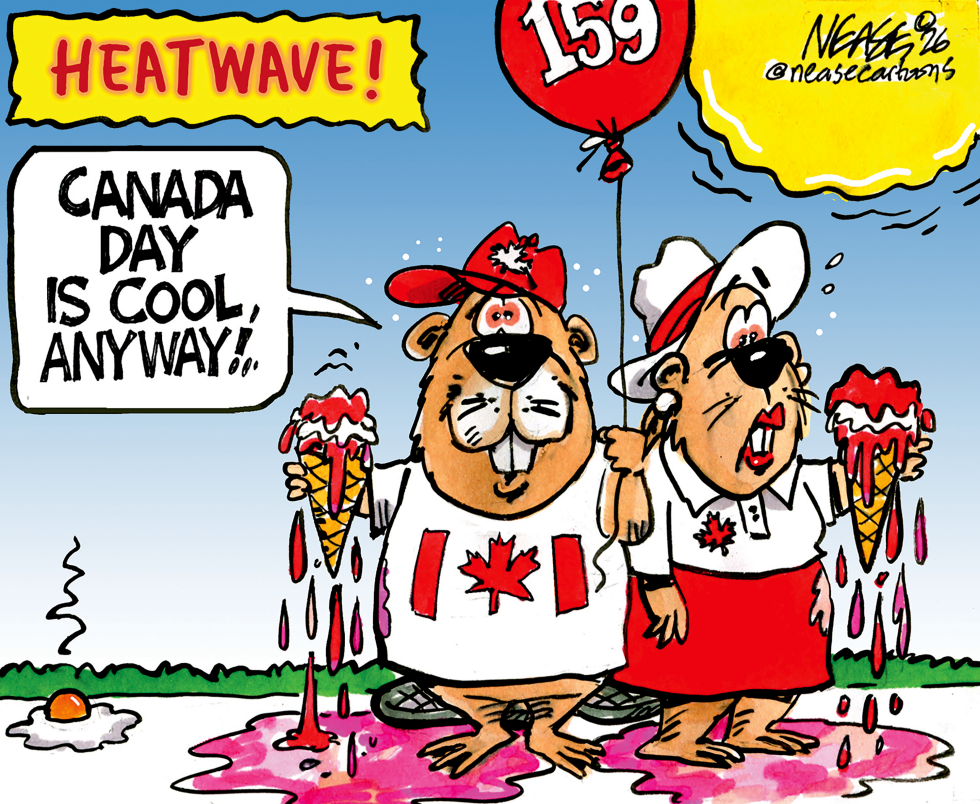
Record summer temperatures in 2026 prompted widespread public discussion of extreme heat events and their link to long-term climate patterns. Families and communities experienced prolonged discomfort as temperatures broke previous benchmarks, underscoring the immediate effects of warming trends. The piece argues that current heat represents only the beginning of progressively harsher conditions unless broader action addresses the underlying causes.
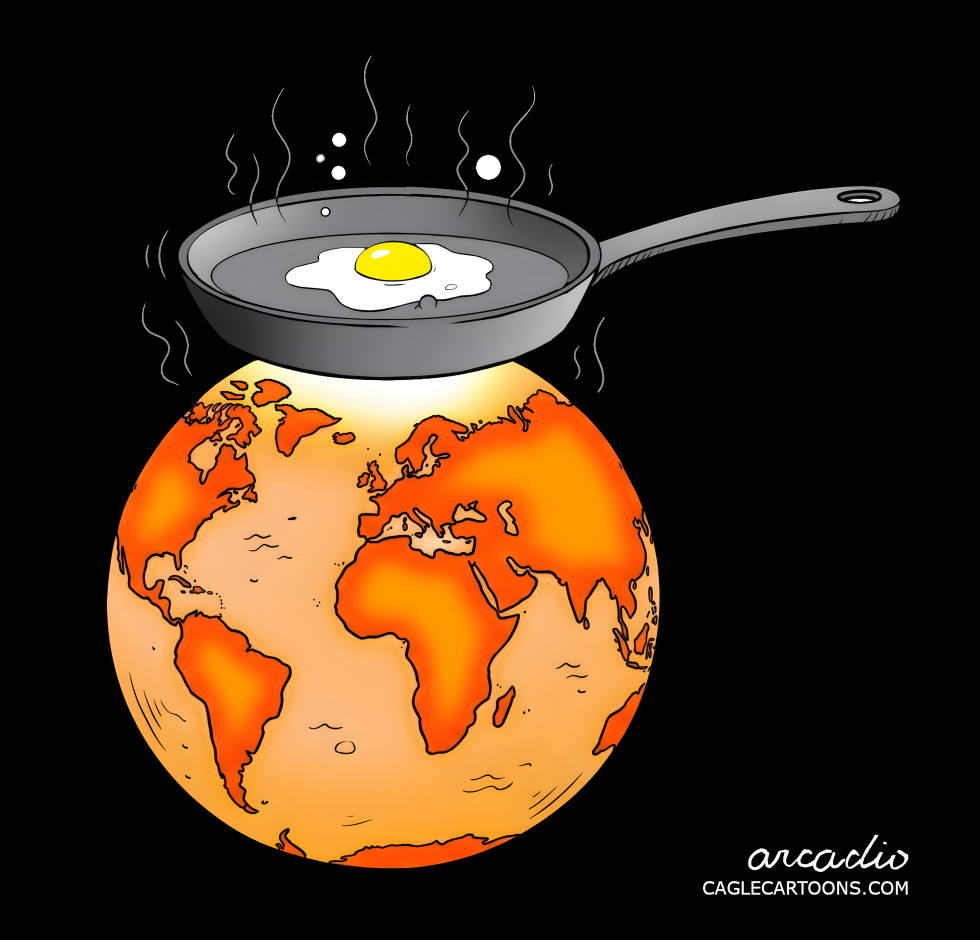
Rising global temperatures continue to break records as heat waves intensify across continents. Scientists link the trend to greenhouse gas emissions from human activity, raising risks for ecosystems and populations. The piece frames the ongoing warming as an urgent crisis demanding immediate policy response.
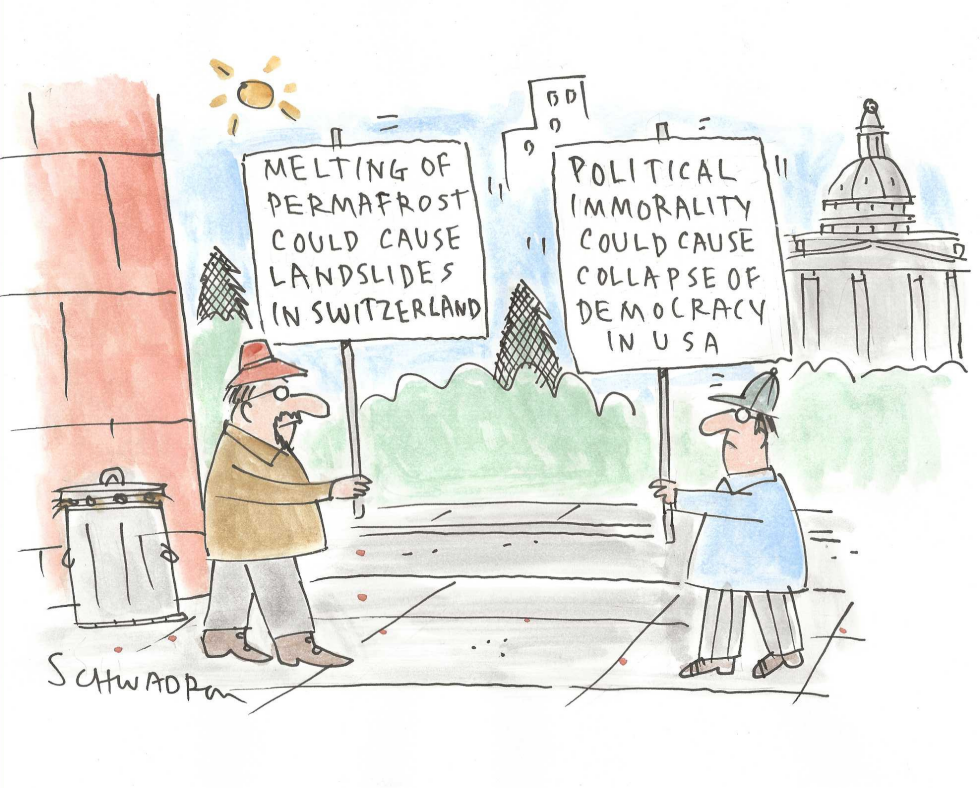
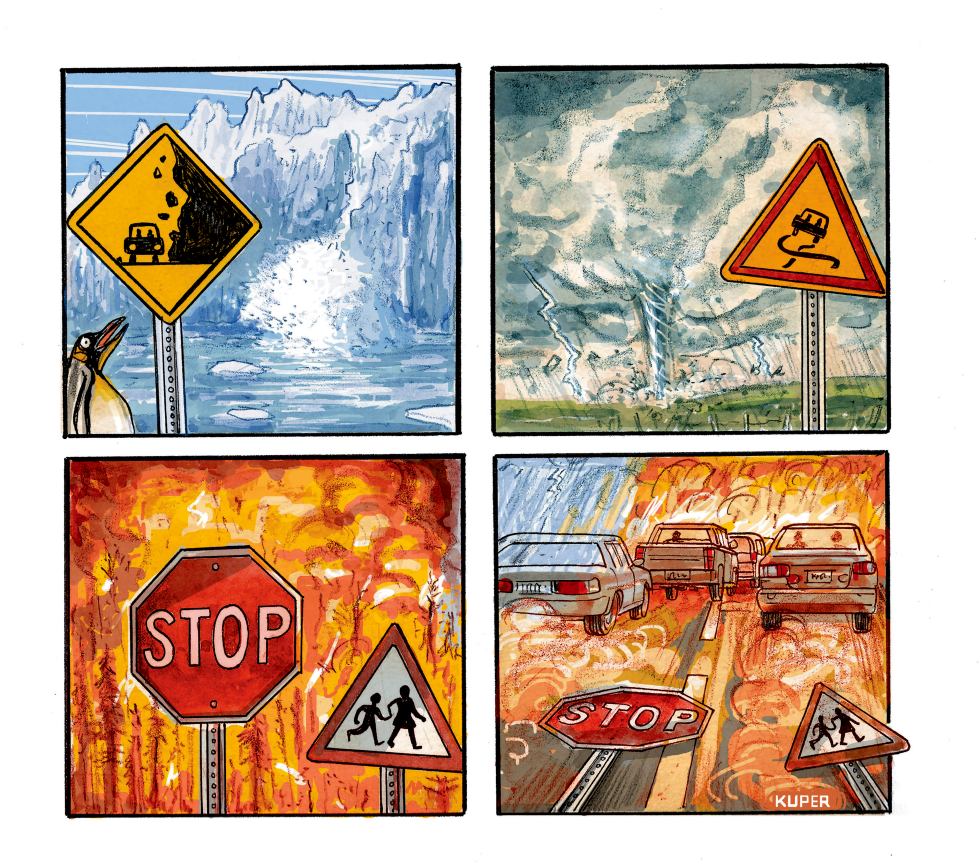
Activists in public spaces continue to draw parallels between accelerating climate impacts such as thawing permafrost and landslides in Switzerland and warnings about political conduct undermining democratic institutions in the United States. The signs highlight how environmental changes and governance failures each carry risks of sudden structural breakdown. The editorial stance underscores that both threats deserve equal public attention as visible warning indicators.
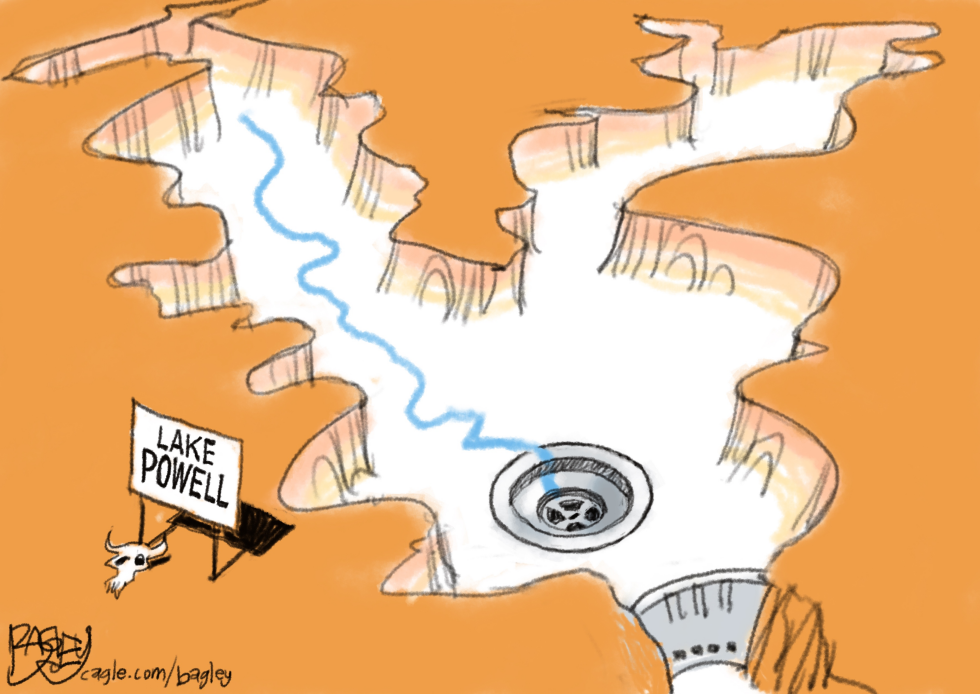
Ongoing drought has pushed Lake Powell to critically low levels along the Colorado River, threatening water supplies for millions across the western United States. The reservoir's continued decline raises urgent questions about allocation agreements among seven states and Mexico. The editorial highlights the severity of the water loss and calls for immediate policy action to address overuse and climate-driven shortages.
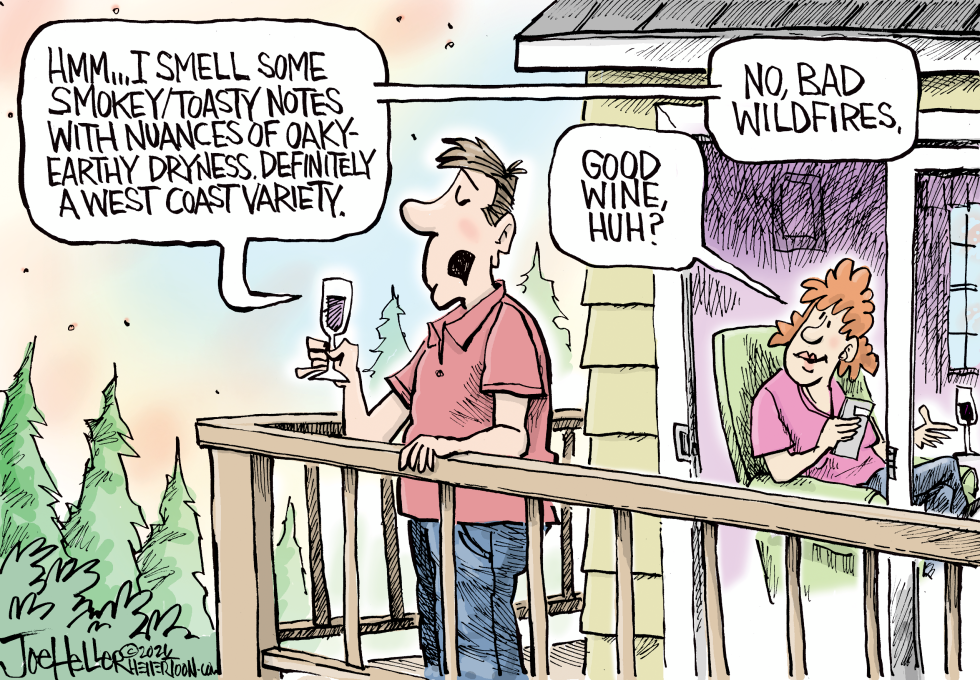
Wildfires burning across western regions have filled the air with thick smoke, prompting residents to stay indoors or adapt outdoor routines. The smoke's intensity has become noticeable even in casual settings like evening gatherings. This piece responds by showing a couple misidentifying the smoke as desirable wine characteristics, underscoring how routine activities now intersect with fire season realities and the need for greater awareness of environmental conditions.
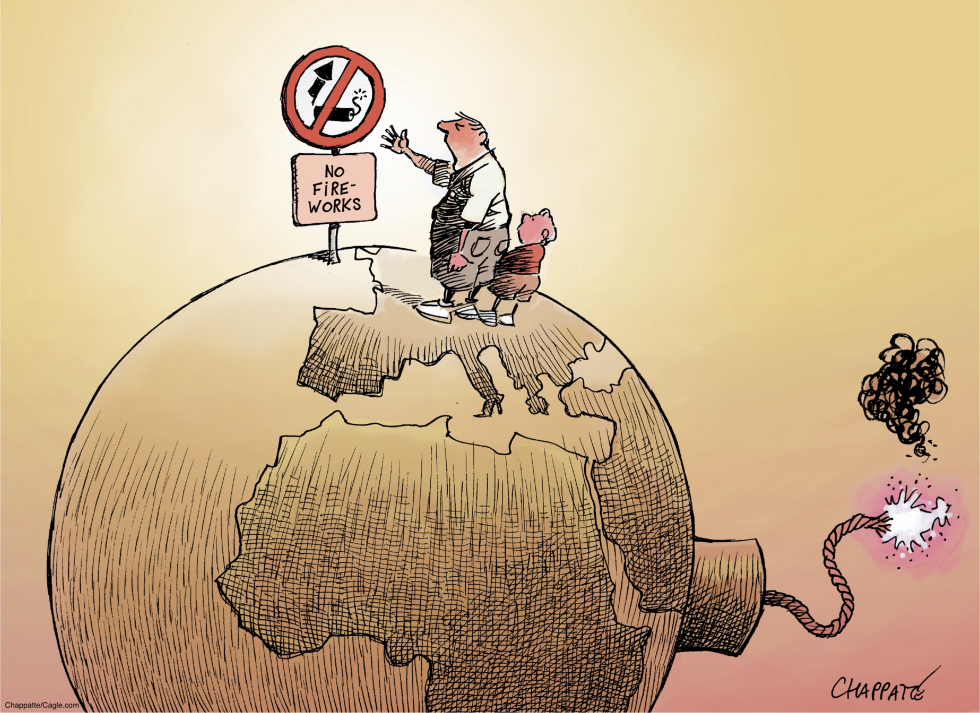
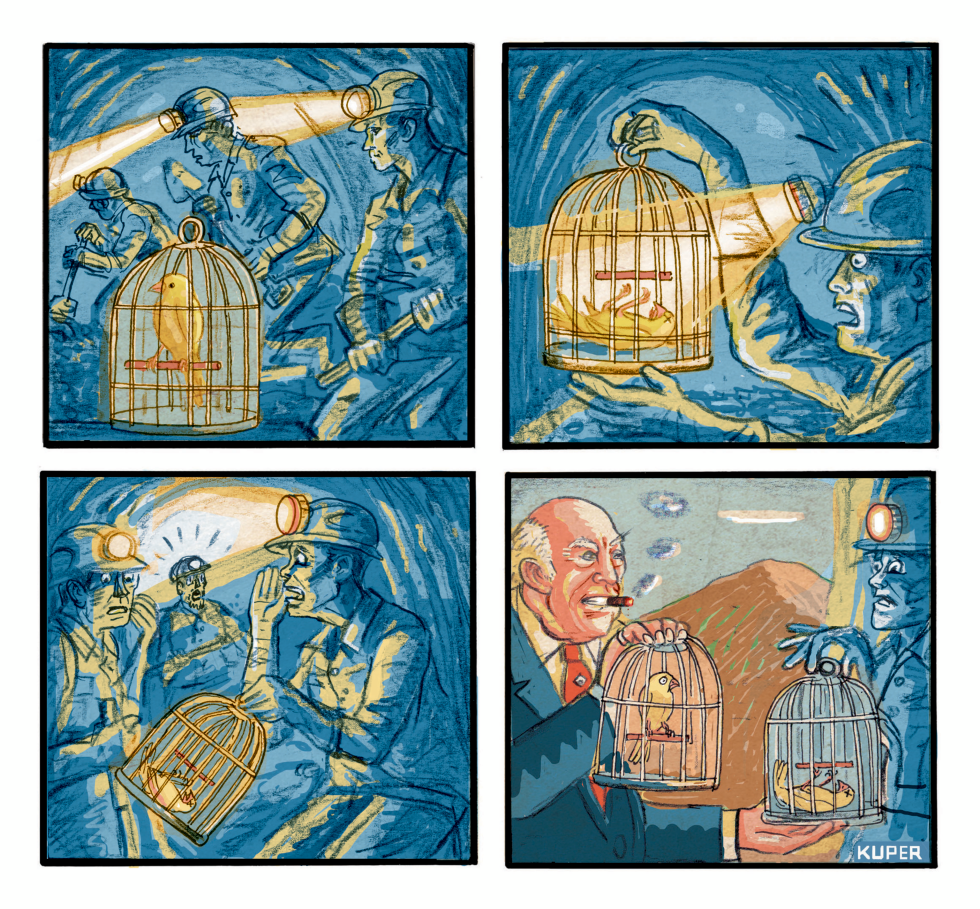
Global leaders continue to dismiss repeated scientific warnings about accelerating climate impacts even as extreme weather events intensify worldwide. The ongoing failure to curb emissions and adopt binding reductions leaves future generations exposed to rising temperatures, sea levels, and resource conflicts. The editorial argues that such willful disregard of clear danger signs amounts to reckless endangerment of the planet itself.
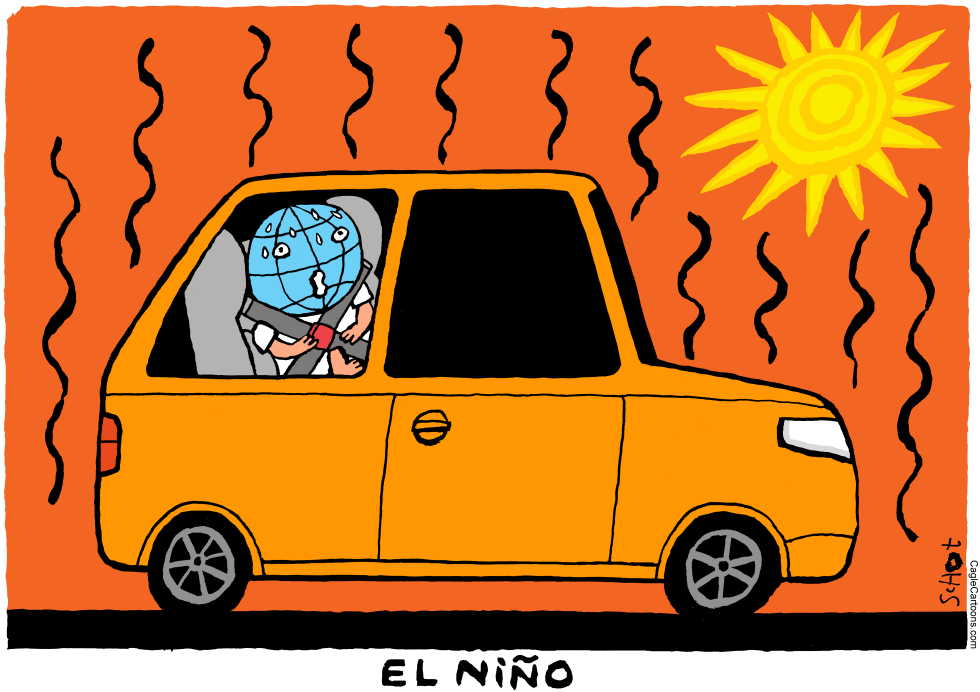
A yellow car sits under a bright sun with heat waves rising on an orange background. Inside the car a globe figure wearing a seatbelt sweats in the driver's seat. Large text at the bottom reads EL NIÑO.
On June 30 2026 two cartoon beavers dressed in Canadian flag attire stand on melting pavement holding ice cream cones that drip heavily during an intense heatwave. A red balloon marked 159 floats above while a speech bubble declares Canada Day cool anyway. A fried egg lies on the ground near the pink puddle formed by the melting treats.
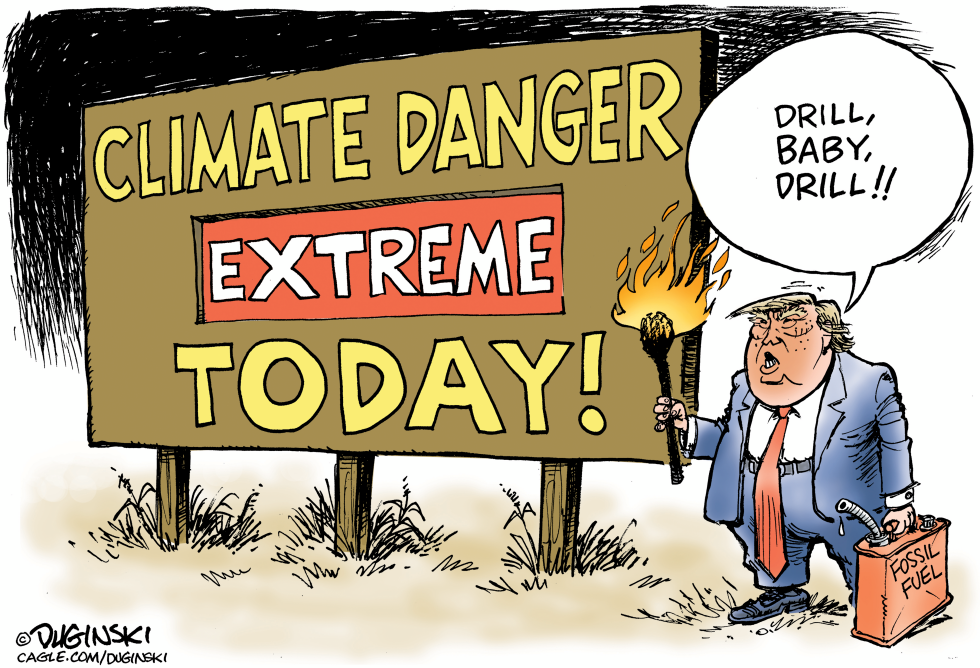
The cartoon shows a figure resembling President Donald Trump standing beside a large sign reading Climate Danger Extreme Today. He holds a lit torch in one hand and a can labeled Fossil Fuel in the other while shouting Drill Baby Drill in a speech bubble. The image responds to ongoing debates over fossil fuel policy and climate warnings active around the April 2026 publication date. Trump has long promoted expanded drilling and questioned climate alarm. The visual frames the president as directly confronting an official climate alert with traditional energy sources.
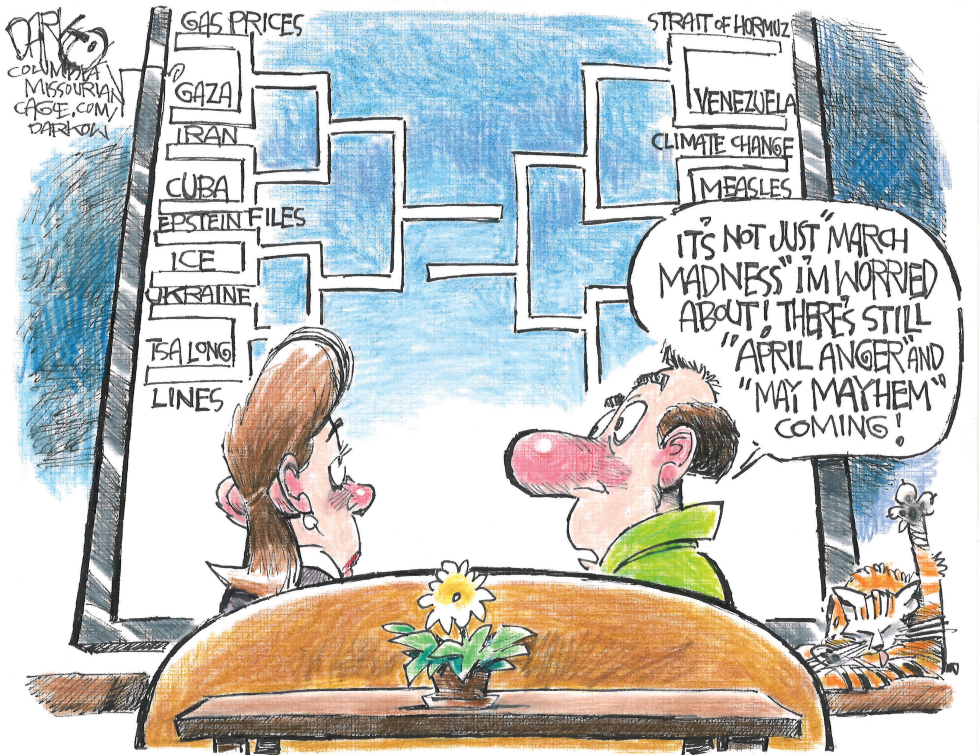
John Darkow's cartoon twists the March Madness tournament bracket into a lineup of global headaches, from gas prices spiking due to Strait of Hormuz tensions and Venezuela instability, to ongoing conflicts in Gaza and Ukraine. Measles outbreaks and climate change join the fray, alongside Cuba relations, Epstein files, ICE policies, and long TSA lines. The scene shows a couple at a table, with the man fretting that it's not just March Madness to worry about—April Anger and May Mayhem loom. A potted daisy and a striped cat add a touch of domestic normalcy to the absurd bracket of woes. This piece captures the relentless parade of news cycle disasters, using at least six tags like March Madness, Strait of Hormuz, Venezuela, measles, gas prices, and Gaza.
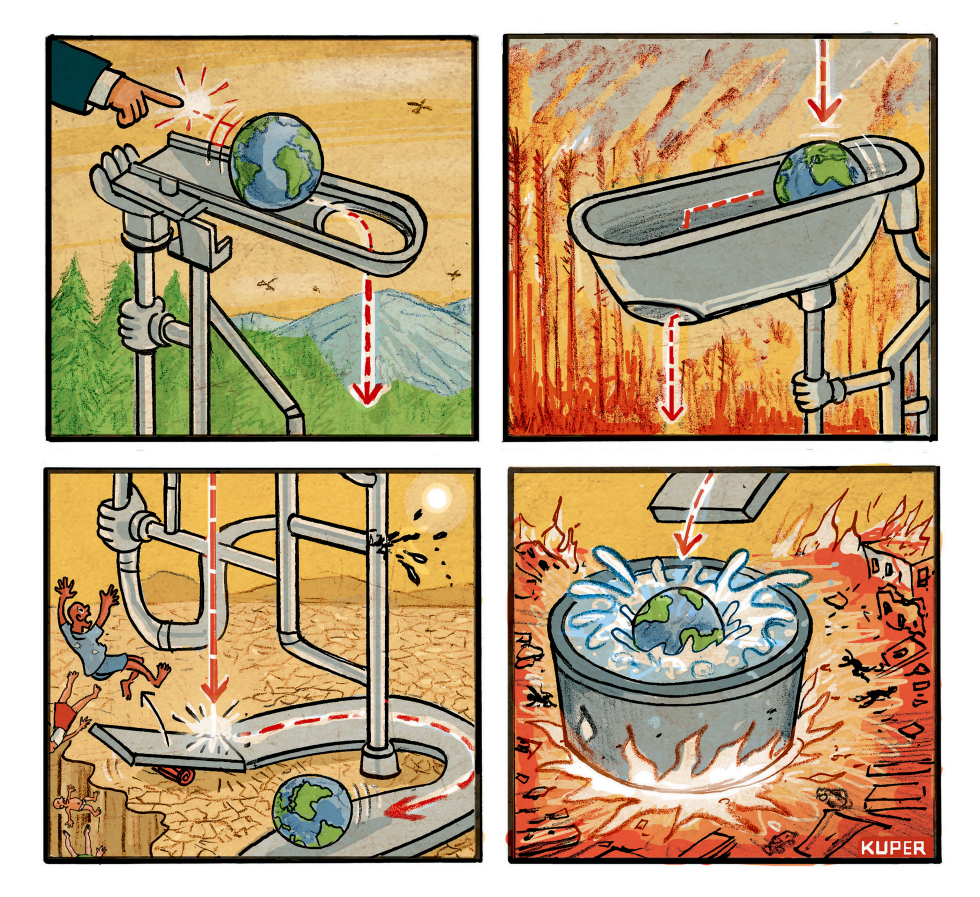
Peter Kuper's four-panel cartoon from April 2023 uses familiar road signs to illustrate climate impacts. The top left shows a penguin beside a cliff-fall warning amid melting ice. The top right depicts lightning and a tornado near a skid sign. Bottom panels show flames surrounding stop and crossing signs on a highway jammed with burning cars. The work responds to ongoing reports of record heat, wildfires and ice loss that spring.