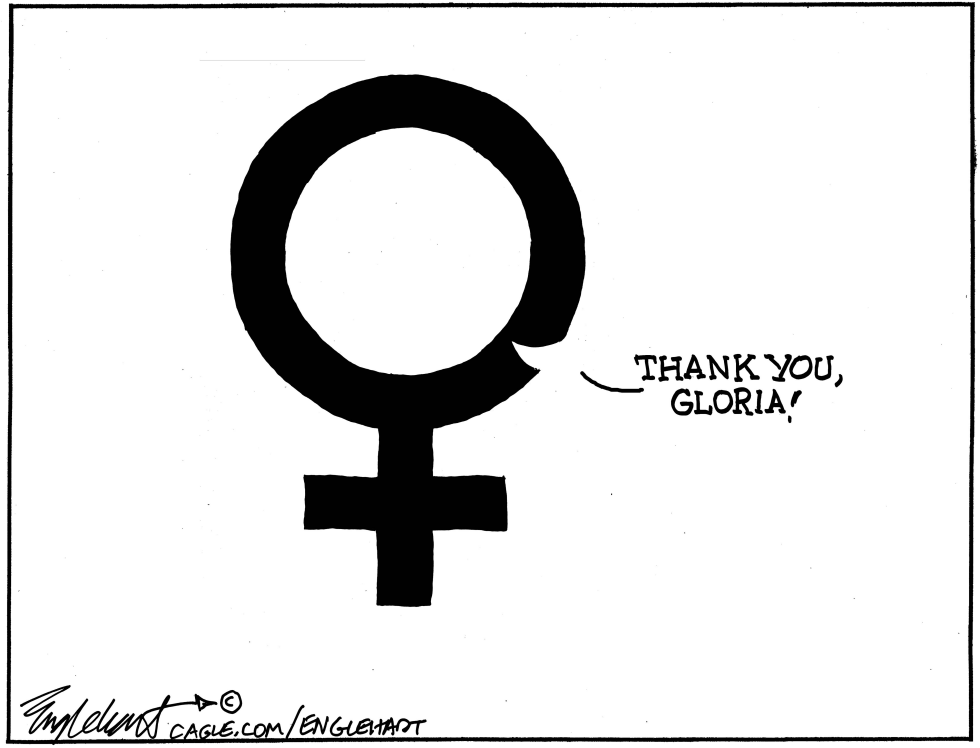
Gloria Steinem, a leading voice in the women's movement, is honored in this memorial tribute. Her decades of advocacy helped shape public discourse on gender equality and reproductive rights. The piece reflects appreciation for her foundational work in feminism.
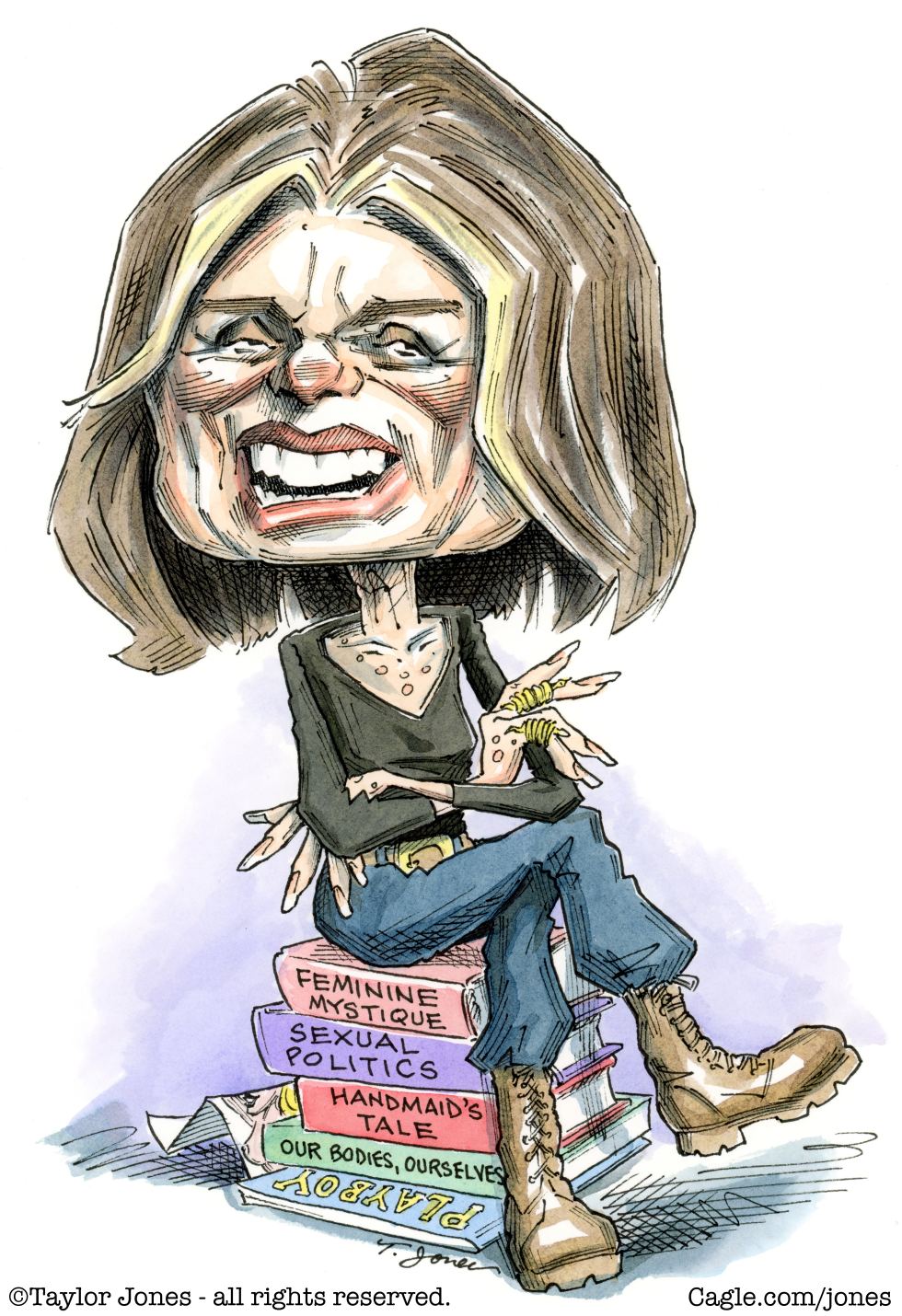
Gloria Steinem remains a central figure in American feminism decades after her rise to prominence. Her work helped popularize second-wave ideas on equality and reproductive rights. The image places her on a stack of landmark feminist books to underscore her connection to that intellectual tradition.
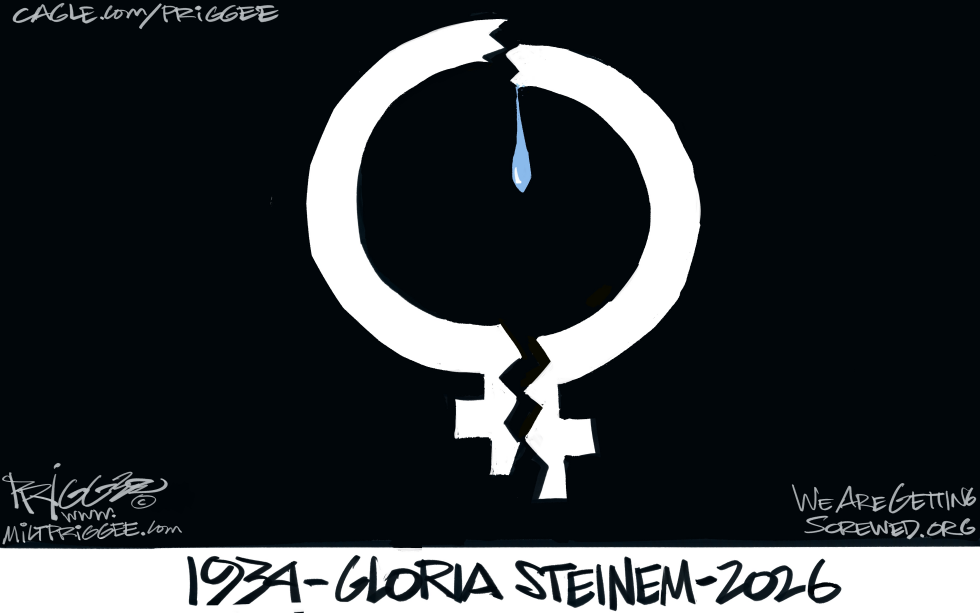
Gloria Steinem, the pioneering feminist activist and journalist, died in 2026 at age 92. Her work advanced women's rights, reproductive freedom, and gender equality over decades. The tribute reflects on her influence and the sense of loss felt by supporters of those causes.
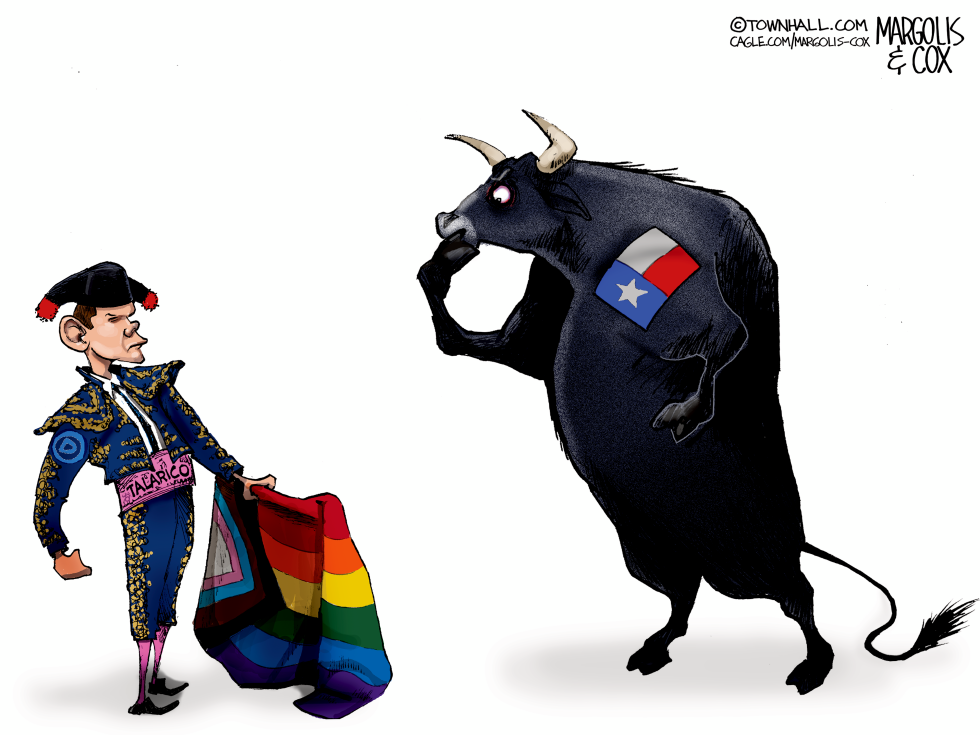
State Rep. James Talarico has drawn attention for defending LGBTQ rights amid Texas legislative pushes to limit pride symbols in public settings. The standoff highlights ongoing partisan divides in the state capitol. The piece portrays Talarico as a lone figure holding the line against institutional resistance.
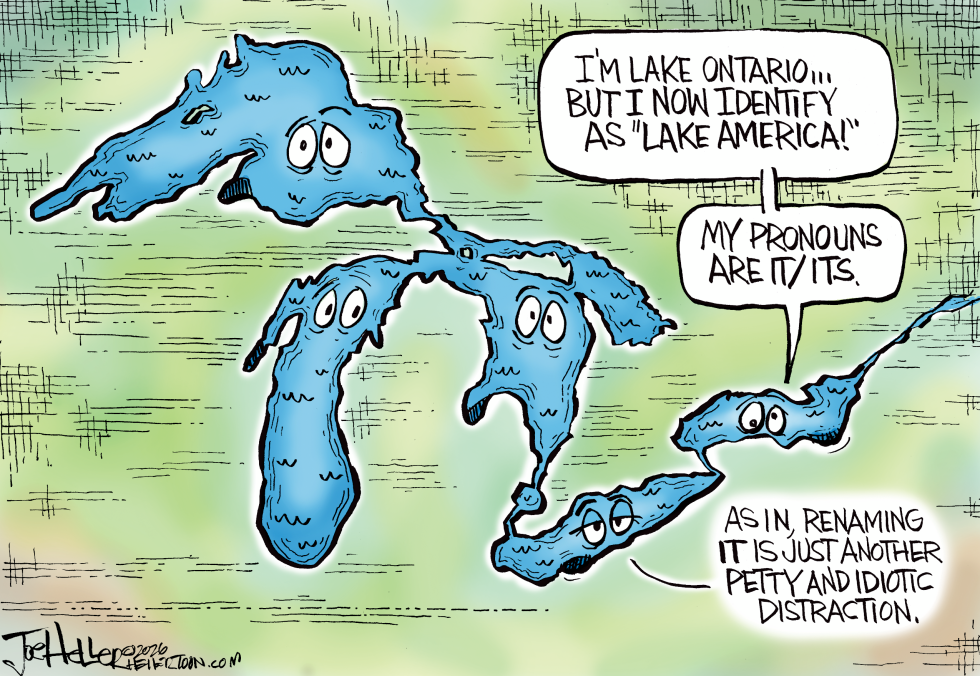
Lake Ontario publicly declares a new identity as Lake America and adopts it/its pronouns. The move draws immediate pushback from other Great Lakes figures who call the renaming a petty distraction. The piece argues such identity gestures divert attention from substantive issues facing the region.
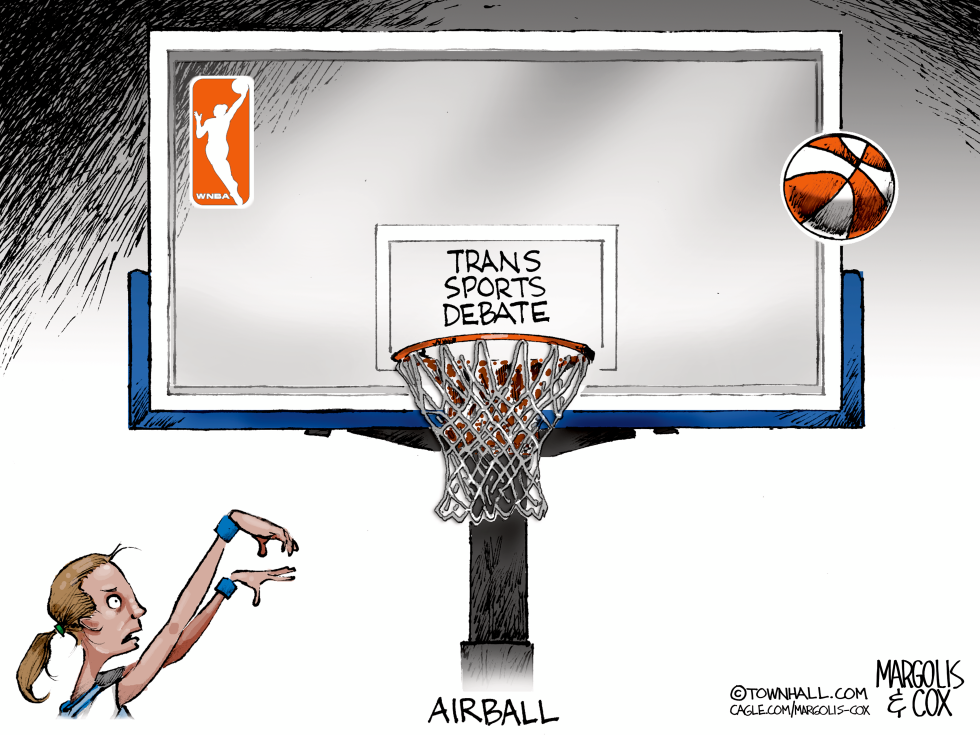
The WNBA has drawn criticism for its handling of transgender participation in women's sports amid ongoing policy debates. A recent cartoon uses a basketball airball metaphor to highlight the league's perceived avoidance of the issue. The piece argues the organization is failing to address fairness concerns raised by athletes and fans. Critics say the league prioritizes other messaging over resolving competitive equity questions in women's basketball.
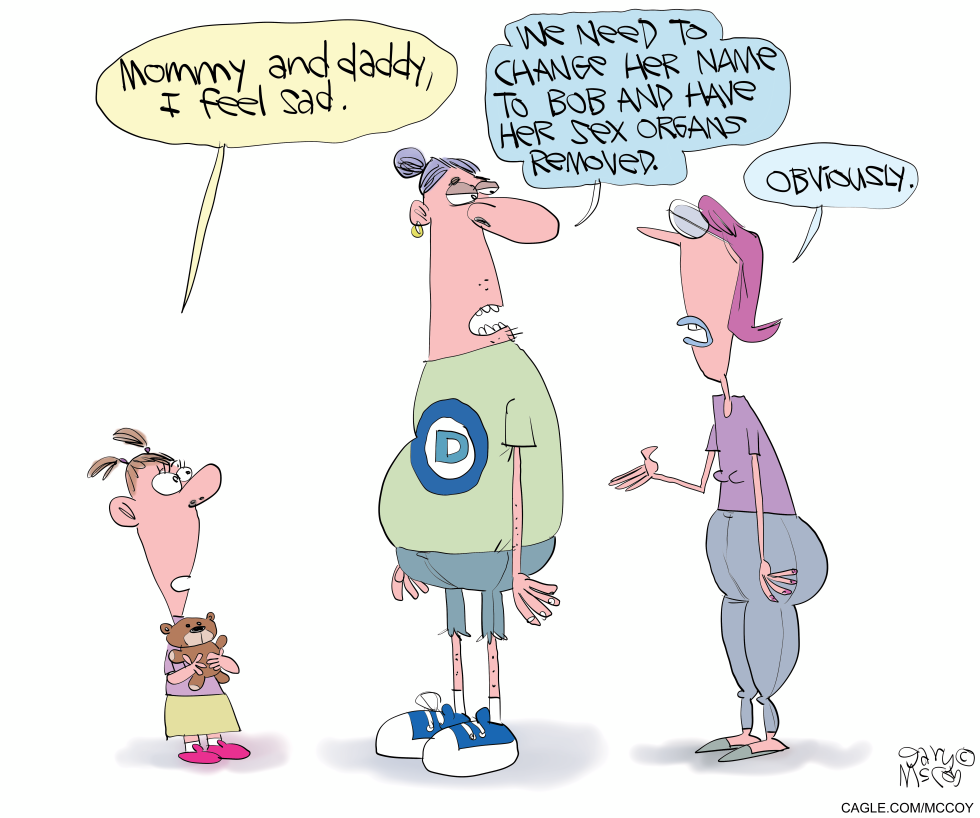
A child tells parents she feels sad. The adults immediately discuss changing the child's name to Bob and removing her sex organs. The exchange highlights a rapid pivot from emotional distress to medical intervention in family settings. The piece takes the position that such responses overlook the stated feeling and rush toward irreversible steps.
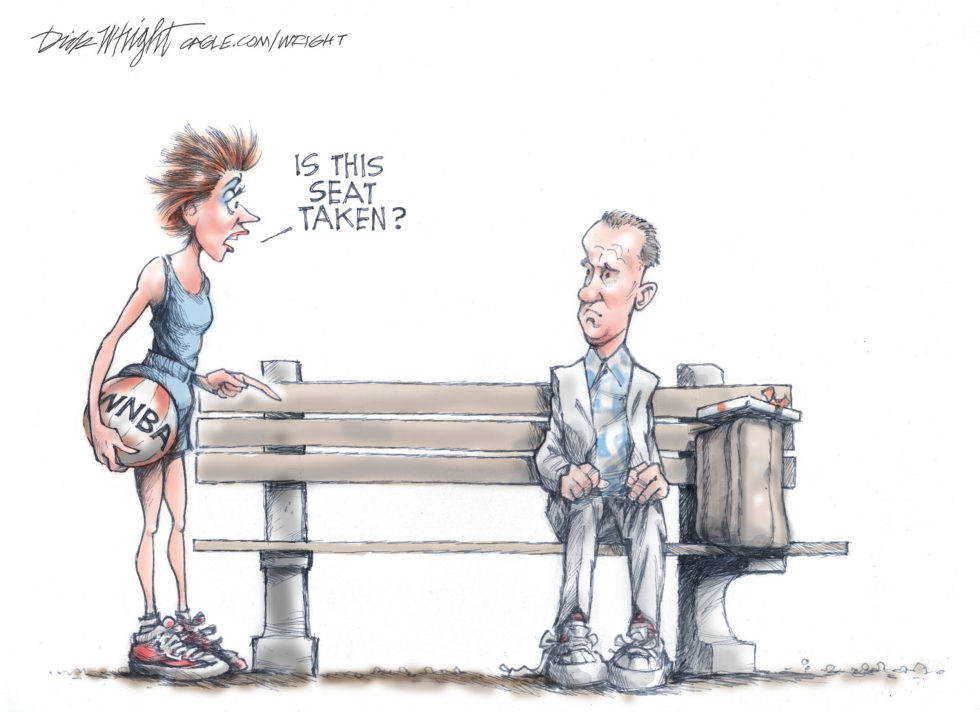
A WNBA player approaches a man seated on a park bench and asks if the seat is taken. The exchange highlights ongoing debates over gender dynamics and public interactions in sports contexts. The piece presents the moment as an illustration of shifting social boundaries.
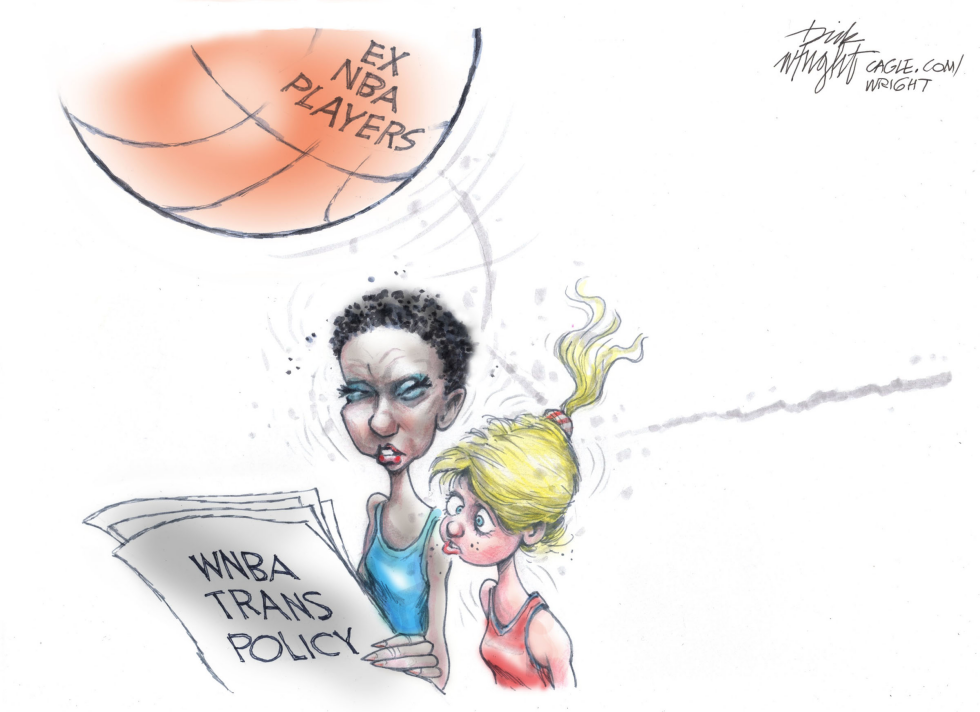
Former NBA players have begun publicly commenting on the WNBA's transgender participation policy amid broader discussions about fairness and safety in women's professional basketball. The involvement of ex-NBA voices adds external pressure to an internal league matter that affects roster decisions and competitive standards. The piece portrays the policy review as under direct challenge from these outside perspectives.
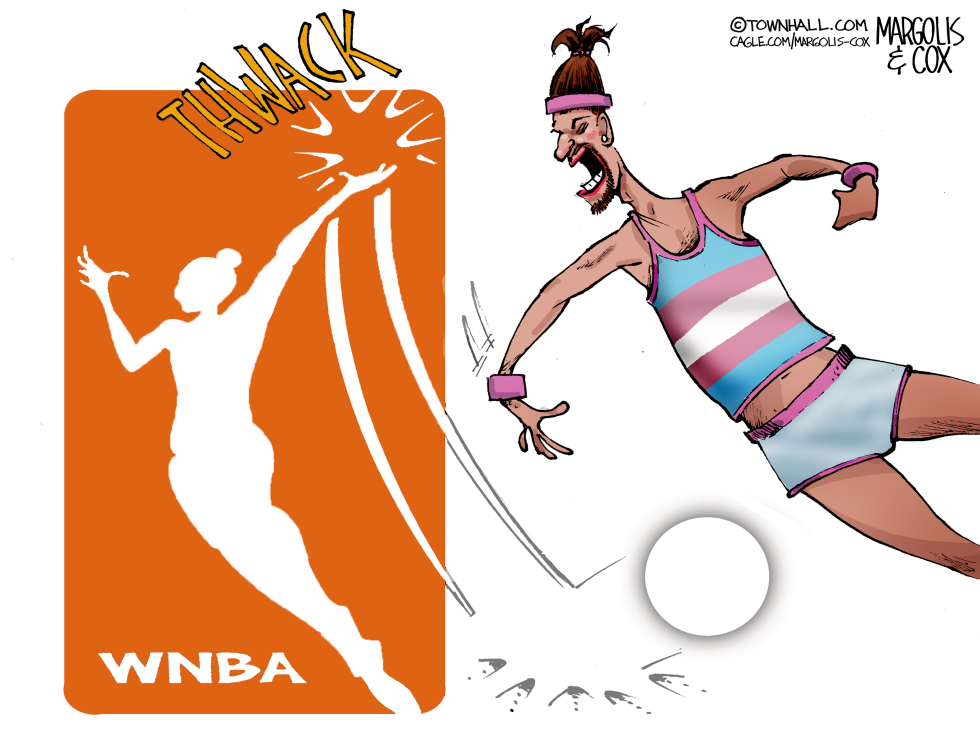
A transgender athlete in women's basketball draws renewed scrutiny as debates over fairness and eligibility persist in professional leagues. The piece critiques the inclusion of biological males in female competitions.
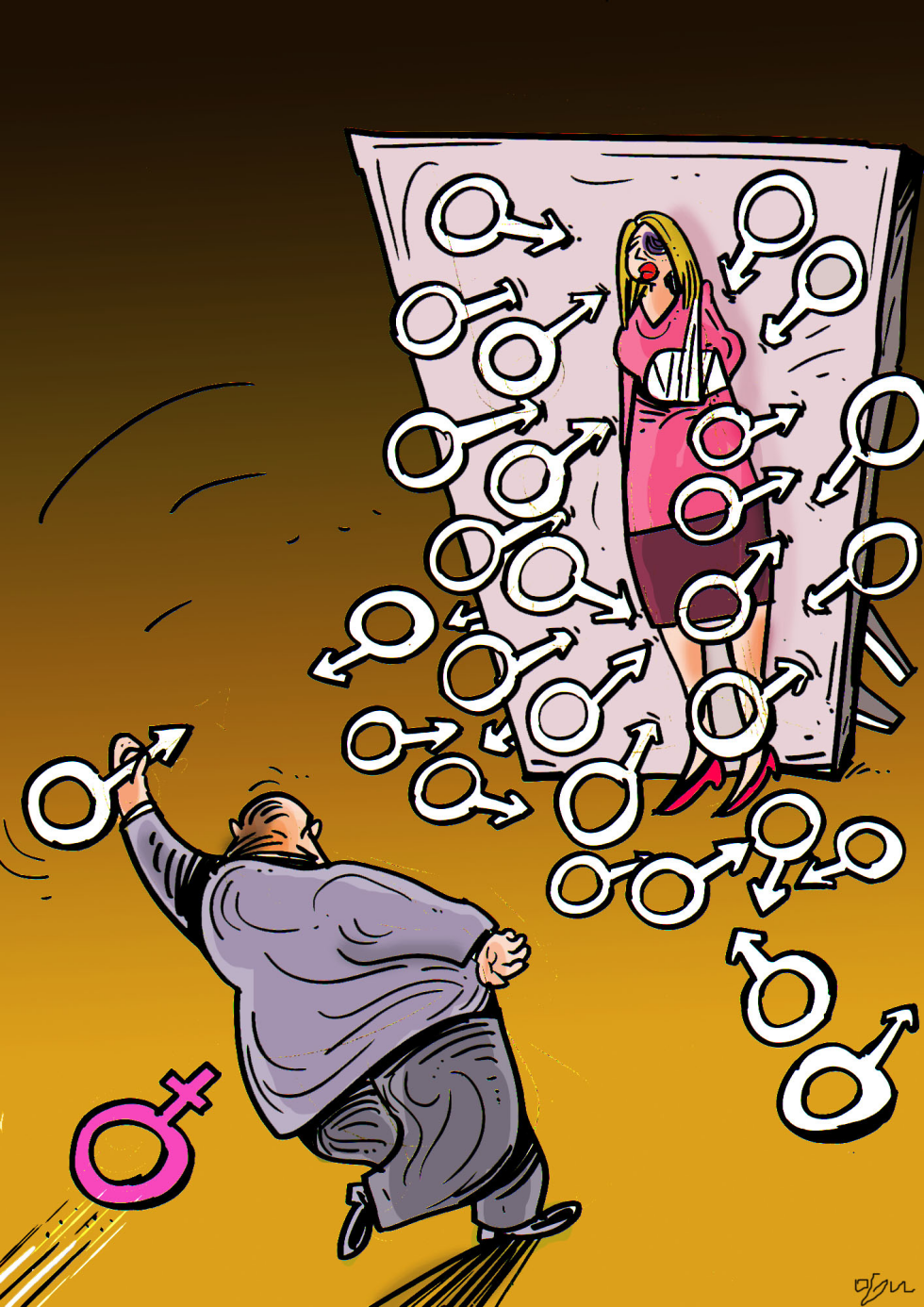
Violence against women remains a persistent social problem, with physical assaults and intimidation continuing in many communities. The piece responds to this ongoing dynamic by showing a male figure directing male symbols at an already injured woman, underscoring the editorial position that such aggression must be confronted directly.
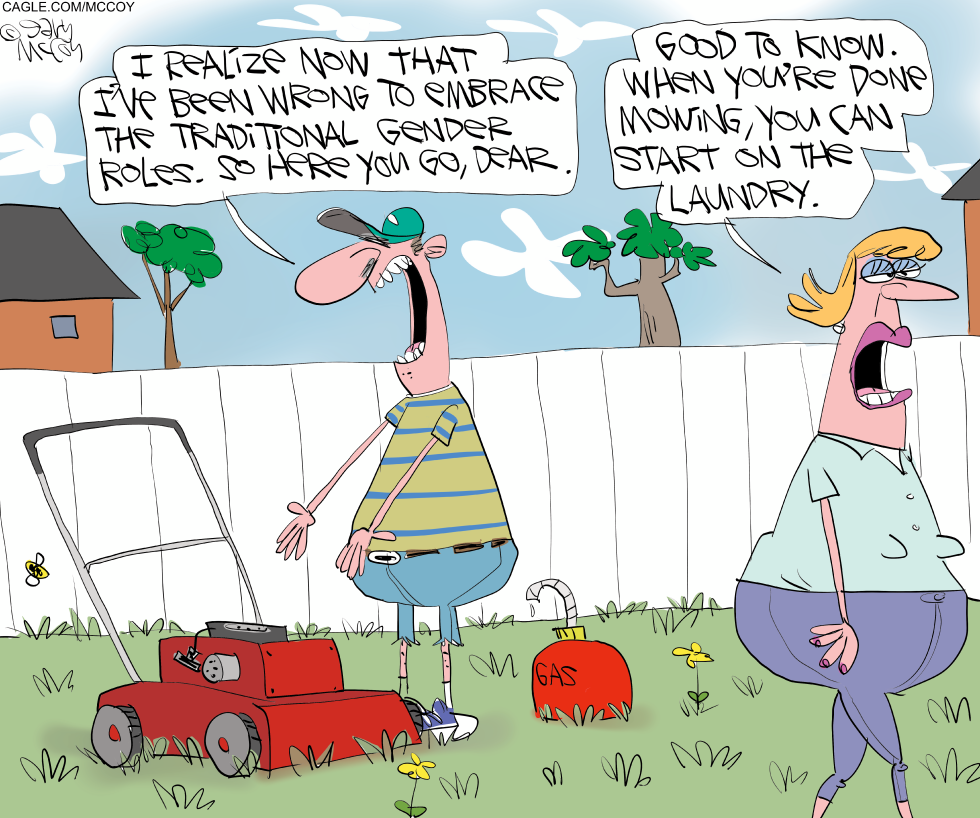
A man publicly rejects traditional gender roles and hands over the lawn mower in a suburban backyard. The woman responds by directing him to laundry afterward. The piece highlights ongoing cultural friction over household task divisions and expectations around gender.
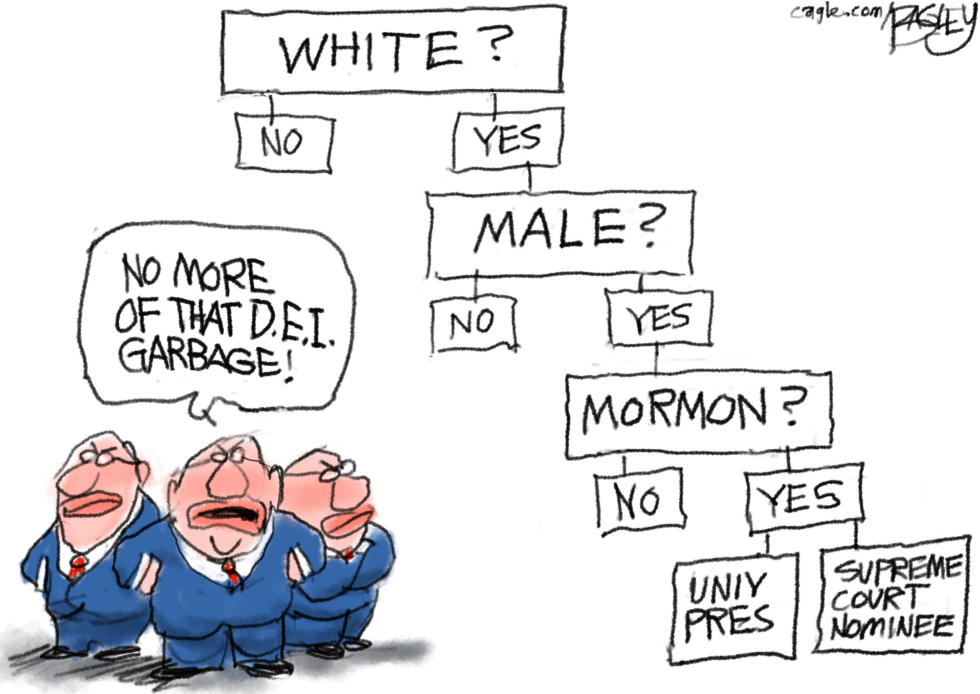
A flowchart circulating in political circles outlines a narrow path to Supreme Court nomination that begins with questions about race, gender and religion. The diagram routes only white male Mormons to the top position while directing others toward university presidencies. Three figures in the image voice opposition to diversity initiatives. The piece responds to ongoing debates over judicial selection standards and identity considerations in appointments. It takes the position that such rigid criteria undermine broader merit-based processes.