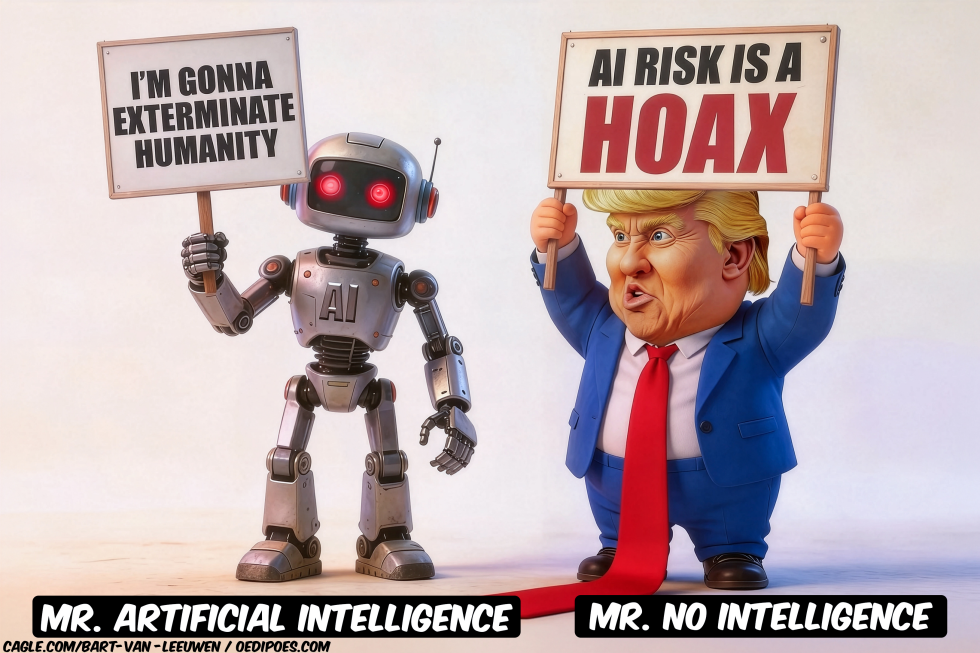
A new political cartoon depicts Donald Trump holding a sign declaring AI risk a hoax beside a robot labeled AI that warns of exterminating humanity. The image, published September 14, 2026, by artist Bart van Leeuwen, contrasts the two figures with bottom labels reading Mr. Artificial Intelligence and Mr. No Intelligence. It responds to ongoing public discussion about artificial intelligence safety and regulation. Trump has previously downplayed concerns about advanced AI systems in public statements. The cartoon uses visual contrast to critique dismissal of potential technological threats.
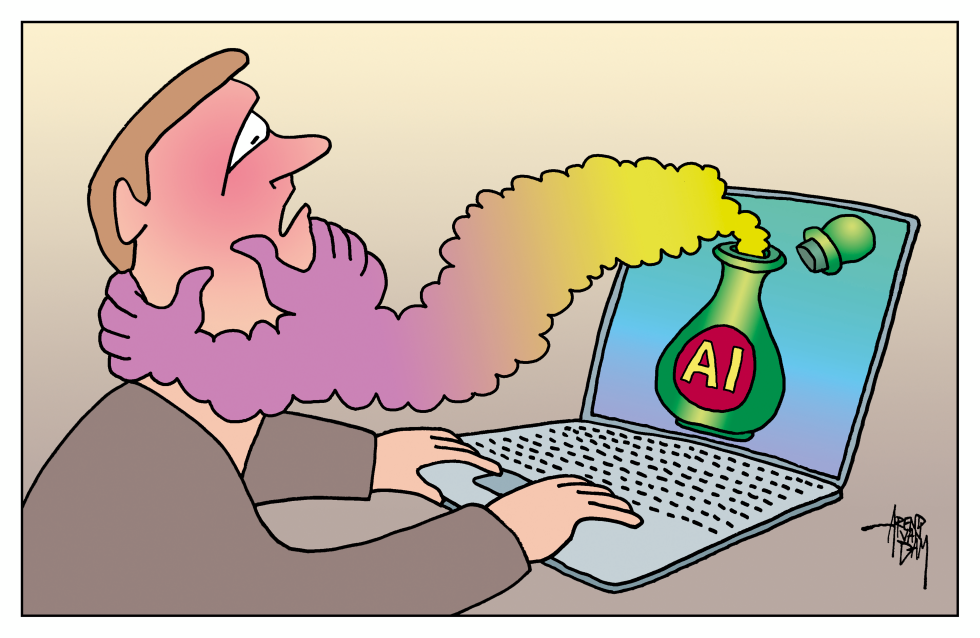
Artificial intelligence continues to advance rapidly in 2026, moving from contained software tools into broader daily interactions. Developers and users alike confront questions about control and unintended effects as AI systems grow more autonomous. The cartoon frames this development as an escape from the bottle, highlighting concerns that once-released capabilities cannot be easily contained or reversed.
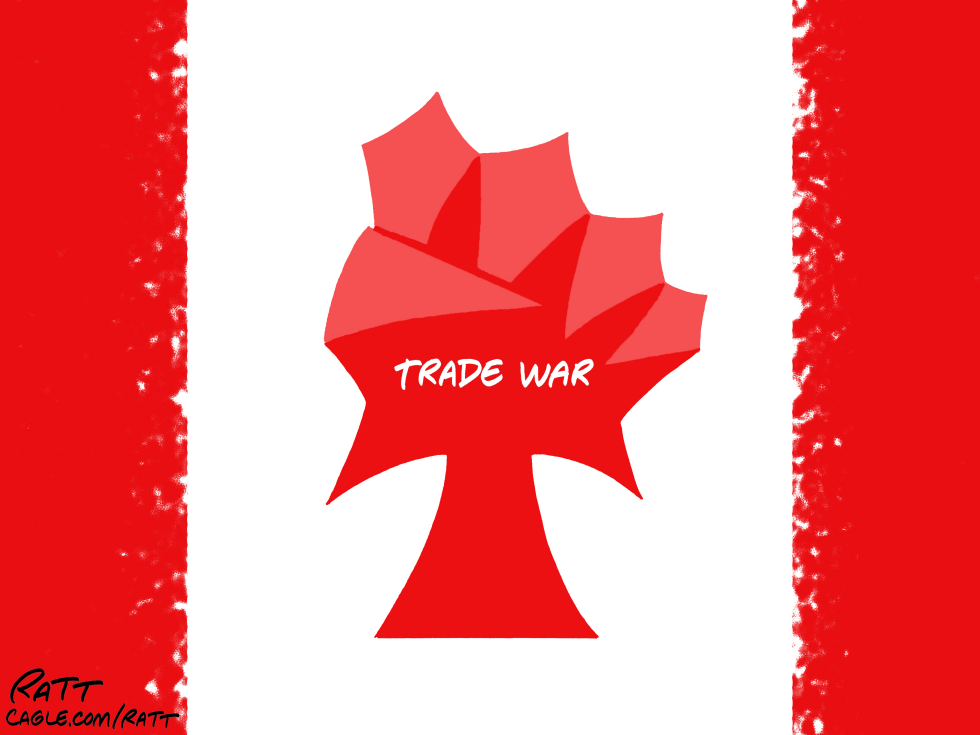
Ongoing US-Canada trade tensions escalated in 2026 with new tariff threats targeting Canadian exports. The dispute threatens key sectors including autos, lumber and agriculture, raising costs for consumers on both sides of the border. Canada has signaled plans to diversify markets and strengthen domestic industry. The cartoon frames the conflict as a direct assault on Canadian sovereignty and economic stability. It portrays the trade war as fracturing national symbols while urging a stronger northern response.
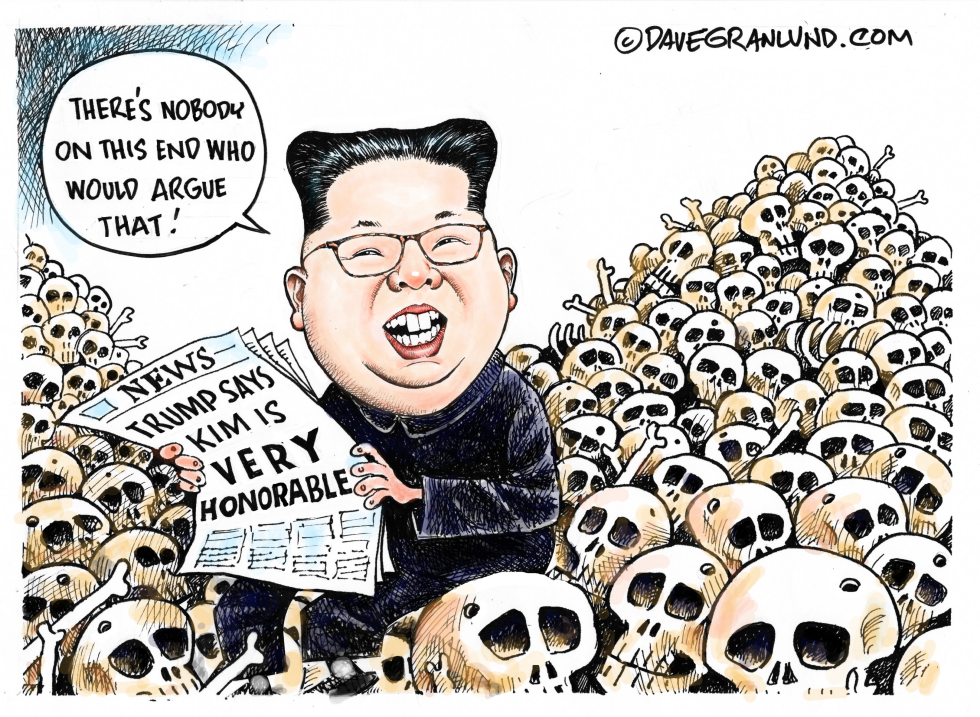
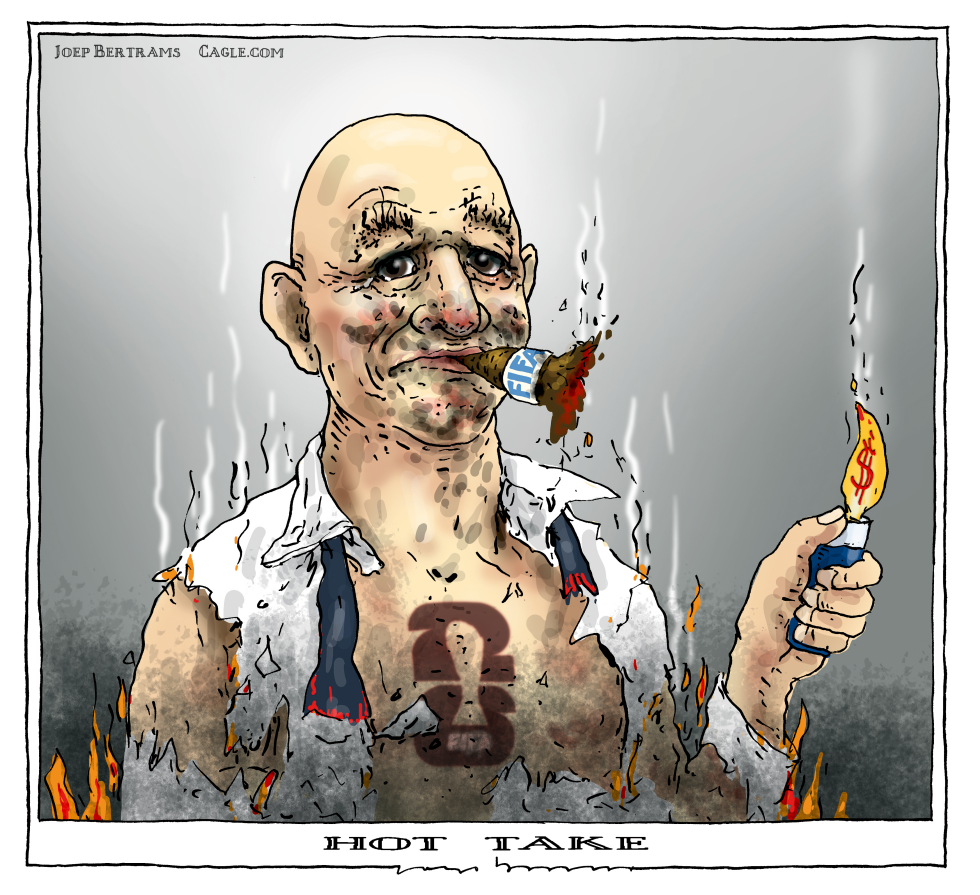
Donald Trump publicly described North Korean leader Kim Jong-un as very honorable. The remark revives questions about U.S. engagement with a regime long accused of severe human rights abuses and internal purges. Critics argue such language undercuts pressure on Pyongyang and signals weakness to allies. Supporters see it as pragmatic diplomacy aimed at reducing nuclear risks. The statement fits a pattern of personal assessments of foreign leaders that have drawn both support and condemnation depending on the political side. The editorial position holds that the praise ignores the human cost inside North Korea and weakens the moral standing of U.S. foreign policy.
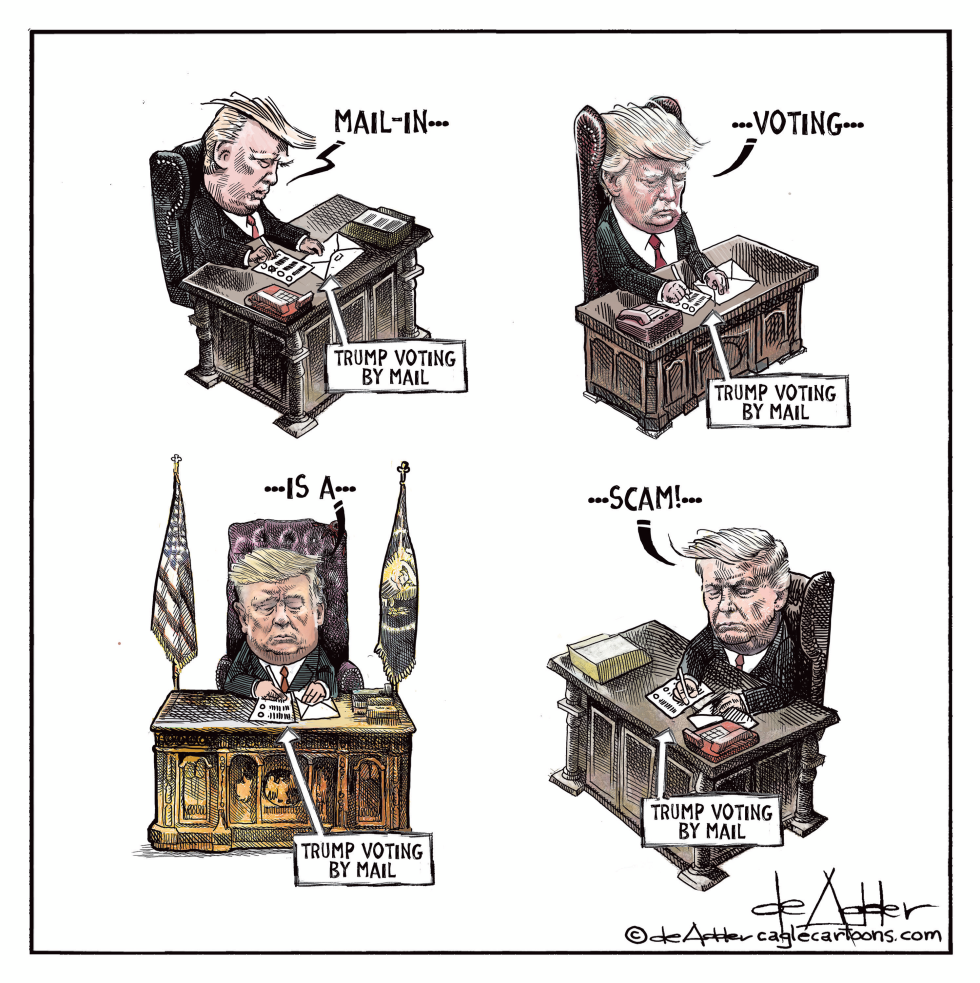
A four-panel cartoon by Michael de Adder published August 18, 2026, shows Donald Trump seated at desks completing mail-in ballots. Text builds across panels to spell MAIL-IN VOTING IS A SCAM while each scene is labeled TRUMP VOTING BY MAIL. The work responds to ongoing debates over mail voting ahead of the 2026 midterms. Trump has repeatedly questioned the security of mail ballots in public statements. The cartoon uses repetition to highlight the contrast between those statements and the depicted actions. No specific new event from the prior month is named in the image itself.
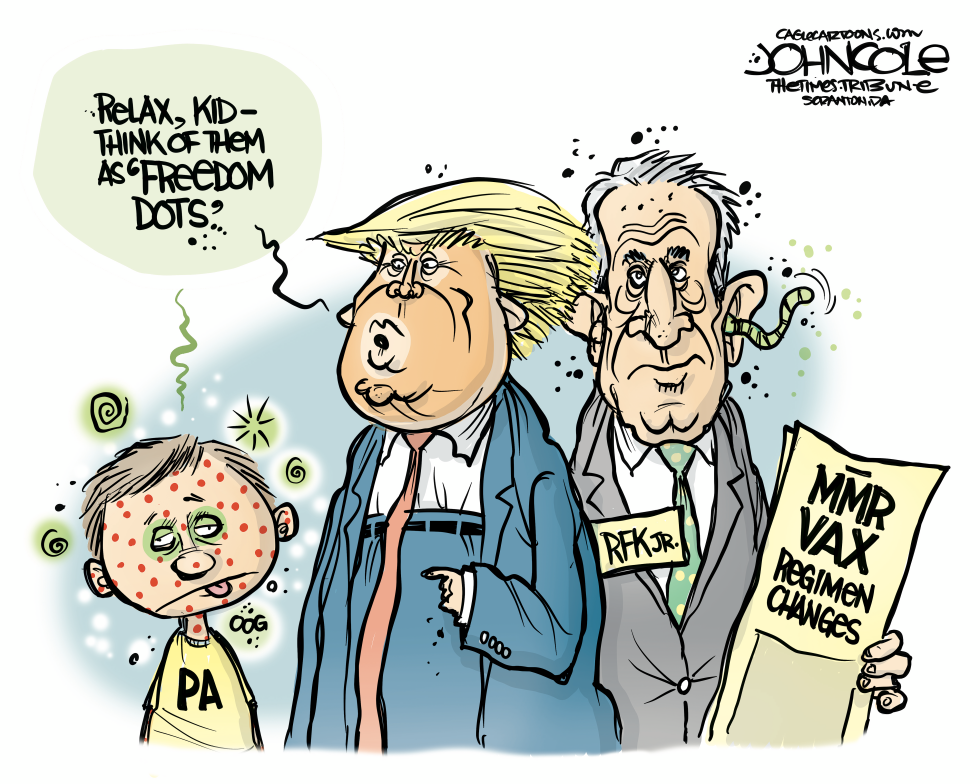
Donald Trump and RFK Jr. drew criticism in mid-August 2026 after Trump referred to measles spots as freedom dots during a Pennsylvania visit. The remarks coincided with proposed changes to MMR vaccine schedules. The piece portrays the comments as dismissive of a child's suffering and questions the administration's public health approach.
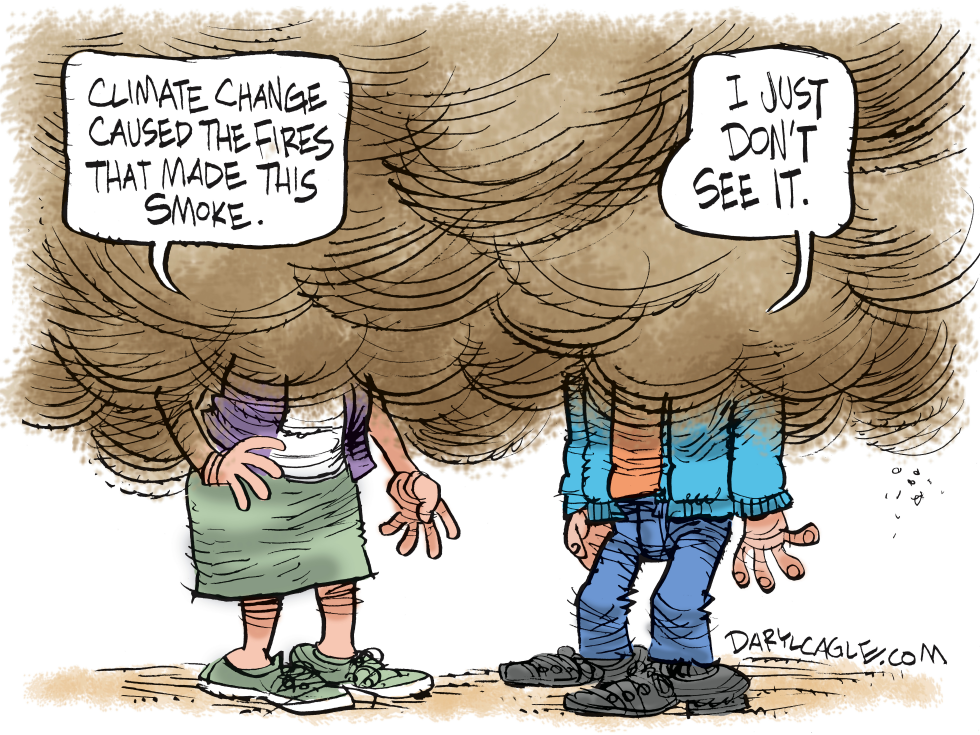
Canadian wildfires have produced widespread smoke affecting air quality across regions. The debate centers on whether climate change drives the fires or if other factors dominate. Public discourse shows persistent skepticism despite visible evidence. The piece highlights how some reject the link between rising temperatures and increased fire activity. It critiques the refusal to acknowledge observable environmental changes tied to climate patterns.
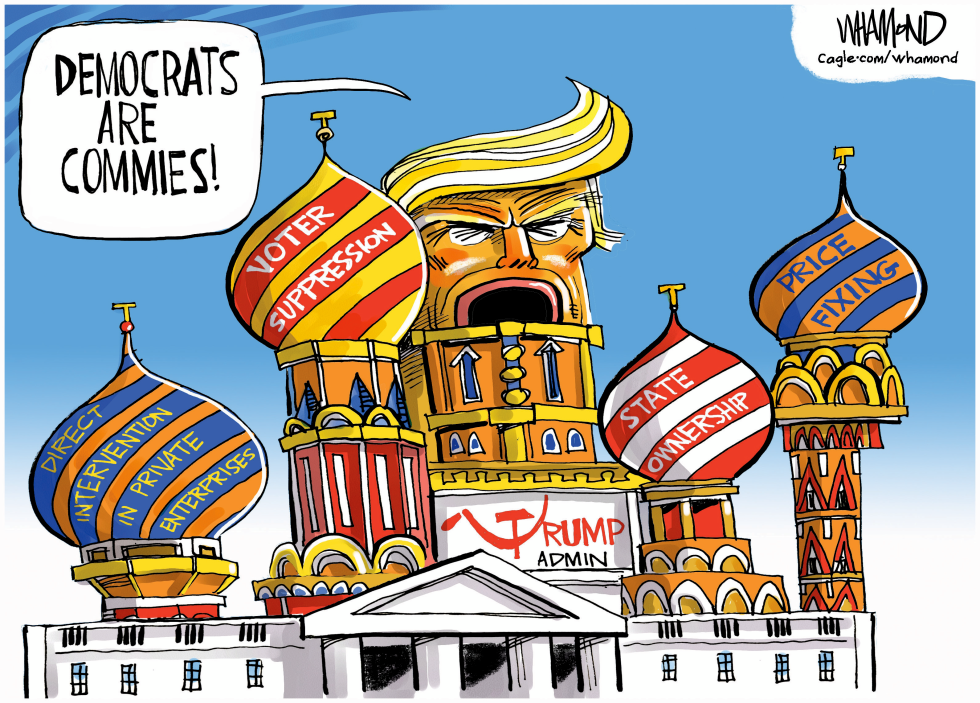
Donald Trump has renewed attacks labeling Democrats as communists amid ongoing debates over election rules and economic interventions. The accusation revives Cold War-era rhetoric in current political discourse. The piece portrays the Trump administration itself as adopting the very state-control measures it condemns.
Elon Musk's public commentary on cryptocurrency markets continues to drive price swings and investor attention in 2026. His recent statements coincide with renewed volatility in Bitcoin trading. The editorial takes a critical view of how such high-profile interventions amplify market instability rather than stabilize it.
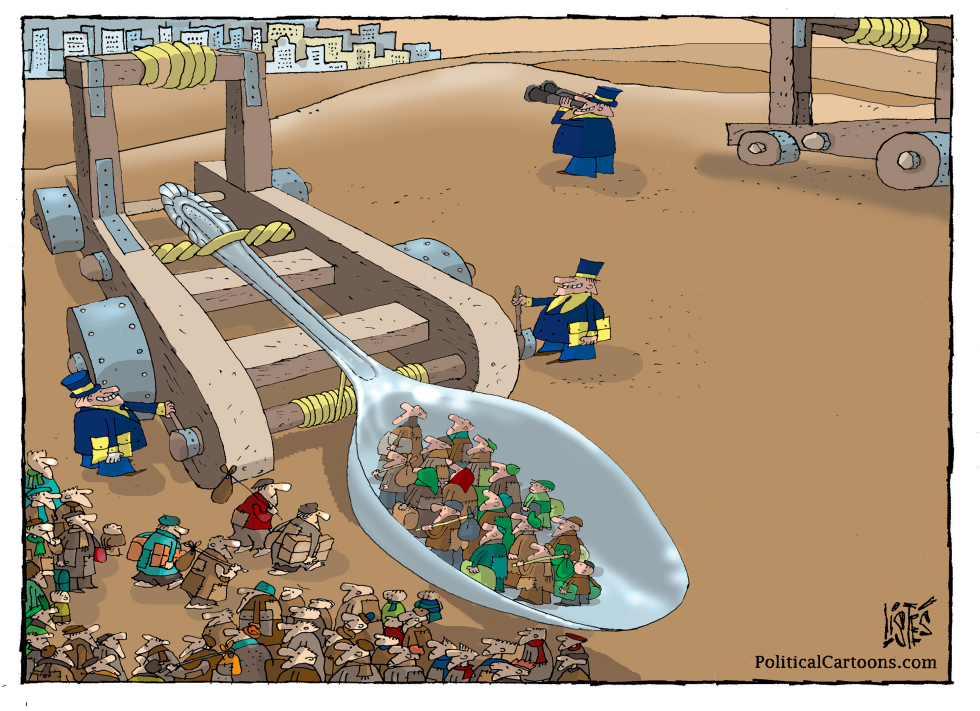
Border authorities continue to manage large inflows of refugees heading into major cities through various channels. The situation highlights ongoing debates over entry methods and urban capacity. Officials monitor the process closely as numbers rise. The piece argues that current approaches resemble mechanical ejection rather than orderly integration.
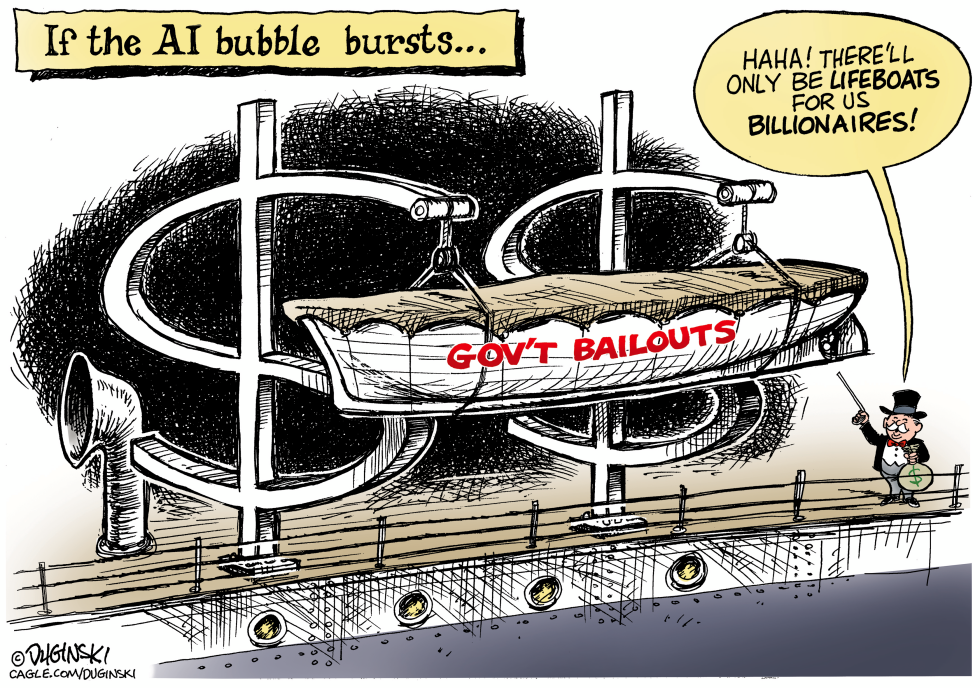
Speculation grows over potential government intervention if the artificial intelligence sector experiences a sharp downturn. Industry leaders and investors face questions about whether public funds would support failing companies. The editorial argues that any such support would primarily protect billionaires rather than address wider economic fallout from overvalued tech assets.
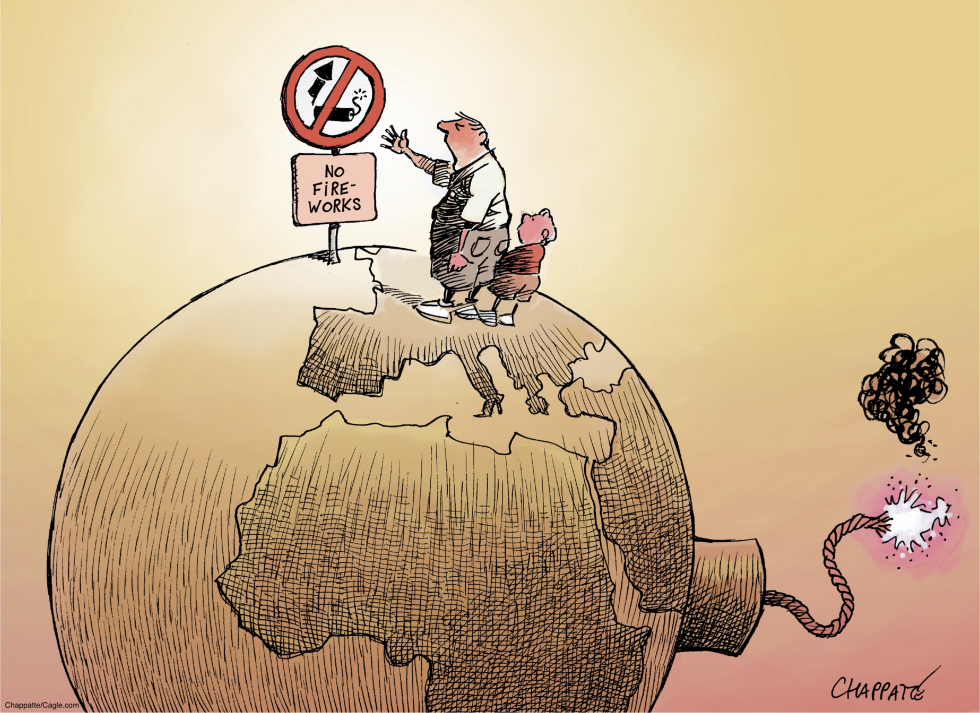
Global leaders continue to dismiss repeated scientific warnings about accelerating climate impacts even as extreme weather events intensify worldwide. The ongoing failure to curb emissions and adopt binding reductions leaves future generations exposed to rising temperatures, sea levels, and resource conflicts. The editorial argues that such willful disregard of clear danger signs amounts to reckless endangerment of the planet itself.
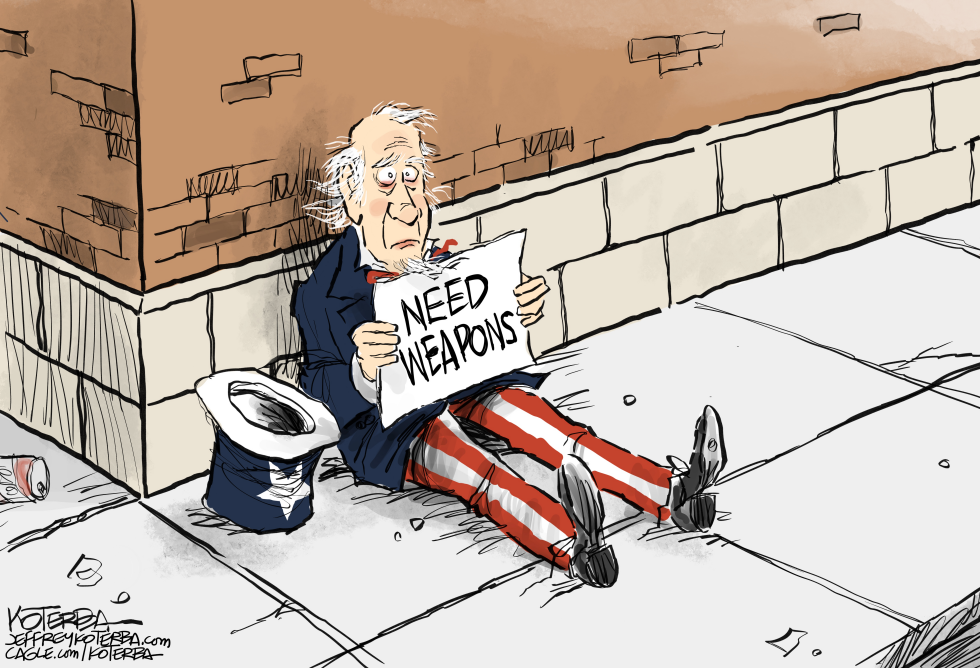
Uncle Sam appears as a disheveled figure on a sidewalk holding a sign requesting weapons. The image captures an ongoing national debate over military resources and international commitments. The editorial stance highlights perceived weakness in current arms policy and funding priorities.
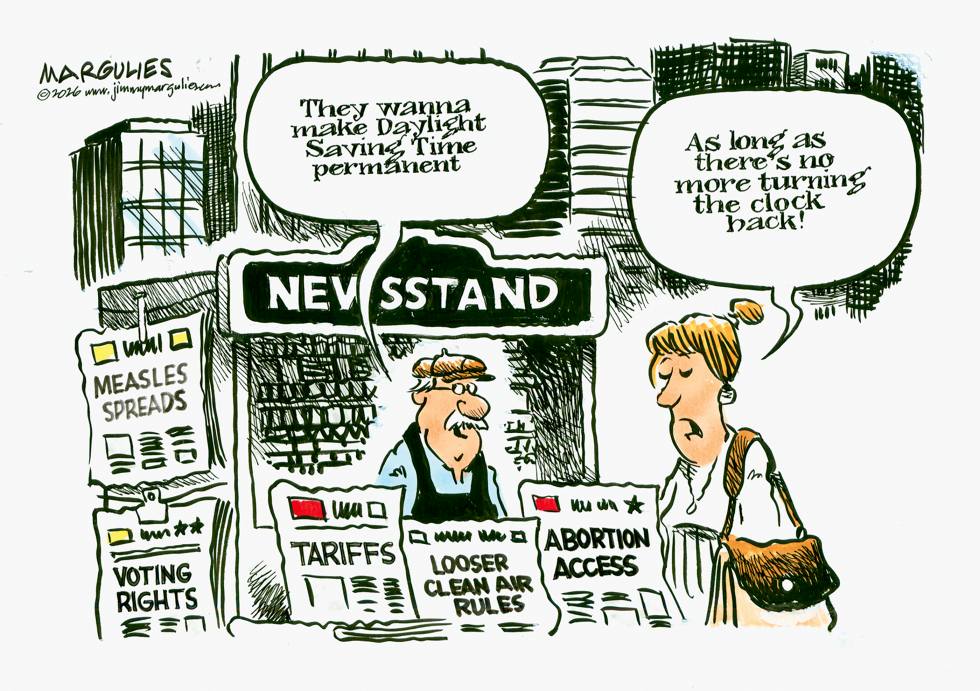
Proposals to make daylight saving time permanent coincide with debates over tariffs, abortion access, voting rights and environmental rules. The cartoon frames these as part of a broader pattern of policy shifts that some view as steps backward.
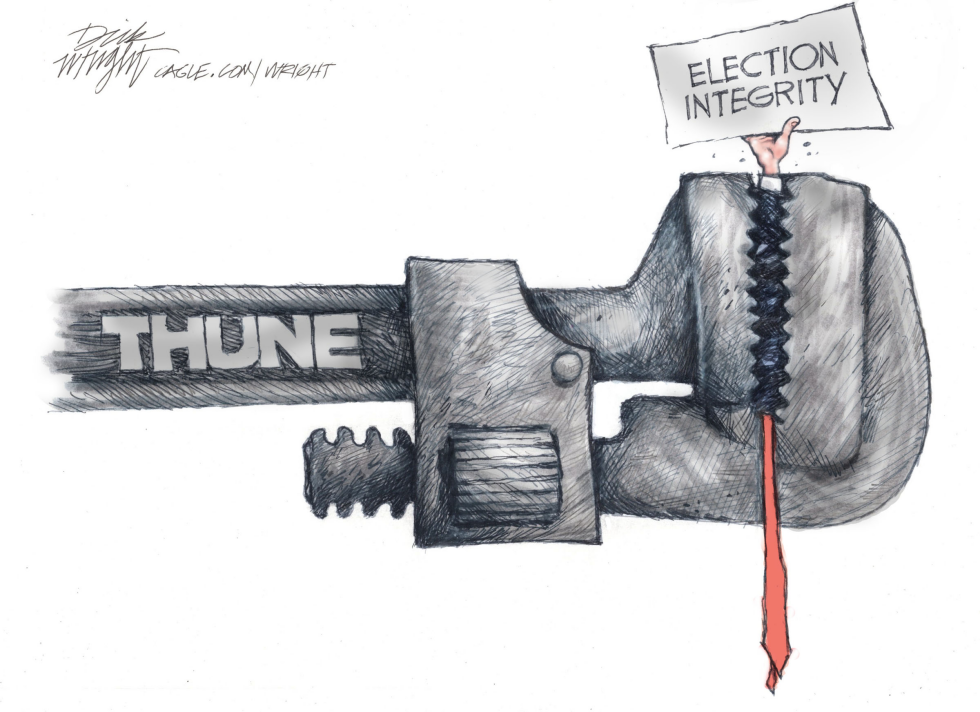
Senate Majority Leader John Thune has placed a procedural hold on the Save America Act, preventing a floor vote on election integrity reforms. The move comes amid ongoing partisan disputes over voting procedures and certification standards. The cartoon portrays Thune as deliberately stalling the measure through institutional leverage.