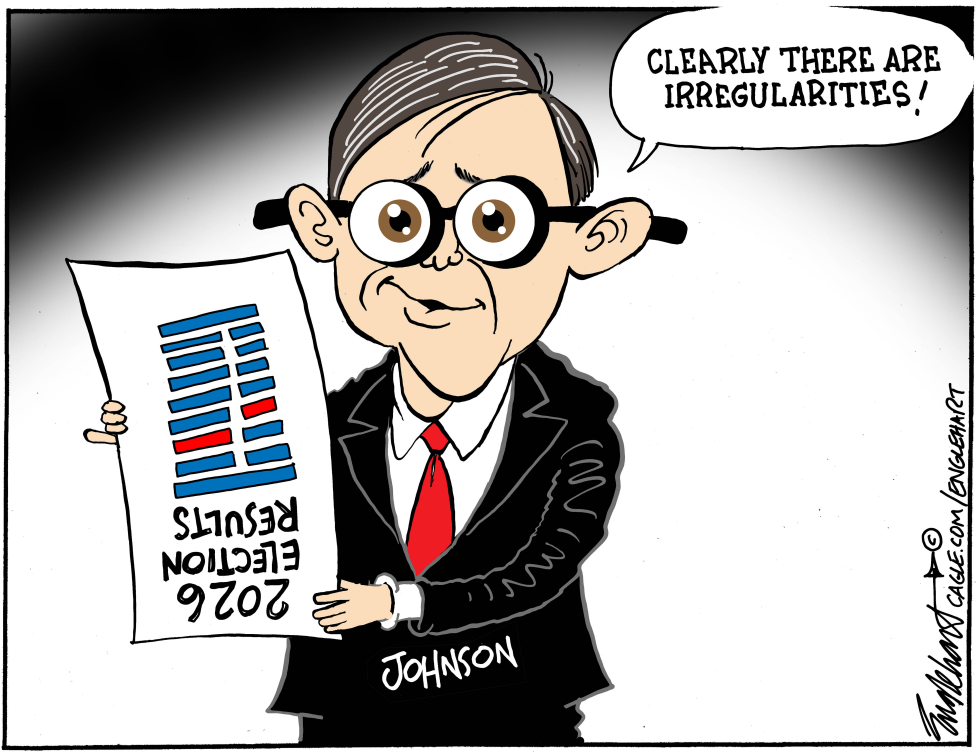
House Speaker Mike Johnson publicly questioned the integrity of the 2026 election results in September 2026, citing irregularities in a bar chart of outcomes. The move raised alarms about potential delays or challenges to congressional certification of the vote. Critics argue the statements undermine public confidence in the electoral process without evidence of widespread fraud. The cartoon portrays Johnson as actively sowing doubt in the results to influence outcomes. It takes the position that such rhetoric from congressional leadership threatens democratic norms and the peaceful transfer of power.
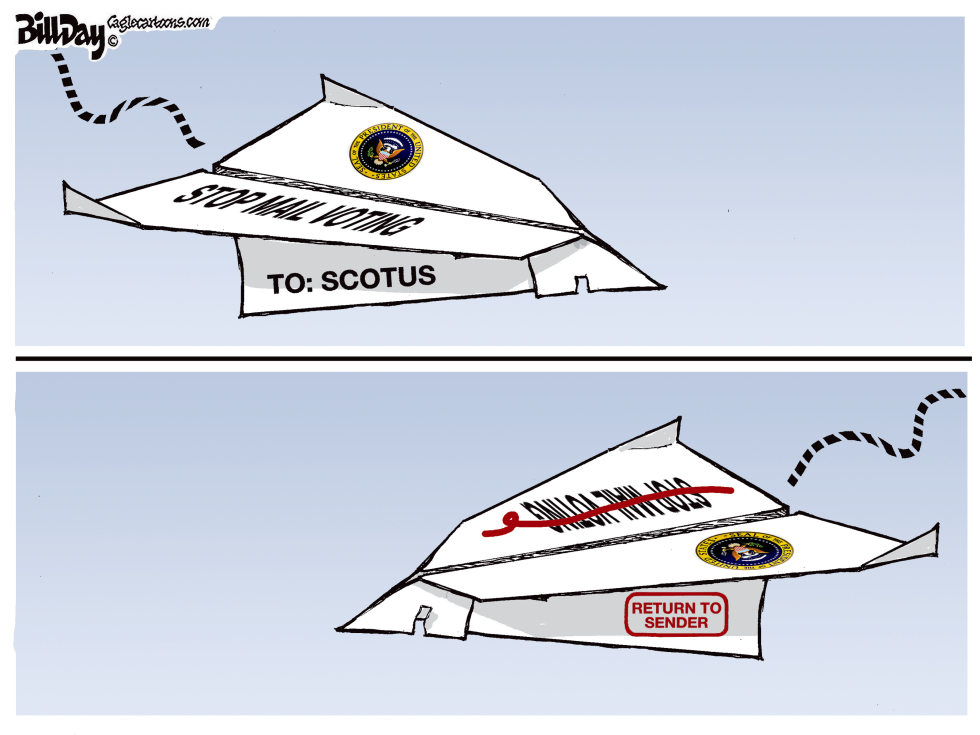
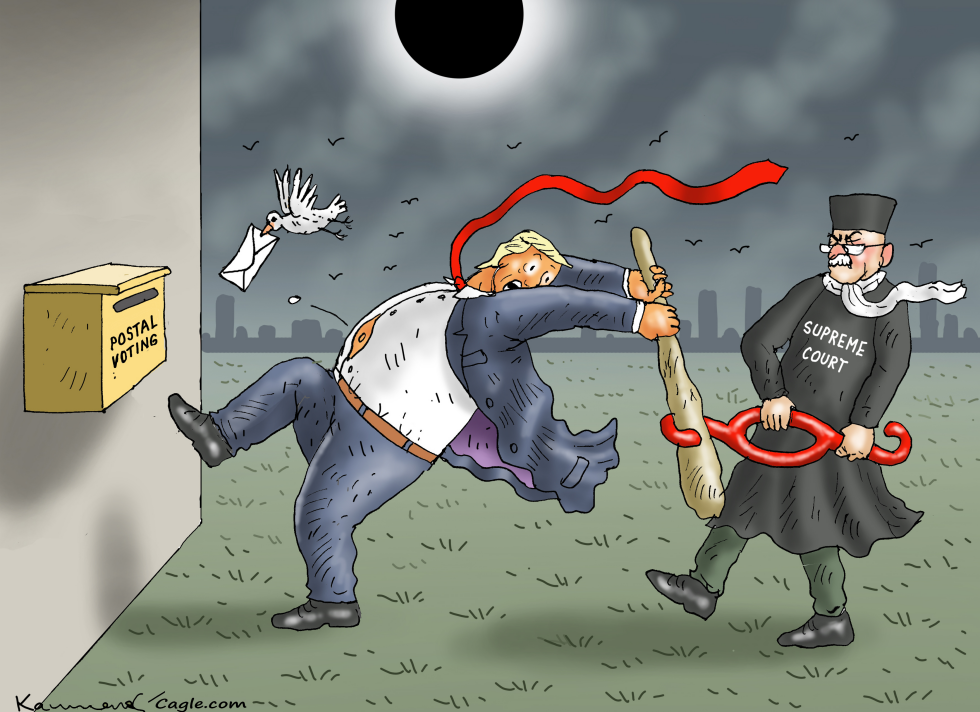
A presidential directive aimed at ending mail-in voting reached the Supreme Court but was promptly returned. The action underscores ongoing disputes over election procedures and access. The cartoon frames the effort as an unsuccessful attempt to restrict voting methods through judicial channels. It highlights institutional pushback against executive intervention in ballot processes. The piece takes the position that such restrictions lack support and are properly rebuffed.
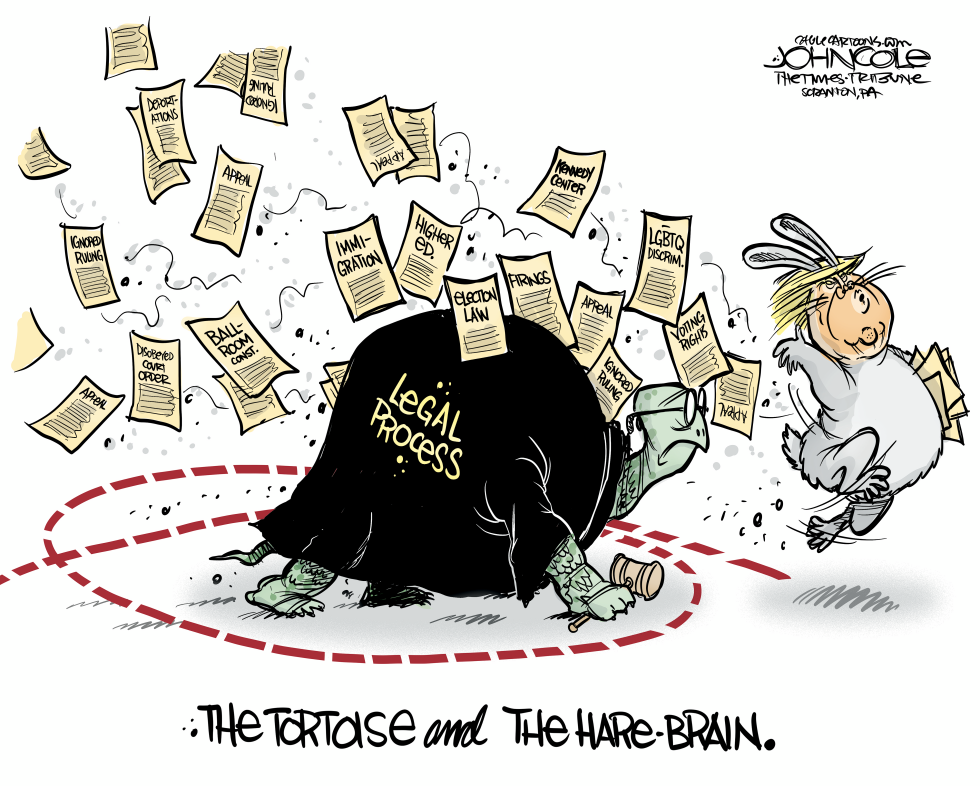
Multiple legal cases involving former President Trump continue through appeals on election law, voting rights, immigration rulings and related matters. The slow pace of the judicial system allows repeated filings and delays. The cartoon argues that this extended process effectively lets Trump run circles around accountability rather than face timely resolution on the merits.
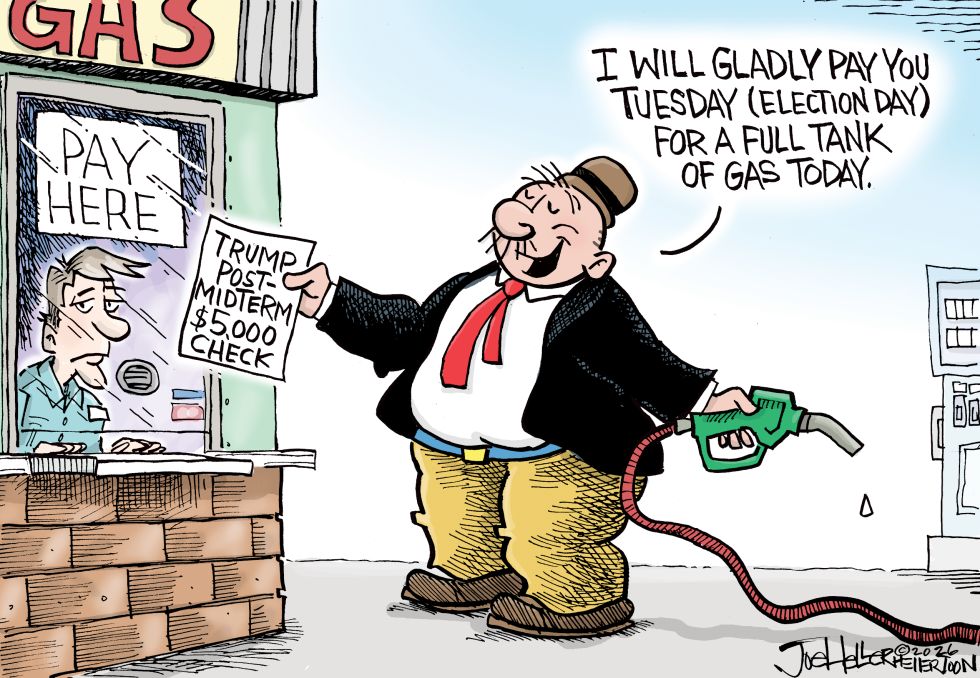
Donald Trump issued a post-midterm gas payment pledge tied to the 2026 election cycle. The promise revives a classic deferral line to link fuel costs with voting day. The cartoon argues the offer functions as an empty election tactic rather than a concrete policy step.
The Supreme Court has moved to restrict efforts by former President Trump to limit or challenge postal voting ahead of the 2026 midterms. The ruling comes as both parties prepare for a high-stakes contest that could determine control of Congress. Trump allies have pushed measures they say protect election integrity while critics see them as attempts to suppress turnout. The decision underscores the court's continuing role in shaping voting rules. The cartoon portrays the court as a necessary check on Trump's aggressive tactics.
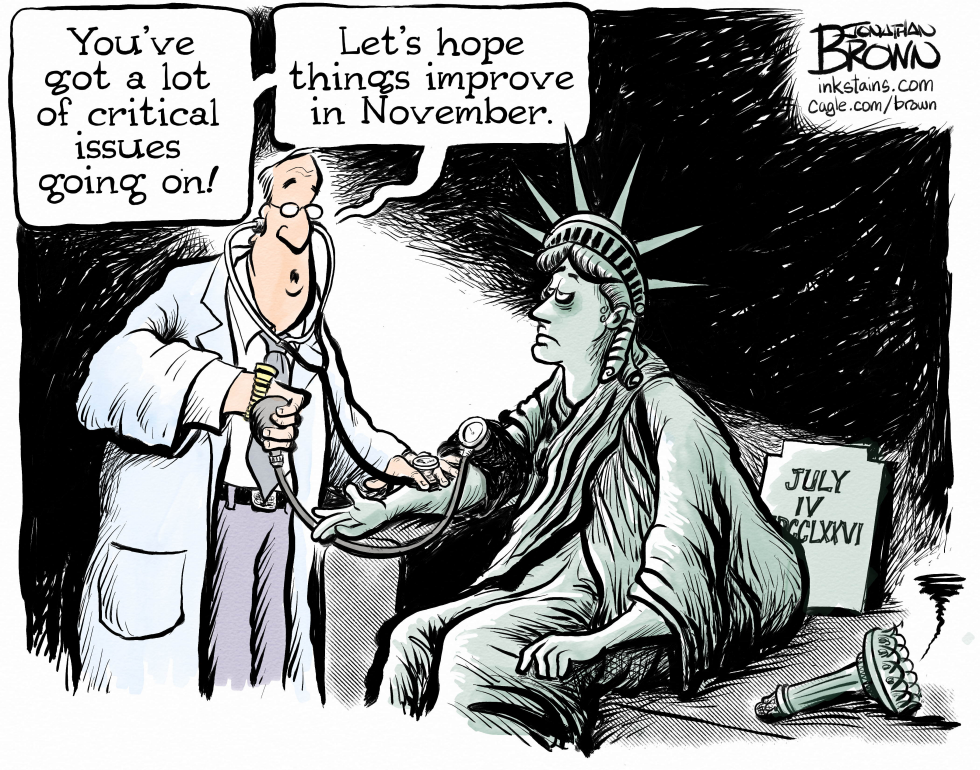
The cartoon depicts a doctor examining the Statue of Liberty's blood pressure and noting numerous critical issues. The Statue responds with hope that things will improve in November. A sign references July 4, 1776, and a broken torch rests on the ground. Published on September 15, 2026, the image uses the iconic figure to comment on the state of the nation ahead of upcoming elections. The visual metaphor highlights concerns about American institutions and public sentiment.
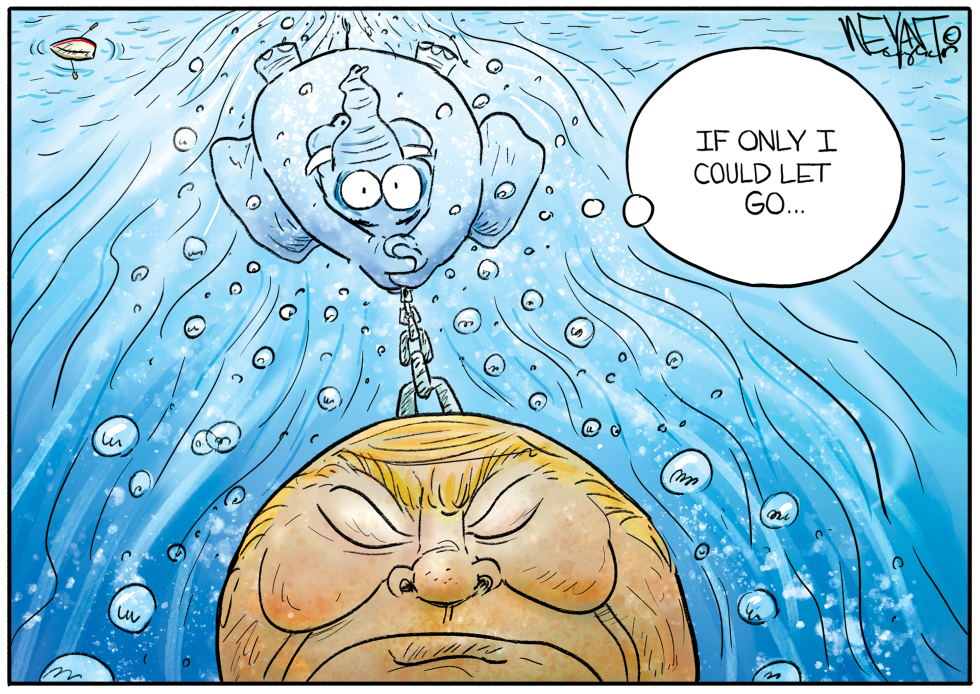
The Republican Party continues to grapple with its deep ties to Donald Trump as the 2026 election cycle approaches. Trump remains the dominant force within the GOP, and efforts to distance the party from him have repeatedly failed. This dynamic risks further electoral damage as voters grow weary of the internal conflict. The cartoon argues that the GOP's inability to break free from Trump is self-inflicted and will lead to its continued decline.
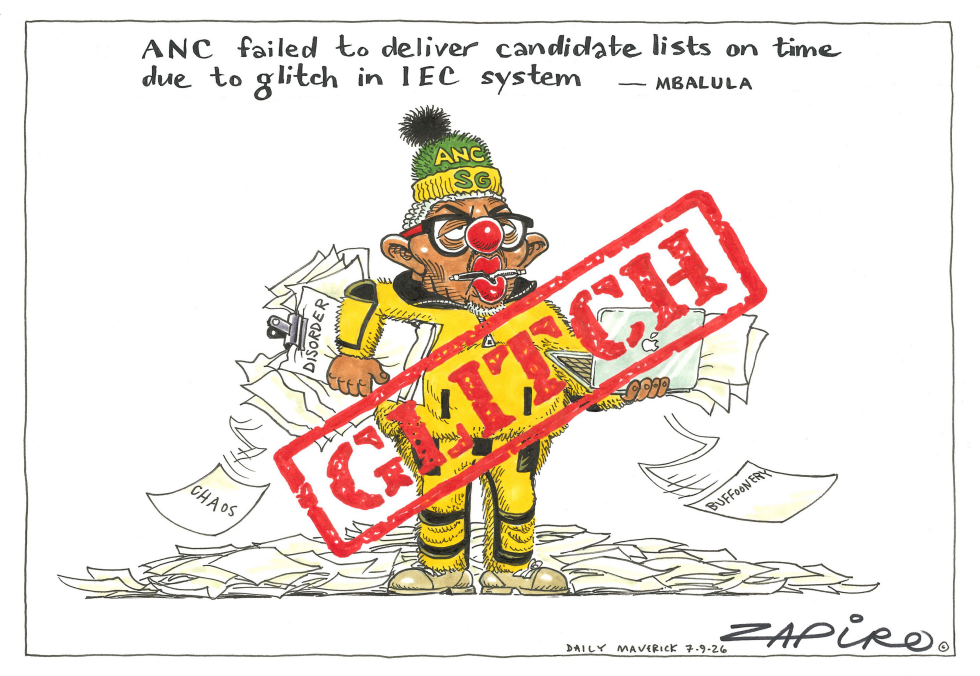
ANC secretary general Fikile Mbalula attributed the party's failure to submit candidate lists on time to a technical glitch in the Independent Electoral Commission system. The claim came as the party faced internal disarray ahead of upcoming elections. The cartoon portrays the excuse as a transparent attempt to mask organizational failure and buffoonery.
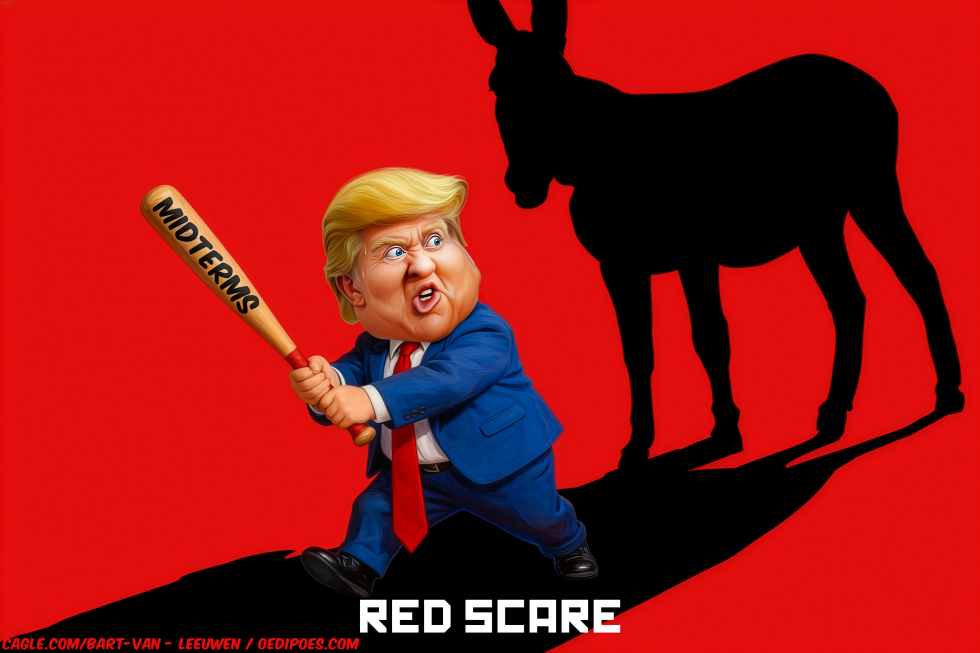
The cartoon shows Donald Trump in a blue suit swinging a baseball bat labeled MIDTERMS toward a black donkey silhouette on a red background. The phrase RED SCARE appears prominently at the bottom. Published on September 14, 2026, the image comments on Trump's approach to the upcoming midterm elections. It portrays the former president as aggressively pursuing Democratic opponents. The visual draws on historical Red Scare imagery to suggest fear-based political tactics. The composition places Trump in the foreground with the donkey shadow looming behind him.
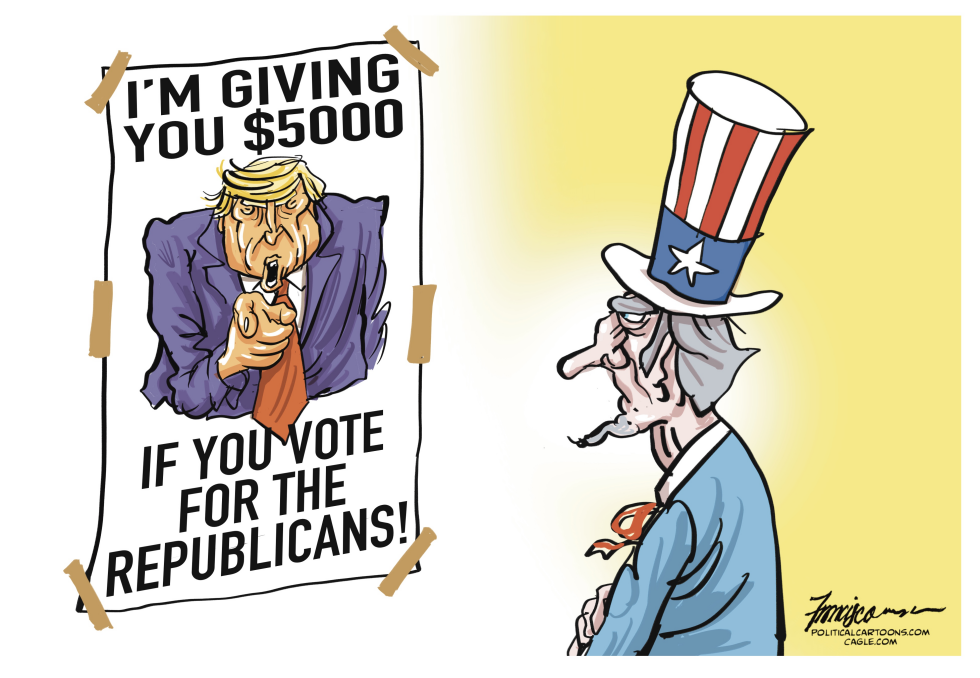
Donald Trump has floated direct cash payments to voters who support Republican candidates. The proposal surfaces weeks before the 2026 midterms and draws immediate scrutiny over its legality and intent. Critics argue the move risks turning elections into auctions. Supporters frame it as economic relief. The cartoon depicts the offer as a blunt transaction that leaves traditional symbols of American integrity uneasy.
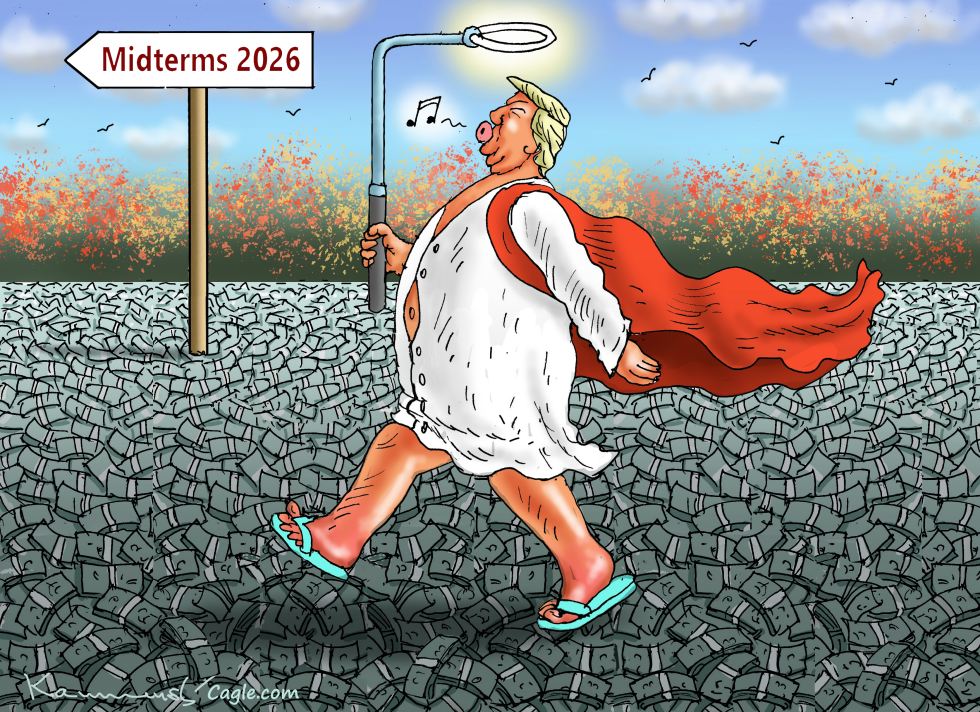
As the 2026 midterm cycle heats up, Donald Trump has positioned himself at the center of Republican fundraising efforts. Large donor contributions and party infrastructure have given GOP candidates a financial edge in key races. The cartoon portrays this advantage as a decisive factor heading into November. Critics argue the focus on money risks overshadowing policy substance. Supporters see the resources as essential to counter Democratic spending. The piece frames the cash flow as a clear path to victory for the MAGA-aligned slate.
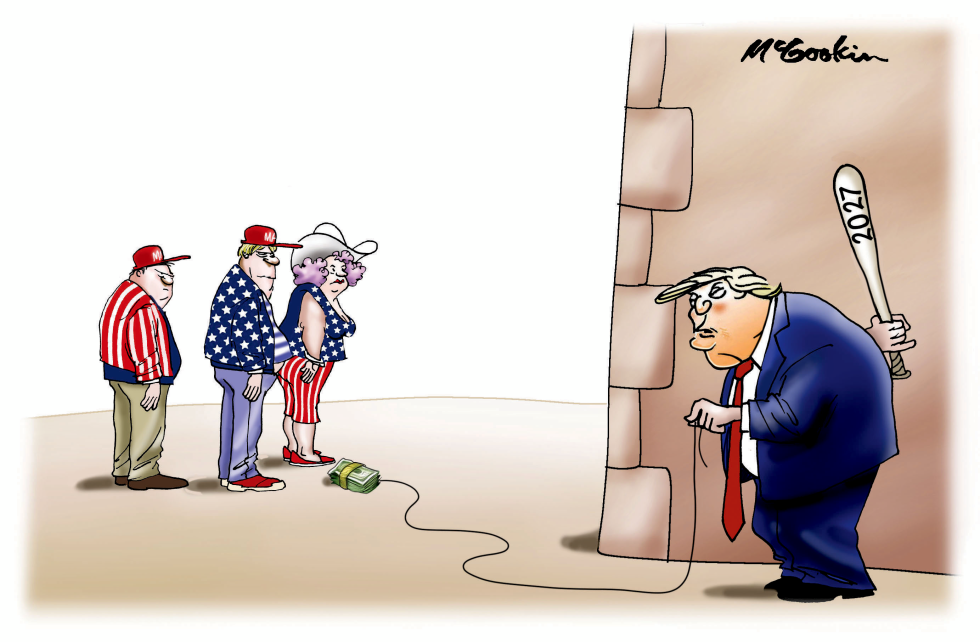
The cartoon shows Donald Trump holding a baseball bat labeled 2027 while standing beside a brick wall. A wire connects a stack of cash from three supporters to the wall near Trump's position. The image comments on Trump's preparation for future political activity and reliance on donor contributions. Published on September 12 2026 the piece addresses ongoing discussions about election cycles and funding. It uses the bat and wiring as visual metaphors for planned actions and financial connections.
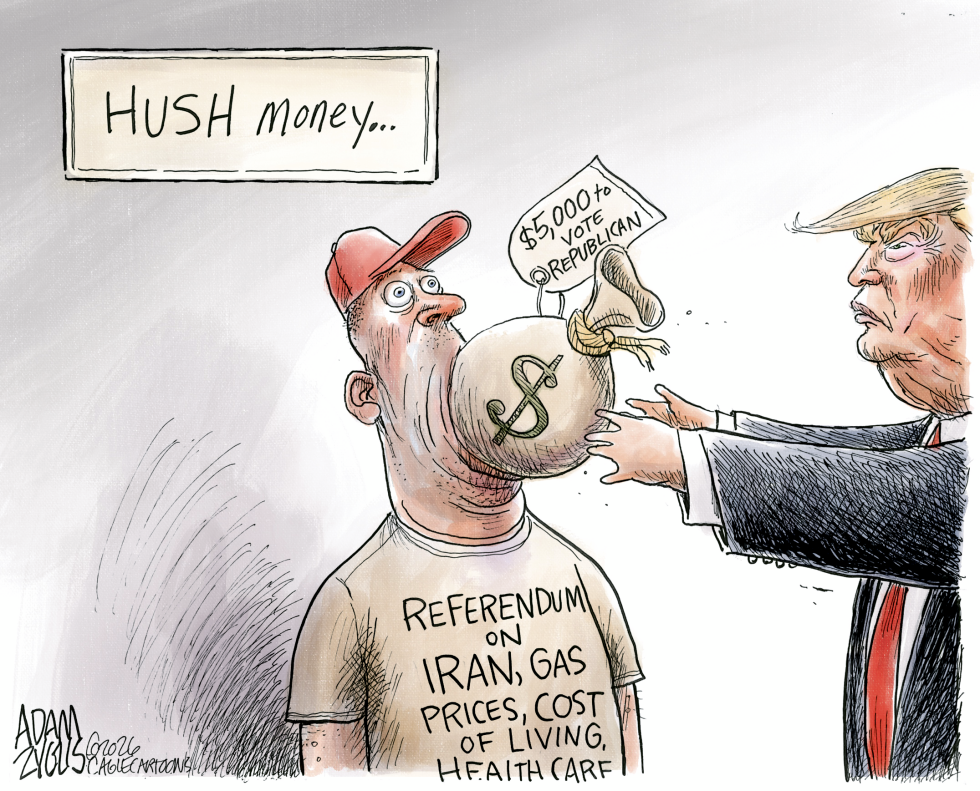
The cartoon shows Donald Trump handing a large bag of cash labeled as hush money to a man in a referendum shirt covering Iran, gas prices, cost of living and health care. A tag on the bag promises $5,000 to vote Republican. The scene responds to ongoing debates over election integrity and foreign policy issues involving Iran as of September 2026. It uses the visual metaphor of a bribe to comment on alleged attempts to influence voter priorities through financial incentives.
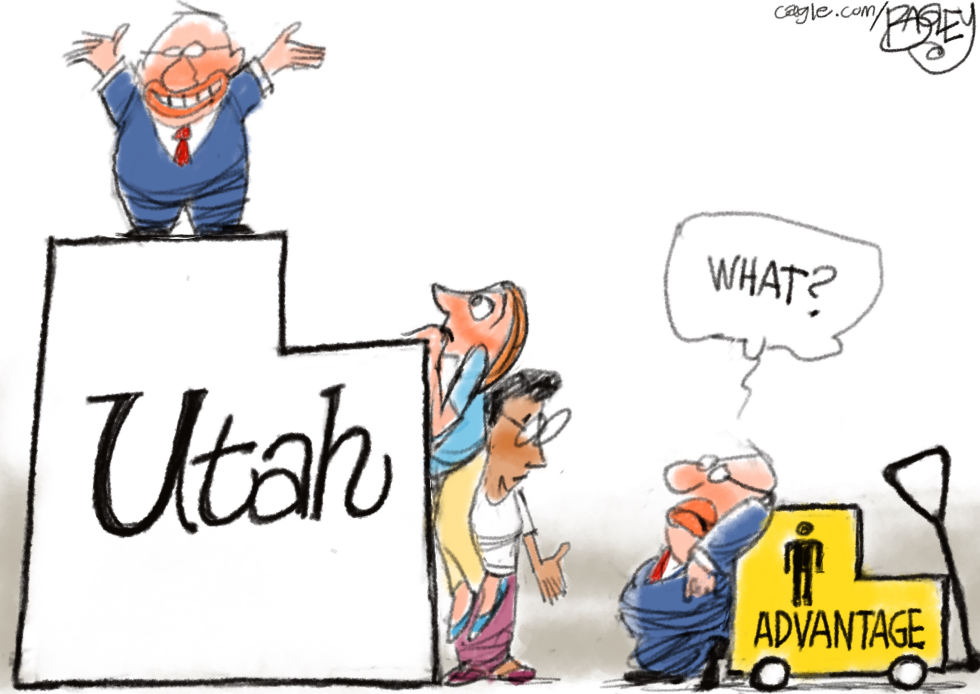
Utah's political advantage has changed hands following recent election developments. Key figures react with visible surprise as power dynamics realign in the state. The shift matters because it alters control and strategy for upcoming contests. The cartoon highlights the unexpected nature of the transition and questions how the new arrangement will hold.
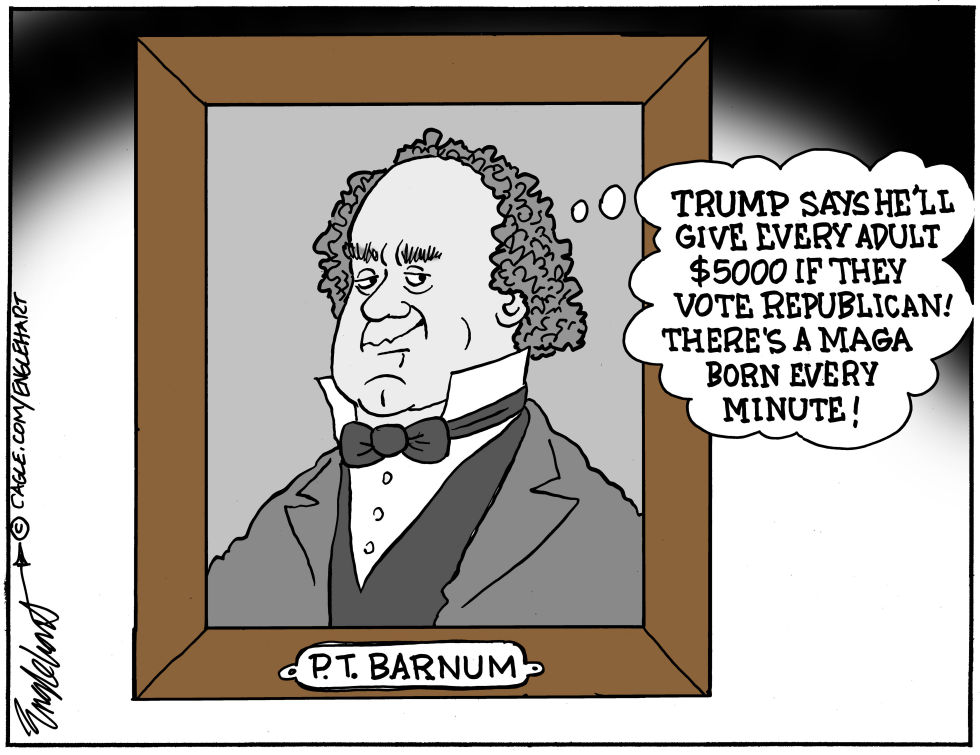
Donald Trump proposed giving $5000 to every adult who votes Republican ahead of the 2026 midterms. The offer drew immediate comparisons to historical figures known for exploiting public gullibility. The cartoon uses the P.T. Barnum portrait and the altered sucker line to argue that the proposal treats voters as marks rather than citizens. It frames the cash pledge as a transparent attempt to buy support through direct payment. The piece suggests the tactic reveals low regard for voter intelligence and reduces elections to transactional exchanges.