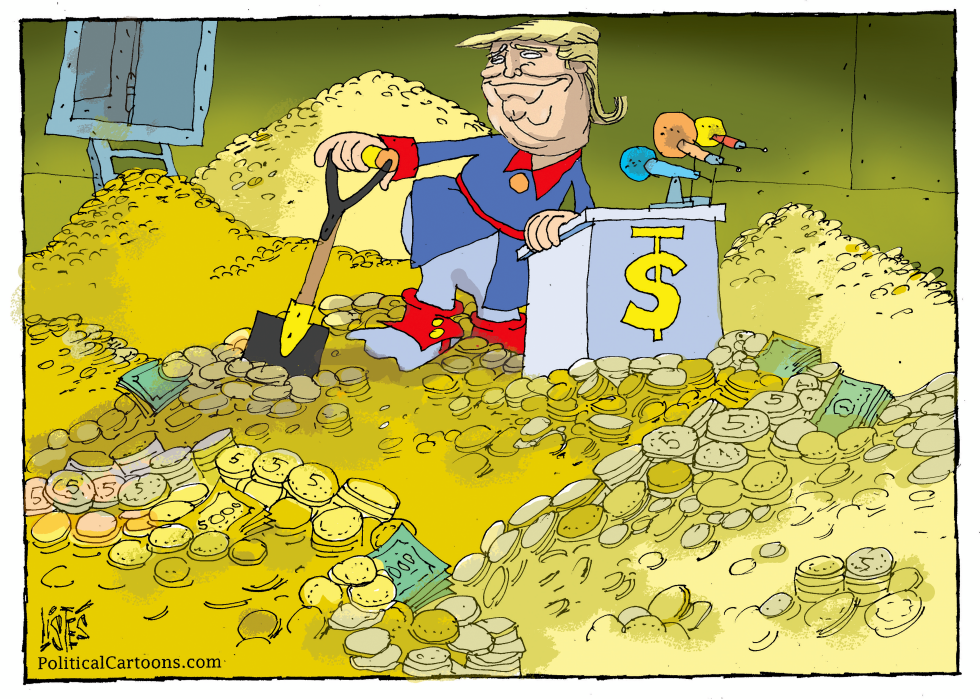
Donald Trump remains a central figure in debates over wealth and political power as of September 2026. The cartoon responds to ongoing scrutiny of how personal fortune intersects with public life and policy influence. It portrays the former president amid symbols of money to critique that dynamic. The editorial position frames Trump's association with wealth as a defining and problematic feature of his political presence.
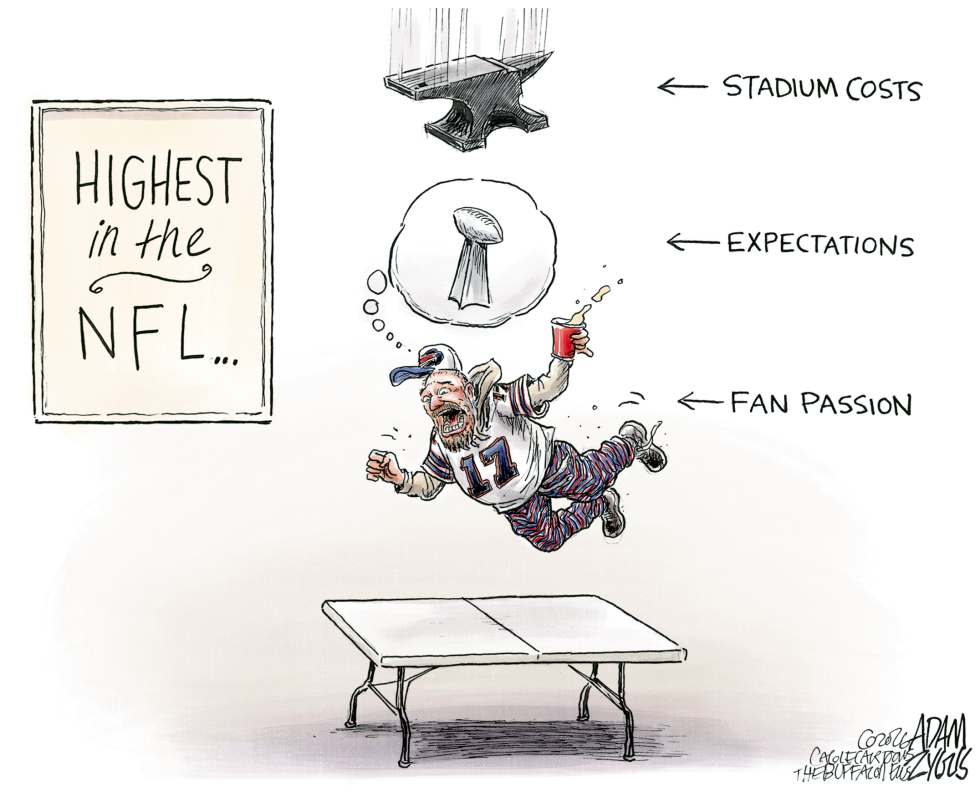
The cartoon illustrates a Buffalo Bills fan tumbling through the air after being struck by an anvil labeled stadium costs. A thought bubble shows a Super Bowl trophy while labels point to expectations and fan passion. A sign on the left declares the team highest in the NFL. The scene comments on the team's new stadium project carrying the highest costs in the league. Fans remain enthusiastic despite the financial weight. The ping pong table below suggests a precarious landing. The work responds to ongoing discussions about public funding for the Bills stadium.
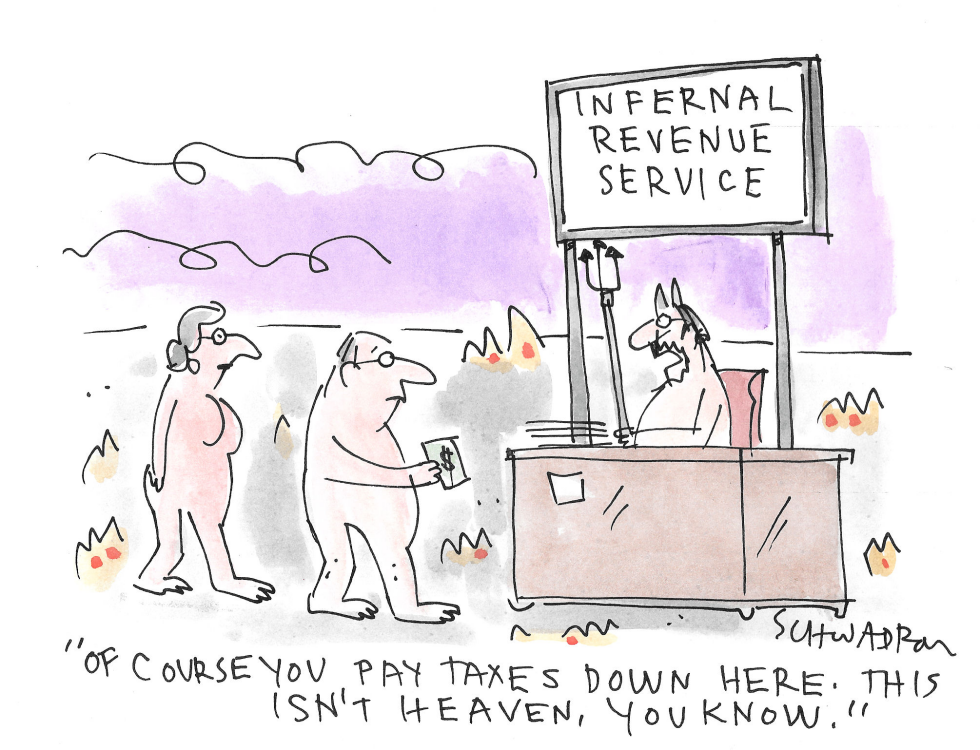
The long-standing adage that only death and taxes are certain receives fresh treatment in a cartoon depicting an IRS outpost operating in hell. No specific policy change or ruling prompted the piece, which instead plays on the enduring public frustration with tax collection as an inescapable force. The editorial stance pokes at bureaucratic persistence, suggesting the tax man follows citizens beyond the grave with the same relentless efficiency seen in life.
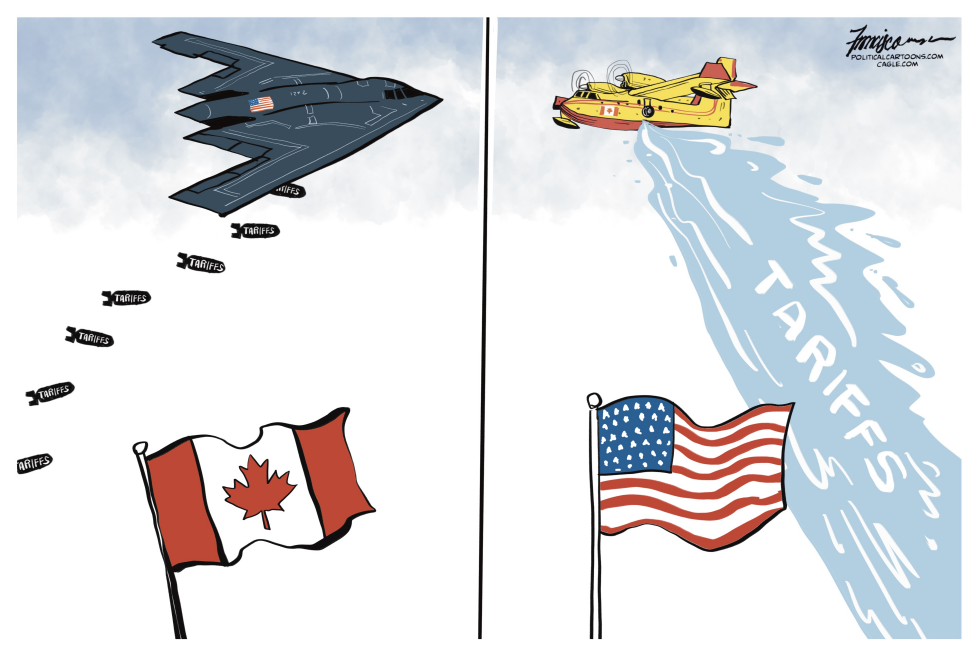
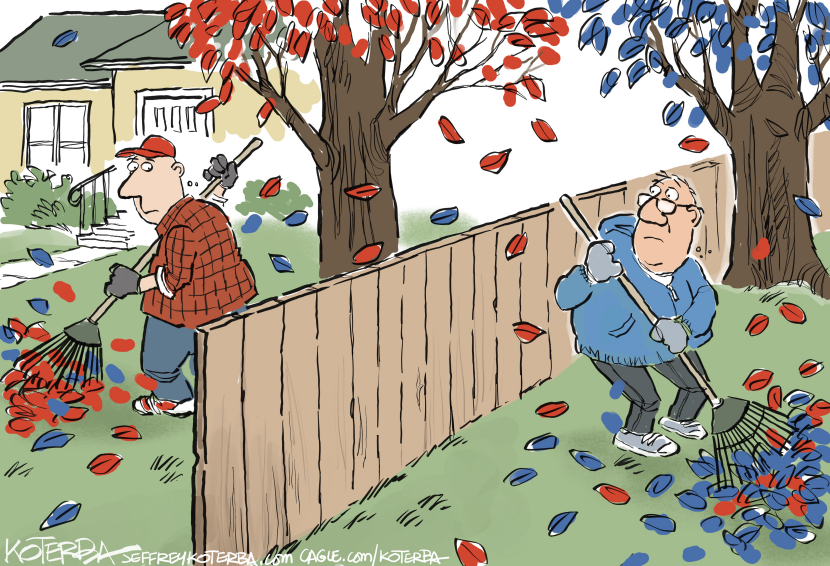
The United States imposed tariffs on Canadian goods, prompting Ottawa to enact matching retaliatory tariffs. The moves risk disrupting integrated supply chains and raising costs for consumers and industries on both sides of the border. The cartoon frames the exchange as mutual escalation with each side deploying tariffs against the other.
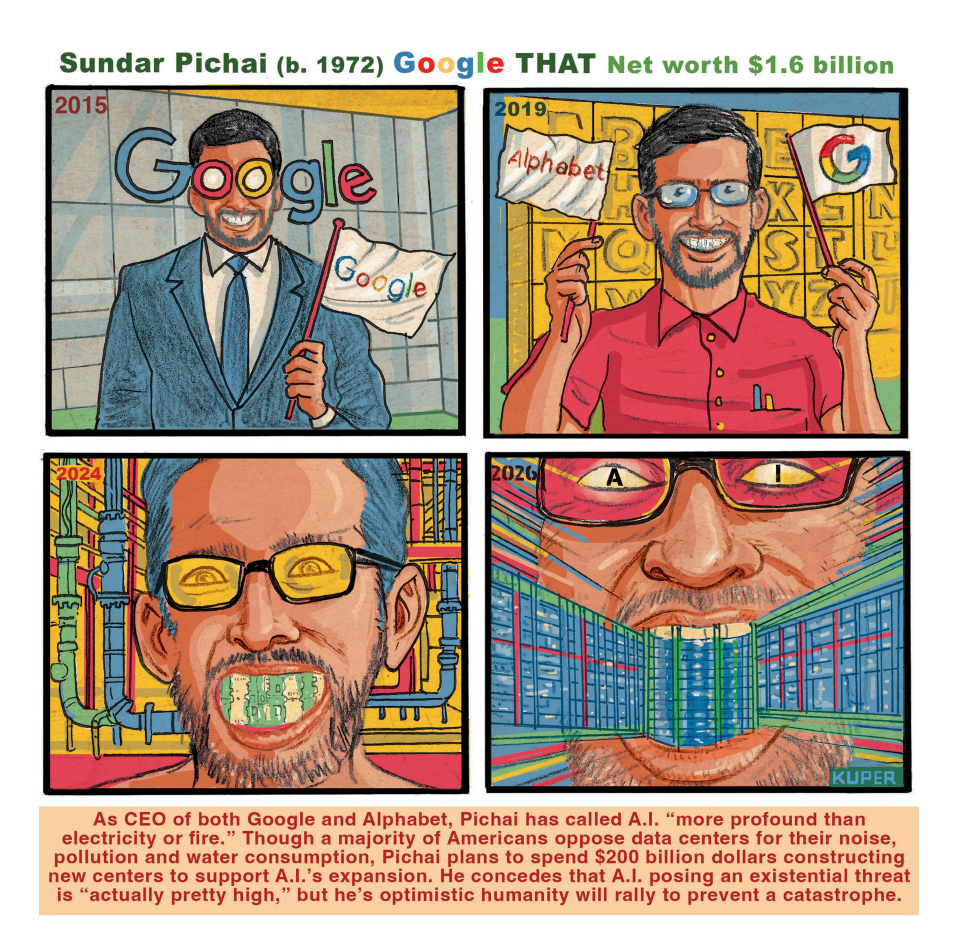
Sundar Pichai, CEO of Google and Alphabet, announced plans to invest $200 billion in new AI data centers to support rapid expansion of artificial intelligence systems. The move comes as polls show most Americans oppose such facilities due to noise, pollution, and heavy water consumption. Pichai has described AI as more transformative than electricity or fire and has acknowledged a high risk of existential threats from the technology, while expressing confidence that humanity can avoid catastrophe. The editorial cartoon frames this corporate push as aggressive and tone-deaf to local opposition and environmental limits.
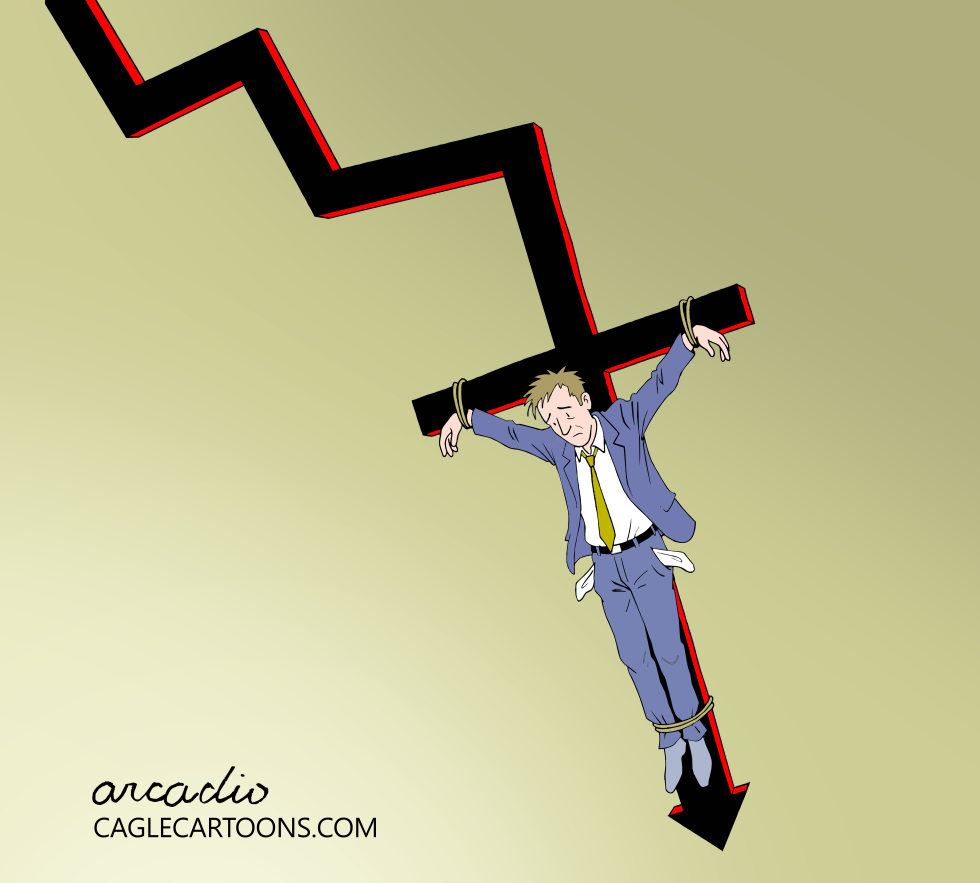
Corporate leaders continue to confront sharp market drops that directly affect company performance and investor confidence. The situation underscores how executives remain closely tied to negative financial trends rather than insulated from them. The piece argues that such binding reflects the reality of accountability in failing markets.
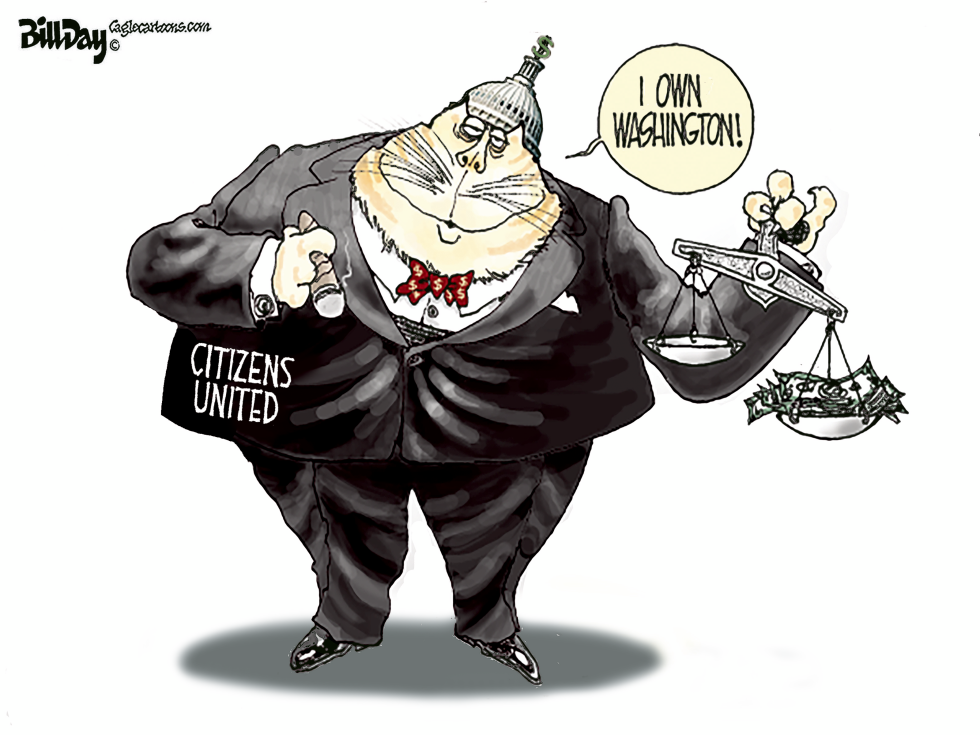
The 2010 Citizens United Supreme Court ruling opened the door to unlimited independent expenditures by corporations and unions in elections. Critics argue the decision amplified the voice of wealthy donors and special interests over average voters. The cartoon responds to the ongoing effects of that precedent by depicting a powerful corporate figure claiming control of the capital. It highlights how the ruling has reshaped campaign finance and public trust in government institutions.
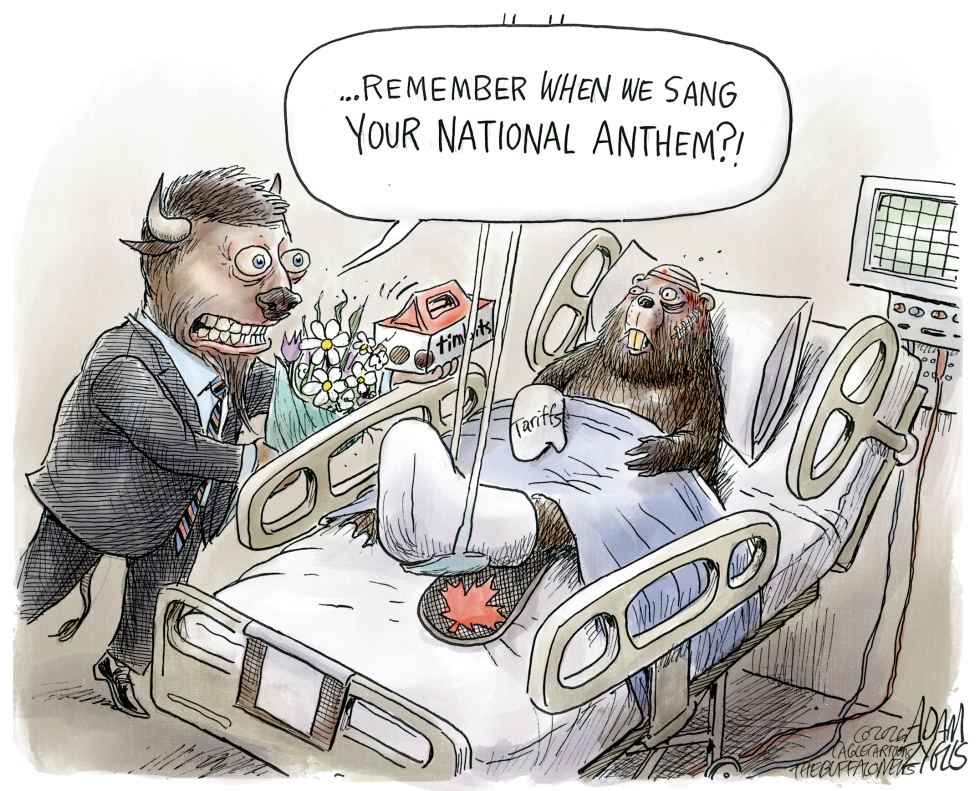
The cartoon depicts a suited bull figure at the bedside of an injured beaver wearing a hospital gown labeled Tariffs. The beaver lies in a hospital bed with a maple leaf emblem visible. A speech bubble from the bull references singing the national anthem. Medical equipment and a Tim Hortons box appear in the room. The image addresses ongoing tariff policies affecting US Canada trade relations as of the September 2026 publication date. The visual metaphor highlights economic harm to the Canadian side of the partnership while recalling past cooperative gestures between the two nations.
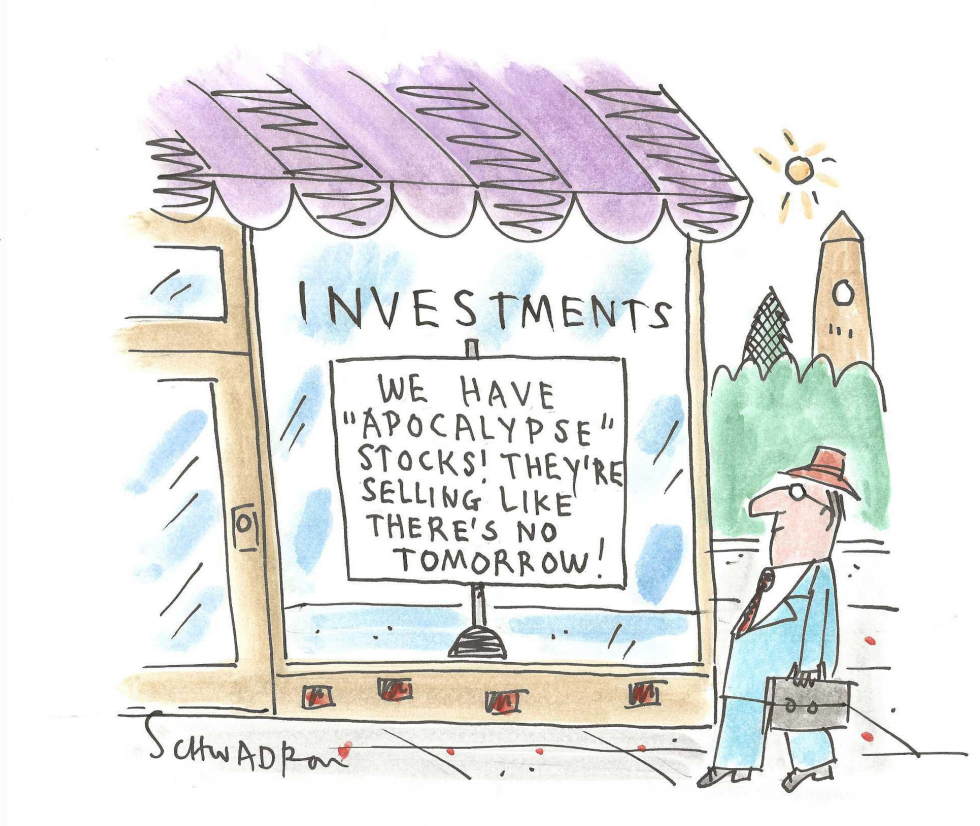
Investor interest in so-called apocalypse stocks has risen as markets reflect broader economic uncertainty. The trend highlights how some traders position for worst-case scenarios in business and finance. The cartoon underscores the ironic appeal of such products, suggesting hype around end-times investing reveals deeper anxieties about stability.
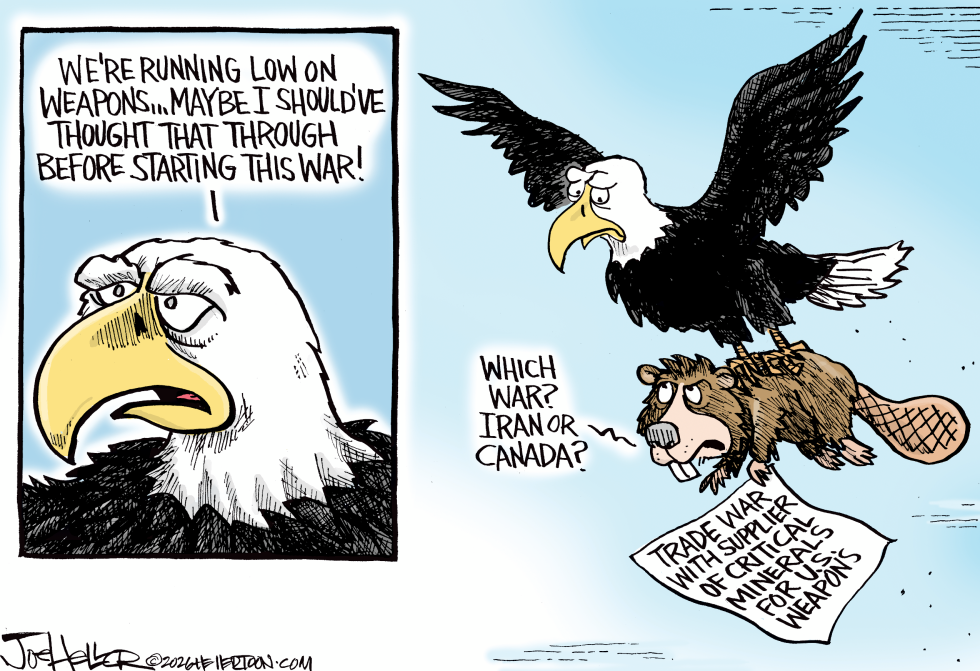
The United States faces potential weapons shortages linked to trade tensions with Canada, a key supplier of critical minerals, while also managing conflicts involving Iran. The situation highlights risks to military readiness from disrupted supply chains. The piece argues that initiating trade disputes with essential partners undermines defense capabilities at a critical time.
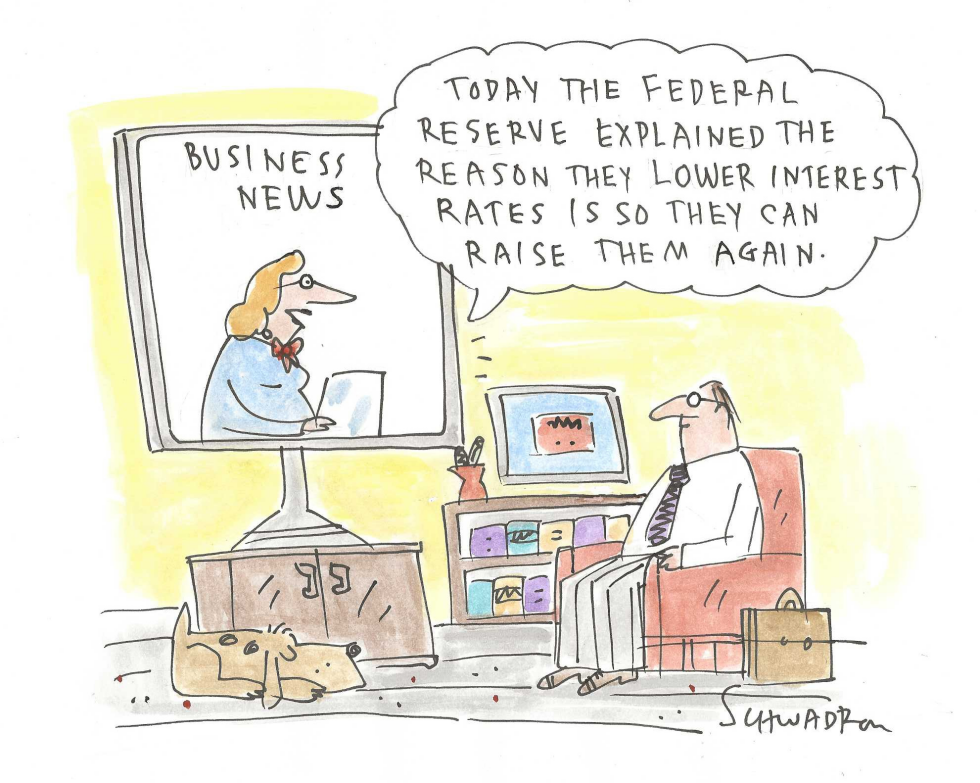
The Federal Reserve announced interest rate reductions in late summer 2026 to support economic conditions. Observers noted the central bank's stated goal of eventual rate increases created confusion about policy direction. The move affects borrowing costs for businesses and households nationwide. Markets reacted with mixed signals on inflation control and growth prospects. The cartoon presents the explanation as self-contradictory, underscoring public doubt about the clarity of Fed communications.
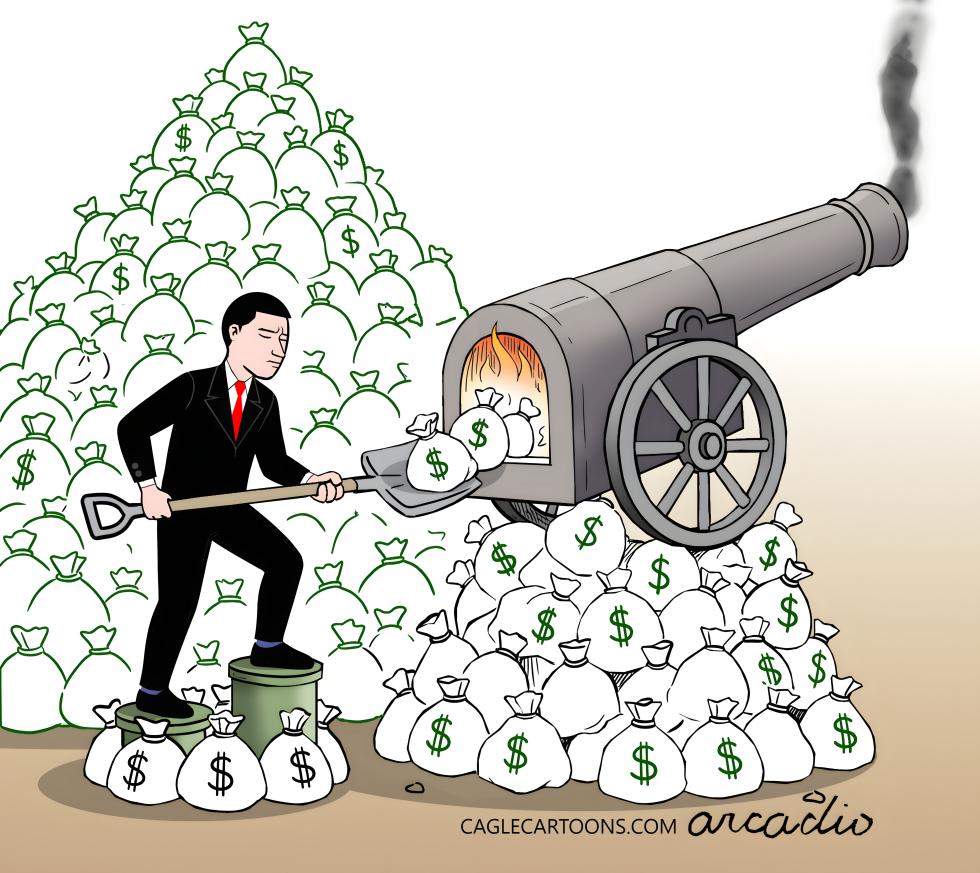
Business leaders continue to allocate large sums toward unproductive or destructive ends, drawing criticism for prioritizing short-term displays over sustainable practices. The pattern reflects ongoing concerns about corporate priorities where substantial resources vanish without clear returns. The piece argues that such spending represents a fundamental misallocation that harms long-term stability.
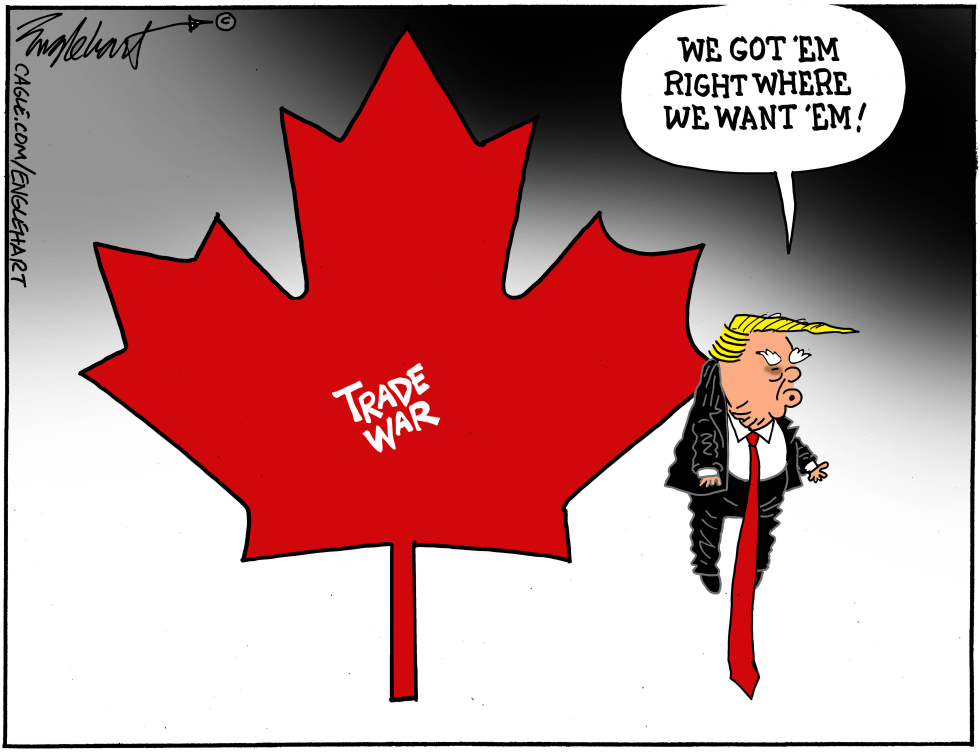
President Donald Trump has escalated tariffs on Canadian goods in a widening trade dispute. Ottawa responded with targeted countermeasures that hit key US exports. The standoff raises costs for American consumers and businesses while straining long-standing alliance ties. The cartoon portrays Trump as overconfident in a confrontation where Canada holds leverage.
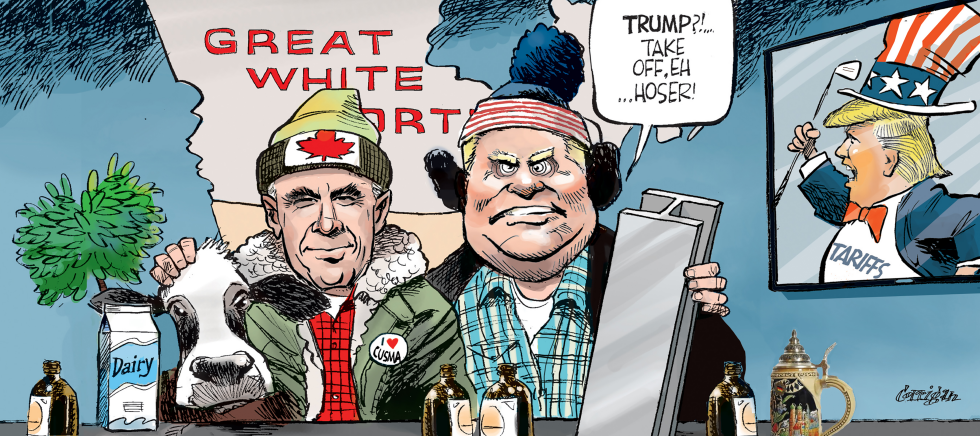
President Trump renewed tariff threats against Canada focused on dairy imports in late August 2026. Canadian leaders responded by highlighting domestic protections and cultural stakes. The move risks straining long-standing trade ties under existing agreements. The cartoon frames the confrontation as a direct challenge to Canadian sovereignty in agriculture. It portrays US policy as aggressive posturing that ignores mutual economic interests.
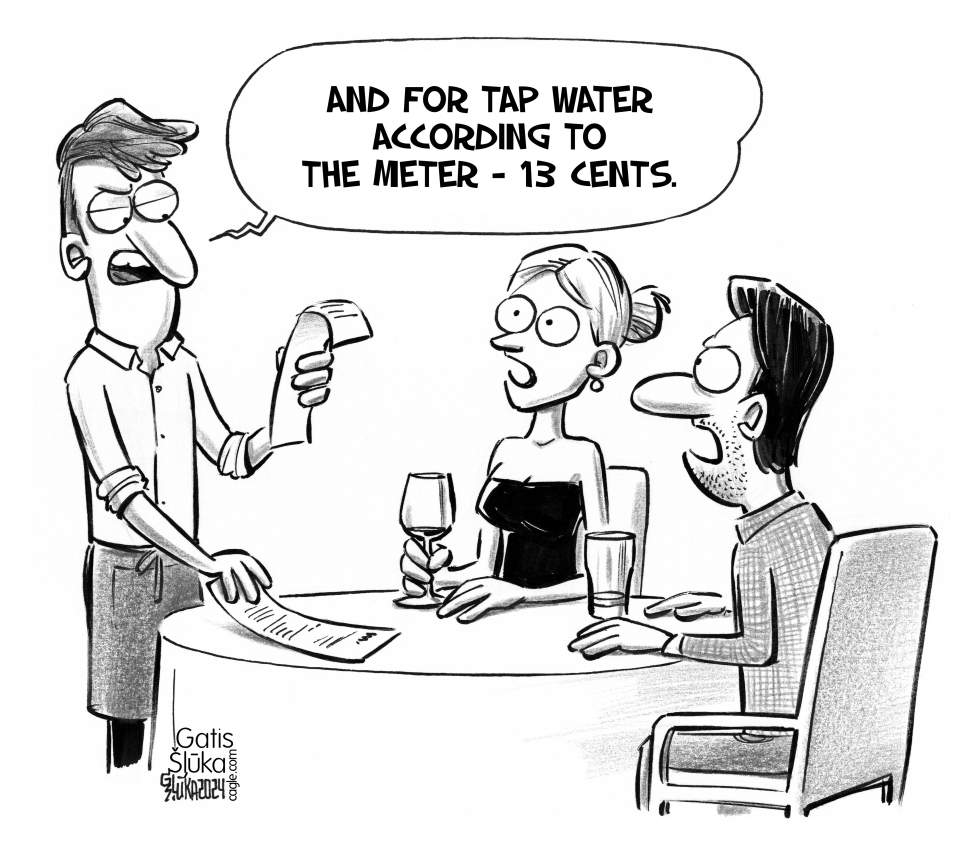
The cartoon depicts a waiter informing two diners that tap water costs 13 cents based on meter readings. It responds to ongoing discussions about restaurants charging for previously free tap water. The visual uses the meter concept to highlight billing surprises in dining.