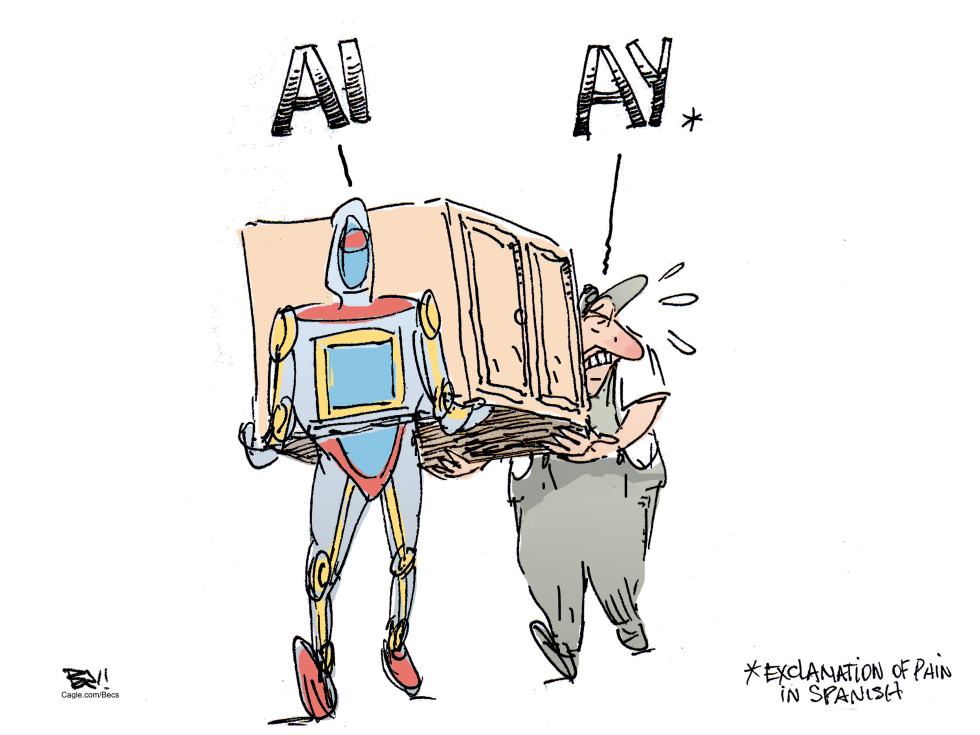
Workplaces are rapidly adopting artificial intelligence systems to boost output. The integration often shifts more tasks onto remaining human workers rather than reducing their load. The piece contends that AI is compounding physical and mental strain on labor instead of delivering promised relief.
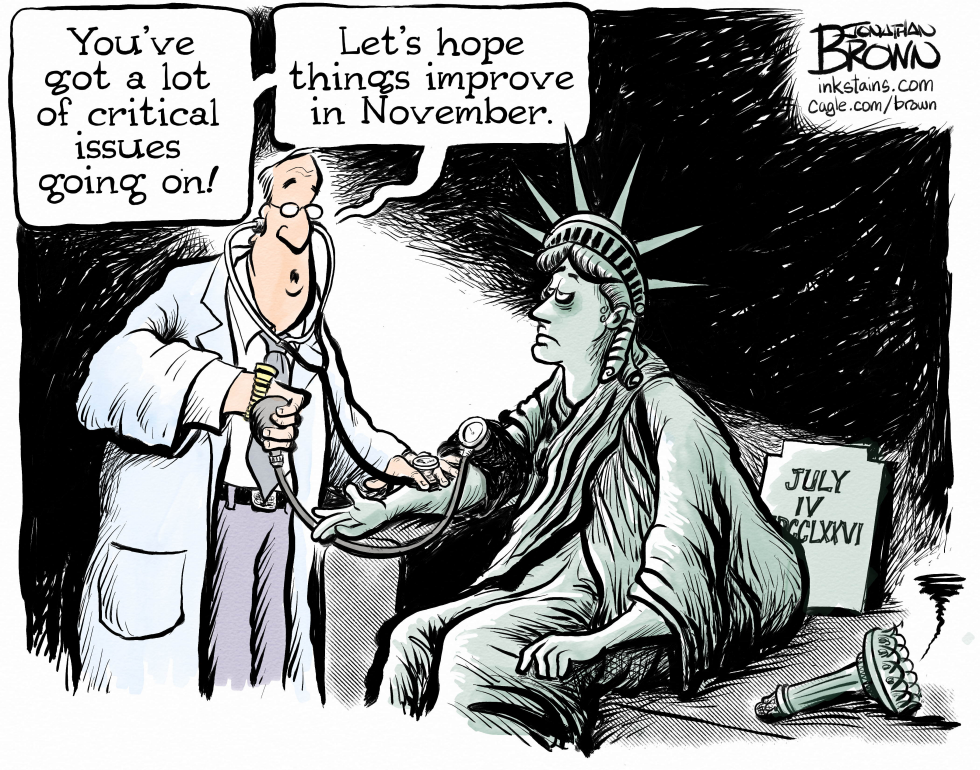
The cartoon depicts a doctor examining the Statue of Liberty's blood pressure and noting numerous critical issues. The Statue responds with hope that things will improve in November. A sign references July 4, 1776, and a broken torch rests on the ground. Published on September 15, 2026, the image uses the iconic figure to comment on the state of the nation ahead of upcoming elections. The visual metaphor highlights concerns about American institutions and public sentiment.
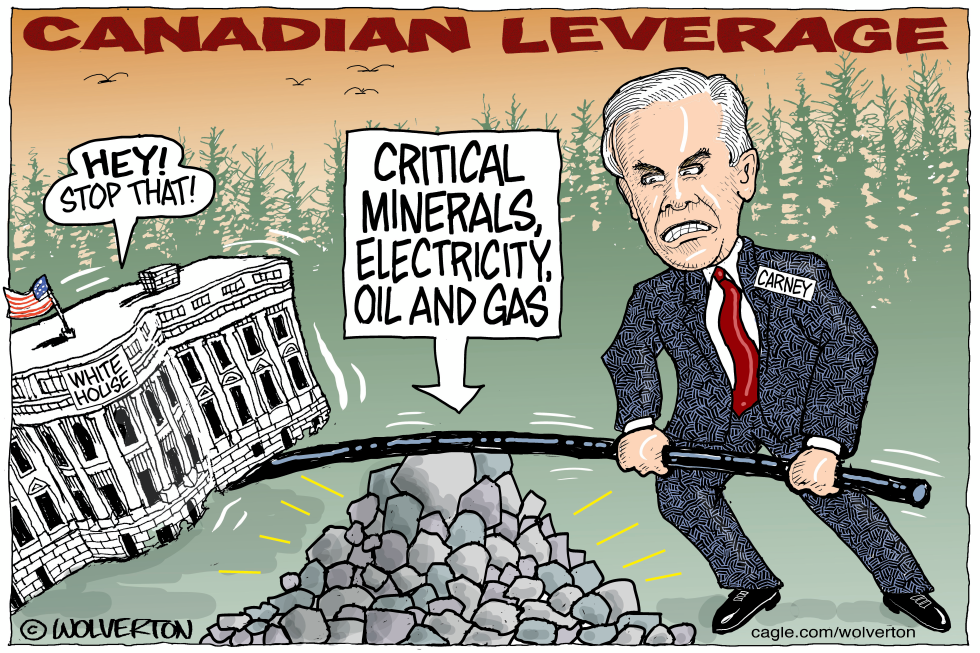
The cartoon depicts former Bank of Canada governor Mark Carney using a pipe labeled critical minerals, electricity, oil and gas as a lever to damage the White House. A speech bubble from the building protests the action. Published on September 12, 2026, the image comments on ongoing Canada-US tensions over resource exports and trade policy. Carney is shown in a suit with a determined expression, standing on rubble. The visual underscores Canada's potential to restrict supplies vital to the American economy. It reflects real-world discussions about critical minerals and energy interdependence between the two nations.
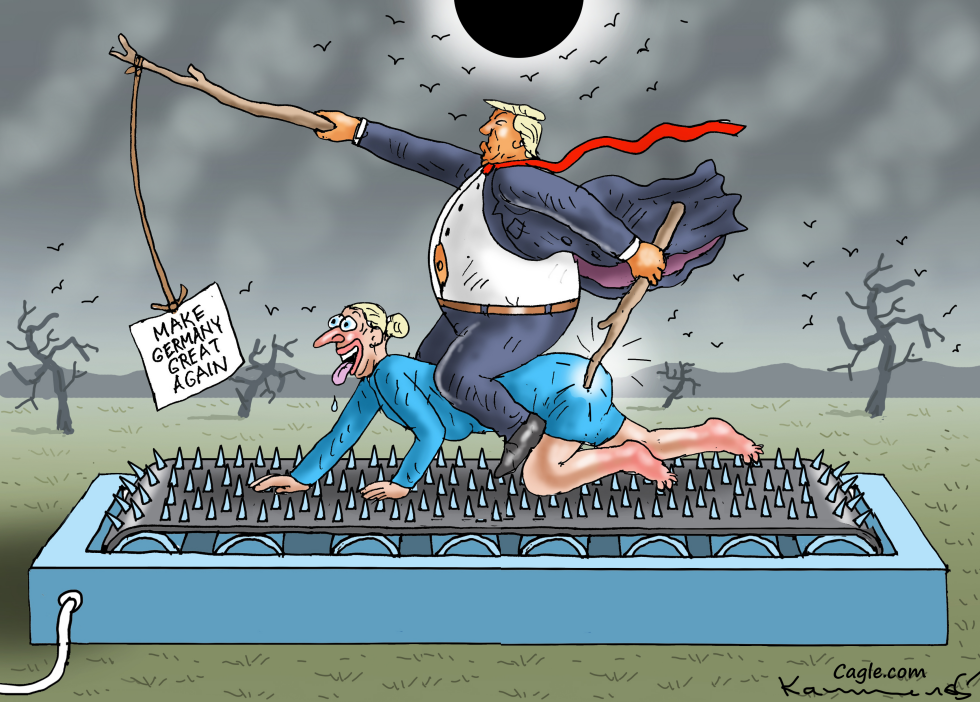
Donald Trump promotes a revival slogan aimed at Germany while Angela Merkel faces the consequences. The effort highlights ongoing tensions in transatlantic relations and questions about external influence on European domestic policy. The piece argues that such interventions impose unnecessary hardship without delivering benefits.
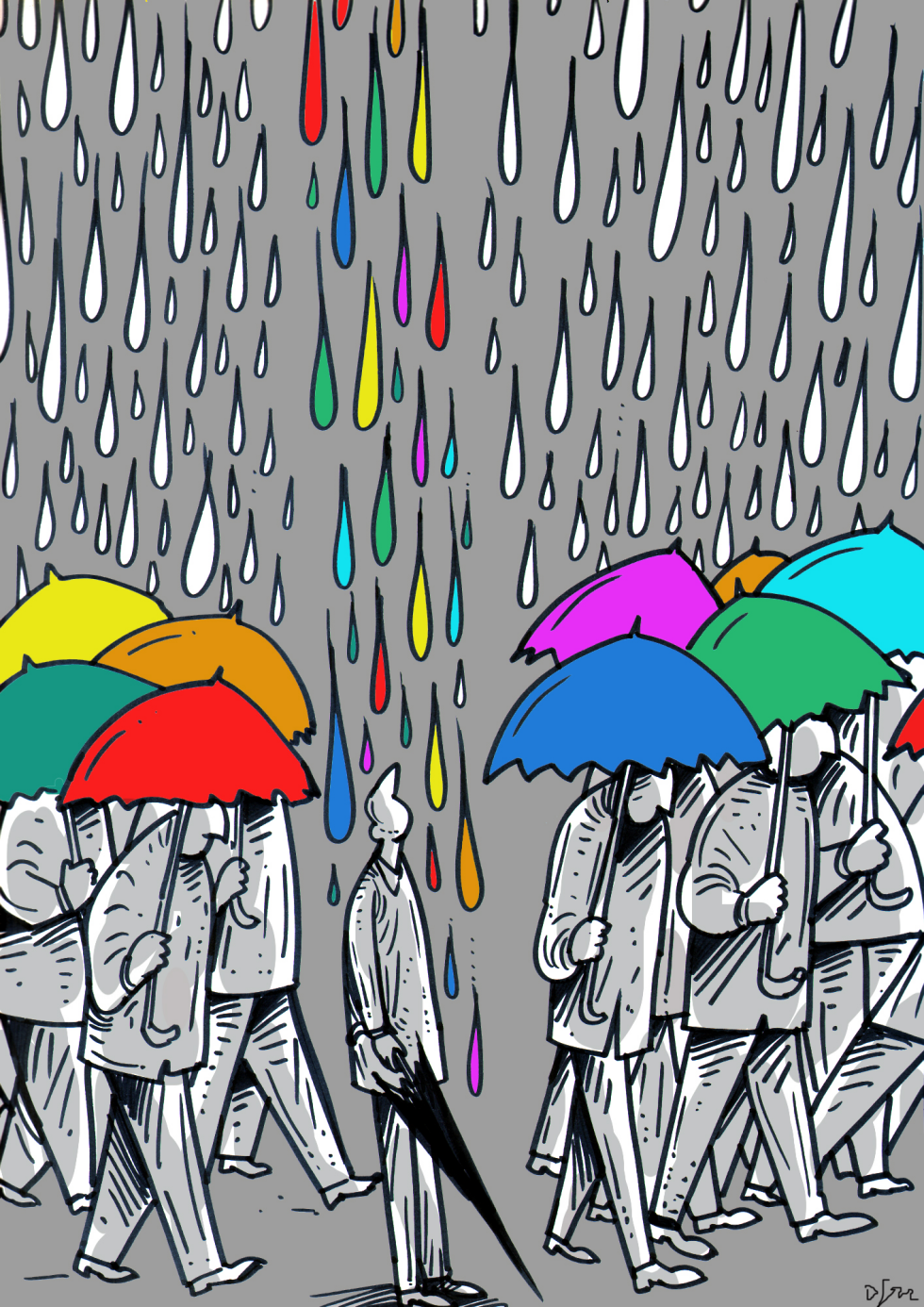
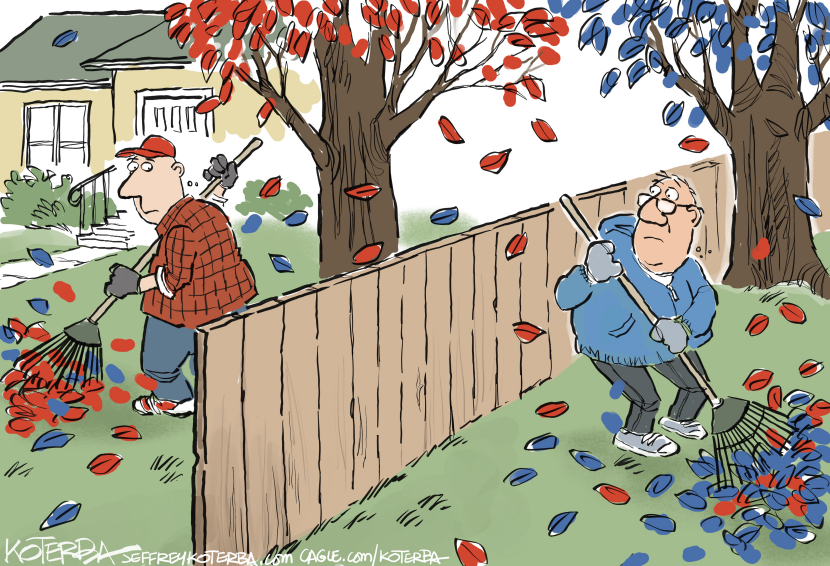
Society often pressures people to conform to norms around them. Maintaining personal identity remains important in such environments. The piece advocates for embracing one's distinct qualities.
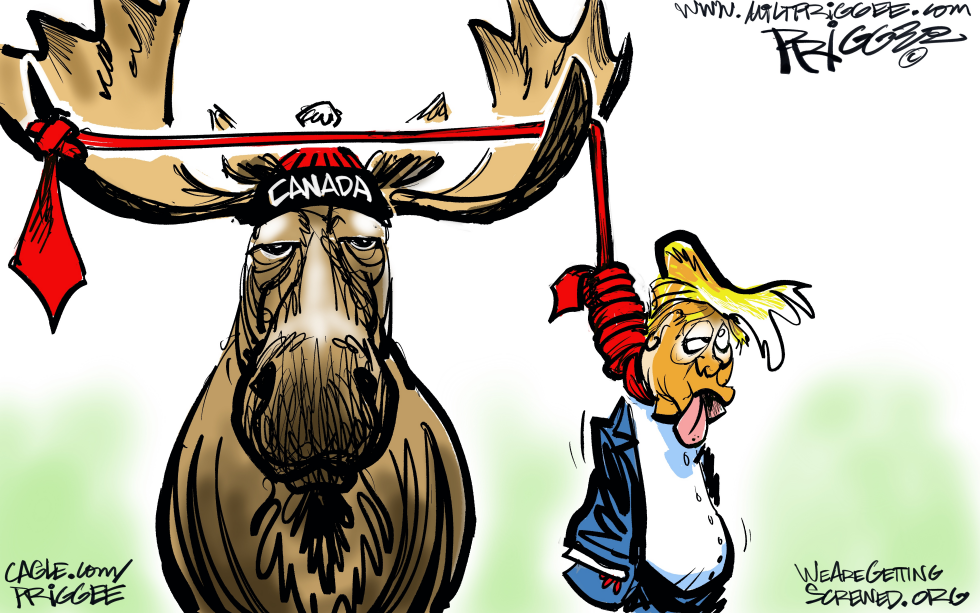
The cartoon shows a large moose labeled Canada with a weary expression as a caricature of Donald Trump yanks on its antler using a red strap. The moose wears a black cap with Canada written on it and has a red bar across its antlers. Trump appears disheveled with tongue out and sweat drops. Text at the bottom reads WEAREGETTINGS CREWED.ORG suggesting Canada feels exploited. Published on September 3 2026 the piece addresses US Canada relations under renewed Trump influence on trade and diplomacy.
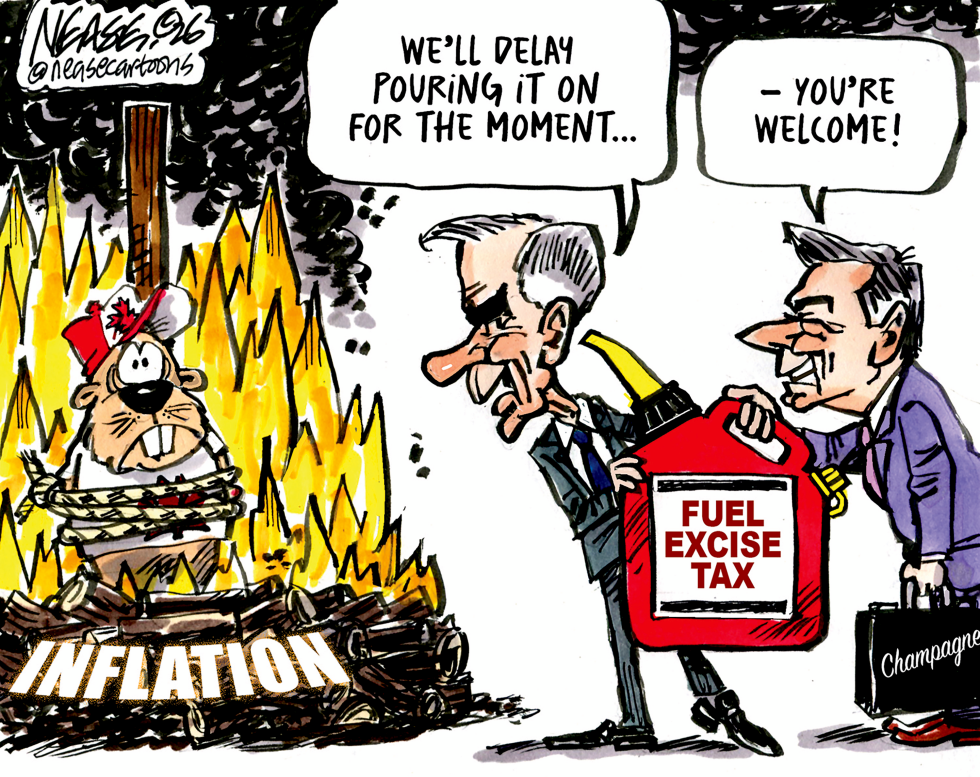
President Biden announced a delay in implementing a fuel excise tax increase amid ongoing inflation pressures. The move aims to ease costs at the pump for consumers. Critics argue the delay offers only temporary relief without addressing root causes. Supporters see it as a pragmatic step to stabilize prices. The editorial takes the position that such delays highlight inconsistent economic leadership.
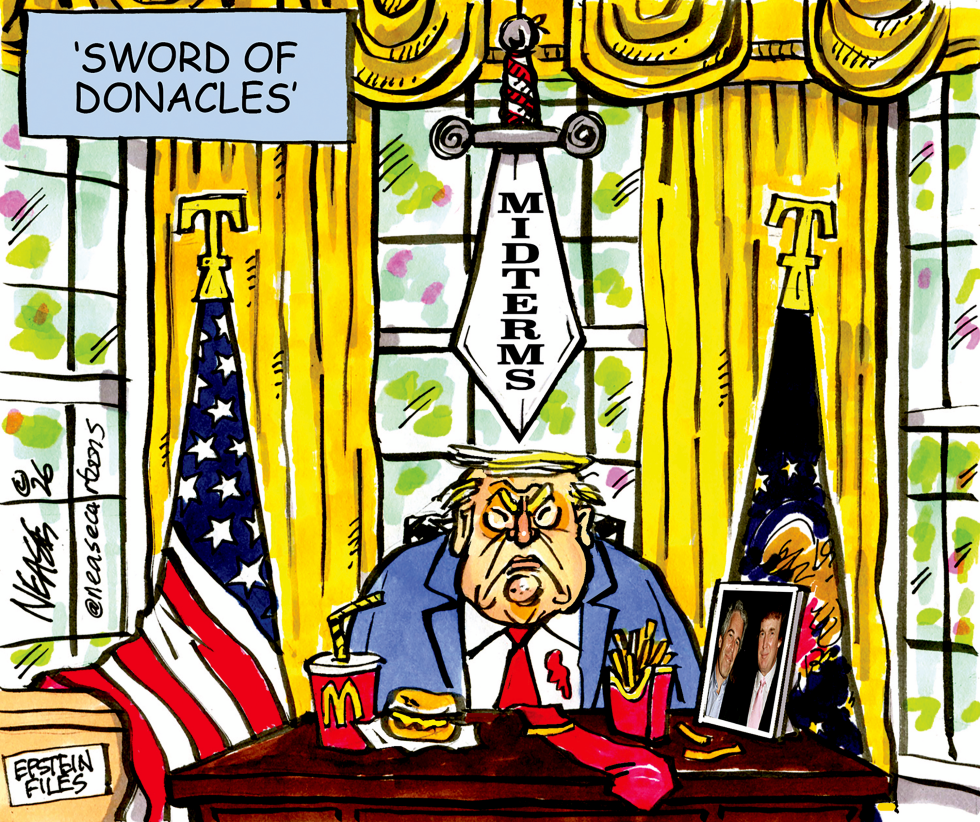
As the 2026 midterm elections approach, Donald Trump confronts renewed scrutiny from the Epstein files while facing a symbolic sword of Damocles labeled midterms. The piece portrays the political stakes for the former president and his allies. It suggests the documents could intensify pressure on his position heading into the elections.
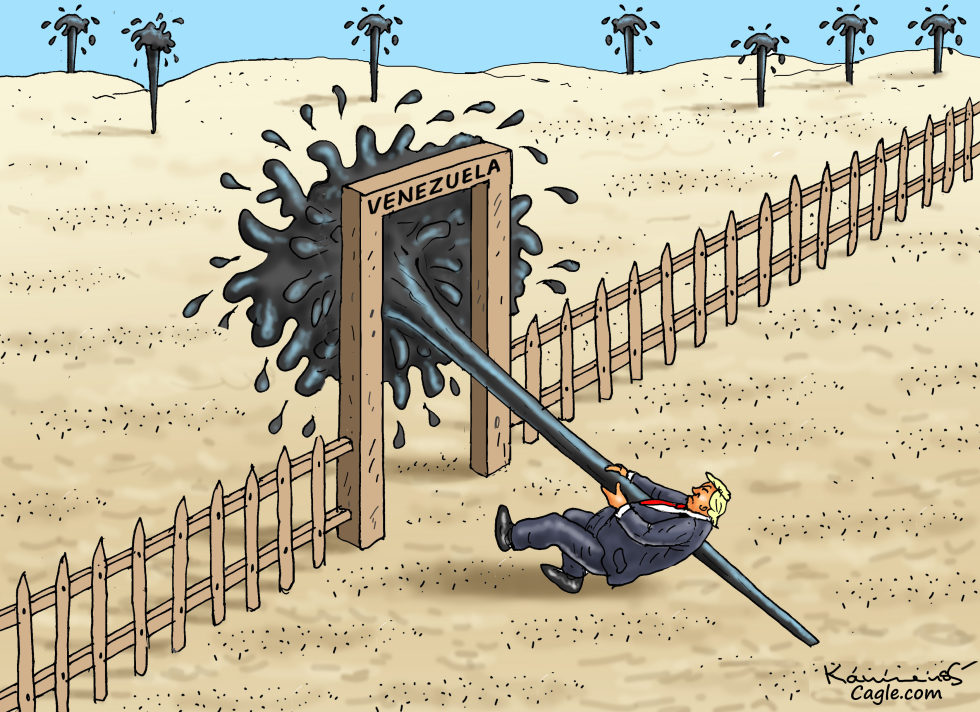
US policy toward Venezuelan oil exports shifted in 2026 as the Trump administration eased certain sanctions. This allowed increased crude shipments to reach American markets. The change raised questions about energy security and relations with Caracas. Critics argued the move undermined prior pressure on the Maduro government. The cartoon depicts the oil surge directly impacting Trump, suggesting the policy backfired on its architect.
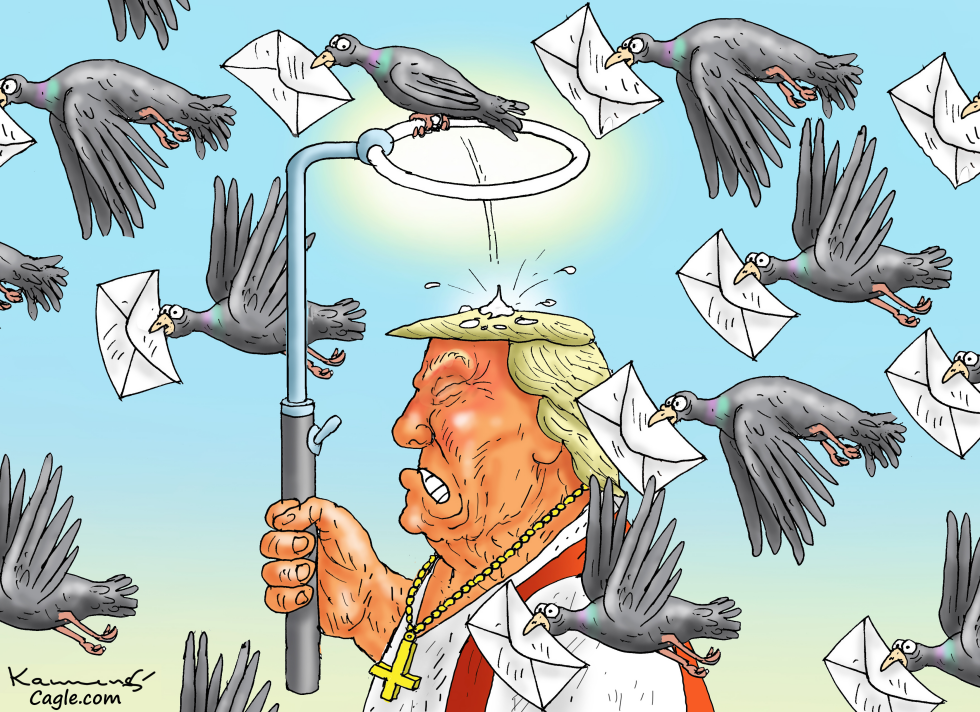
Donald J. Trump continues to draw intense public and political attention in 2026. Recent developments around mail services and communications have placed him at the center of fresh criticism. Observers note the volume of correspondence and commentary directed at him. The editorial position frames these pressures as deserved scrutiny over his conduct and influence.
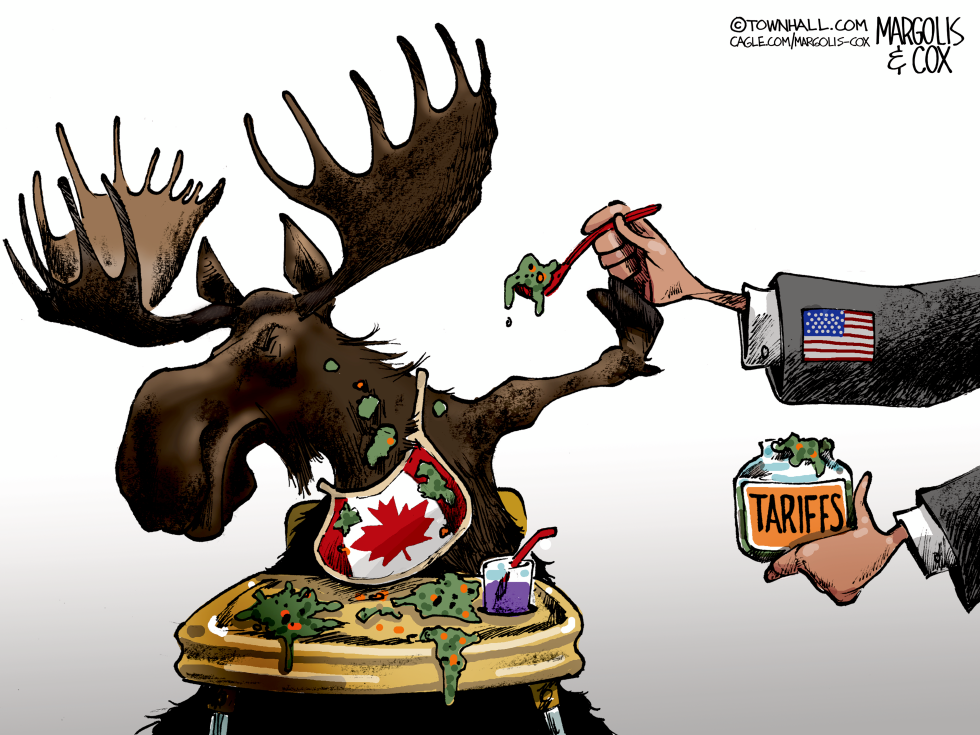
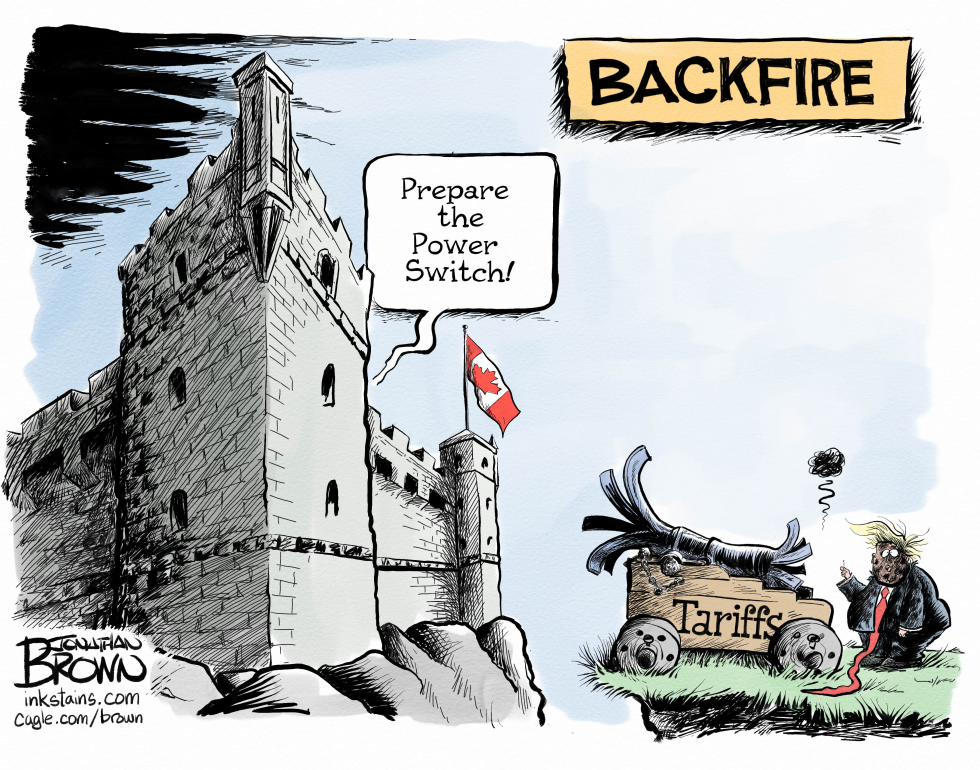
The United States has moved to impose new tariffs on Canadian goods, escalating ongoing trade frictions between the two nations. The policy aims to address perceived imbalances but risks straining the close economic partnership. The editorial position criticizes the approach as overly aggressive and counterproductive to mutual interests.
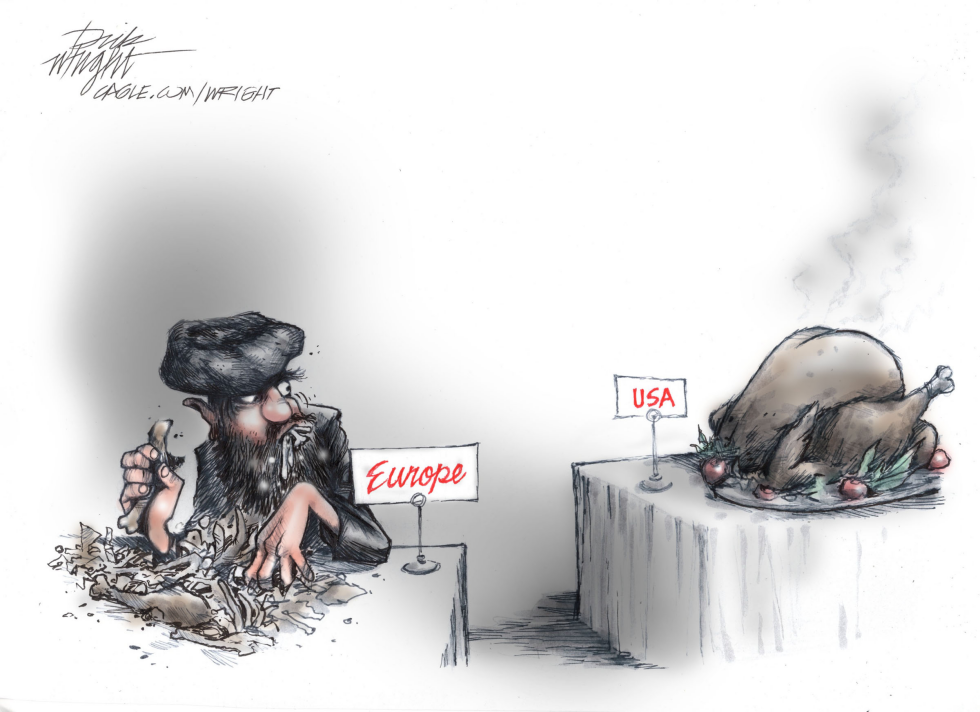
A foreign leader has stripped Europe bare and now eyes the United States as the next prize. The piece argues that unchecked expansionist momentum threatens American security and global stability.
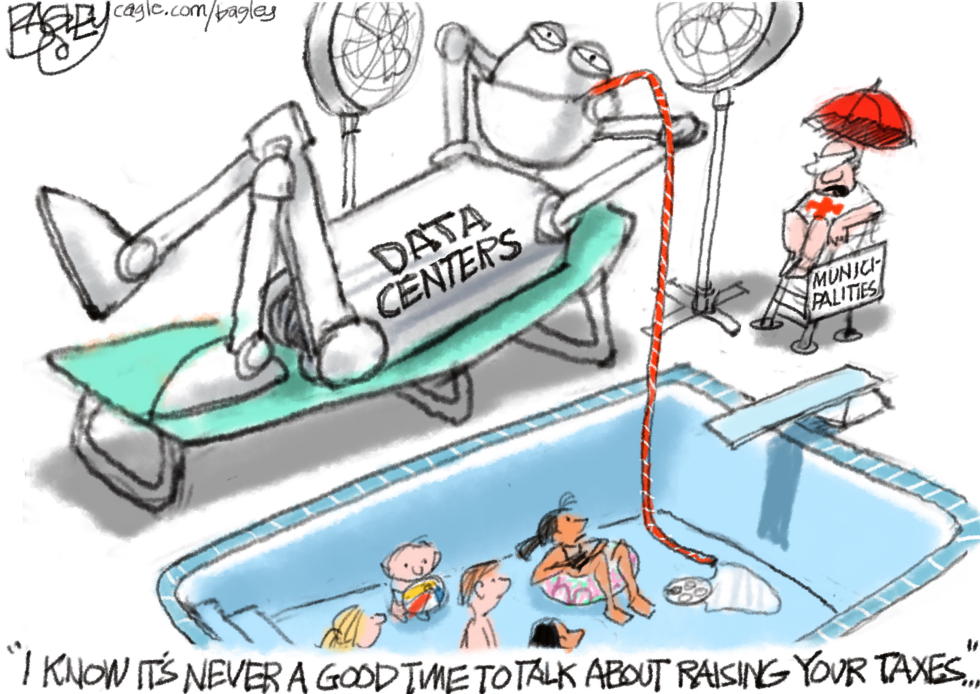
Data centers are expanding rapidly and placing heavy demands on local water and power supplies. Municipalities must decide whether to raise taxes to cover the costs. The piece argues that residents bear the burden while data centers consume resources without contributing enough back.
The cartoon shows a Canadian castle flying its flag while a cannon labeled Tariffs explodes backward toward a figure resembling Donald Trump. The scene responds to ongoing trade tensions where U.S. tariffs on Canadian goods prompted retaliatory measures. The visual emphasizes the policy rebounding on its originator rather than achieving intended pressure.
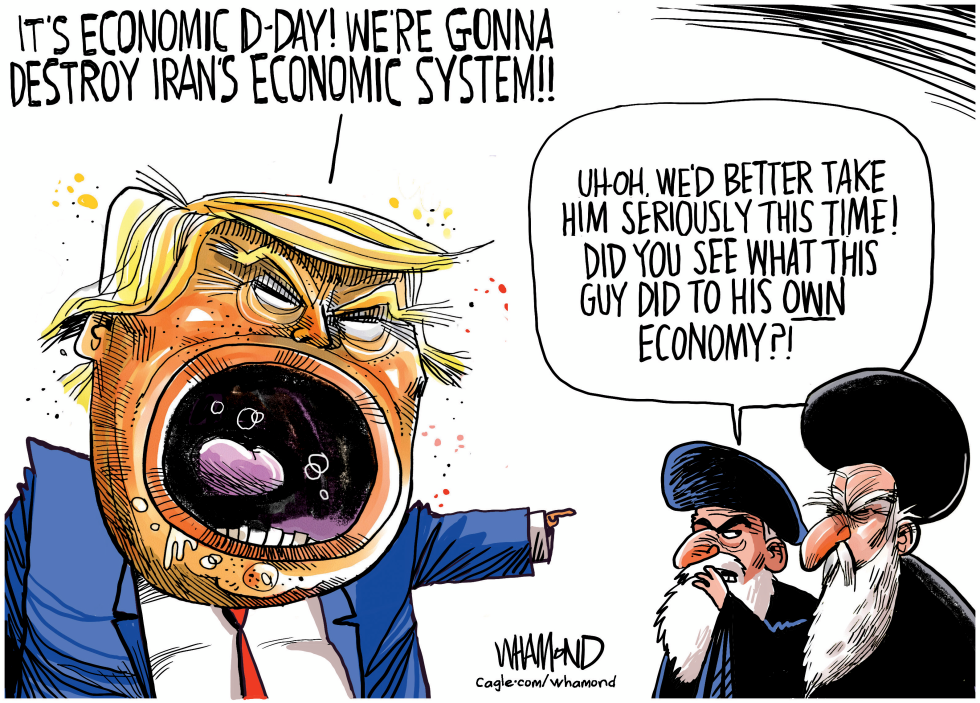
Donald Trump has warned of an economic D-Day targeting Iran's economic system. The statement comes as part of ongoing pressure on Tehran. Iranian leaders in the scene respond by urging seriousness, citing the impact Trump had on the US economy during his term. The development highlights continued tensions in US-Iran relations and the use of economic measures as leverage. The piece portrays the threat as potentially undermined by Trump's own economic legacy.