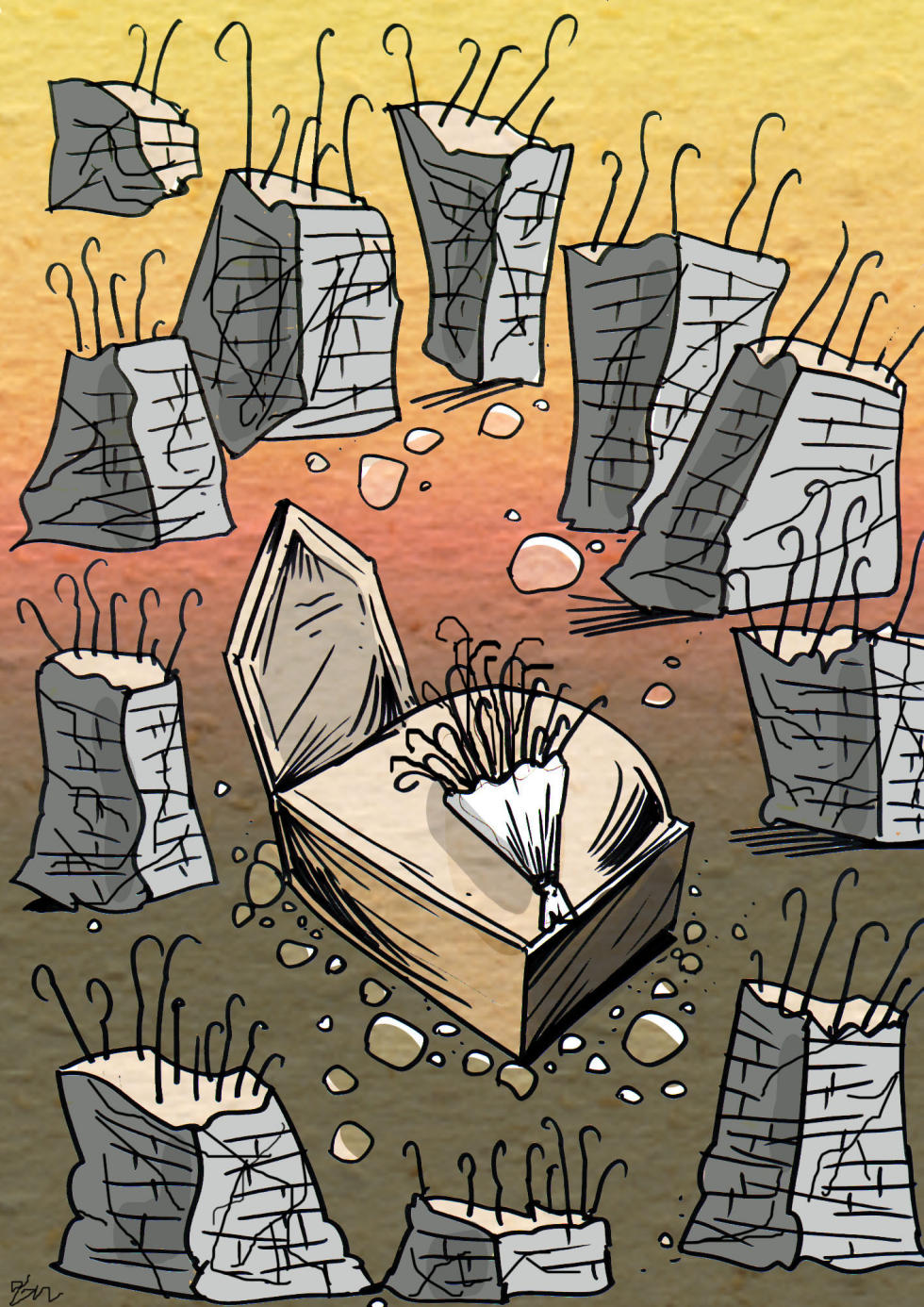
No single dated event anchors this image. It addresses the ongoing pressure on books and ideas from censorship, bans, and cultural conflict. The piece argues that literature and open inquiry remain vulnerable yet resilient amid surrounding threats.
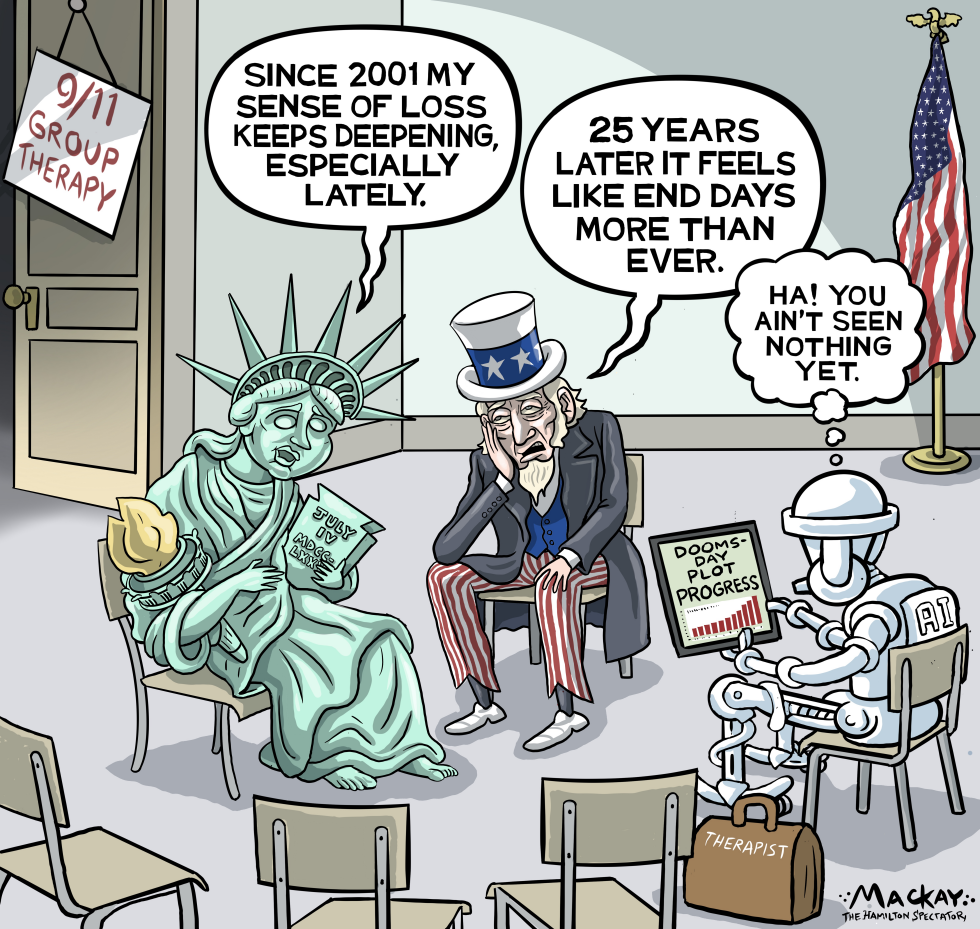
The cartoon depicts the Statue of Liberty, Uncle Sam and an AI robot seated in a 9/11 group therapy session on the 25th anniversary of the attacks. The Statue of Liberty holds a book marked July IV MDCCLXXVI and speaks of deepening loss since 2001. Uncle Sam echoes the sentiment of end days. The AI figure, labeled with a rising doomsday plot progress chart, retorts that the others have seen nothing yet. The scene uses national symbols to reflect persistent national trauma and emerging technological threats two and a half decades after the September 11 attacks.
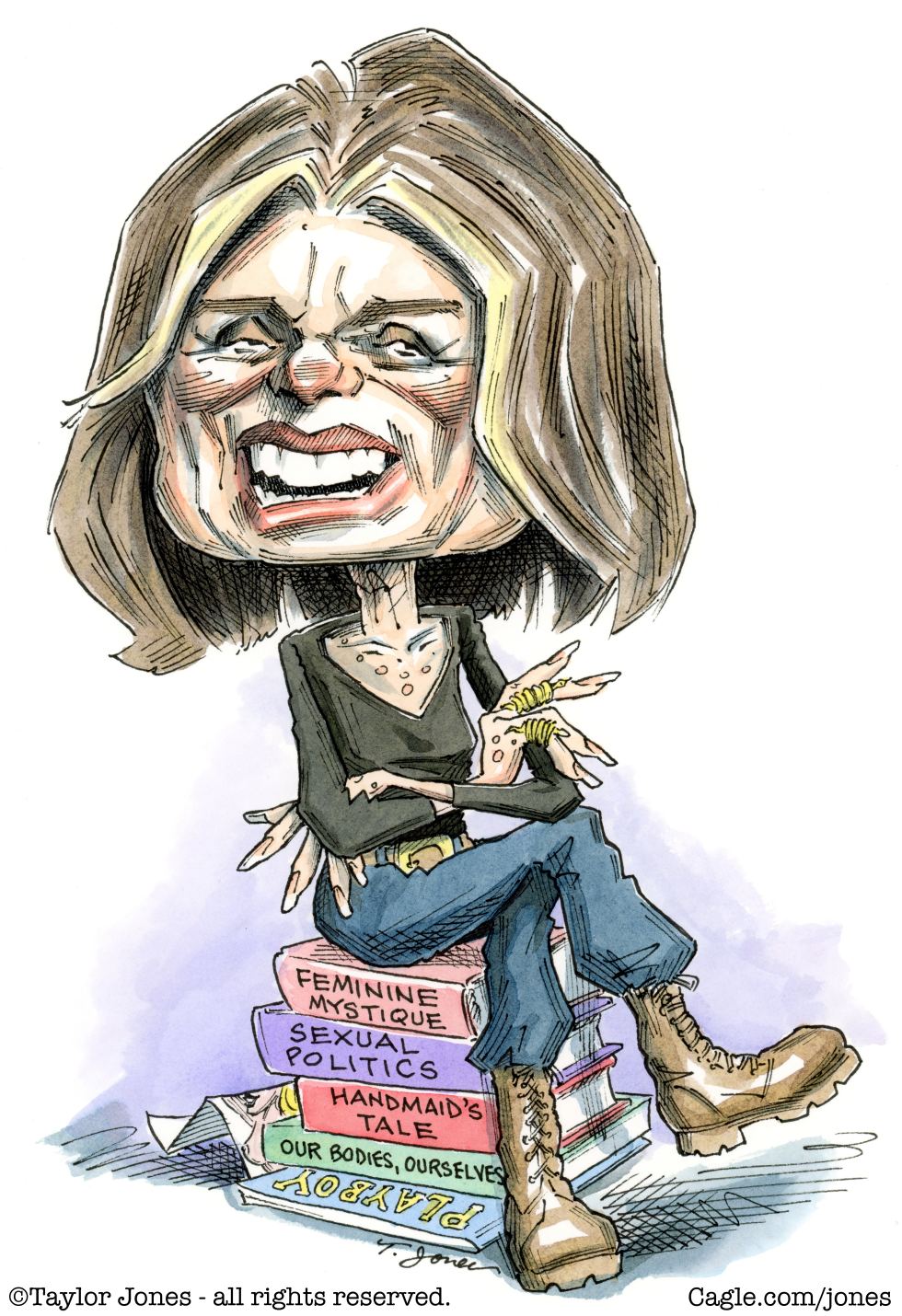
Gloria Steinem remains a central figure in American feminism decades after her rise to prominence. Her work helped popularize second-wave ideas on equality and reproductive rights. The image places her on a stack of landmark feminist books to underscore her connection to that intellectual tradition.
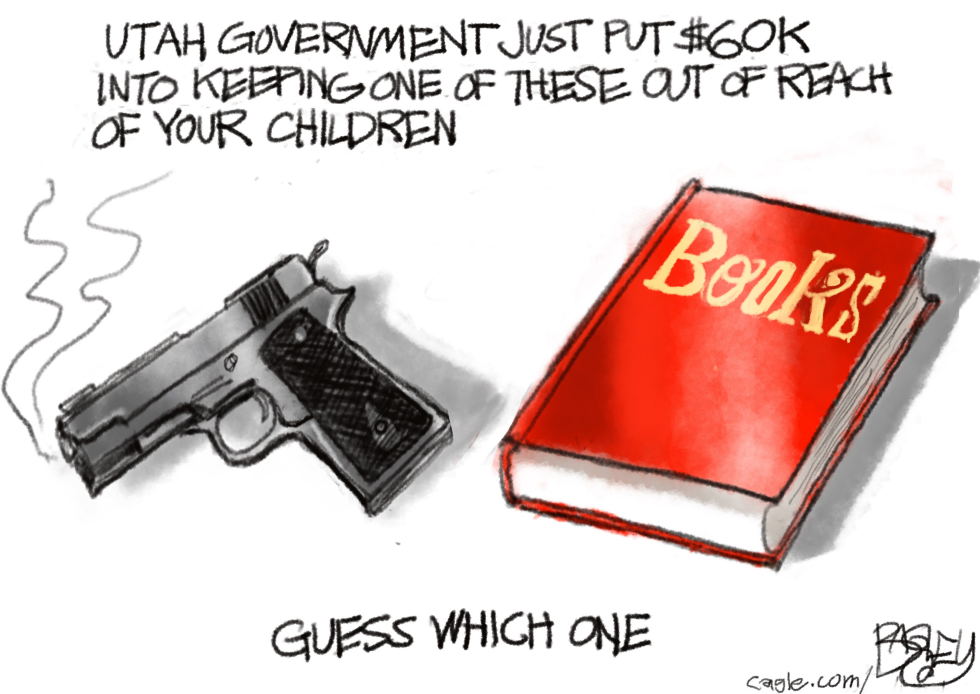
Utah officials directed $60,000 toward measures keeping certain books from children. Firearms remain readily available in the state. The decision highlights priorities in public safety and education policy. The piece criticizes the allocation as misplaced emphasis on censorship instead of addressing gun risks.
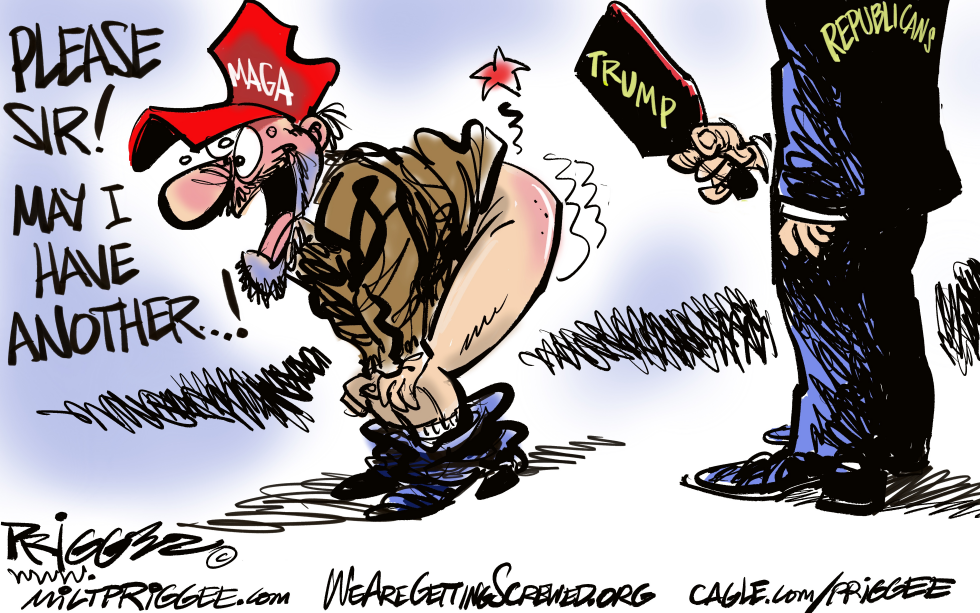
The cartoon depicts a caricature of Donald Trump bent over with pants down, pleading 'Please sir! May I have another!' while a Republican figure holds a Trump-labeled book ready to strike. Published September 1, 2026, the image comments on the power relationship between Trump and the Republican Party after recent electoral events.
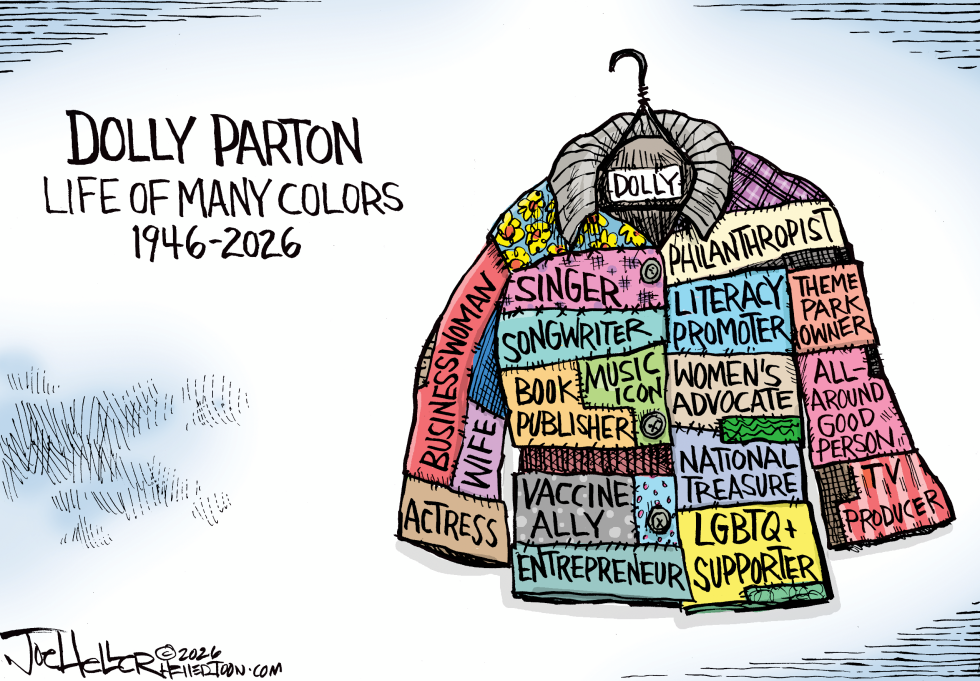
Dolly Parton died in 2026 at age 80. The country music icon built a career spanning singing, songwriting, acting, business and philanthropy while advocating for literacy, women's issues and LGBTQ causes. The tribute highlights her enduring status as a national treasure.
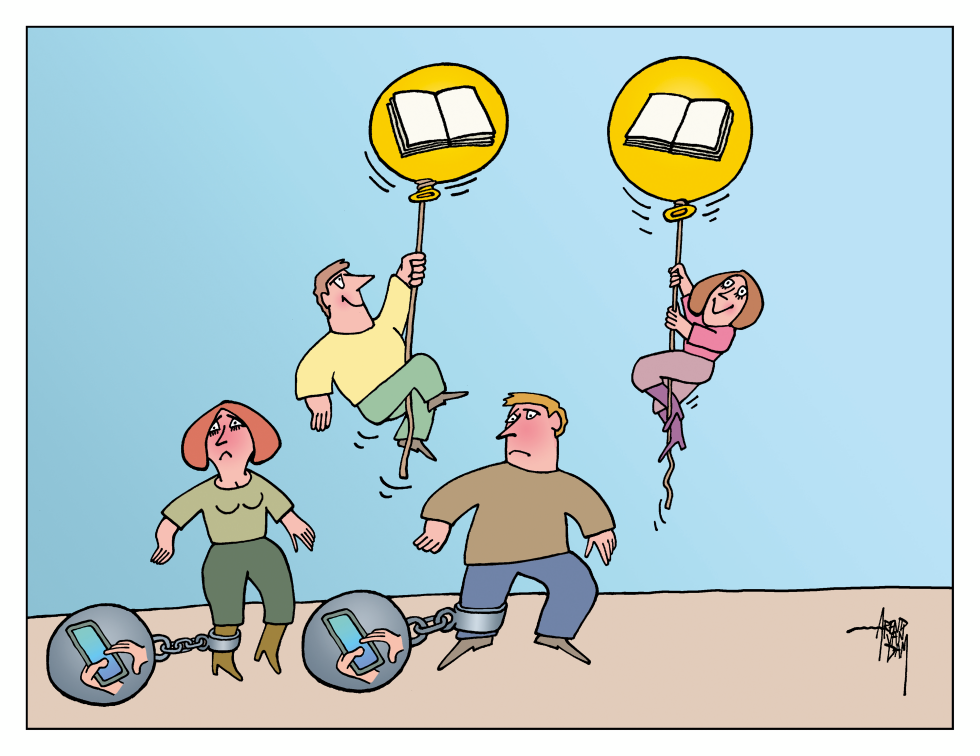
The ongoing debate over digital devices versus traditional reading materials continues to highlight how constant smartphone use can limit personal growth and mobility. Books, by contrast, offer pathways to broader perspectives and advancement. The editorial position favors reading as a superior force for individual upliftment over reliance on handheld technology.
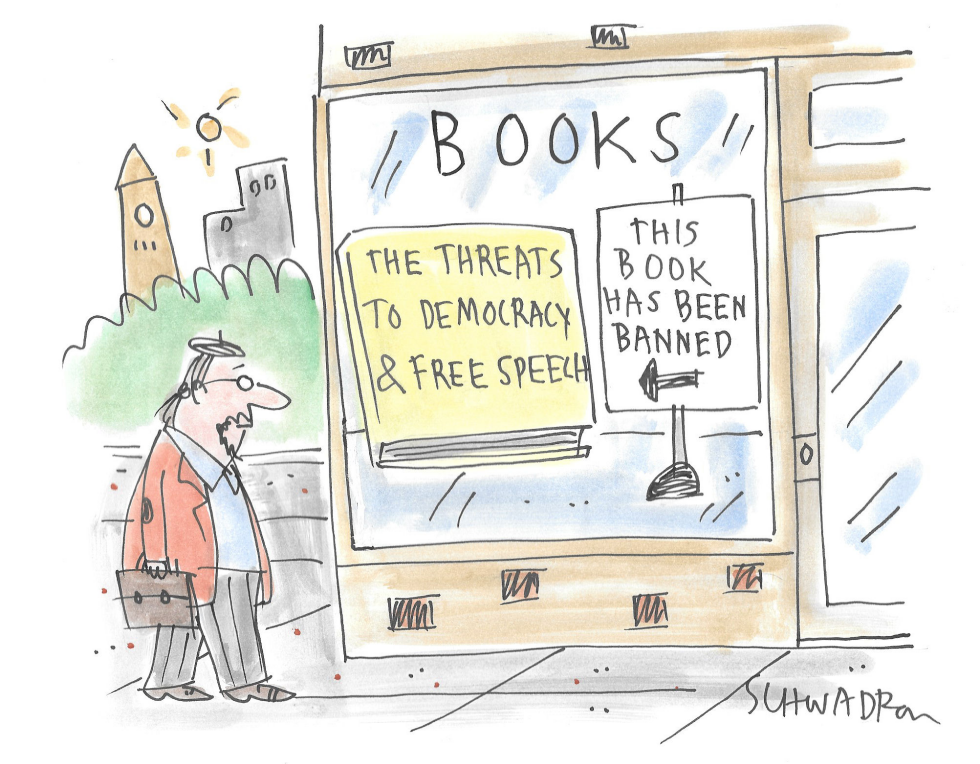
A bookstore window features a prominently displayed book titled The Threats to Democracy and Free Speech alongside a sign announcing its ban. The scene underscores ongoing debates over book removals from public access. The editorial position criticizes such bans as direct assaults on open discourse and democratic principles.
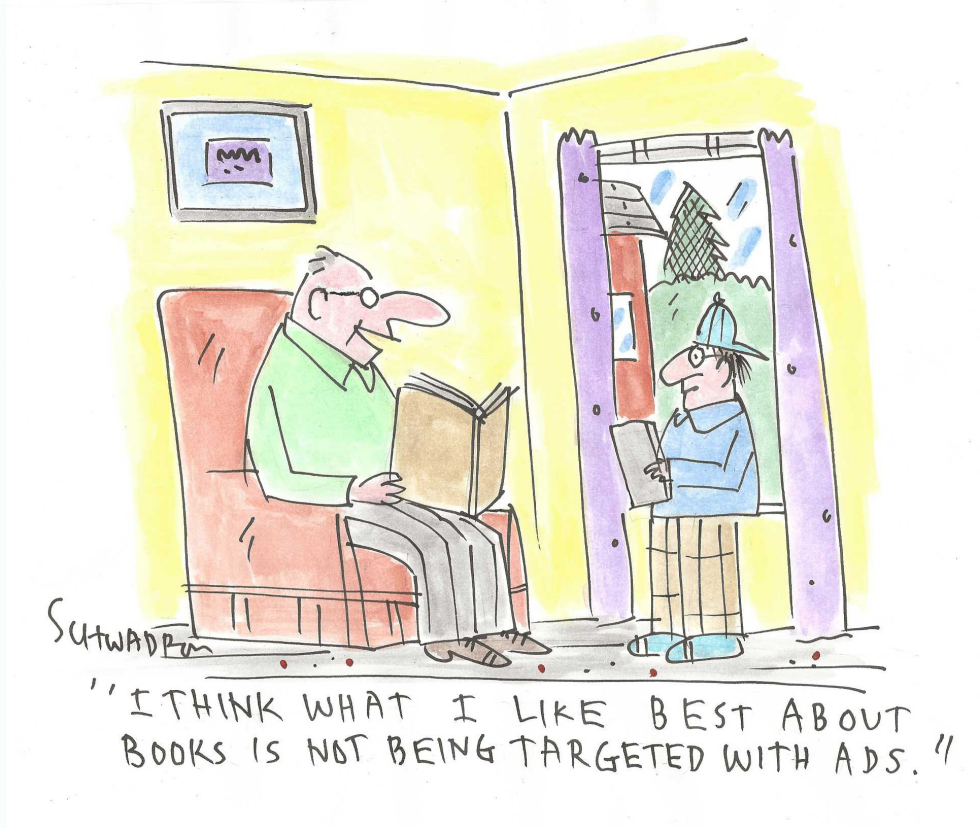
An elderly reader seated comfortably expresses a clear preference for traditional books precisely because they spare him from targeted advertising that follows users across digital platforms. The comment underscores a broader tension between print media and online content delivery systems that rely on data tracking. The piece takes the position that this ad-free quality remains one of books' strongest advantages in an era of constant commercial interruption.
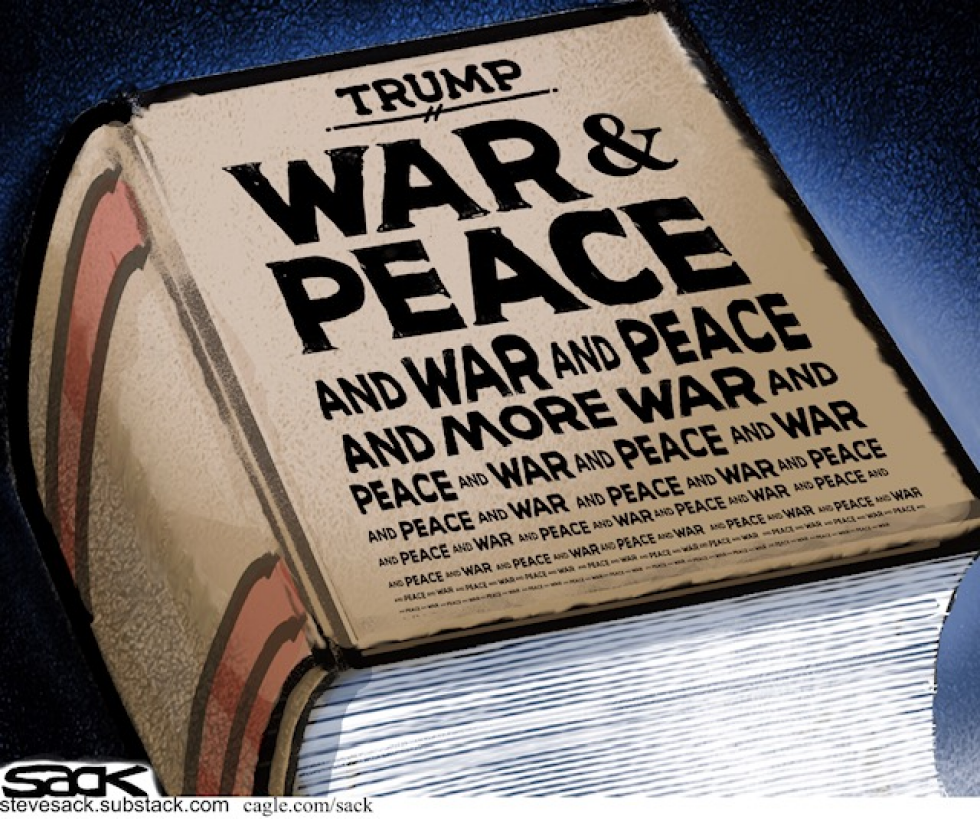
Donald Trump has returned to the political spotlight amid ongoing debates over U.S. foreign policy and military engagements. The publication date places this in a period of renewed discussion about conflict resolution and presidential decision-making. The piece responds by framing these issues as an unending loop rather than distinct policy choices.
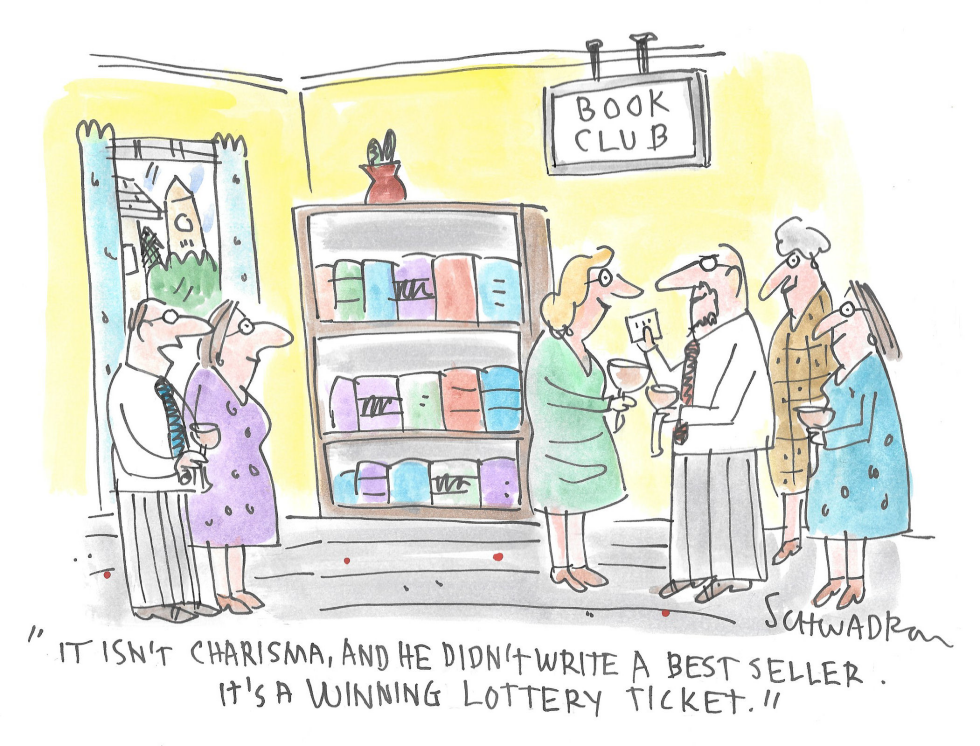
A book club gathering turns on a revelation about its leader's success. Members learn that a winning lottery ticket, not literary achievement or personal charisma, explains the group's draw. The situation highlights how unexpected windfalls can shape social circles and perceived status in casual settings. The piece presents the discovery as a straightforward explanation that undercuts assumptions about talent or appeal driving group interest.
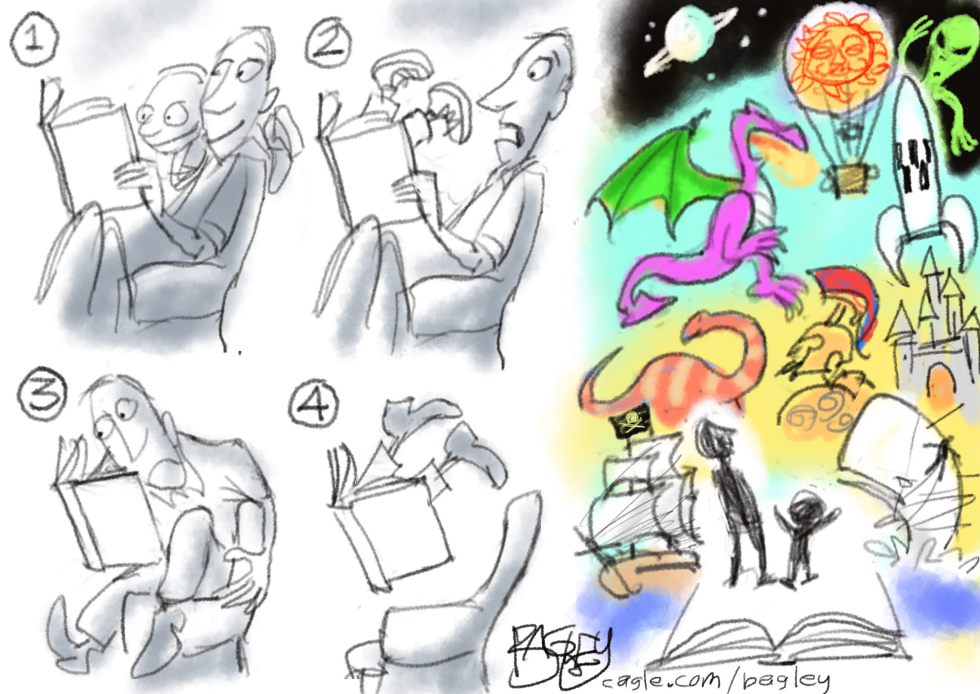
Encouraging children to read remains crucial amid competition from screens for developing creativity. Stories transport readers to worlds of adventure and discovery. The piece advocates for the power of literature to inspire young minds through vivid fantasy.
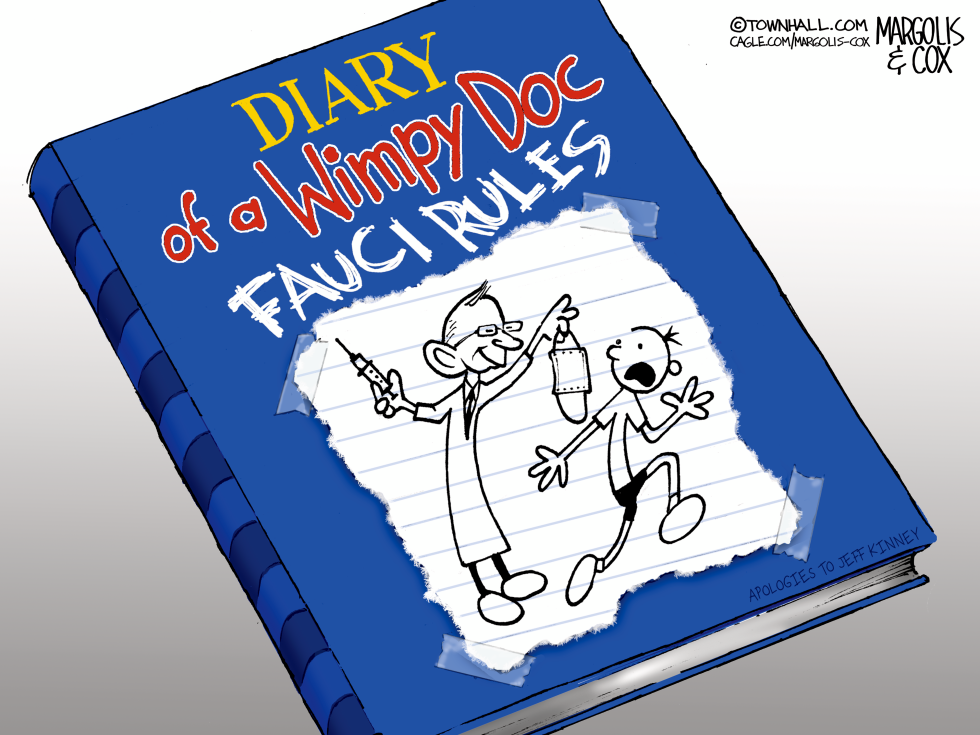
Public debate over vaccine recommendations from health officials continues amid shifting guidance and public skepticism. Anthony Fauci remains a central figure in discussions of pandemic response and mandates. The parody book cover uses the Diary of a Wimpy Kid format to highlight concerns about aggressive vaccine promotion to children. Critics argue such approaches overlook individual choice and long-term trust in institutions. The piece takes the position that Fauci's influence on policy warrants scrutiny through pointed visual commentary.
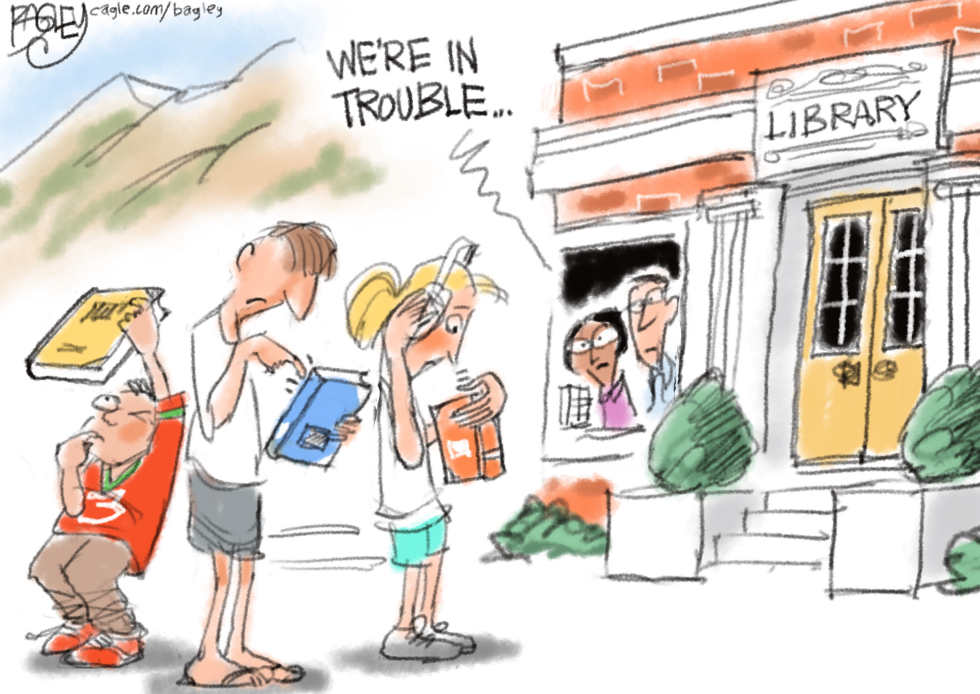
Young library visitors display visible distress while holding books outside a public library building. Staff members inside watch the scene with worried expressions. The piece highlights ongoing tensions around access to reading materials in community spaces.