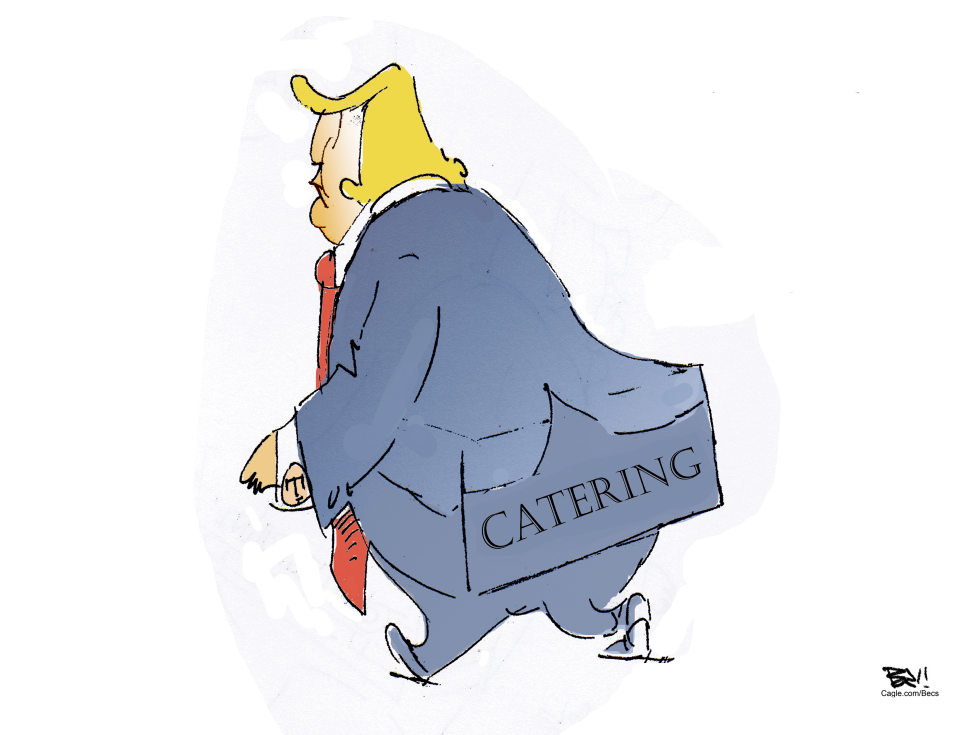
Donald Trump remains a central figure in U.S. politics as of mid-2026. The image responds to ongoing debates about his business ties and political influence. Observers continue to examine how former and current roles intersect with commercial interests. The piece presents Trump as aligned with catering services in a literal visual sense. This framing underscores questions about priorities and external influences on his actions.
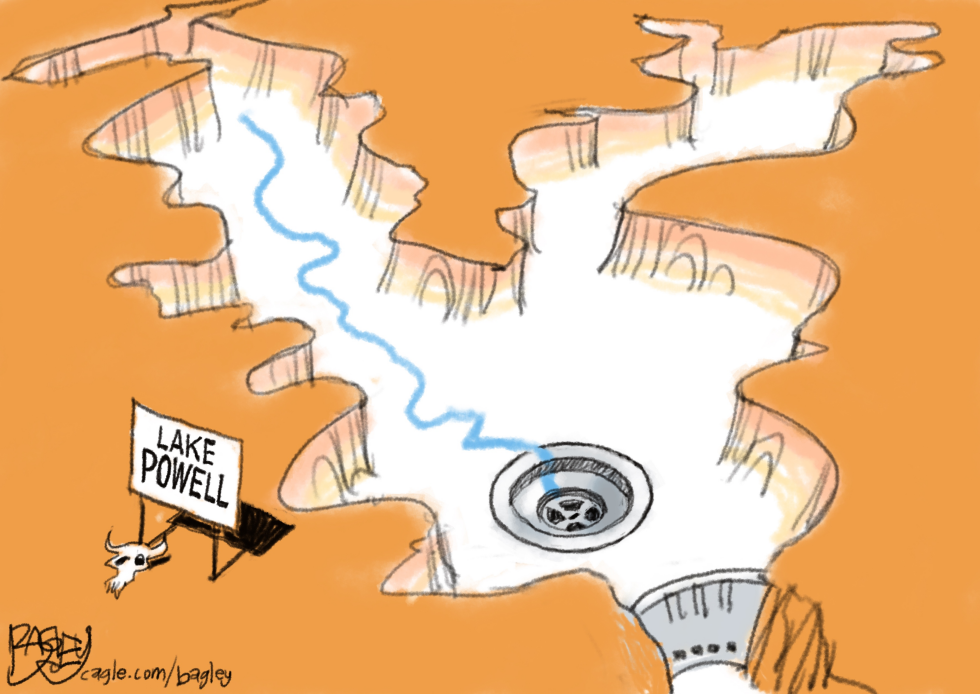
Ongoing drought has pushed Lake Powell to critically low levels along the Colorado River, threatening water supplies for millions across the western United States. The reservoir's continued decline raises urgent questions about allocation agreements among seven states and Mexico. The editorial highlights the severity of the water loss and calls for immediate policy action to address overuse and climate-driven shortages.
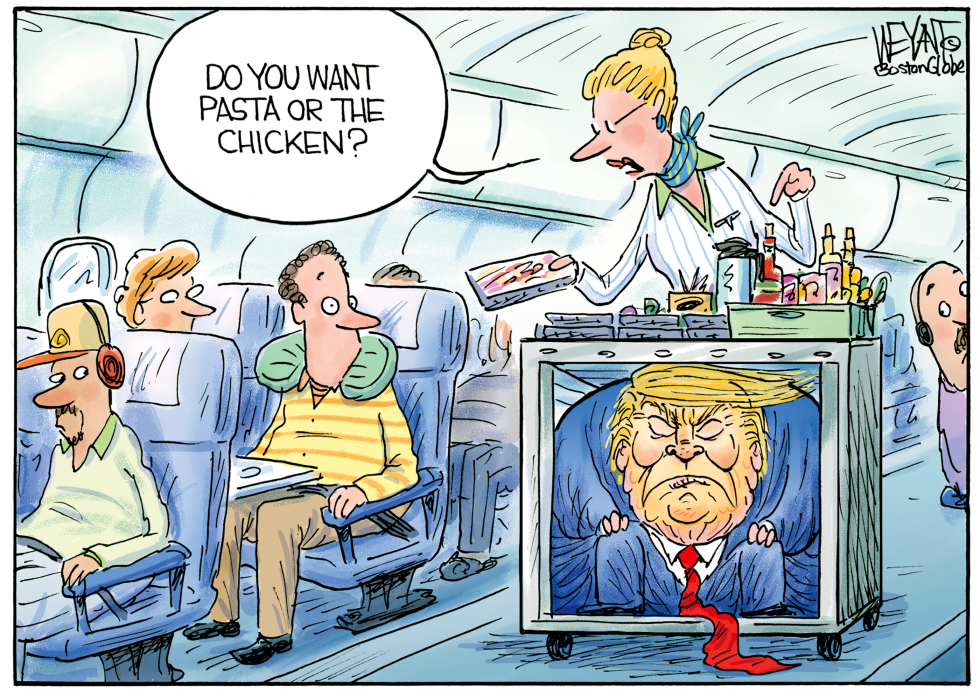
A political figure faces public scrutiny over recent statements and legal matters in the summer of 2026. The situation draws widespread media attention and shapes ongoing debates about leadership and accountability. The piece frames the figure as an unappealing option in a routine service setting to underscore dissatisfaction with his continued prominence.
Donald Trump faces ongoing scrutiny over expanding allegations of misconduct and deception in public office. Recent developments have heightened concerns among associates about the accumulating impact. The editorial takes the position that these issues are intensifying and demand accountability.
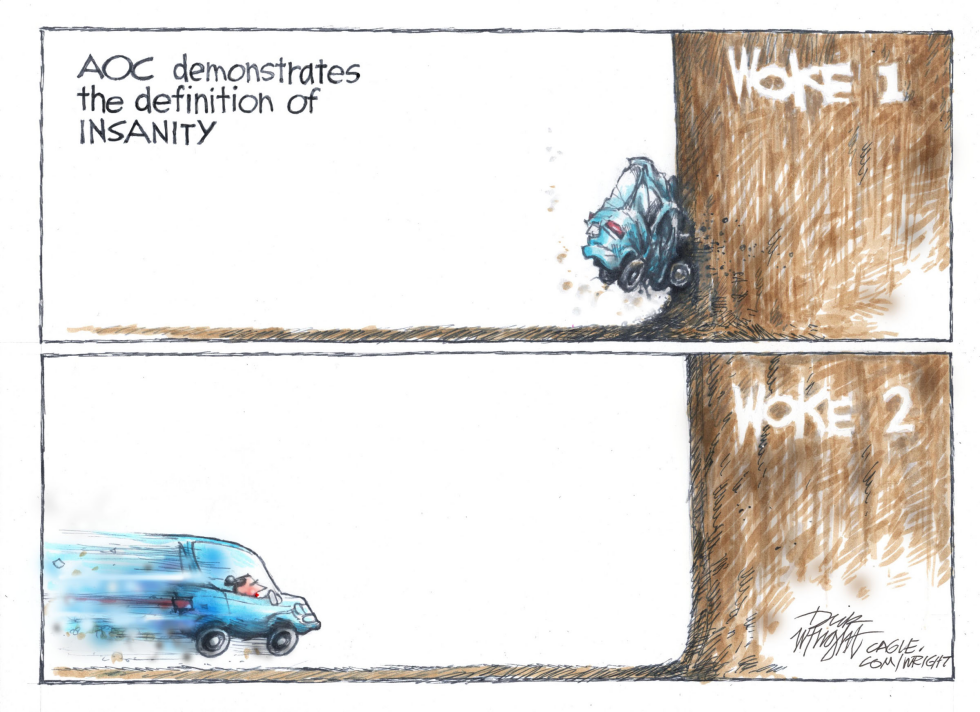
Representative Alexandria Ocasio-Cortez continues to advance progressive policy positions that encounter repeated political and practical obstacles. The cartoon frames these efforts as a cycle of collision and renewed attempts without adjustment. It argues that persistence in the same approach despite clear setbacks defines a flawed strategy.
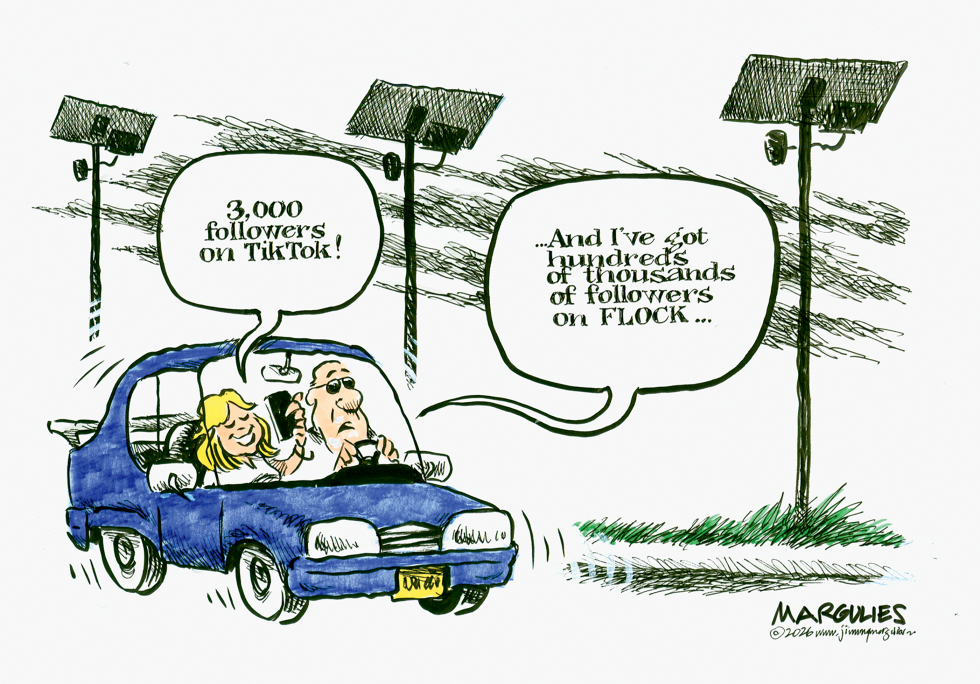
Drivers on public roads increasingly encounter networks of automated license plate readers operated by companies such as Flock Safety. The cartoon highlights the contrast between voluntary social media sharing on platforms like TikTok and involuntary data collection by surveillance systems. It underscores how both forms of attention now shape modern life, with the editorial noting the irony of competing over follower numbers in either realm.
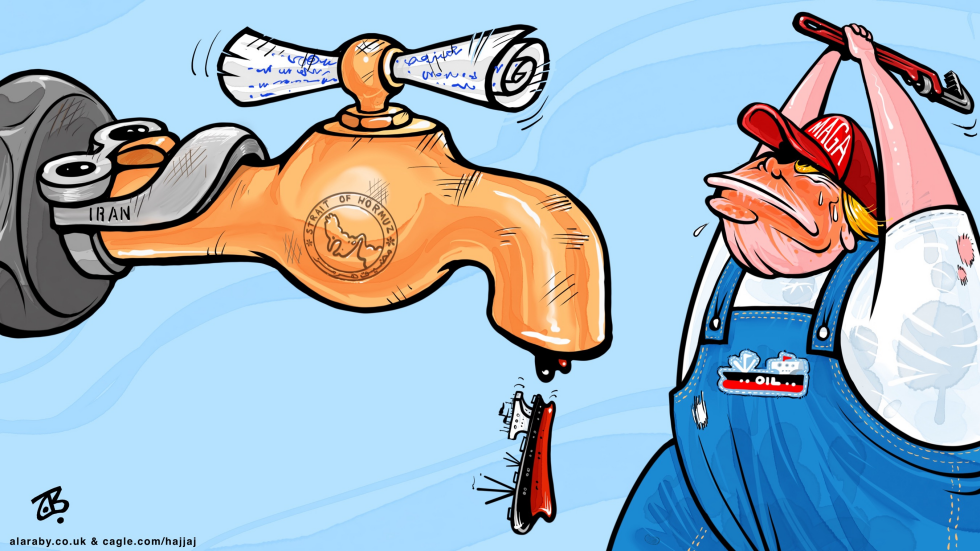
Donald Trump faces ongoing friction with Iran over control of the Strait of Hormuz, a vital oil transit route. Recent shipping incidents and sanctions disputes have kept the waterway in focus. The piece portrays these pressures as a plumbing crisis that resists easy fixes.
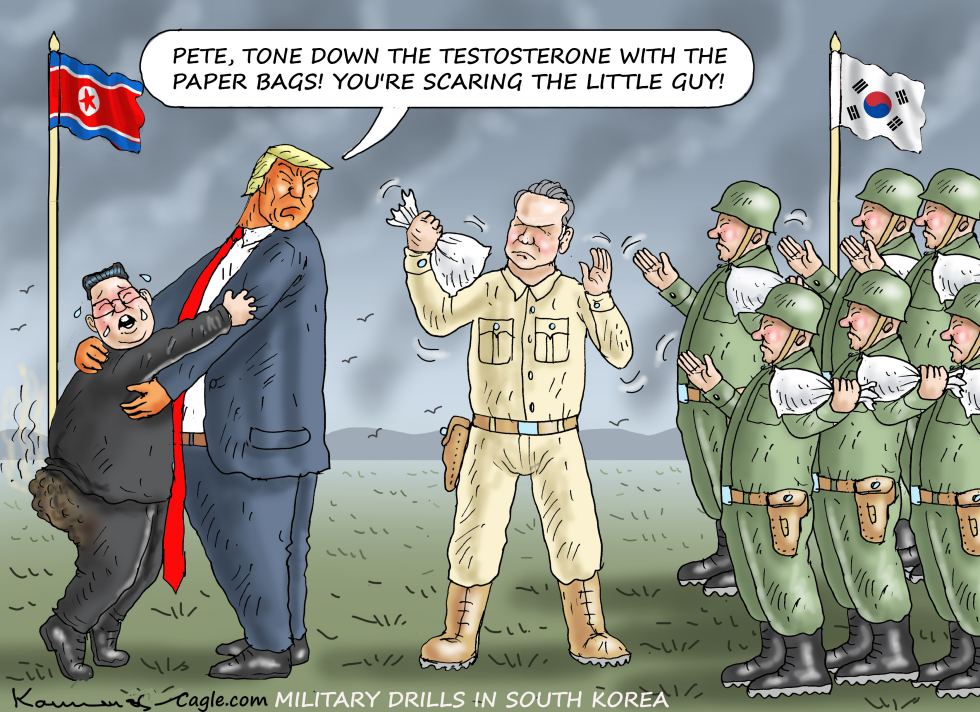
US and South Korean forces conducted joint military drills in mid-August 2026, prompting sharp North Korean protests over perceived threats. Donald Trump appeared at the scene restraining Kim Jong-un while a uniformed figure urged restraint with paper bags to calm the North Korean leader. The image frames the drills as overly provocative and mocks the testosterone-driven posturing on all sides.
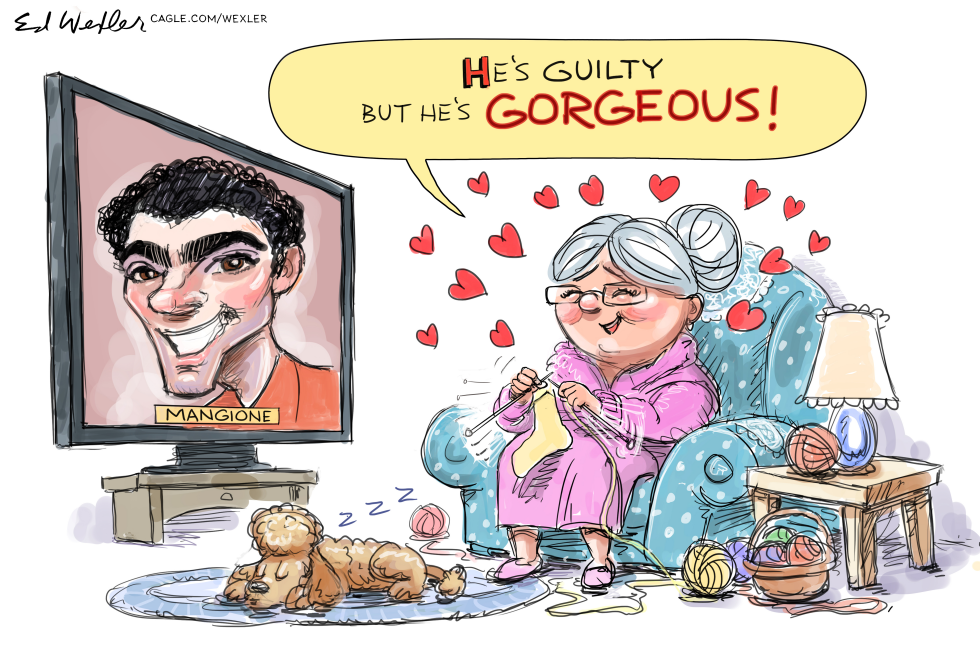
A guilty verdict was delivered in the Mangione case on or around August 2026. The decision drew widespread media coverage and public commentary. The editorial highlights how some viewers focused on the defendant's appearance rather than the legal outcome. It critiques the blending of serious justice matters with superficial attraction in popular reactions.
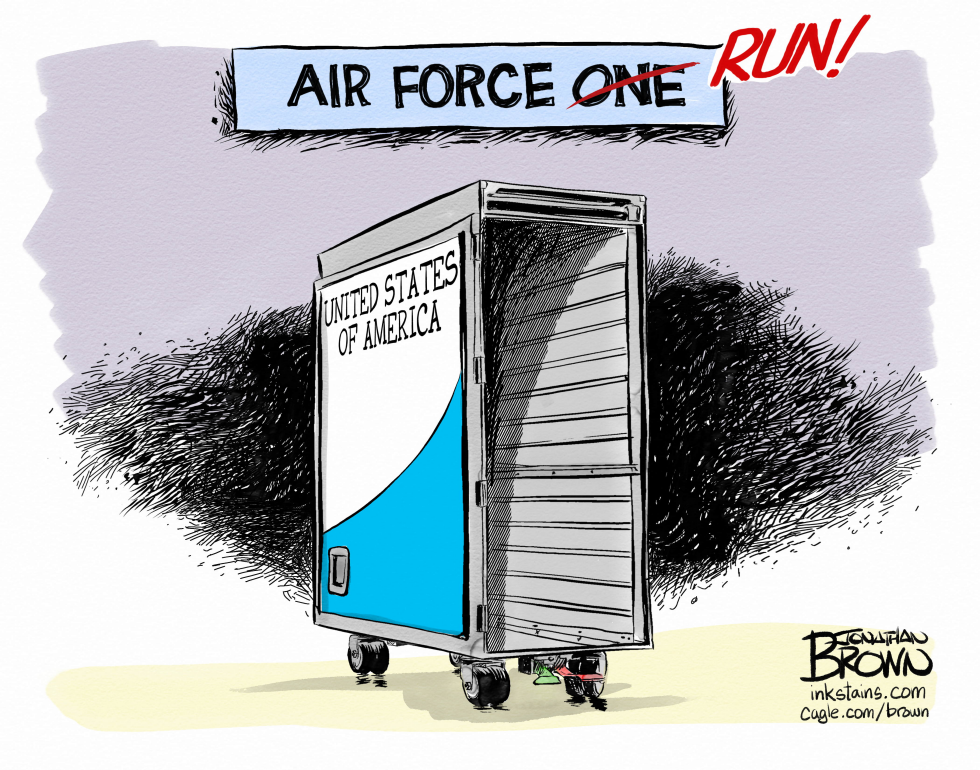
A wheeled airline catering cart occupies the center of the frame, painted in the livery of the presidential aircraft: white upper body, curved blue lower panel, and UNITED STATES OF AMERICA lettered down the side. Its full height door hangs open on empty wire shelving. Above it a pale blue placard reads AIR FORCE ONE, with ONE struck through in red and RUN! added beside that word in the same color. Two neckties poke out from between the casters underneath, one of them the long red tie Donald Trump is known for, the only trace of the men folded up inside. The drawing responds to reports that Trump sheltered in an airline galley cart against an assassination threat traced to Iran, turning the most recognizable branding in presidential aviation into an instruction to flee. Jonathan Brown signed the lower right corner alongside inkstains.com and Cagle.com/brown.
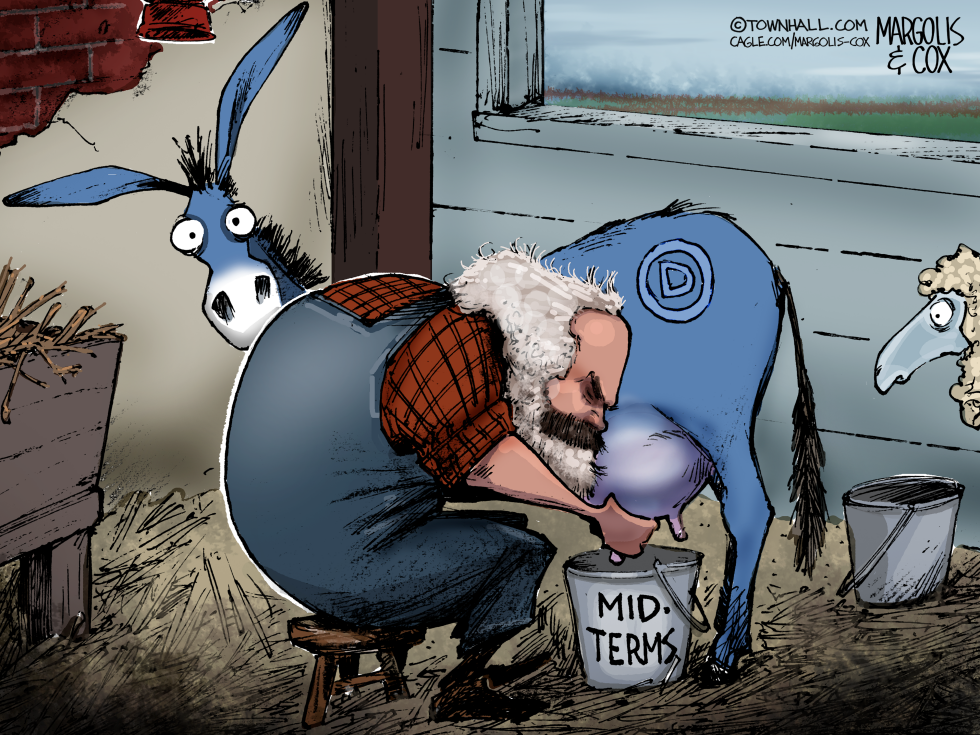
Democrats face ongoing questions about ideological influences from socialist thinkers as they prepare midterm strategies. The piece portrays Karl Marx directly engaging the party symbol to extract electoral gains. It argues that such roots undermine the party's mainstream appeal and long-term viability.
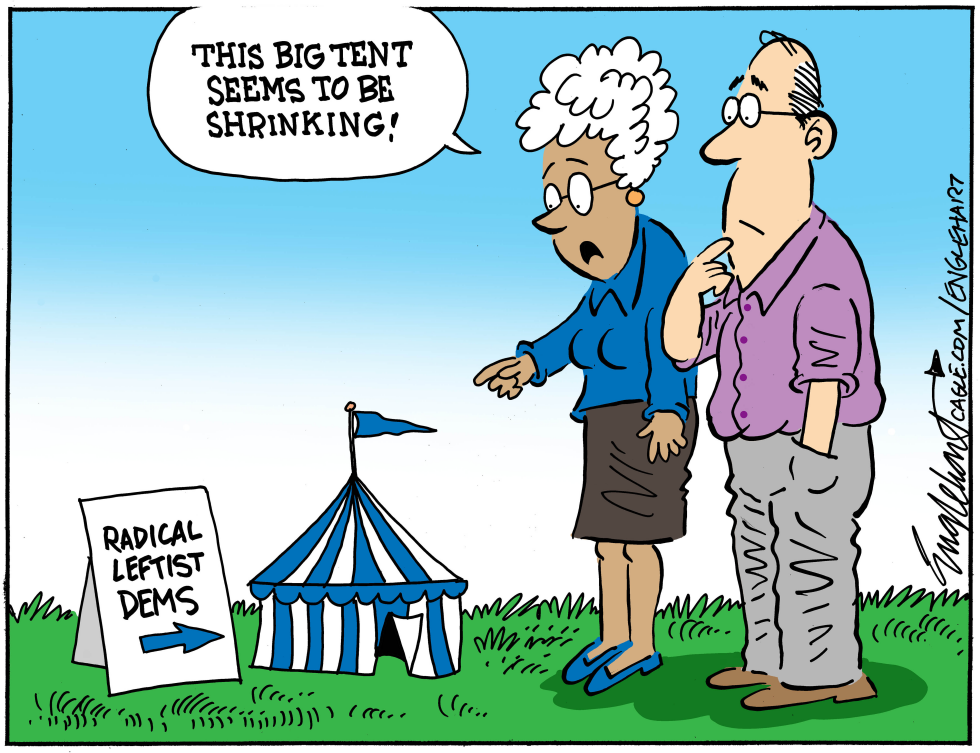
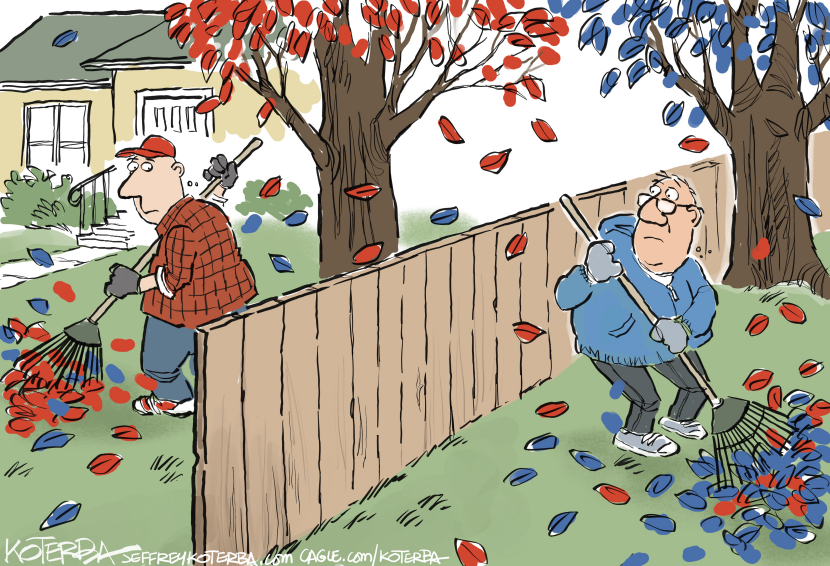
Democratic Party figures have grown concerned that the traditional big tent coalition is contracting as radical leftists consolidate control over the party's direction and messaging. The shift sidelines moderates and narrows the range of acceptable views within the organization. This dynamic raises questions about the party's ability to maintain broad electoral appeal in upcoming cycles. The editorial takes the position that the exclusionary turn is self-defeating and accelerates the party's isolation from mainstream voters.
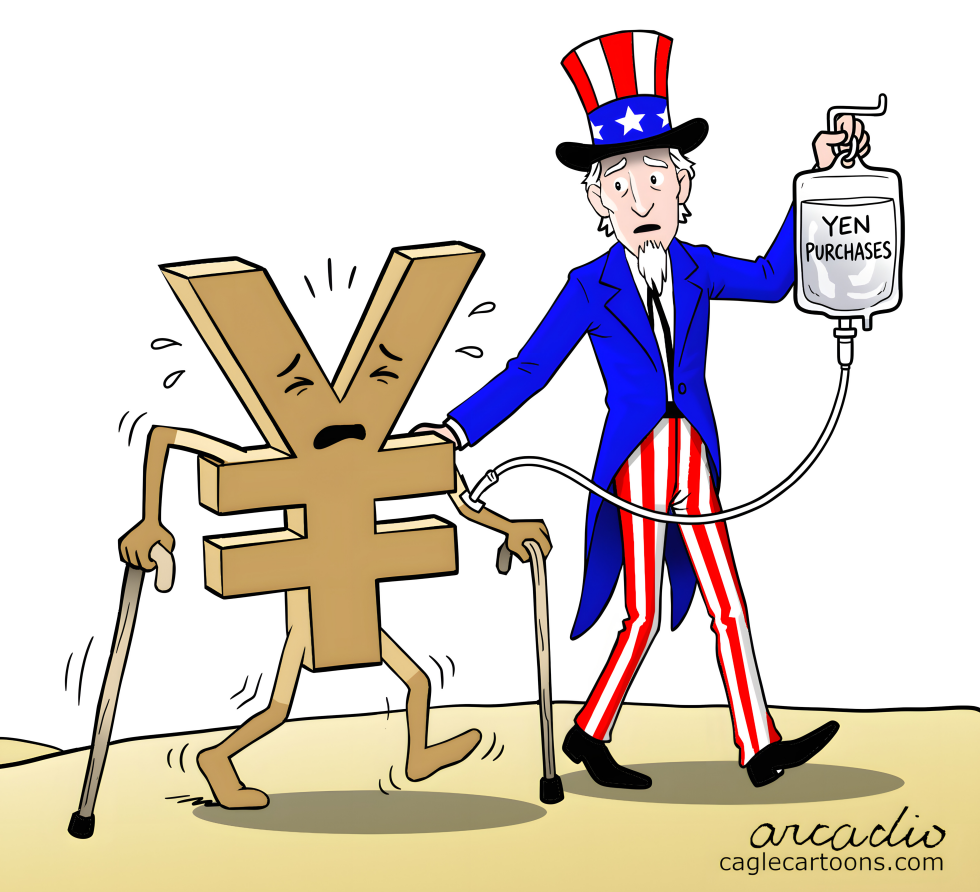
The United States has moved to support the Japanese yen through direct purchases amid signs of currency weakness. This action reflects ongoing efforts to stabilize exchange rates and ease pressure on Japan's economy. The intervention highlights the interconnected nature of global financial markets and the role major economies play in currency defense. The piece portrays the support as a necessary but concerned response to persistent economic fragility.
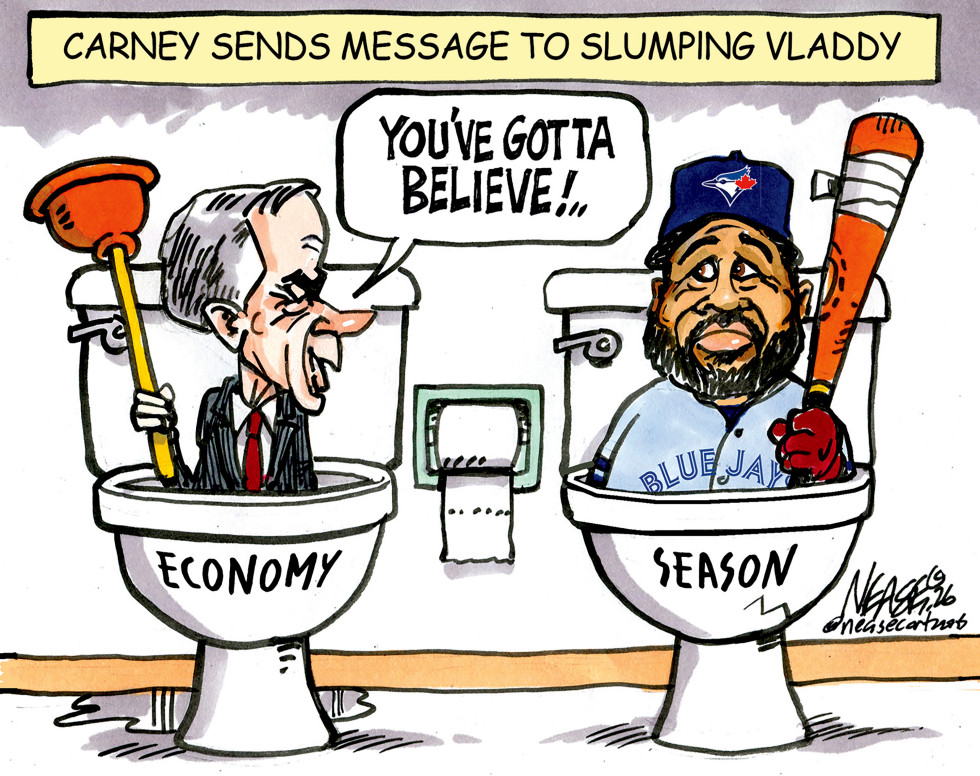
On August 12 2026 Mark Carney addressed Vladimir Guerrero Jr. during simultaneous downturns for the Canadian economy and the Toronto Blue Jays season. The exchange highlights ongoing pressures on both fronts with Carney positioned as a voice of encouragement. The piece frames the interaction as a direct motivational message from the political sphere to the sports world.