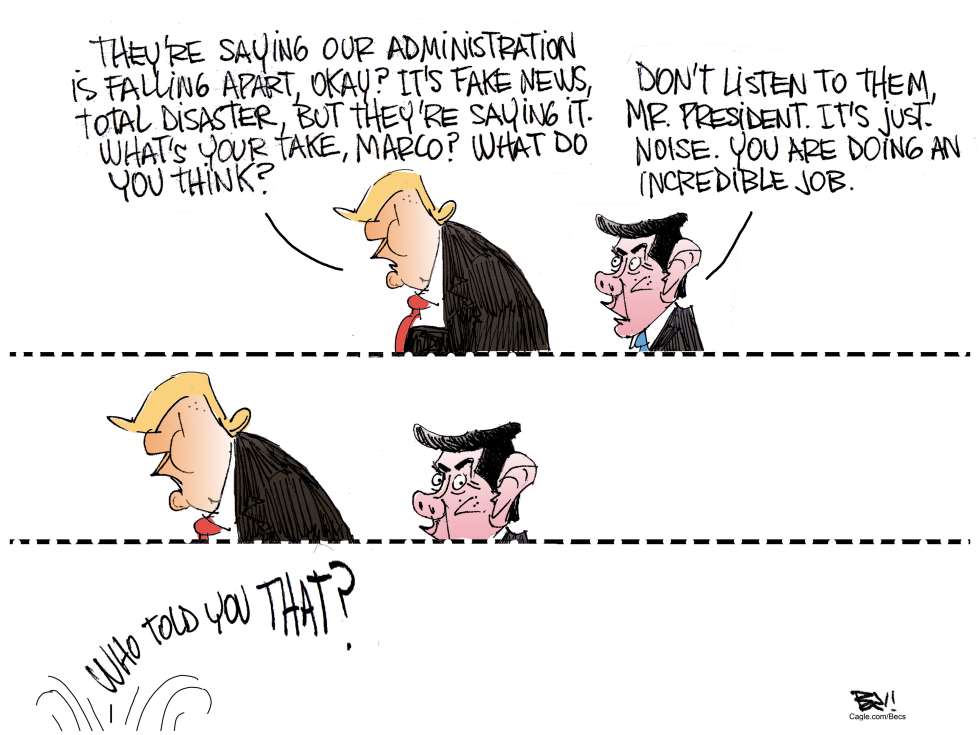
President Trump asked Senator Marco Rubio for his assessment of reports that the administration is in disarray, labeling them fake news. Rubio dismissed the reports as noise and praised Trump's performance. Trump responded by questioning who had told Rubio that assessment. The exchange highlights tensions over loyalty and information flow inside the administration. The cartoon portrays Rubio's positive reply as triggering suspicion rather than reassurance.
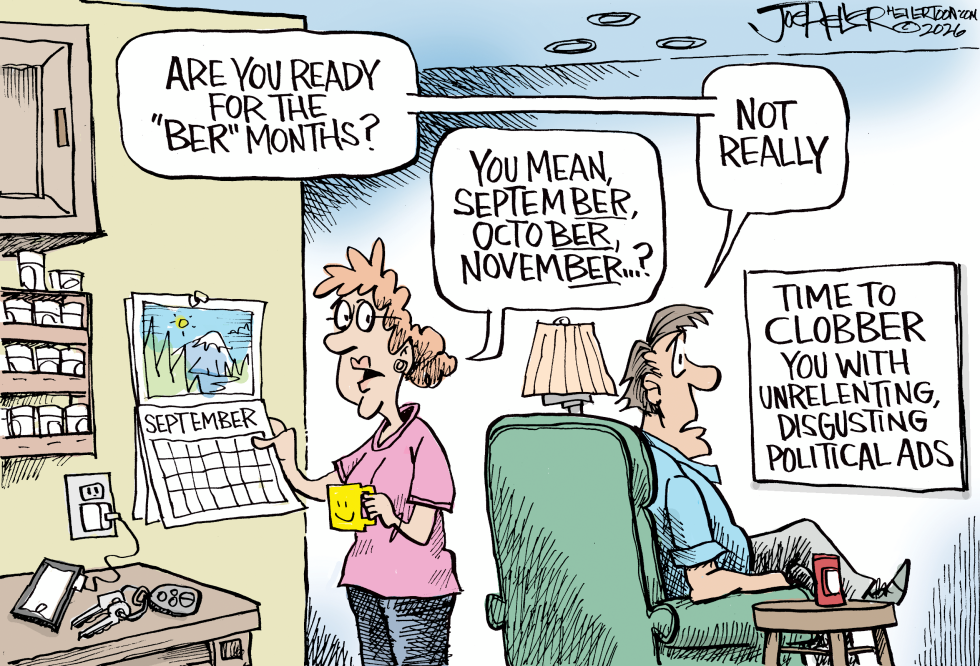
As September begins, the annual cycle of fall political advertising intensifies ahead of November elections. Candidates and outside groups ramp up spending on television, digital and mail campaigns to reach voters. The volume of messages creates widespread fatigue among the public. The cartoon highlights the predictable dread that accompanies the shift from summer to the final stretch of the campaign calendar.
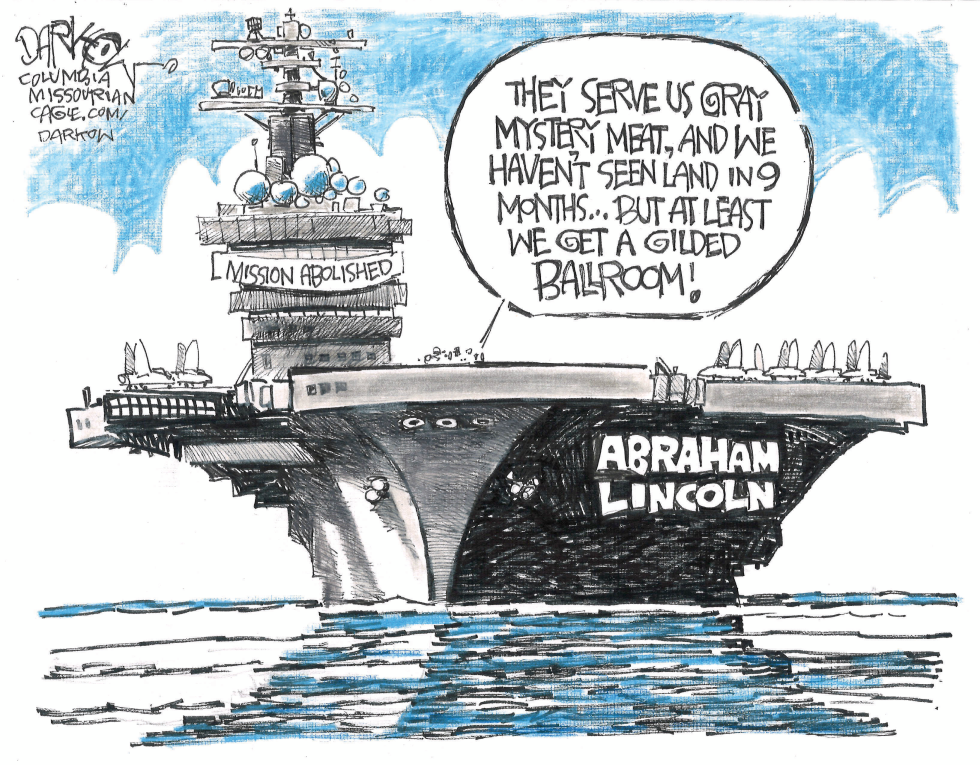
The USS Abraham Lincoln remains on extended deployment with sailors citing ongoing issues with food quality and time at sea. The addition of a gilded ballroom has drawn attention to priorities in naval operations. The piece highlights crew discontent with conditions despite the upgrade.
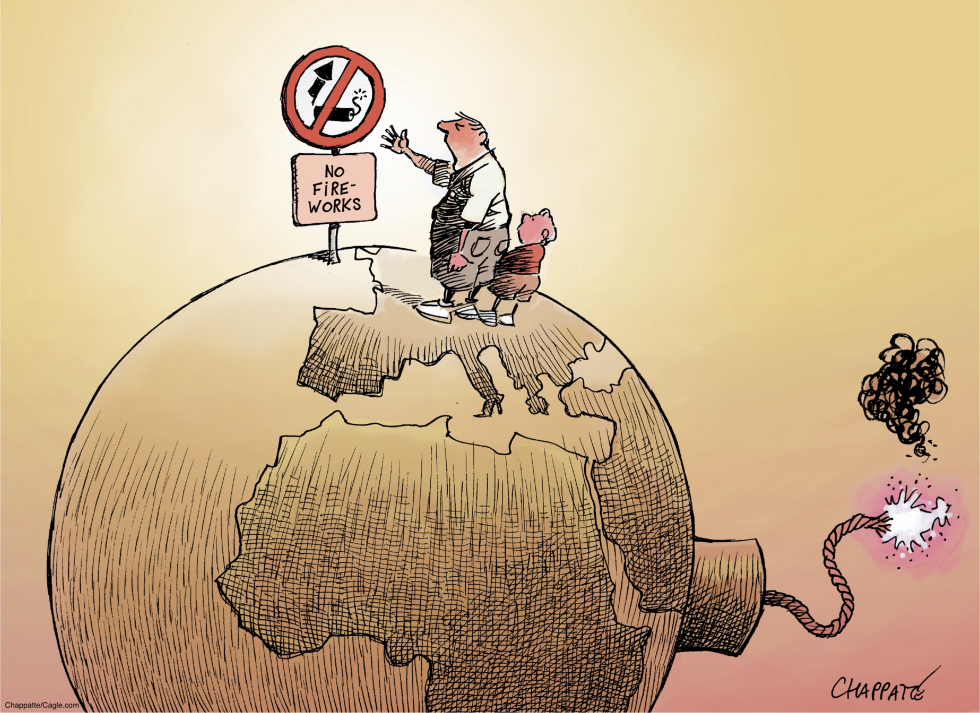
Global leaders continue to dismiss repeated scientific warnings about accelerating climate impacts even as extreme weather events intensify worldwide. The ongoing failure to curb emissions and adopt binding reductions leaves future generations exposed to rising temperatures, sea levels, and resource conflicts. The editorial argues that such willful disregard of clear danger signs amounts to reckless endangerment of the planet itself.
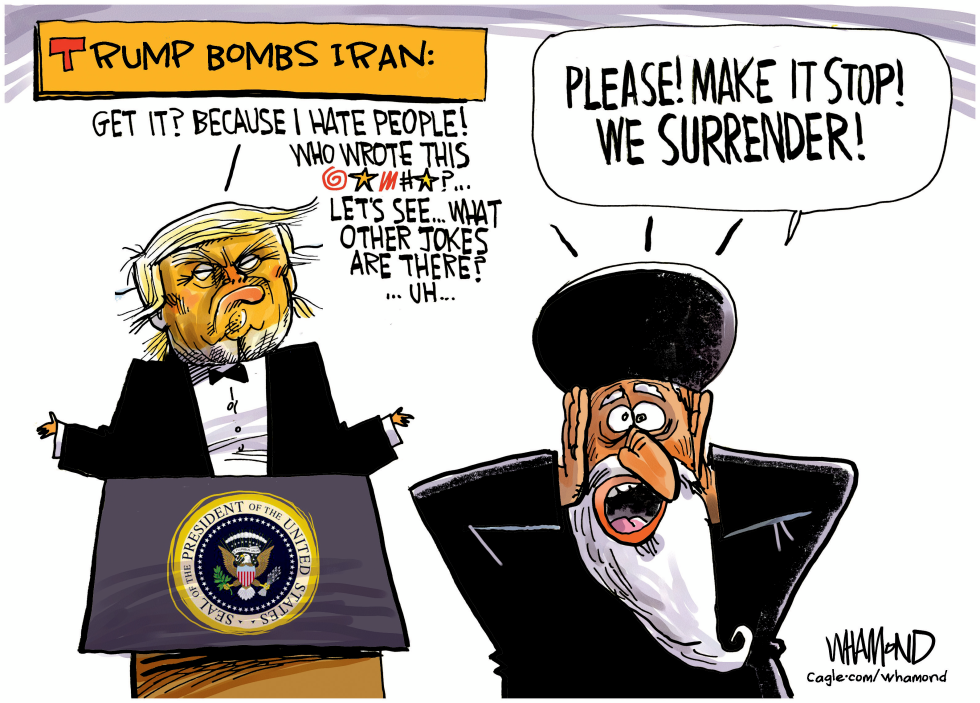
President Trump ordered strikes on Iran in late July 2026, prompting an immediate public plea for surrender from Iranian leadership. The action escalates tensions in the Middle East and raises questions about U.S. military objectives. The editorial takes the position that the strikes reflect personal animus rather than strategic necessity and mocks the president's framing of the operation.
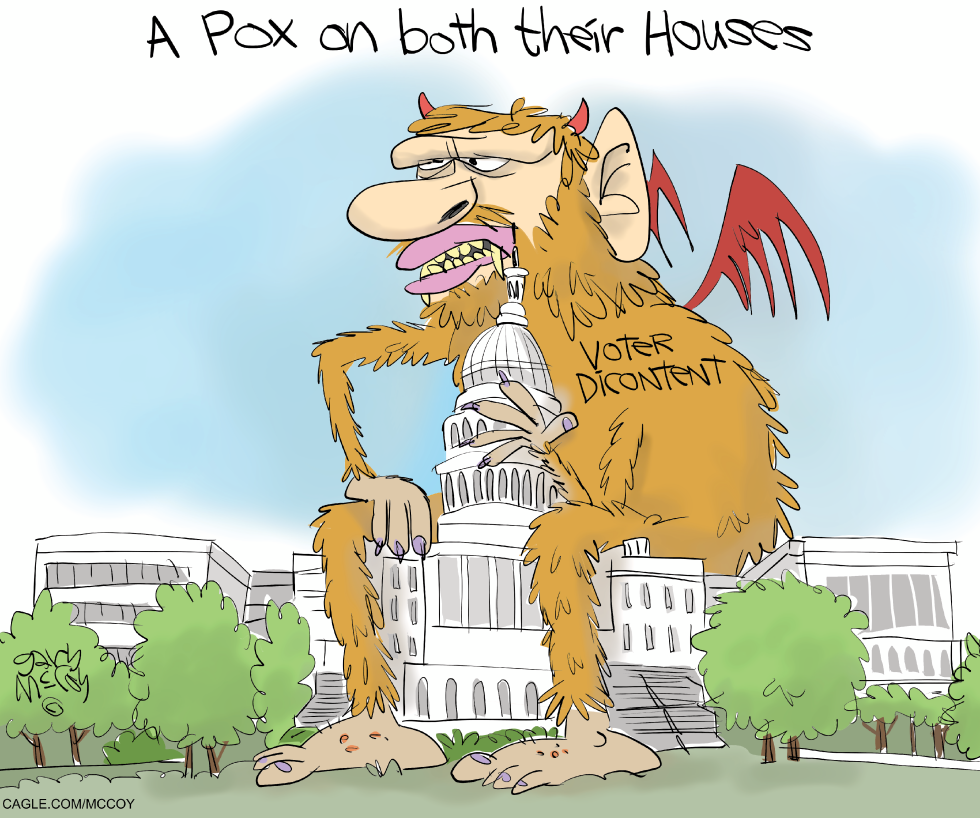
Voter frustration with Congress has grown amid stalled legislation and partisan gridlock on Capitol Hill. The piece portrays this sentiment as a towering monstrous force looming over the legislative branch. It argues that public anger targets both parties equally for failing to address key issues.
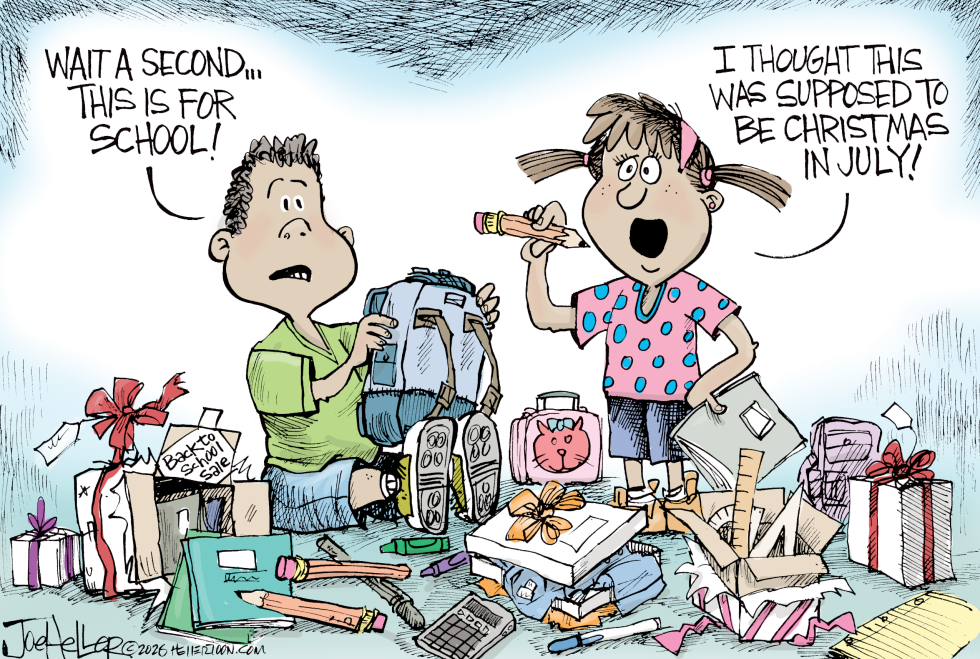
Retailers launched back-to-school promotions in late July, prompting families to stock up on supplies weeks ahead of the academic calendar. The timing overlaps with summer clearance events that mimic holiday marketing tactics. Parents and students face added pressure to buy early amid rising costs for essentials. The piece highlights how commercial calendars compress traditional shopping seasons and shift family routines.
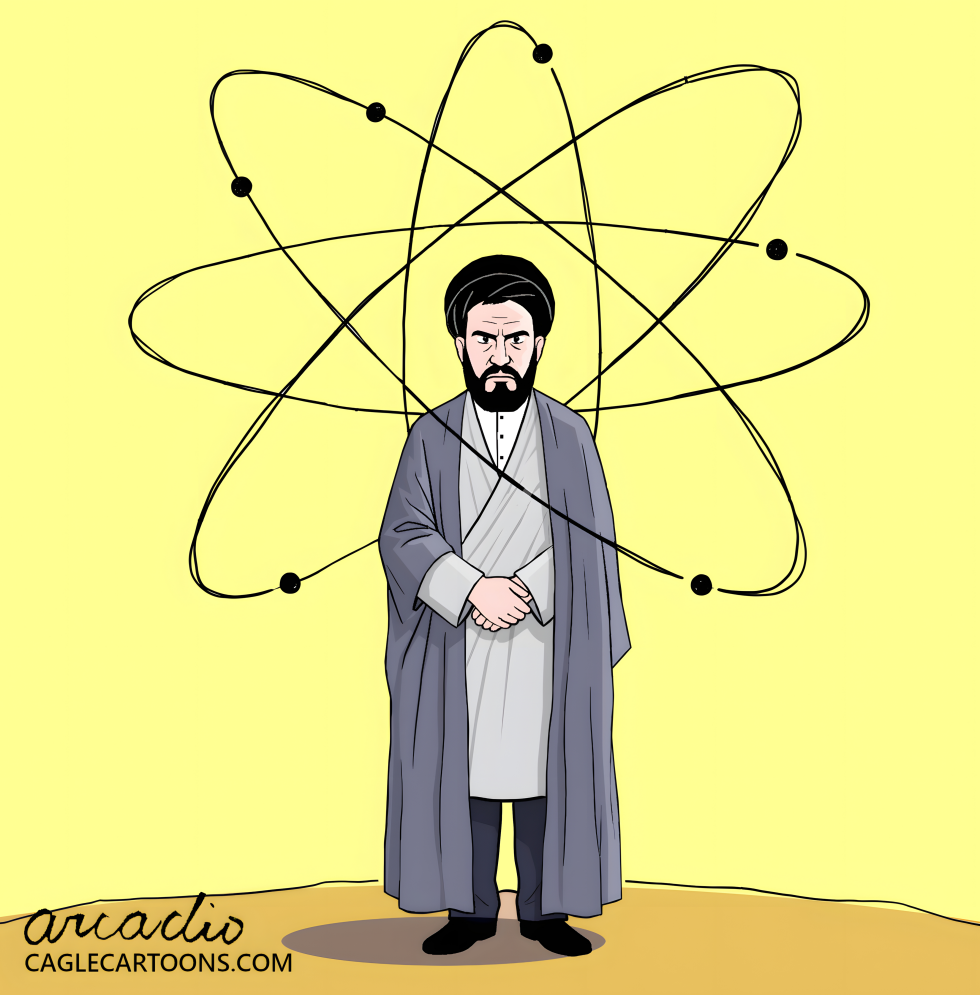
The cartoon shows Iran's supreme leader positioned in front of a large atom symbol. It responds to persistent international concerns over Tehran's nuclear activities as of mid-2026. The visual places the figure directly under the orbiting electrons, underscoring the central role of the nuclear issue in global discussions about the country.
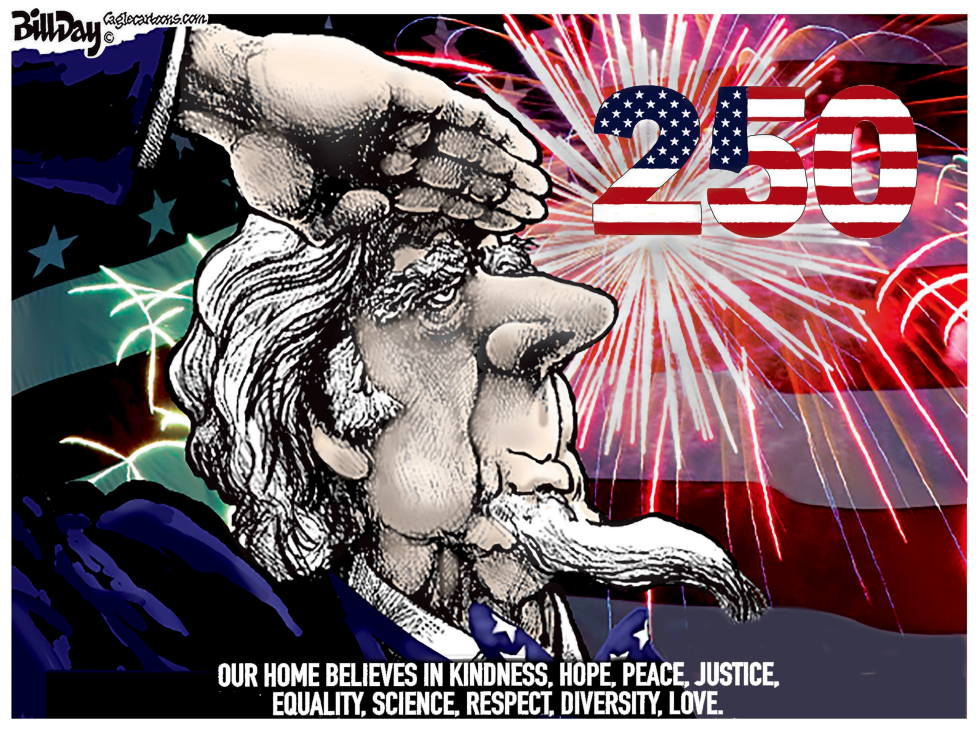
The image depicts a historical figure saluting against a backdrop of American flag and fireworks on June 30, 2026. The 250th anniversary of the United States approaches, and the cartoon emphasizes national values listed in a bottom banner: kindness, hope, peace, justice, equality, science, respect, diversity and love. The composition uses red, white and blue tones with celebratory pyrotechnics to frame the gesture.
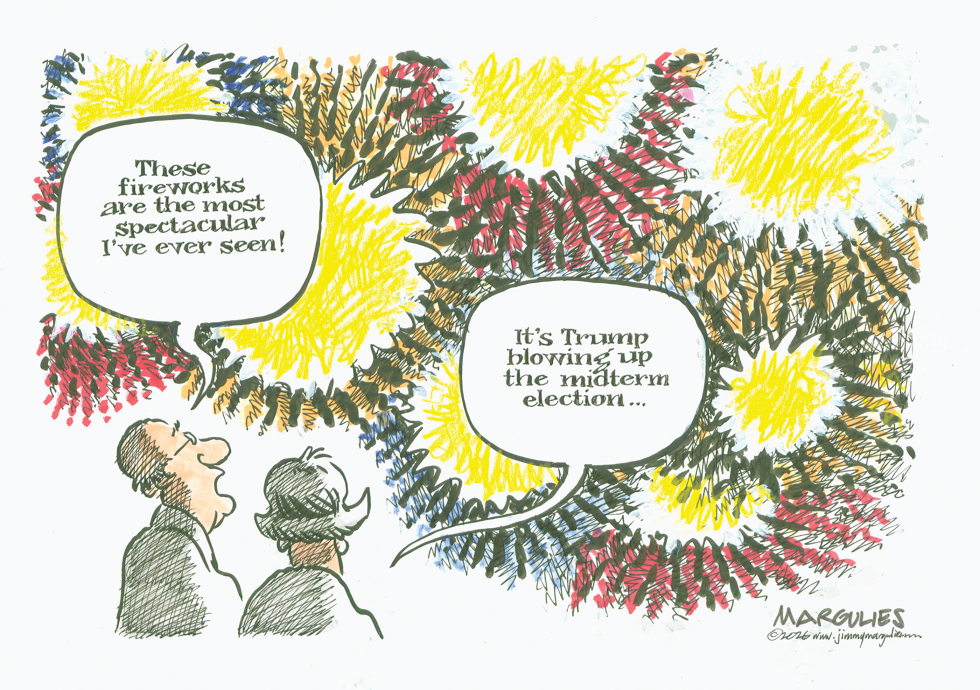
On June 29 2026 two figures stand in the foreground watching a burst of red yellow and blue fireworks fill the sky. One speech bubble praises the spectacular display while the second attributes the chaos to Trump blowing up the midterm election. The scene captures public attention on the upcoming November contests and the former president's continued influence on the political landscape.
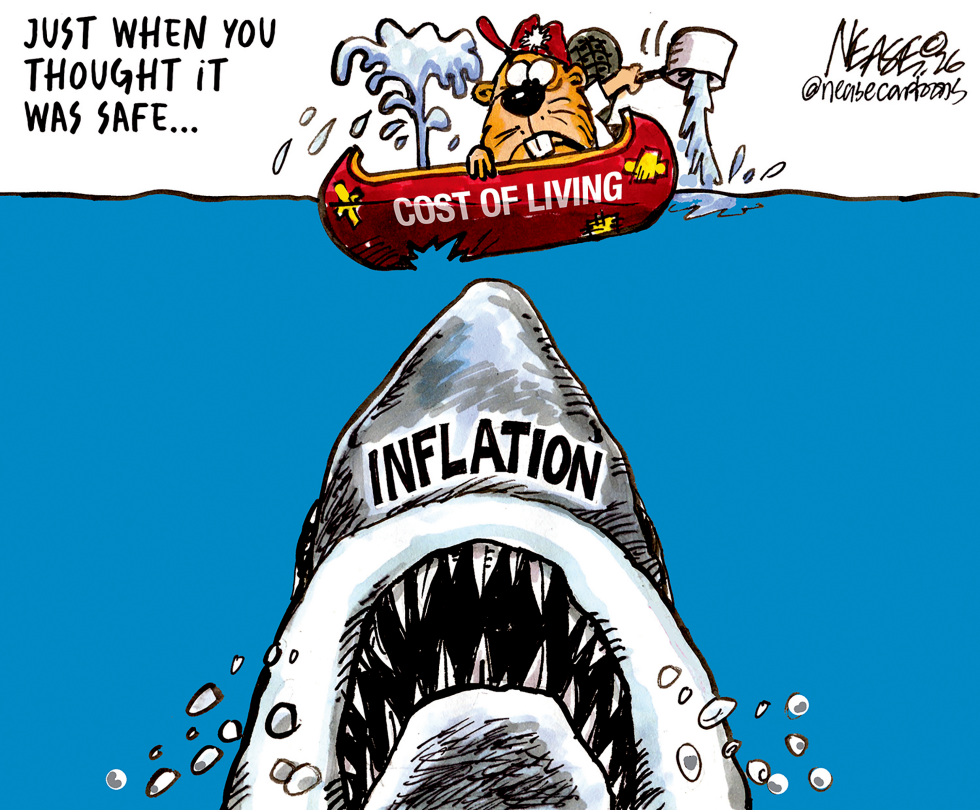
Steve Nease cartoon from June 22 2026 depicts a large shark labeled INFLATION approaching a red canoe marked COST OF LIVING. A beaver-like figure sits inside the vessel with a paddle raised. Text above reads JUST WHEN YOU THOUGHT IT WAS SAFE. The image uses a water setting to illustrate ongoing economic strain on household budgets.
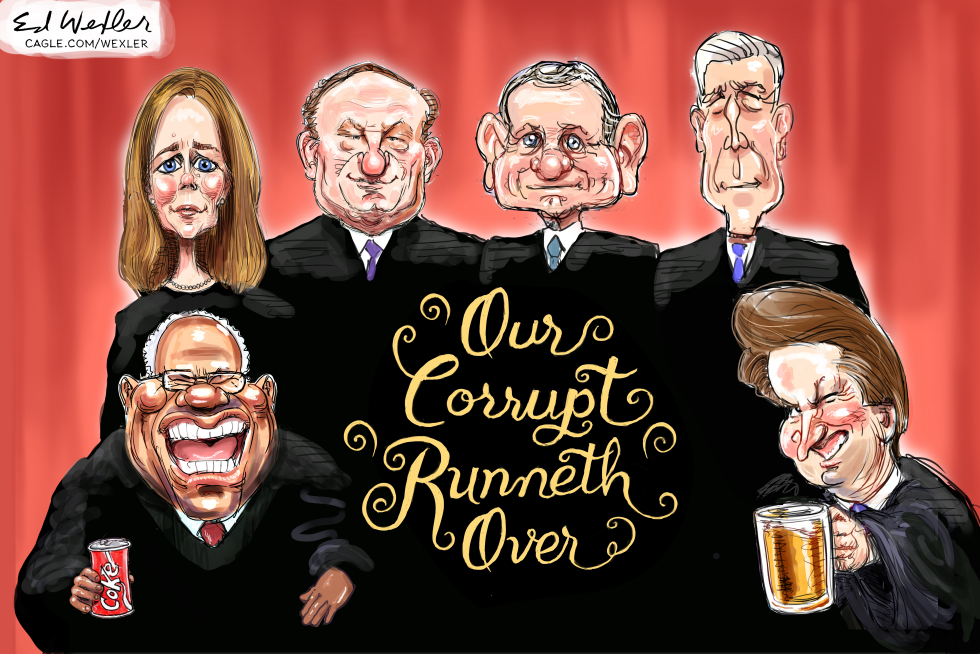
The cartoon from May 2026 shows six Supreme Court justices in black robes against a red curtain. Central figures include Clarence Thomas laughing with a Coke, Brett Kavanaugh with a beer, and others with stern or smirking expressions. Gold text reads Our Corrupt Runneth Over. The image references ongoing ethics debates involving several conservative members of the court.
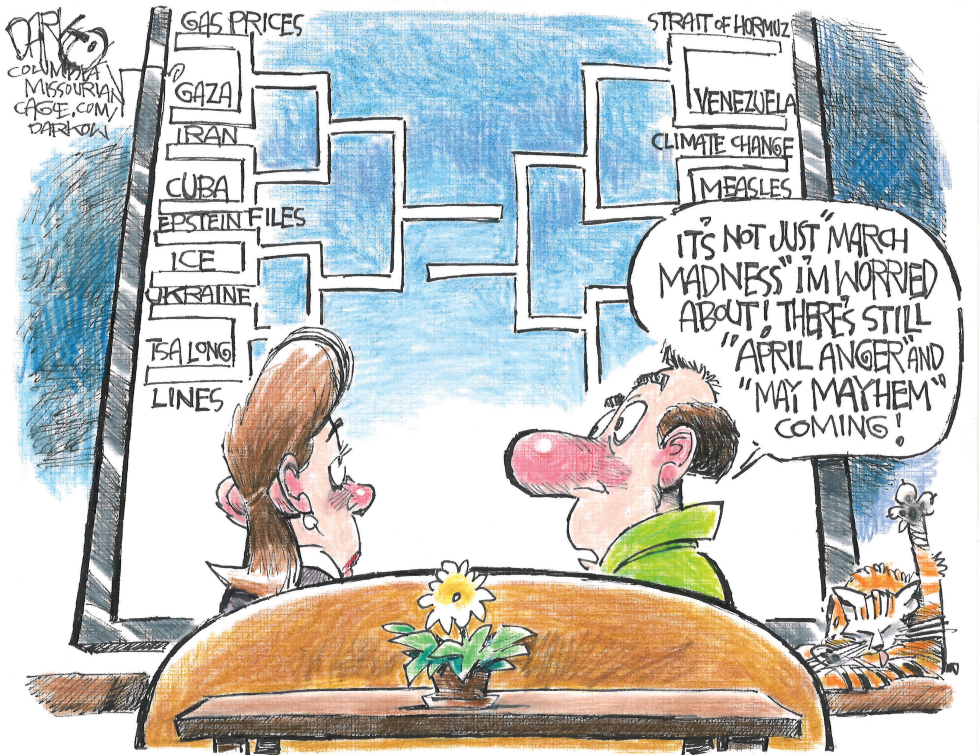
John Darkow's cartoon twists the March Madness tournament bracket into a lineup of global headaches, from gas prices spiking due to Strait of Hormuz tensions and Venezuela instability, to ongoing conflicts in Gaza and Ukraine. Measles outbreaks and climate change join the fray, alongside Cuba relations, Epstein files, ICE policies, and long TSA lines. The scene shows a couple at a table, with the man fretting that it's not just March Madness to worry about—April Anger and May Mayhem loom. A potted daisy and a striped cat add a touch of domestic normalcy to the absurd bracket of woes. This piece captures the relentless parade of news cycle disasters, using at least six tags like March Madness, Strait of Hormuz, Venezuela, measles, gas prices, and Gaza.
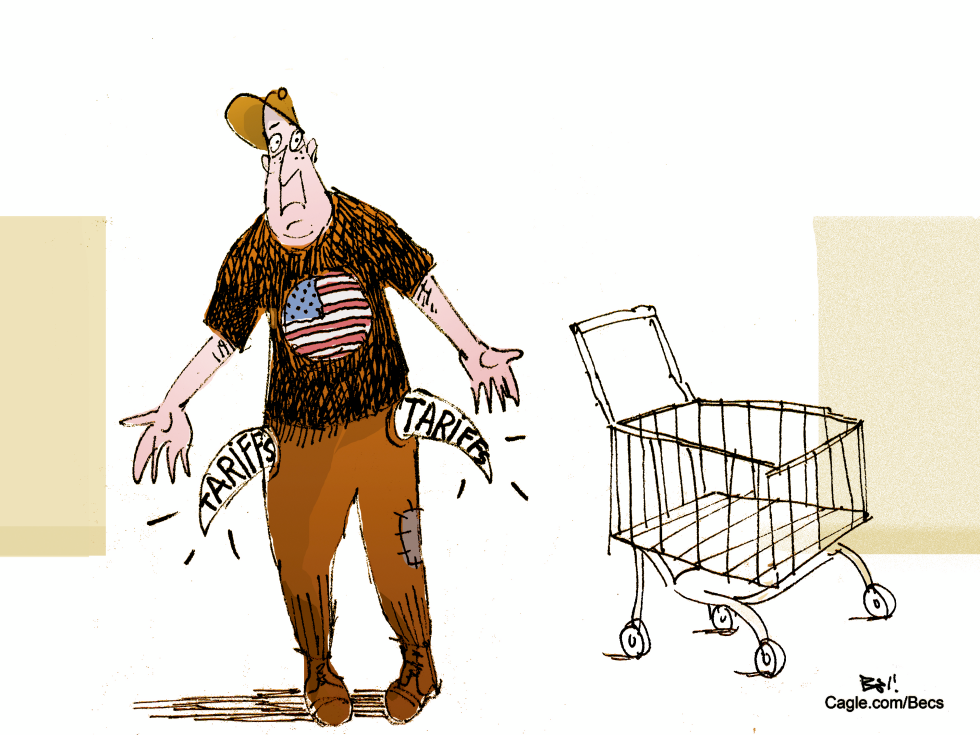
A figure wearing a tattered American flag shirt and brown pants labeled tariffs stands with empty hands next to an empty shopping cart. The scene responds to 2025 tariff increases under the Trump administration that have contributed to higher consumer prices and reduced purchasing power. The image highlights the direct effect on everyday Americans facing inflation and limited spending ability.