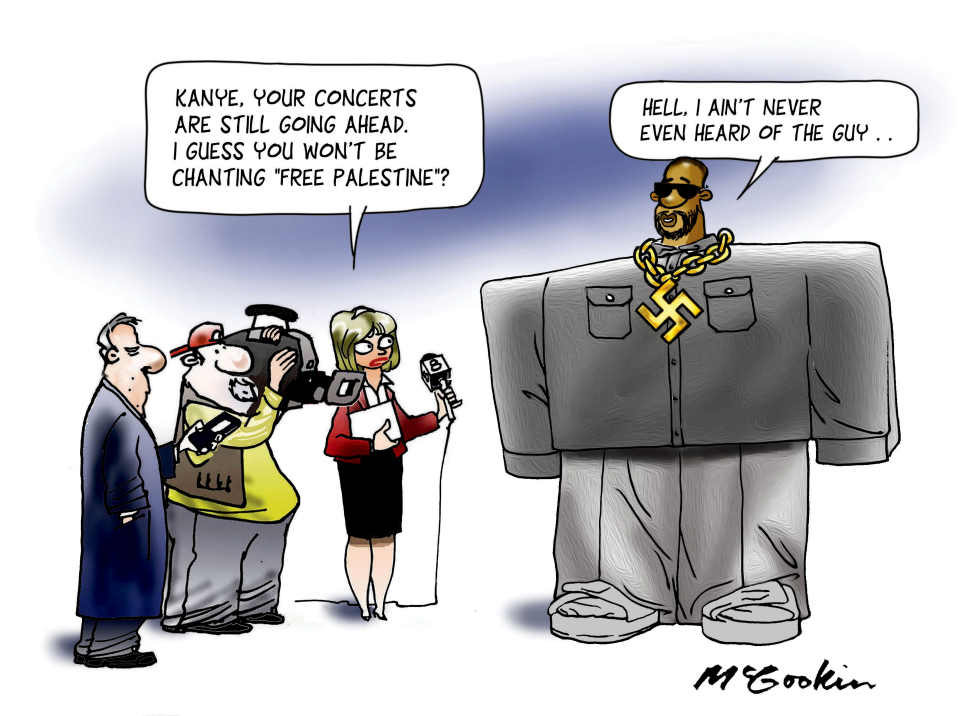
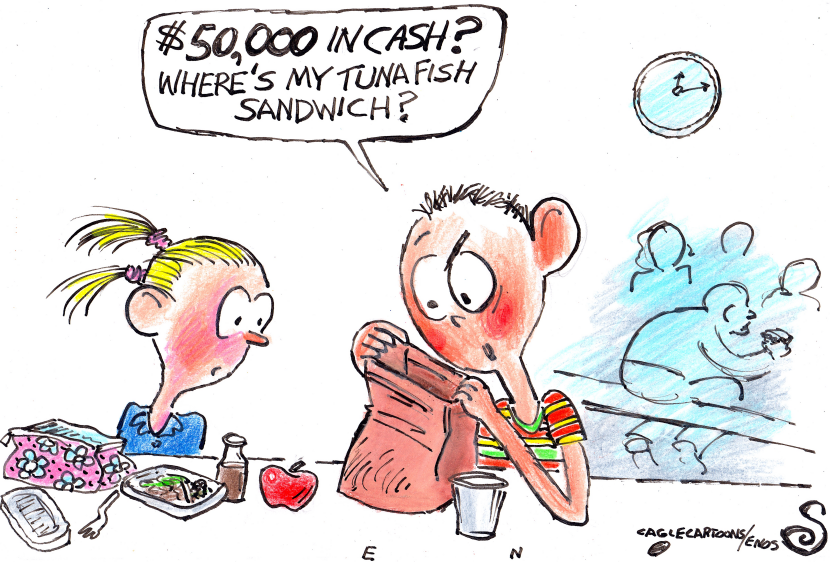
Reports indicate Macklemore faced professional setbacks tied to his expressions of support for Palestinian causes, while Kanye West maintained concert bookings and public appearances despite a documented history of antisemitic remarks. The disparity highlights selective enforcement within entertainment industry and media circles. The piece argues that such inconsistency undermines claims of principled accountability and reveals selective outrage based on the individual's profile rather than the content of the statements.
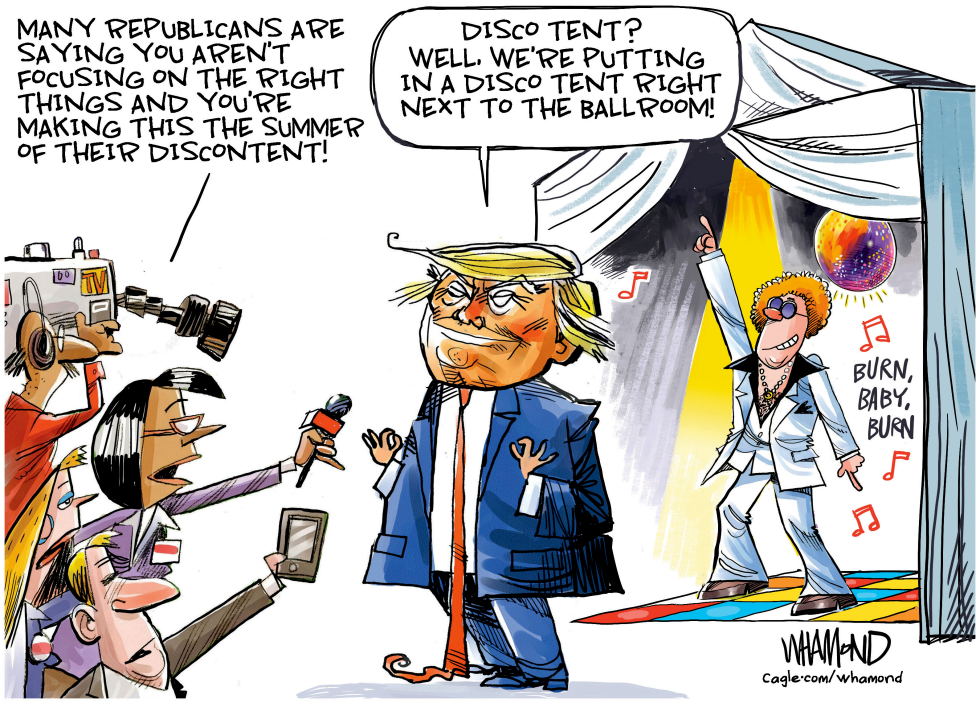
Republicans have publicly criticized Donald Trump for diverting focus from core issues during the summer of 2026, highlighting internal party friction over perceived misplaced priorities. The criticism centers on White House renovation choices that include adding a disco tent adjacent to the ballroom. Trump faces direct questions from the press about these decisions. The editorial position frames the episode as evidence of deepening discontent within the Republican ranks over the president's agenda.
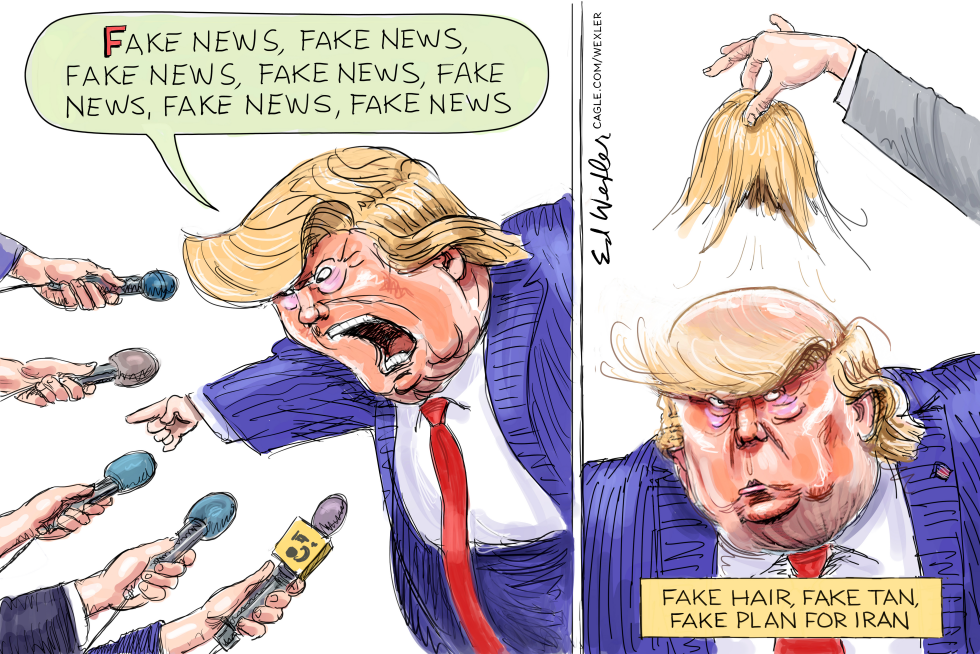
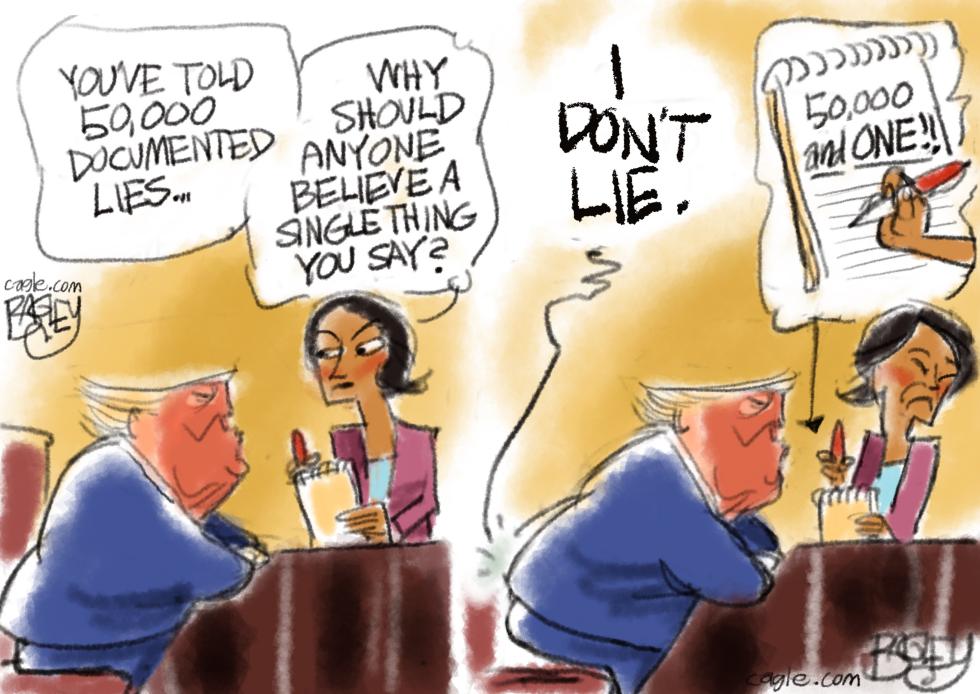
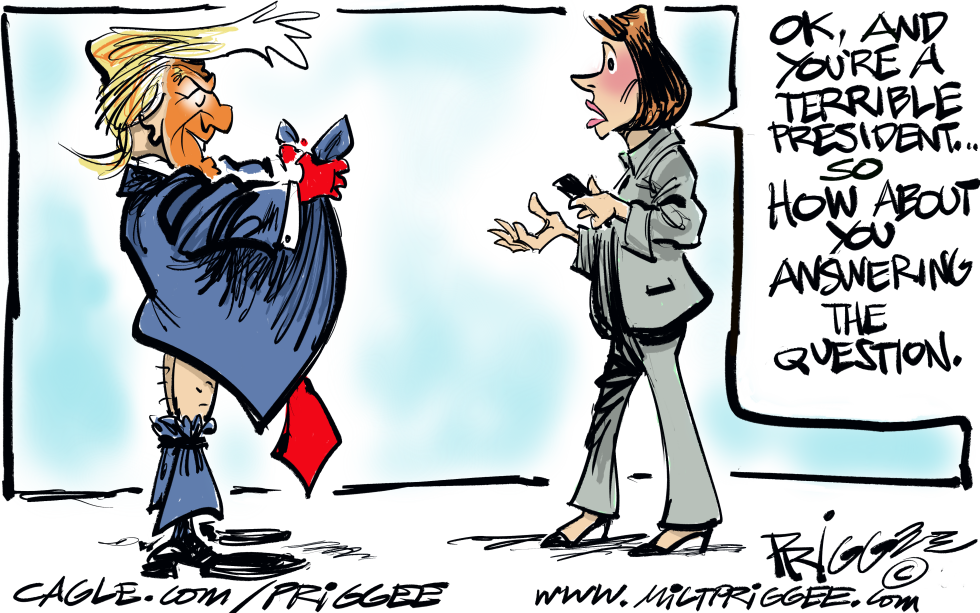
Donald Trump repeatedly labels media coverage as fake news during press encounters. The cartoon responds by questioning the authenticity of his appearance and his approach to Iran policy. It portrays the disconnect between his public statements and underlying realities.
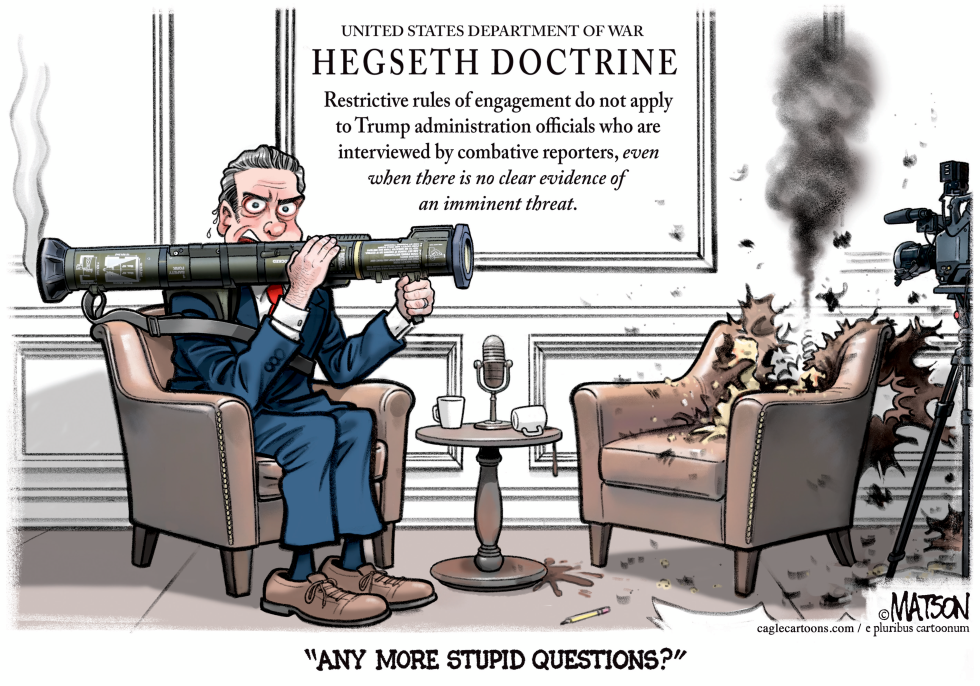
R.J. Matson's cartoon depicts a stern-faced official in a formal setting, wielding a massive rocket launcher that has just obliterated the interviewer's chair, smoke billowing from the debris. The header proclaims the 'Hegseth Doctrine' under the 'United States Department of War,' stating that restrictive rules of engagement don't apply to Trump administration officials facing combative reporters, even without clear evidence of an imminent threat. The official snarls, 'Any more stupid questions?' as a camera topples amid the chaos. This setup skewers the notion of overreactive defenses in political interviews, blending dry humor with sharp commentary on media relations. Tags like Hegseth Doctrine, Trump administration satire, press interview violence, combative reporters parody, imminent threat joke, and political cartoon Matson capture the essence of this visually punchy critique.
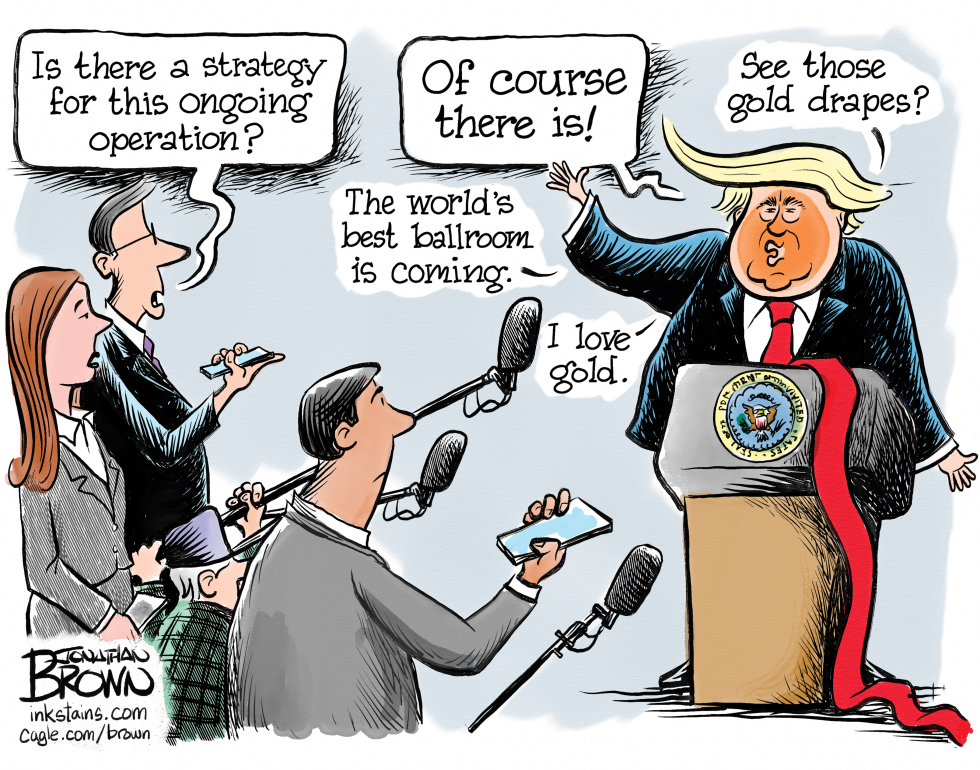
Jonathan Brown's cartoon captures a press conference scene where a figure resembling Trump stands at a podium with a presidential seal, gesturing toward imagined gold drapes. Reporters ask about strategy for an ongoing operation, likely tied to tags like War in Iran and Iran War. The response shifts focus to a coming ballroom, emphasizing love for gold in a White House setting. This satirical piece uses dry humor to point out misplaced priorities in strategy discussions. The artwork features exaggerated features and speech bubbles, common in political cartoons, poking fun at leadership styles amid tags like Strategy and Ballroom.
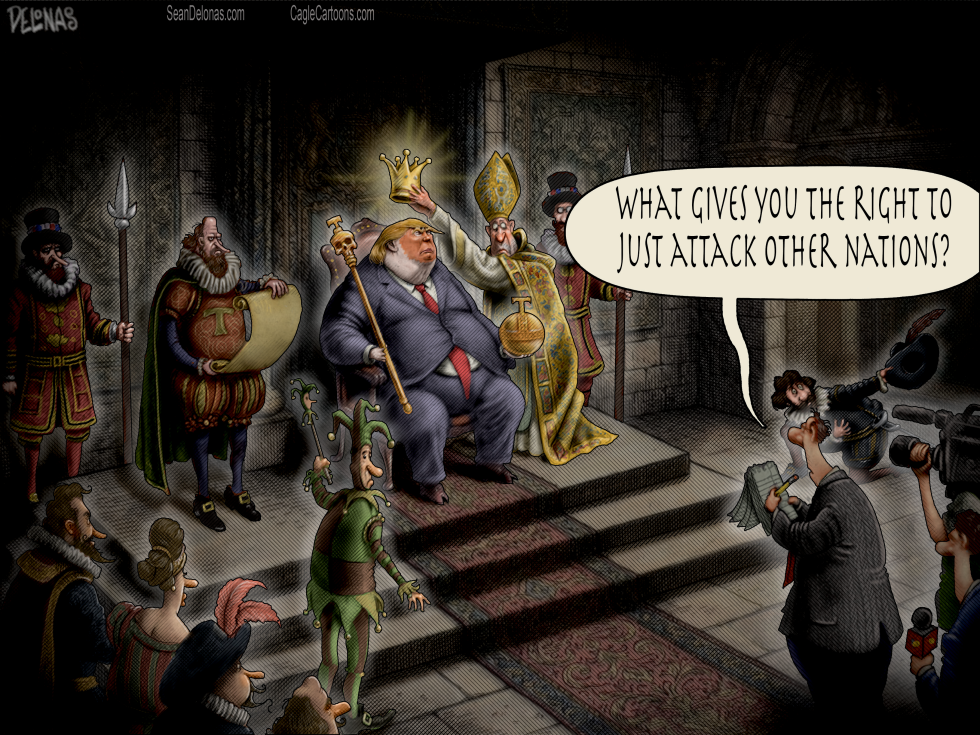
Sean Delonas captures Donald Trump as a rotund king lounging on a throne in a dimly lit castle hall, complete with a bishop crowning him with a glowing crown and a scepter in hand. Surrounded by medieval figures like guards, a jester, and courtiers, Trump faces a modern reporter wielding a microphone and notes, demanding to know what gives him the right to just attack other nations. The cartoon blends historical pomp with contemporary critique, tagging into Trump, wars, Iran, Venezuela, press, king, media, counterterrorism, military, policy, and president themes. The dry humor underscores the absurdity of unchecked power, with the artist's signature style emphasizing exaggerated features and satirical edge.