Emad Hajjaj
Cartoons
Sep
16
2026
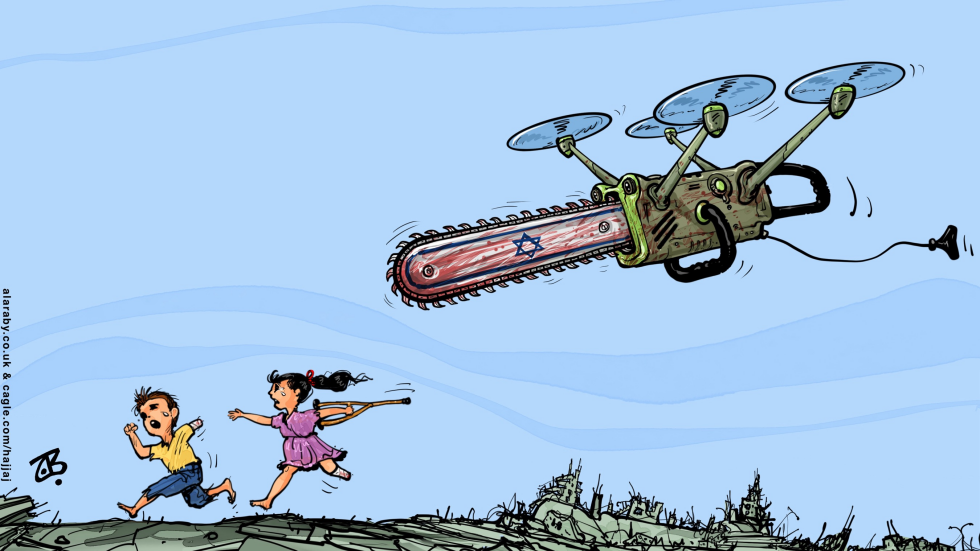
Israeli forces have deployed quadcopter drones equipped for combat in Gaza operations. The tactic has intensified scrutiny over risks to noncombatants in dense urban zones. Critics argue the approach blurs lines between targeted strikes and broader harm. The cartoon frames these weapons as indiscriminate threats to local populations. It takes the position that such technology exacerbates the humanitarian toll of the conflict.
Sep
14
2026
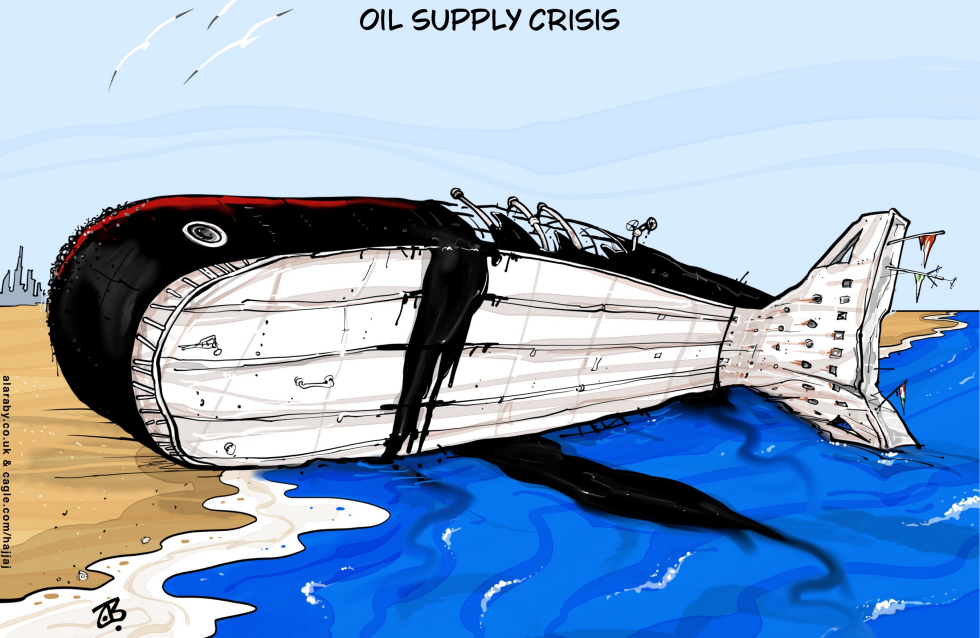
A major oil tanker has run aground, disrupting supply routes and releasing crude into coastal waters. The incident underscores vulnerabilities in global energy transport networks that rely on aging or poorly maintained vessels. Such events can spike fuel prices and trigger immediate cleanup costs for affected regions. The cartoon frames the grounding as a direct cause of the broader supply crisis rather than an isolated accident. It points to systemic weaknesses in oversight and infrastructure that allow one failure to cascade into wider shortages and ecological harm.
Sep
10
2026
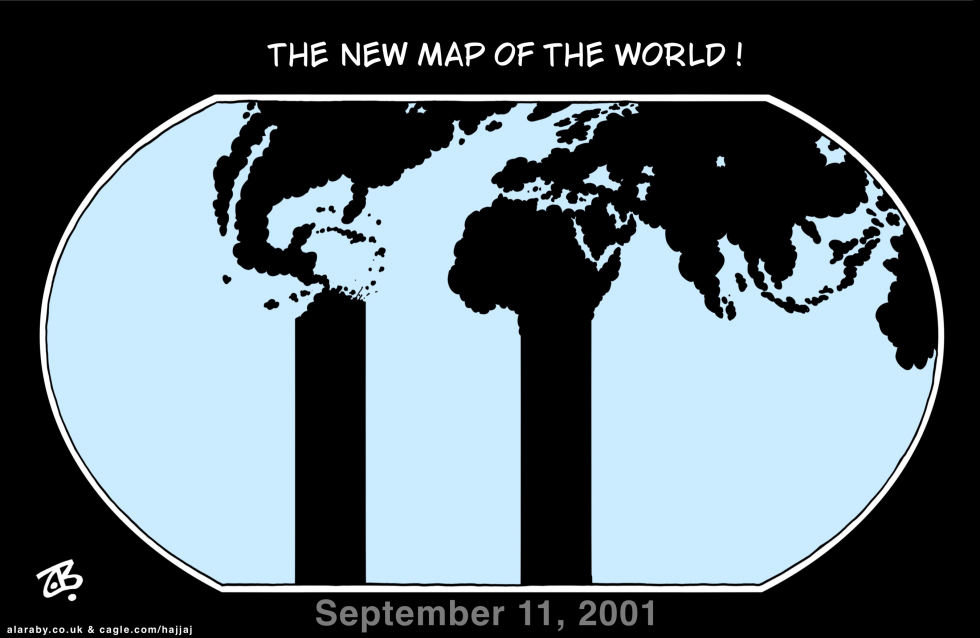
September 11, 2001, attacks on the World Trade Center and Pentagon killed nearly 3,000 people and triggered two decades of wars, surveillance expansions, and realignments in global alliances. The cartoon marks the anniversary by depicting the towers as continents emitting smoke, arguing that the event created an entirely new geopolitical order still felt today.
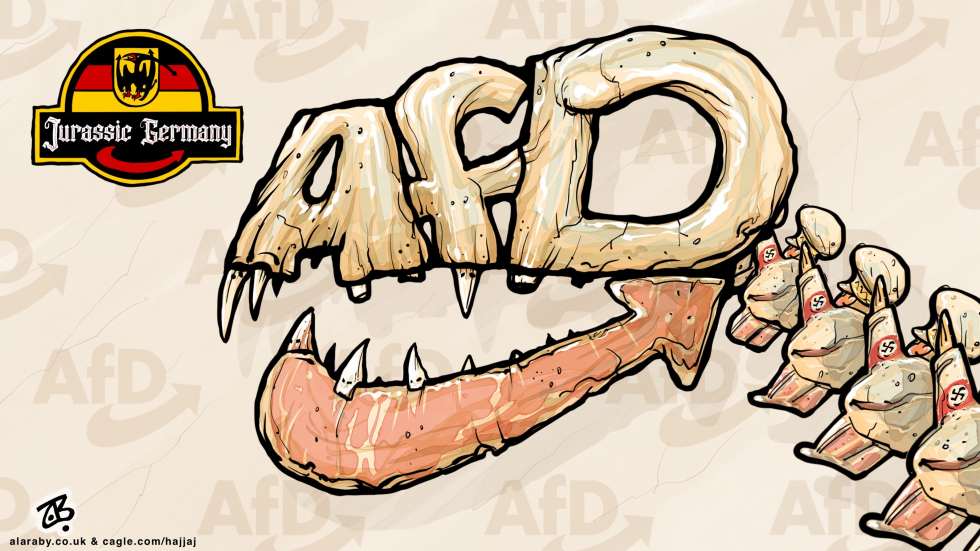
The Alternative for Germany party posted strong results in recent state and national contests, drawing renewed scrutiny over its tolerance for extremist elements. The outcome matters because AfD now holds significant parliamentary seats and influences policy debates on immigration and national identity. The cartoon argues that these gains risk normalizing symbols and rhetoric long associated with Germany's darkest chapter.
Sep
7
2026
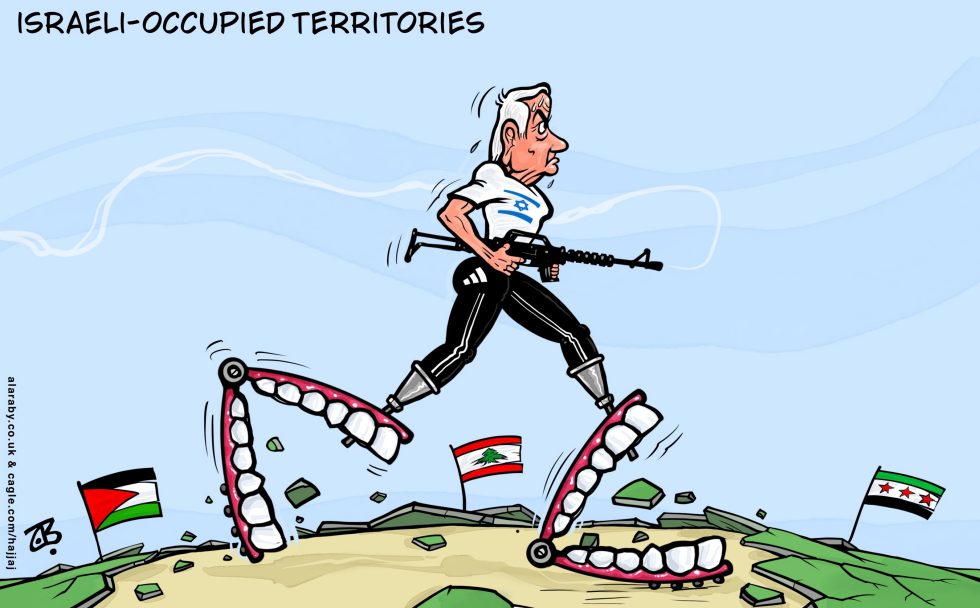
Israeli Prime Minister Benjamin Netanyahu has maintained policies of territorial control and military operations in areas bordering Israel including Gaza the West Bank southern Lebanon and parts of Syria. These actions have drawn international scrutiny over sovereignty violations and regional stability. The cartoon frames the policy as aggressive expansion that damages neighboring states.
Sep
3
2026
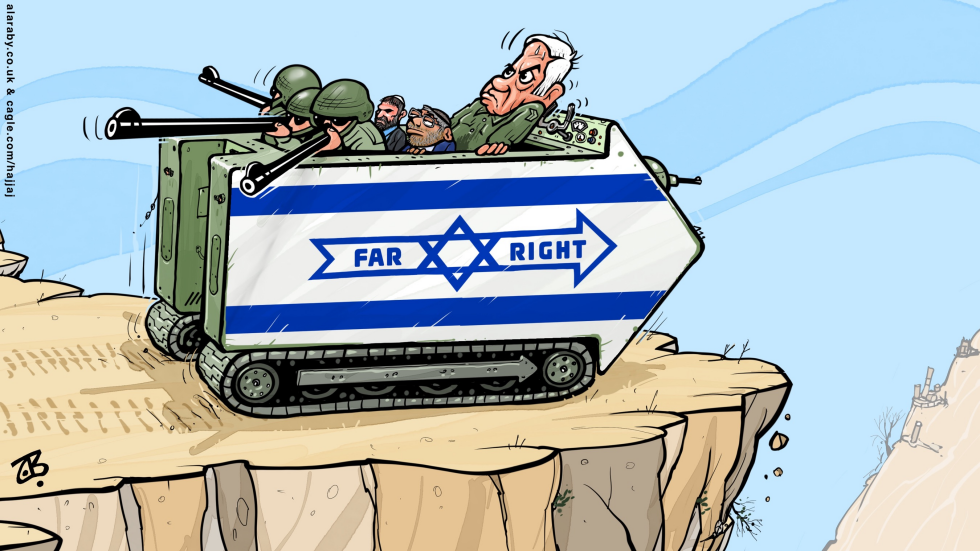
Israeli Prime Minister Benjamin Netanyahu leads a far-right coalition whose policies face mounting domestic and international criticism. The government has pursued aggressive military actions and settlement expansion while navigating coalition partners with extreme views. This direction risks further isolation and internal division. The cartoon argues that Netanyahu's embrace of the far right is propelling the country toward self-inflicted political and strategic damage.
Sep
1
2026
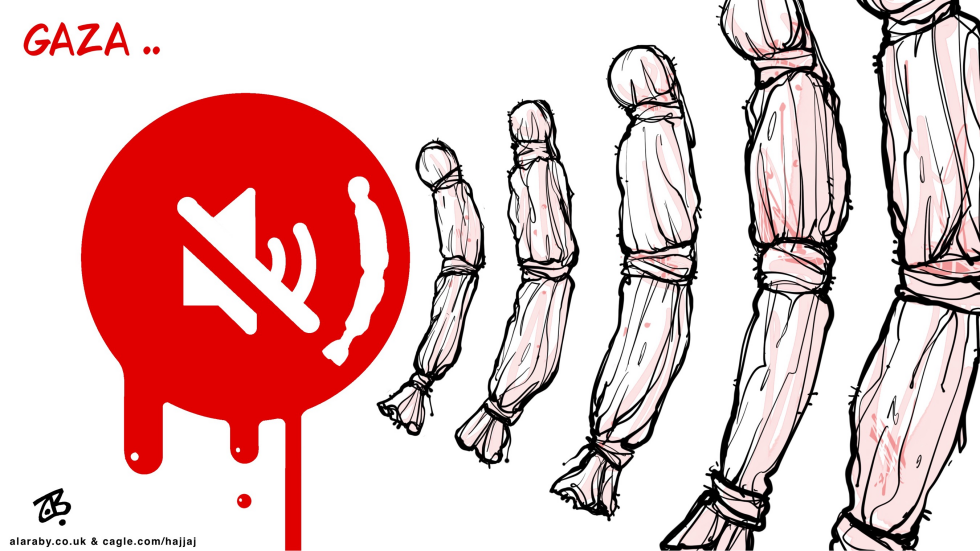
Ongoing conflict in Gaza continues to draw international attention to civilian casualties and restrictions on reporting. The piece responds to persistent calls for attention amid claims of media and global silence. It positions the mute symbol as a direct critique of inaction on reported suffering. The editorial stance emphasizes the need to break that silence and acknowledge the human cost in the region.
Aug
28
2026
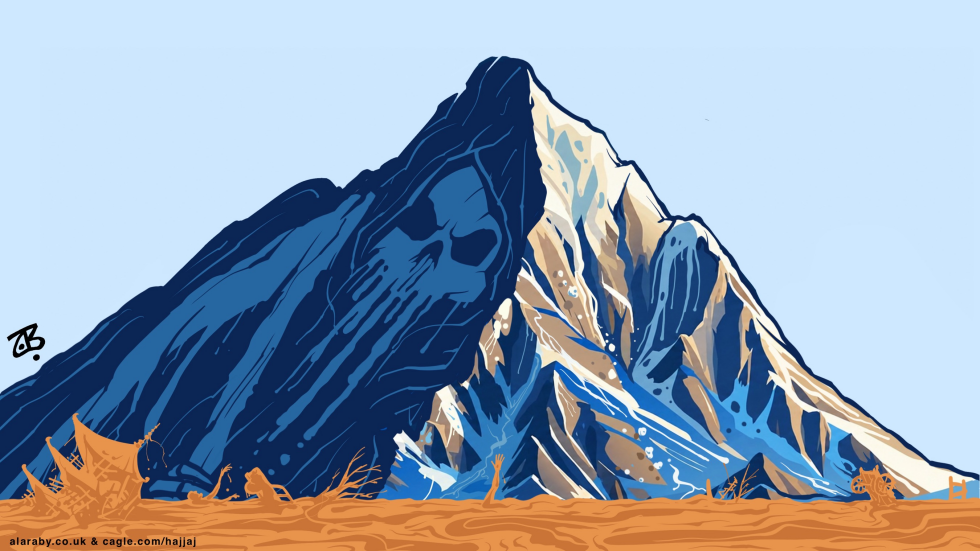
Severe flooding in the Himalayas has displaced thousands and caused significant loss of life amid accelerating glacial melt and intensified monsoon rains linked to climate change. The disaster highlights the vulnerability of mountain communities to extreme weather events that have grown more frequent in recent years. This piece frames the catastrophe as a stark warning of nature's retribution, underscoring the urgent need for global action on emissions to prevent further tragedies in fragile ecosystems.
Aug
25
2026
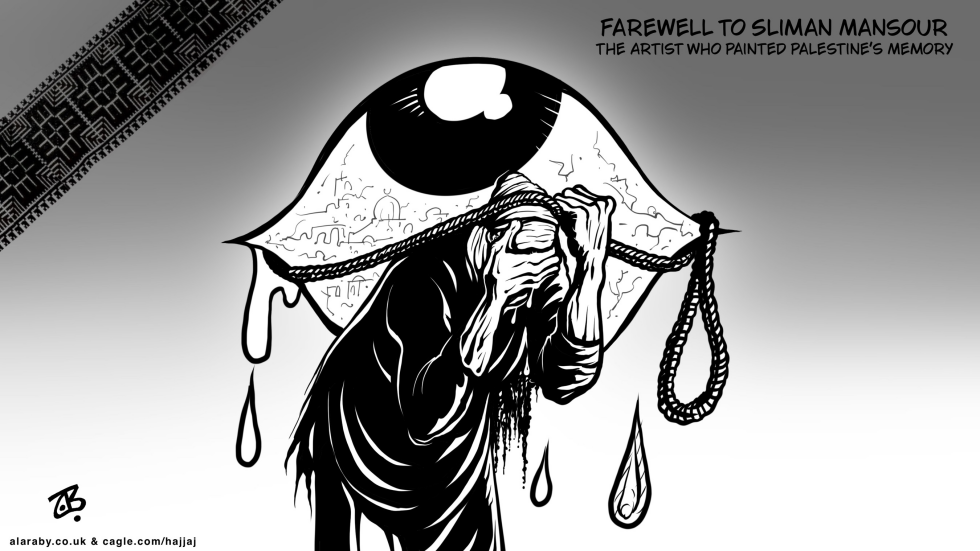
Sliman Mansour, the Palestinian artist known for works depicting national memory and identity, is remembered following his death. The tribute highlights his role in preserving cultural imagery amid ongoing regional tensions. The piece frames his legacy as a quiet act of resistance and remembrance.
Aug
21
2026

Social media platforms continue to dominate daily life through smartphones, prompting calls for users to disconnect from constant notifications and scrolling. The image depicts a hand actively burying such a device in dirt, underscoring the desire to escape digital overload. The editorial position favors deliberate disconnection from these apps as a necessary step toward healthier routines.
Aug
19
2026
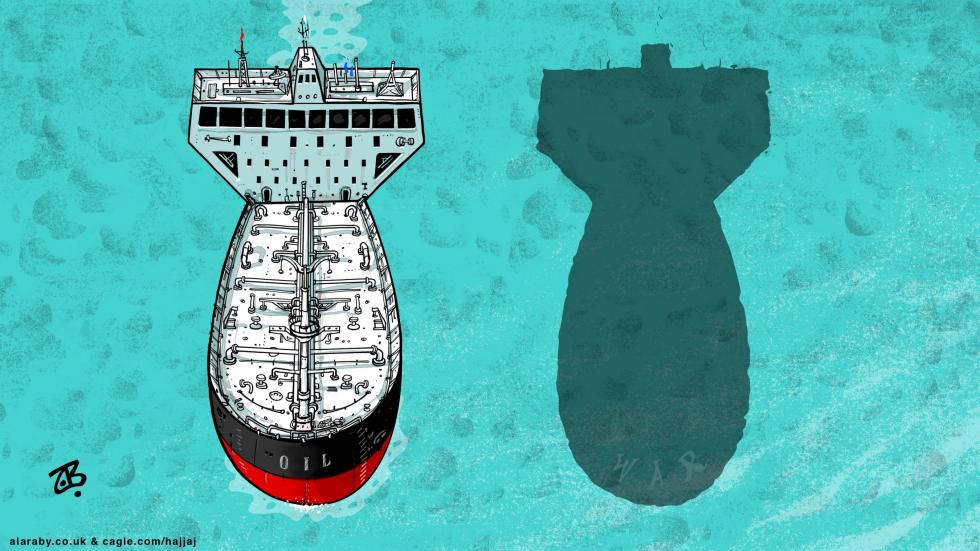
An oil tanker depicted in bomb form with a matching shadow labeled war underscores ongoing links between energy resources and armed conflict. The image responds to persistent tensions in oil-producing regions where shipping routes and resource control intersect with military actions. Such portrayals emphasize how fossil fuel transport remains entangled in geopolitical disputes. The editorial stance critiques the weaponization of energy supplies and the persistent threat of escalation tied to oil interests.
Aug
17
2026
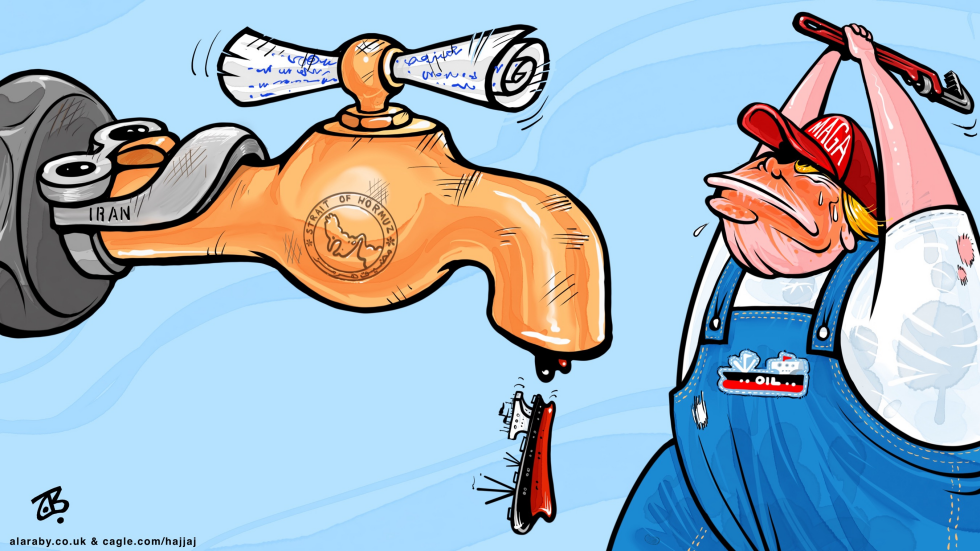
Donald Trump faces ongoing friction with Iran over control of the Strait of Hormuz, a vital oil transit route. Recent shipping incidents and sanctions disputes have kept the waterway in focus. The piece portrays these pressures as a plumbing crisis that resists easy fixes.
Aug
11
2026
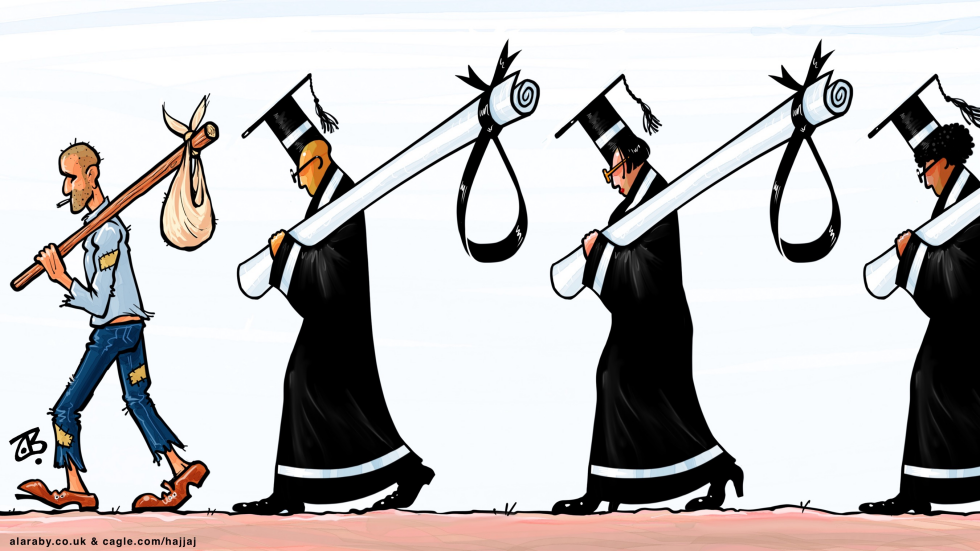
Graduates face mounting education costs that turn diplomas into symbols of debt. The image captures the procession of students weighed down by financial obligations after completing their studies. It critiques the ongoing burden placed on new degree holders.
Aug
7
2026
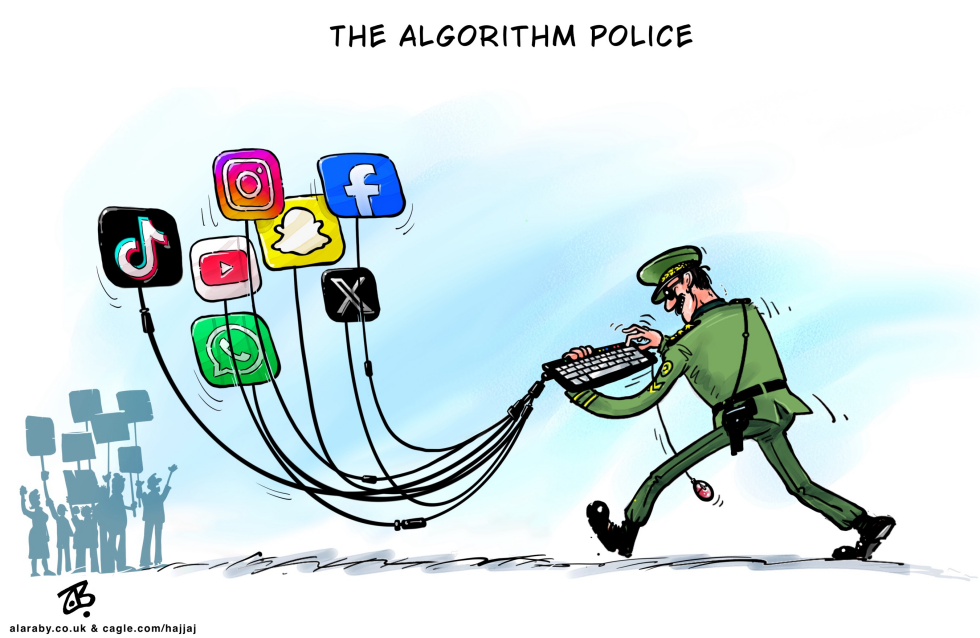
Authorities worldwide continue expanding oversight of social media platforms through algorithmic tools and regulatory pressure to curb misinformation and dissent. This approach affects major apps including TikTok, Instagram, Facebook, and X by prioritizing content moderation at scale. The development matters because it shapes public discourse and information access for billions of users. The piece portrays such controls as heavy-handed policing that provokes public resistance.
Aug
5
2026
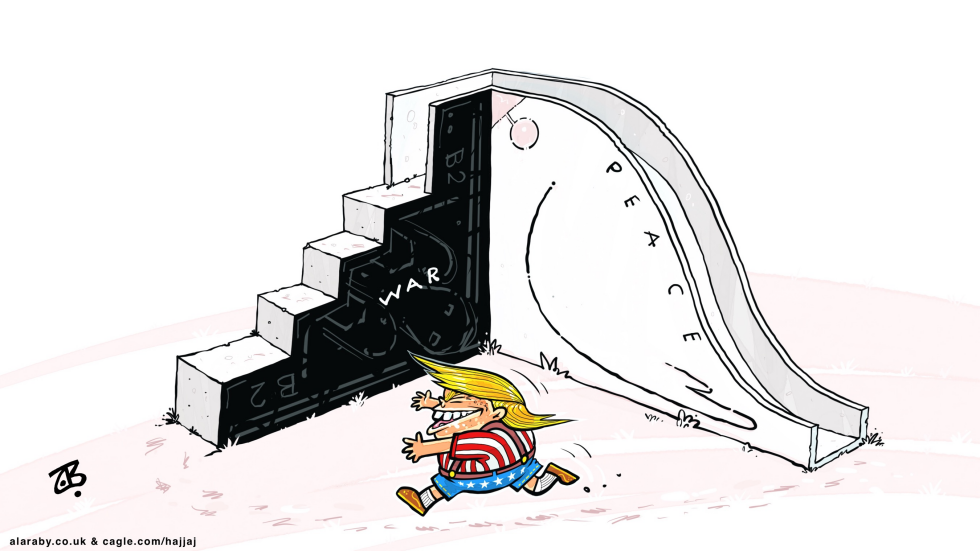
Donald Trump, holding the presidency on the August 2026 publication date, faces renewed questions over military commitments abroad. Recent developments in defense policy have highlighted tensions between continued operations and diplomatic overtures. The piece responds to this dynamic by depicting the president moving away from a war-associated structure toward a peace option. It frames the shift as an abrupt retreat from prior positions rather than a deliberate policy choice. The editorial stance criticizes the move as inconsistent and driven by political expediency instead of strategic consistency.


